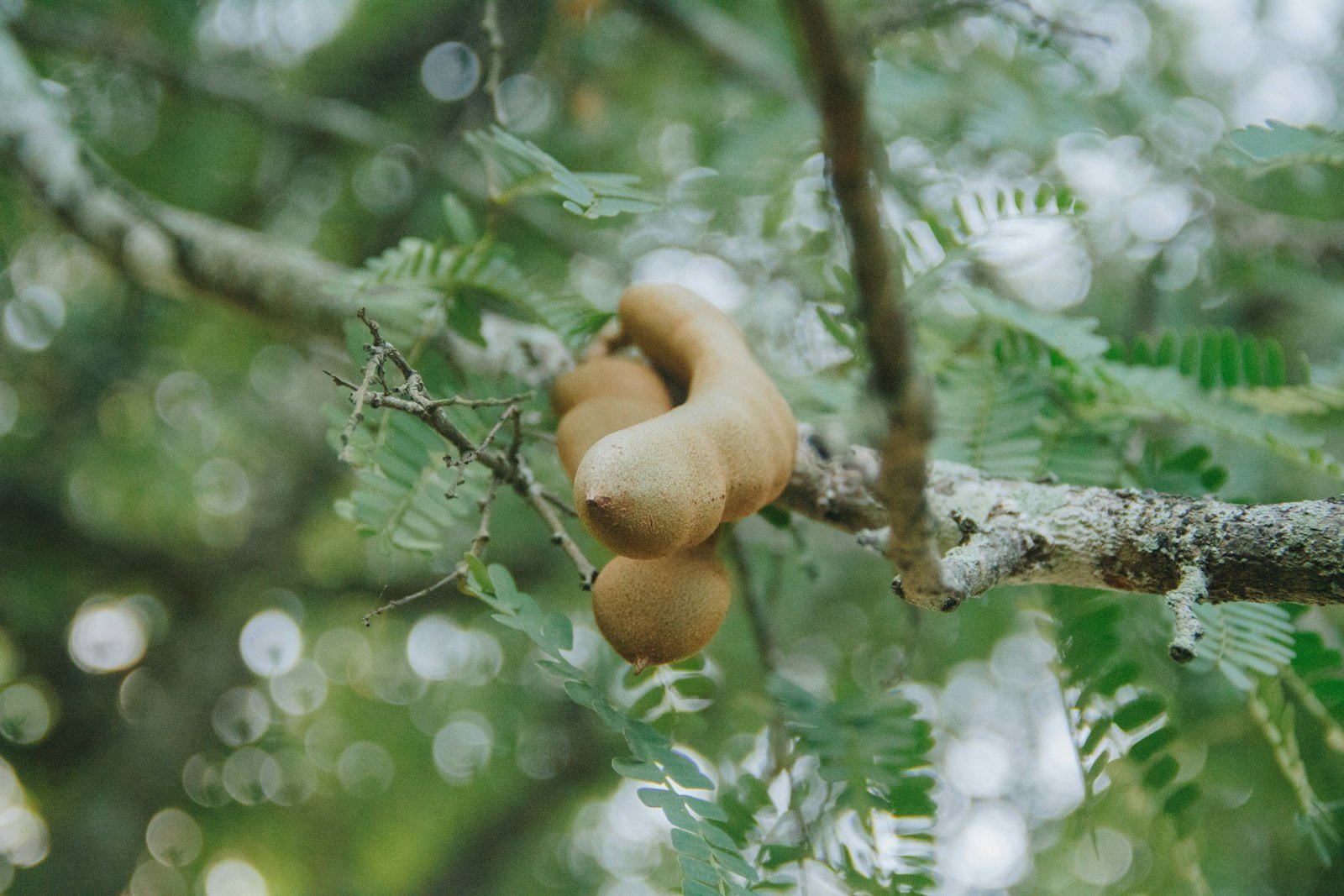
Crack open a tamarind pod in any Mombasa kitchen and the air shifts. That dark, sticky pulp inside–what we call ukwaju in Kenya–smells like raisins steeped in lemon, with a sourness that wakes up the whole room. Along the Swahili coast, ukwaju is the secret behind a thousand small flavour decisions: a splash in mchuzi wa samaki, a spoon stirred into chutney, a tart sip in chilled juice on a hot Mombasa afternoon. We sometimes overlook it next to flashier spices like iliki or pilau masala, but ukwaju is what gives coastal cooking its unmistakable tang.
What Is Ukwaju?
Ukwaju is the Swahili word for the fruit of the tamarind tree (Tamarindus indica), a tall, shade-giving tree that grows wild and cultivated across coastal Kenya–from Lamu down to Diani and inland through the Tana River and Kilifi counties. The tree itself is iconic: in many coastal villages, the largest ukwaju tree at the centre of town is where elders meet, where children play, and where the season’s harvest is gathered.
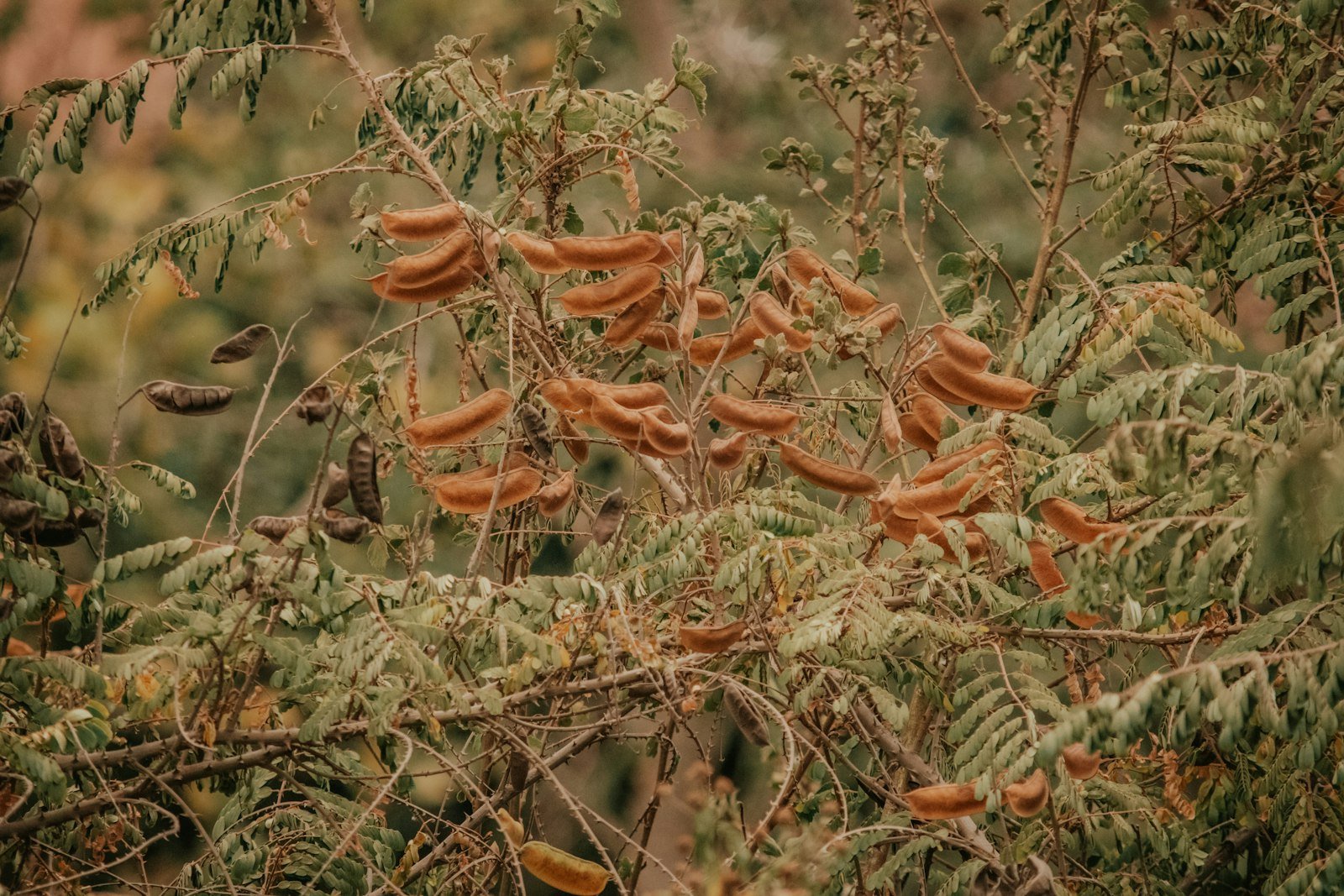
The pods are brown, brittle, and curve like overstuffed beans. Crack one and you find dark, sticky pulp wrapped around hard seeds. That pulp is the prize. It tastes sweet-sour-musky all at once, a bit like dates that have been argued with by a lemon. Coastal Kenyans have used it for centuries–brought across the Indian Ocean by Arab and Indian traders, then absorbed into Swahili cooking until it felt entirely Kenyan.
How Kenyan Cooks Use Ukwaju
In a Swahili kitchen, ukwaju does the job that lemon does elsewhere–but with more depth. Where a squeeze of lemon brightens, ukwaju brightens and rounds, giving sauces a slow-burning sourness that lingers on the tongue.
You will find it in:
- Mchuzi wa samaki: The classic coastal fish curry. A spoon of ukwaju paste cuts through the coconut milk and balances the chillies.
- Chutney na ukwaju: A sharp tamarind sauce served alongside crispy bhajia or grilled meat. Tamarind, garlic, sugar, salt, and a serious amount of pilipili.
- Maharagwe ya nazi: Some Mombasa cooks slip a small amount of ukwaju into coconut bean stew for backbone.
- Pilau adjustments: Not traditional, but a chef’s trick–a tiny bit of ukwaju in the broth deepens pilau the way a good red wine deepens a beef stew.
- Sherbet ya ukwaju: A chilled tamarind drink, sweetened and sometimes infused with cardamom, sold from coolers along the Mombasa beachfront.
- Achari preserves: Indian-Kenyan families use ukwaju in mango achari and date-tamarind condiments eaten with chapati.
How to Make Ukwaju Paste at Home
Buying ready-made tamarind paste is fine–but the homemade version, made fresh from the pod, is sharper, fruitier, and cheaper. Here is the method we use:
You will need:
- 200g whole ukwaju pods (about 1 cup once shelled), or 100g pressed seedless tamarind block
- 1 cup hot water (just off the boil)
- A fine sieve and a spoon
Method:
- Crack the pods and peel away the brittle outer shells. Pull off the long, papery veins running through the pulp.
- Drop the pulp (with seeds) into a bowl and pour over the hot water. Let it sit for 20 minutes–the pulp will soften and turn mushy.
- Squash the soaked pulp with your fingers or a spoon until it dissolves into the water. The seeds will separate.
- Pour the lot through a fine sieve, pressing hard to push the pulp through and leave the seeds and fibre behind.
- Scrape the underside of the sieve–that thick paste is gold. Stir it into the strained liquid.
You now have about 1 cup of fresh ukwaju paste. Stored in a clean jar in the fridge it keeps for two weeks; frozen in ice-cube trays, three months. Drop a cube into any stew or curry that needs a sour lift.
Three Quick Ways to Cook with Ukwaju Tonight
1. Coastal-style fish marinade: Whisk 2 tablespoons ukwaju paste with 1 tablespoon honey, 2 cloves crushed garlic, 1 teaspoon ground iliki, a pinch of salt, and 1 tablespoon oil. Coat a whole tilapia or fillets, rest 30 minutes, and grill. Serve with wali wa nazi.
2. Five-minute tamarind sauce: Blend 3 tablespoons ukwaju paste, 2 tablespoons brown sugar, half a teaspoon salt, 1 teaspoon roasted cumin, a green chilli, and a small bunch of dhania. Loosen with a splash of water. Eat with bhajia, mahamri, or samosas.
3. Ukwaju-glazed sukuma chicken: Stir 1 tablespoon ukwaju paste and 1 teaspoon honey into the pan during the last five minutes of cooking your usual chicken-and-sukuma stir fry. The sour-sweet glaze transforms a weeknight dish.
Where to Buy Ukwaju in Kenya
Whole pods are everywhere along the coast–Mombasa’s Marikiti Market, Old Town spice shops, Diani’s Tuesday market. In Nairobi, look in City Market, Eastleigh’s Indian grocers, or the bulk-spice aisle of Naivas and Carrefour. Pressed tamarind blocks (often labelled “tamarind paste” or “tamarind concentrate”) work too, but check the ingredients–the best brands list only tamarind and salt. Coastal cooks always reach for whole pods when they can.
Frequently Asked Questions
What does ukwaju taste like?
Ukwaju tastes sour first, then sweet, then slightly smoky–like a date that has been infused with lemon and a touch of caramel. It is sharper than vinegar but rounder than lime juice.
Is ukwaju the same as tamarind paste from the supermarket?
Yes–shop-bought tamarind paste is processed ukwaju pulp. Fresh-made paste from whole pods is brighter and more fragrant, but the pre-made jars are a fine shortcut.
Can I substitute lemon juice for ukwaju?
At a pinch, yes. Use lemon juice mixed with a teaspoon of brown sugar to mimic the sweet-sour profile. The result will be brighter but flatter–ukwaju has a depth lemon cannot match.
Is ukwaju healthy?
Tamarind is rich in tartaric acid, magnesium, and antioxidants. It is traditionally used along the coast as a digestive after rich meals–a small glass of sherbet ya ukwaju after a heavy biryani is the original Mombasa antacid.
The Sour That Sweetens Everything
Ukwaju is one of those ingredients that quietly does the heavy lifting in a coastal Kenyan kitchen. Once you start cooking with it, you notice how often it is doing the work behind the scenes–in your favourite tamarind sauce, in the fish curry from that Lamu guesthouse, in the cool drink your aunt makes on a hot December afternoon. Buy a few pods on your next coast trip, or grab a jar from your local spice shop, and let the tang find its way into your weeknight dinners.