
Ukwaju: How Kenyan Tamarind Brings Tang to Coastal Cooking
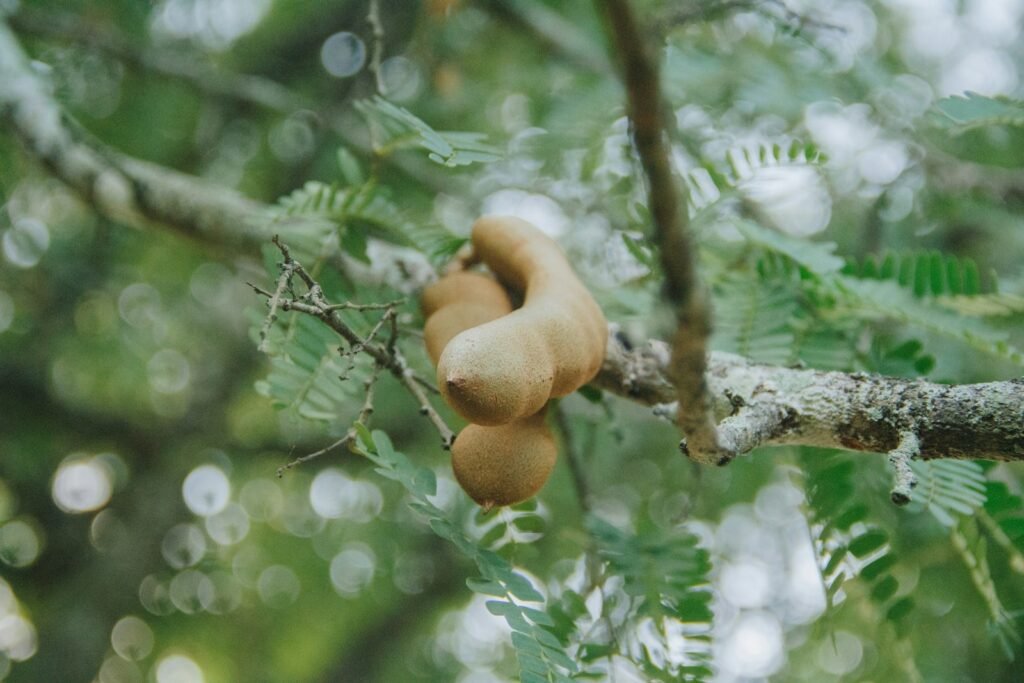
Ukwaju (tamarind) is the secret sour note in Kenyan coastal cooking. Learn how Swahili kitchens turn it into chutneys, stews, drinks and tangy snacks.
Iliki: How Cardamom Defines Kenyan Chai and Pilau
Iliki (cardamom) is the quiet hero of Kenyan cooking. Discover how the green pod flavours chai, pilau, mahamri and more across Kenya’s spice tradition.
Mahindi Choma: How to Roast Sweet Maize Like a Kenyan Street Vendor

Mahindi choma is Kenya’s most iconic street food. Learn how to roast sweet maize on charcoal, pick the right cob, and finish it the Kenyan way.
Ngwaci: How Kenyans Cook Sweet Potato and Why It’s a Highland Staple
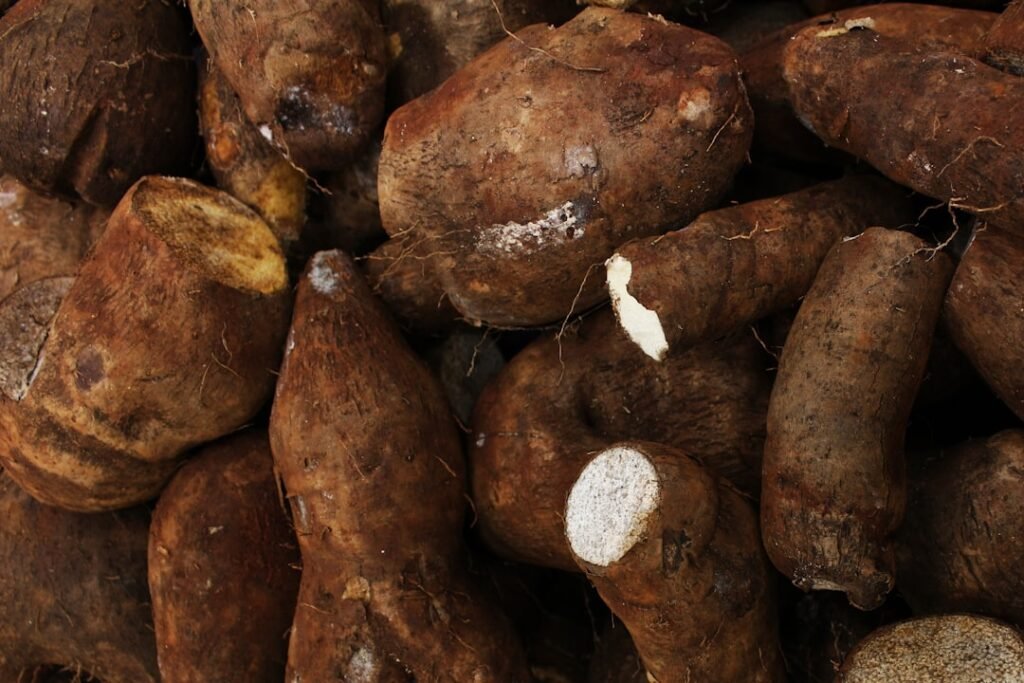
Discover ngwaci, Kenya’s beloved sweet potato. Learn how to boil, roast, and cook it in stews the Kenyan way, plus its cultural roots in the highlands and nutritional benefits.
Sukuma Wiki Recipe: How to Cook Kenya’s Favourite Green Perfectly
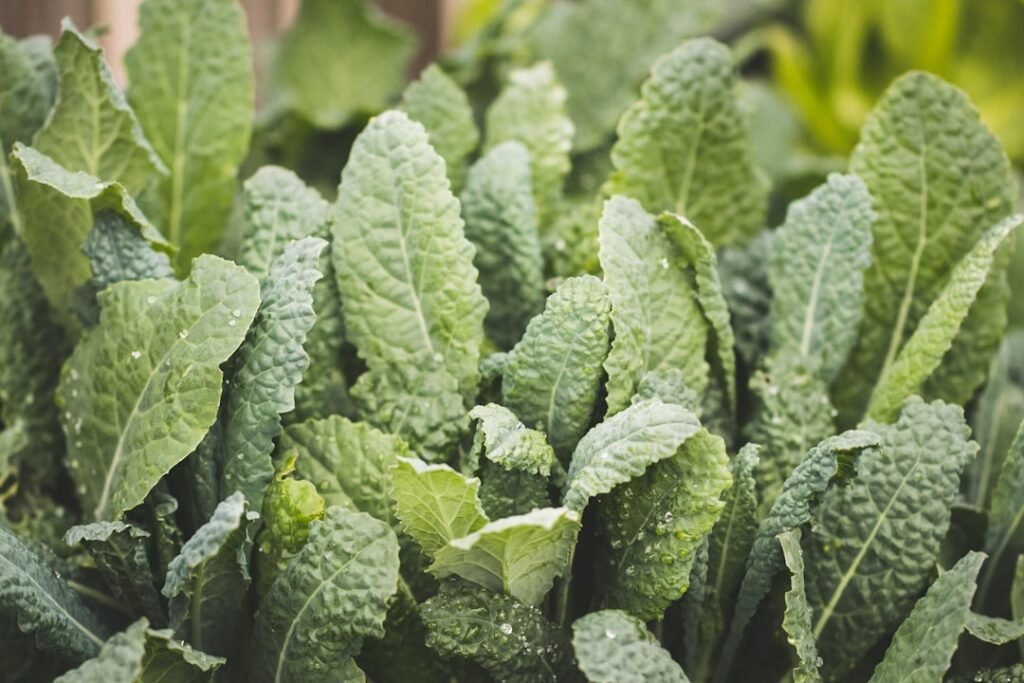
Learn the authentic sukuma wiki recipe — Kenya’s beloved collard greens cooked with onions and tomatoes. Ready in 25 minutes, this everyday side dish pairs perfectly with ugali.
Pilau Masala: The Soul of Kenyan Spice Cooking
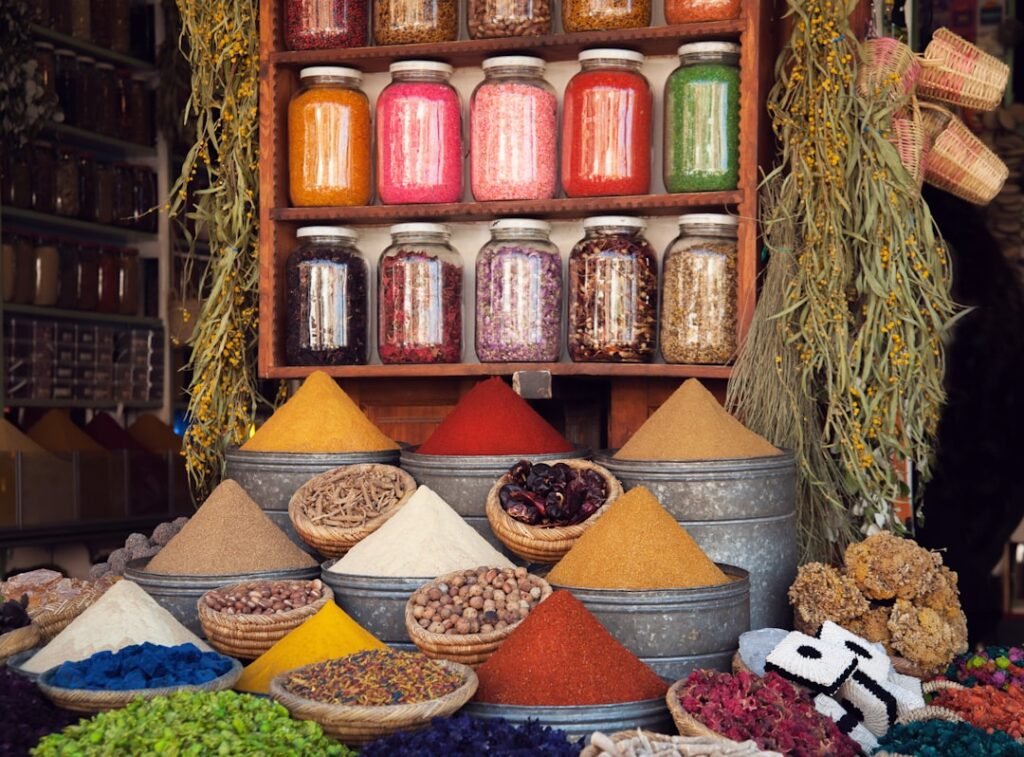
Discover the secrets of pilau masala — Kenya’s beloved spice blend. Learn what goes into it, how to make it from scratch, and how to use it beyond the classic pilau rice dish.
Sukuma Wiki Recipe: How to Cook Kenya’s Favourite Green Perfectly
Learn the authentic sukuma wiki recipe — Kenya’s beloved collard greens cooked with onions and tomatoes. Ready in 25 minutes, this everyday side dish pairs perfectly with ugali.
Sukuma Wiki Recipe: How to Cook Kenya’s Favourite Green Perfectly
Learn the authentic sukuma wiki recipe — Kenya’s beloved collard greens cooked with onions and tomatoes. Ready in 25 minutes, this everyday side dish pairs perfectly with ugali.
Spicing up Kenya: The Role of Aromatics in Kenyan Cuisine
Kenyan cuisine blends culture and traditions shaped by native customs and centuries of coastal trade. Central to its rich culinary heritage is food aromatics used to spice up meals to provide rich flavor. Spices such as garlic, ginger, and cloves elevate plain food to exquisite tastes. This blog explores the role of aromatics in Kenyan cuisine, their cultural and nutritional significance and how they continue to shape kitchens across the country. Coastal influence the spice trail lives on Coastal trade from Arabs, Indians, and Persians introduced aromatic spices that are still used in preparation of meals. Some of these spices are: Cloves – they add an earthy warmth to biryani dishes and sweets. Cardamom (iliki) – its citrusy flavor adds an aroma in pilau and chai masala. Cumin seeds – add earthiness in vegetable dishes and curries. Coriander – its seeds and fresh leaves balances flavor in dishes. These spices are toasted or grounded to release essential oils that reminds us of ancient spice trade history in Kenya. The backbone of flavor in Kenyan cuisine These ingredients are used as a base in countless Kenyan cuisine: Ginger adds warmth and depth to stews and marinades. Garlic provides sharp, savory undertones that balance richer meats like goat or beef. Onions whether red or white when caremelized well, add sweetness in every meal. These spices are sautéed in oil at the beginning of cooking in order to form a flavorful base, essential in both traditional and modern cuisines. Regional aromatics and their uses Highlands: herbs and roots In central Kenya, locals lean on rosemary, thyme and ginger root to flavor beef, chicken, and vegetable soups. These herbs like cooler highlands climate and add freshness to strong meals Rift valley and western Kenya: chili heat Regions like Kisumu and Eldoret also have green chili and coriander fresh added to provide a kick in stews and grilled meat, which reflects the regions’ preference for strong, pungent flavors. Health benefits of aromatics Garlic increases immunity and heart well-being. Ginger supports digestion and reduction of inflammation. Cardamom helps in mouth freshness as well as digestion. Cinnamon regulates blood sugar levels. Cloves are rich in antioxidants and anti-inflammatory compounds. These spices are not only used to make meals more flavorful but also essential to overall health. FAQs Q1. What are aromatics? Aromatics are herbs and spices such as cardamom, cloves or onions that add flavor, depth, and fragrance to dishes. Q2. Which are the most commonly used spices? Garlic, coriander, cumin, cloves, chili both in traditional and modern cuisine. Q3. How do you use aromatics in meals? Aromatics are usually toasted or grounded at the start of cooking to form a flavorful base and season food like pilau or Q4. Where can I buy authentic aromatics in Kenya? One can find spices in local markets within their locality or neighboring regions. Conclusion From the coastal spices to daily dishes cooked in ginger and onions, these aromatics create the country’s cultural cuisine. Aromatics in Kenyan cuisine isn’t just about making meals flavorful but tells a story of history, culture, and well-being. Whether drinking spiced chai masala in Mombasa or eating pilau in the vibrant Nairobi city life, the contribution ofaromatics is undeniable.
Traditional Kenyan Greens: Your Guide to Managu, Terere and Mrenda
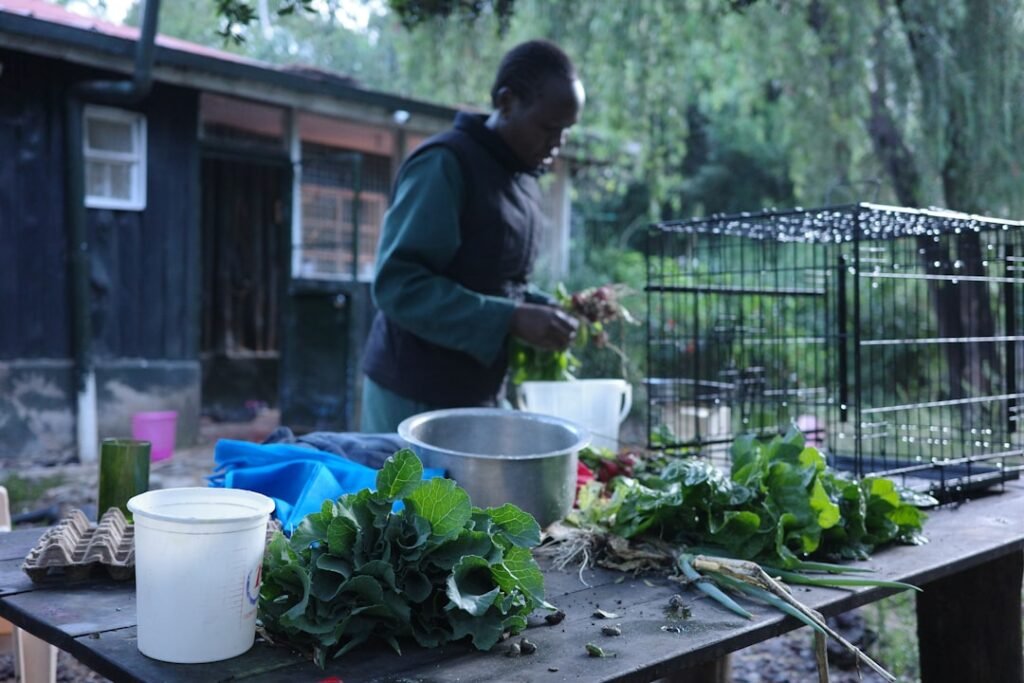
Discover Kenya’s traditional leafy greens — managu, terere, and mrenda. Learn how to cook them, where to find them, and why they’re essential to Kenyan cuisine.