The smell of onions softening in hot oil, the sizzle of tomatoes hitting the pan, the bright green flash of freshly sliced leaves — in kitchens from Nairobi’s Eastlands to the hillsides of Nyeri, sukuma wiki is the heartbeat of the Kenyan evening meal. This beloved dish is on more Kenyan tables, more evenings, than almost any other food we cook.
The name says it all. Sukuma wiki translates from Swahili as “stretch the week” — a nod to how generations of Kenyan families have relied on this affordable, nutrient-dense vegetable to round out a meal. But don’t let the humble reputation fool you. A well-cooked sukuma wiki recipe is deeply satisfying, flavourful, and one of the most comforting things you can eat alongside a mound of fresh ugali.
Whether you’re cooking it for the first time or returning to a childhood staple, here is everything you need to know about making authentic Kenyan sukuma wiki at home.
What Is Sukuma Wiki? Kenya’s Essential Collard Green
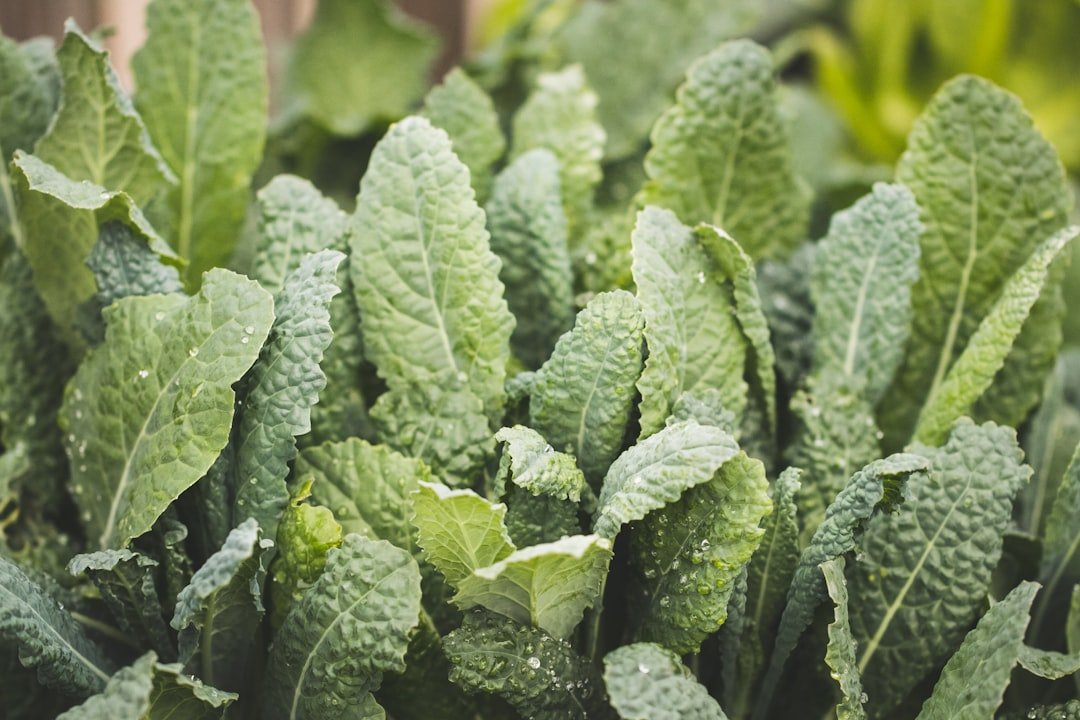
Sukuma wiki belongs to the Brassica oleracea family — the same botanical group as kale, cabbage, and broccoli. In Kenya, the term refers specifically to a variety of collard greens with broad, dark green leaves and a mild, slightly earthy flavour that softens beautifully when cooked.
You’ll find it piled high at every mama mboga (vegetable seller) stall across the country, sold by the bunch for a few shillings. It grows well in Kenya’s highland climate — particularly in Central Kenya, the Rift Valley, and parts of Nyanza — and is harvested year-round, making it as reliable as any ingredient in the Kenyan kitchen.
Nutritionally, sukuma wiki is exceptional. It is rich in vitamins A, C, and K, iron, calcium, and dietary fibre. For many Kenyan families, it is not just a flavour choice — it is a cornerstone of daily nutrition.
Sukuma Wiki Recipe: Ingredients
Prep time: 10 minutes | Cook time: 15 minutes | Serves: 4 | Difficulty: Easy
- 500g sukuma wiki (collard greens / kale), 1 large bunch
- 2 tablespoons vegetable oil or ghee
- 1 large onion, finely sliced
- 2 medium tomatoes, roughly chopped
- 1 garlic clove, minced (optional but recommended)
- Salt to taste
- ½ teaspoon turmeric or pilau masala (optional — adds warm colour)
How to Cook Sukuma Wiki: Step-by-Step
- Wash the leaves well. Rinse the sukuma wiki thoroughly under cold running water. Greens from the market often carry fine soil between the leaves.
- Prep the leaves. Stack several leaves together. Remove the tough central stem by folding each leaf in half and pulling or cutting the stem away. Roll the leaves into a tight cylinder and slice thinly into ribbons — this is the traditional chiffonade cut used across Kenyan kitchens.
- Heat the oil. Warm 2 tablespoons of oil in a sufuria (cooking pot) or large frying pan over medium heat until shimmering.
- Cook the onions. Add the sliced onion and cook, stirring often, for about 5 minutes until soft and just beginning to turn golden. This is where your flavour base builds — don’t rush it.
- Add garlic. Stir in the minced garlic and cook for 30 seconds until fragrant.
- Add tomatoes. Add the chopped tomatoes and cook for 4 minutes, pressing them down with your spoon, until they break down into a loose, saucy base.
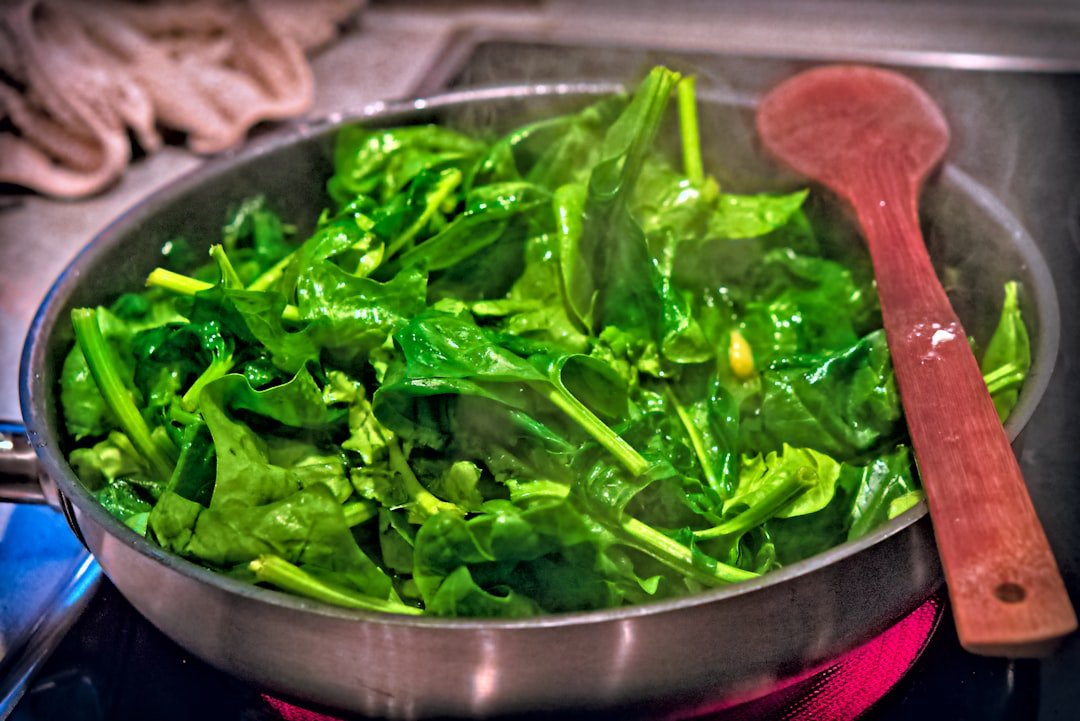
- Add the sukuma wiki. Tip in all the sliced greens and stir well to coat in the tomato-onion base. Season generously with salt.
- Cook until tender. Cover and cook for 5–7 minutes, stirring occasionally. The leaves should wilt fully and turn a deep, even green. If the pan looks dry, add a splash of water.
- Taste and serve. Adjust salt as needed and serve immediately — sukuma wiki is best eaten fresh and hot.
What to Serve with Sukuma Wiki
The classic pairing is ugali and sukuma wiki — Kenya’s most iconic food combination. The dense, neutral ugali is the perfect vehicle for the savoury, lightly spiced greens. Tear a piece of ugali, fold it into a scoop, and pick up the sukuma wiki in one smooth motion. It’s a technique every Kenyan learns early.
Sukuma wiki also works beautifully with:
- Boiled or fried rice — a common weekend variation
- Chapati — especially when the sukuma wiki has a generous tomato sauce
- Githeri (maize and beans stew) — a protein-rich, fully vegetarian meal
- Nyama choma (grilled meat) — sukuma wiki makes an excellent green side for a nyama choma spread
If you’re looking to explore more of the spices and aromatics that define Kenyan cooking, a small pinch of turmeric or cumin stirred in with the onions gives the sukuma wiki a warm, golden hue and deeper flavour.
Tips for the Best Sukuma Wiki
- Slice thin. Thin ribbons cook evenly and have a better texture than roughly torn or chunky pieces.
- Don’t overcook. Sukuma wiki should stay vibrant green and slightly toothsome — not grey and mushy. Pull it off the heat while it still has colour.
- Add meat for a heartier dish. Many Kenyan cooks add diced beef, minced meat, or smoked sausage. Brown the meat after the onions, then proceed with the tomatoes as usual.
- Use fresh tomatoes. Fresh, ripe tomatoes make a noticeably better sauce than tinned. In Kenya, the small, flavourful nyanya ndogo (cocktail tomatoes) give an especially sweet result.
- Cook on medium heat. High heat can scorch the onions before the tomatoes cook down. Patience here makes a sweeter, deeper base.
- Season at the end. Salt draws moisture from the greens. Adding it too early can make the dish watery — add it once the leaves are in the pan.
For a deeper understanding of cooking with kale and collard greens, including how different prep methods affect texture and flavour, BBC Good Food offers a useful breakdown that complements traditional Kenyan techniques well.
Frequently Asked Questions
What is sukuma wiki in English?
Sukuma wiki is the Swahili name for collard greens or kale. The phrase literally means “stretch the week,” reflecting how this affordable vegetable has long helped Kenyan families make their meals go further.
How long does it take to cook sukuma wiki?
Sukuma wiki cooks quickly — around 5–7 minutes once the leaves hit the pan. The entire dish, including prep, takes about 25 minutes from start to finish.
Can I add meat to sukuma wiki?
Yes. Many Kenyan households add diced beef, minced meat, or smoked sausage (smokies) to their sukuma wiki. Brown the meat after the onions before adding tomatoes, then proceed as usual.
What do you eat with sukuma wiki?
Sukuma wiki is most commonly served with ugali — Kenya’s ultimate comfort pairing. It also goes well with rice, chapati, boiled cassava, or githeri. For a complete Kenyan meal at home, try it alongside our simple chapati recipe.
Sukuma wiki is proof that the most enduring foods are rarely the most complicated. It asks only for fresh leaves, a hot pan, and a little patience with the onions. In return, it delivers something warm, nourishing, and unmistakably Kenyan — the kind of dish that turns an ordinary weeknight into something worth sitting down for. Try it once and you’ll understand why, across generations and regions, it remains on the table every single week.