Muratina: Kenya’s Ancient Fermented Drink Explained

Discover muratina, Kenya’s ancient fermented drink made from sugarcane and the wild Kigelia africana fruit. Learn how it’s brewed, its cultural role in Kikuyu ceremonies, and where to taste it today.
Sukuma Wiki Recipe: How to Cook Kenya’s Favourite Green Perfectly
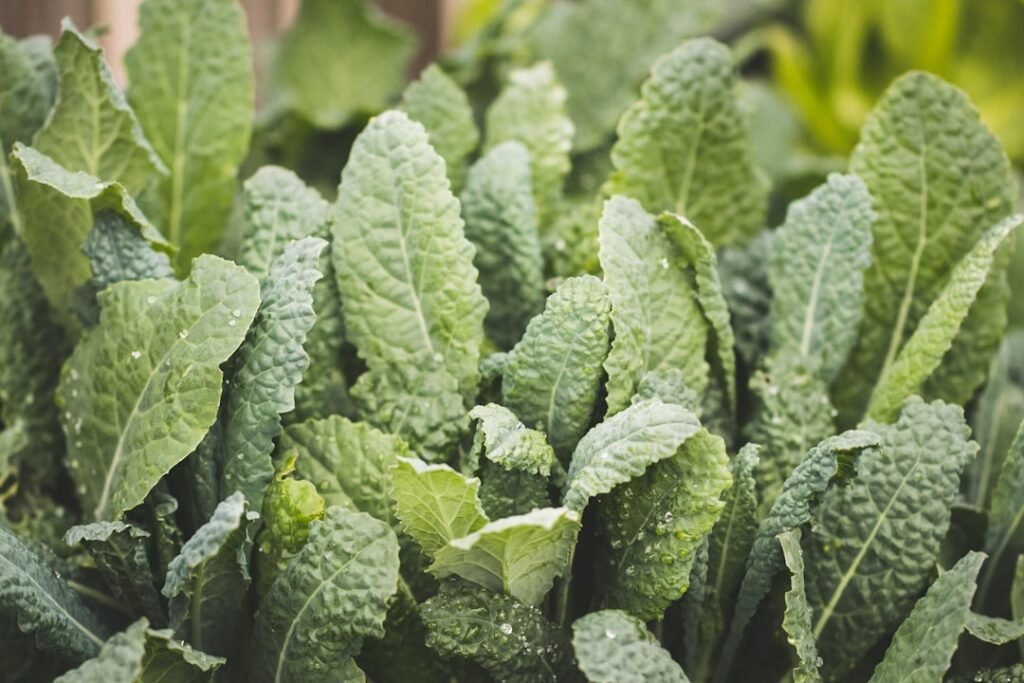
Learn the authentic sukuma wiki recipe — Kenya’s beloved collard greens cooked with onions and tomatoes. Ready in 25 minutes, this everyday side dish pairs perfectly with ugali.
Kenyan Easter Foods: What Families Cook for the Long Weekend

Discover Kenyan Easter foods — what families cook for the long weekend, from nyama choma and pilau to coastal biryani and regional traditions across Kenya.
Sukuma Wiki Recipe: How to Cook Kenya’s Favourite Green Perfectly

Learn the authentic sukuma wiki recipe — Kenya’s beloved collard greens cooked with onions and tomatoes. Ready in 25 minutes, this everyday side dish pairs perfectly with ugali.
Sip of Heritage: Exploring Traditional Kenyan Drinks from Various Communities

Kenya’s rich cultural diversity is reflected not just in its languages, music, or attire—but also in its drinks. From fermented milk enjoyed in the Rift Valley to sweet coconut brews along the coast, traditional Kenyan drinks tell stories of community, celebration, and heritage. These beverages are more than thirst quenchers; they’re cultural anchors passed down through generations. In this blog, we explore authentic drinks from Kenya’s communities, their local names, how they’re made, and the traditions surrounding them. 1. Mursik (Fermented Milk) – Kalenjin Community Mursik is one of Kenya’s most iconic traditional drinks, rooted in the culture of the Kalenjin people of the Rift Valley. It’s made by fermenting cow’s milk in a specially prepared gourd known as sotet. How it’s made: A dried gourd is cleaned and smoked using burning sticks from specific trees like senetwet or oseget to add a distinct smoky flavor. Fresh cow’s milk is poured into the gourd and left to ferment naturally for 3–5 days. The result is a thick, tangy, slightly sour drink often enjoyed during ceremonies, after hard labor, or by athletes after training. Local name: Mursik (Kalenjin)Cultural role: A symbol of hospitality and purity, mursik is served to guests, at weddings, and after circumcision ceremonies. 2. Mnazi (Coconut Palm Wine) – Coastal Communities Along Kenya’s coastline, particularly among the Swahili, Digo, and Giriama people, mnazi is a cherished traditional drink made from the fermented sap of the coconut palm. How it’s made: A tapper climbs a coconut tree and slices the flower stalk to collect the sap. The sap is stored in a calabash or plastic container, where it ferments naturally within hours due to the warm coastal temperatures. The drink is mildly alcoholic, refreshing, and sweet when fresh—but gets stronger with time. Local names: Mnazi (Swahili), Tembo ya mnazi (Coconut alcohol)Cultural role: Commonly served at coastal celebrations, weddings, and social gatherings. It symbolizes unity and relaxation. 3. Busaa (Fermented Grain Beer) – Luhya and Luo Communities Busaa is a traditional beer brewed mainly by the Luhya community. It is made by fermenting sorghum, millet, or maize flour. How it’s made: The grains are malted—soaked, germinated, and sun-dried. They’re then ground into flour and boiled with water to create a porridge-like mixture. The mixture is left to ferment for 2–3 days using natural yeasts. Once fermented, the drink becomes mildly alcoholic with a thick, earthy taste. Local names: Busaa (Luhya)Cultural role: A communal drink often shared in traditional ceremonies, dowry negotiations, and village meetings. 4. Uji wa Wimbi (Finger Millet Porridge) – Across Kenya This drink is both a beverage and a meal. Popular across communities—from the Kamba and Kikuyu to the Luo and Kisii—it’s made from finger millet (wimbi), known for its nutritional value. How it’s made: Millet flour is mixed with water to form a smooth paste. The paste is added to boiling water and stirred to prevent lumps. It’s sweetened with honey or sugar and flavored with lemon, cinnamon, or milk. Local names: Uji wa wimbi (Swahili), Obusera (Luhya), Kirario (Kikuyu)Cultural role: Served at breakfast, after childbirth, or to elders for nourishment. It’s one of Kenya’s most nutritious traditional drinks. 5. Togwa (Fermented Millet Drink) – Taita and Coastal Highlands Togwa, popular among the Taita and Swahili highland communities, is a mildly fermented porridge drink that resembles uji but with a tangy flavor. How it’s made: Millet or sorghum flour is mixed with water and boiled. The mixture is left to ferment naturally for 1–2 days. Sometimes sugar or honey is added for sweetness. Local names: Togwa (Taita/Swahili)Cultural role: A refreshing energy drink taken during farm work or on hot afternoons. 6. Muratina (Traditional Honey Brew) – Kikuyu Community Among the Kikuyu, muratina is a sacred traditional drink made from fermented honey and the fruit of the wild sausage tree (Kigelia africana). How it’s made: The muratina fruit is cut, dried, and boiled in honey and water. The mixture ferments for several days until naturally alcoholic. The drink is strained and served in calabashes during ceremonies. Local name: Muratina (Kikuyu)Cultural role: A vital ceremonial drink for weddings, blessings, and elder gatherings. It represents unity and ancestral connection. 7. Kamaria (Sweet Sorghum Drink) – Kamba Community Among the Kamba, kamaria is a naturally sweet sorghum-based drink consumed by both adults and children. It’s non-alcoholic, making it a staple in homesteads and celebrations. How it’s made: Sorghum grains are roasted and ground into flour. The flour is boiled with water and left to cool. Sometimes spiced with ginger or lemon for a refreshing twist. Local name: Kamaria (Kamba)Cultural role: A daily household drink symbolizing hospitality and abundance. 8. Mabungo Juice (Wild Fruit Juice) – Coastal and Taita Communities Mabungo, also known as passion fruit of the wild, grows in coastal Kenya. Its juice is a beloved traditional refreshment known for its tangy-sweet flavor and health benefits. How it’s made: Ripe mabungo fruits are split open and the pulp is extracted. The pulp is blended or mashed, then mixed with water and sieved. Sugar or honey is added for sweetness. Local name: Mabungo (Swahili), Mzung’u (Taita)Cultural role: A refreshing drink enjoyed during hot afternoons and communal meals. The Role of Traditional Drinks in Kenyan Culture Kenyan traditional drinks are deeply symbolic—they bring people together and mark life’s milestones. Whether it’s a muratina toast at a Kikuyu wedding, mursik shared after initiation, or a cup of uji in the morning, each drink carries meaning. Beyond tradition, many of these beverages are making a comeback in urban cafes and health shops due to their natural ingredients and nutritional value. Drinks like uji wa wimbi and mabungo juice are now celebrated as foods rich in vitamins, probiotics, and antioxidants. Conclusion Kenya’s diversity shines through its beverages as much as its food. From the fermented milk of the Rift Valley to coconut brews of the Coast, these drinks reflect centuries of wisdom, community, and flavor. As modern lifestyles evolve, rediscovering and celebrating traditional Kenyan drinks helps preserve the nation’s cultural identity—one sip at a
How to Cook the perfect Ugali
What is ugali? Ugali is a staple meal that is mostly made using maize flour and water. It is a basic meal that is found in almost all Kenyan homes. Ugali continues to be the core of everyday meals symbolizing the relationship of the Kenyan people and their land. Across East and South Africa, different countries have their own versions – sadza (Zimbabwe), nshima (Zambia), and posho (Uganda). But while it may seem easy to make, achieving the perfect texture – firm yet smooth – requires a guide. It all lies in balance – too much flour makes it dry and crumbly, too little makes it sticky. In this blog, we take you through on how to cook the perfect ugali. Ingredients To make ugali for 3 people 4 cups of water 2-4 cups of maize flour (unga ya ugali) – preferably medium or fine texture Instructions for the perfect ugali Bring water to boil – Boil 4 cups of water in a heavy pot. For the ugali to cook evenly, make sure that the water is boiling before you add the flour. Add maize flour – Lower the heat and slowly pour the maize flour, stirring steadily with a mwiko (wooden spoon). This prevents lump from forming. Continue stirring – When the mixture is becoming thicker keep stirring in a circular motion. The goal is to have an even texture that has a firm side but not too stiff. If there are still some lumps, break them off by pressing the sides of the pot. Cover and let it steam – When the ugali is detaching from the sides of the pot, use the mwiko to shape it into a mound. Lower the heat and cover the sufuria with a lid and let it steam for 3-5 minutes to give time for the center to cook. Enjoy it while it’s still hot – Put the sufuria at a slight angle and gently slide the ugali from the sufuria and place it on a clean plate. Serve it together with the side dishes that you prefer. What to serve with ugali Some dishes that you can enjoy with ugali are: Sukuma wiki (collard greens) – the most common dish of the daily meal. Nyama choma (grilled meat) – a weekend treat. Tilapia (fried fish) – a favourite that is common around Lake Victoria. Kunde (cowpeas) or Managu (African nightshade) – nutrient-rich plant-based meal alternative. The pairings bring out the different textures and flavours of ugali and thus it has become the most loved staple meal in Kenya. Perfect Ugali Tips Use the right ratio: the best water to flour ratio is approximately 2:1 but may change according to the flour brand. Don’t overstir: when ugali becomes thick, stir firmly but do not overdo it – it can become dry and crumbly. Use a heavy pot: light pans will stick and not heat evenly. Don’t forget to let it rest: give ugali time to steam so that it stays moist and firm. Experiment: put a knob of butter or milk for flavour change especially for kids. Nutritional benefits of ugali Ugali has a very high content of carbohydrates which are the primary energy source in the body. Adding vegetables or protein to your ugali will make the meal balanced and nutritious. Wholemeal maize is an extremely good source of fibre which is highly beneficial for the digestive system and energy. For an equally tasty and gluten-free option, you can try sorghum, millet, or cassava flour ugali. Conclusion Mastering the art of the perfect ugali cooking involves practicing, being precise, and having patience. There is something exciting about presenting a perfectly smooth and firm mound of ugali. The next time you are in the kitchen grab that mwiko, get involved in the stirring rhythm, and enjoy Kenya’s most beloved staple meal – one pot at a time.
How Climate Change is Shaping Kenyan agriculture

How climate change is shaping Kenyan agriculture The agricultural sector of Kenya contributes a larger percentage to its growth – more than 70% of the rural population is employed in this sector which makes a major contribution to the GDP. However, over the last few years, climate change has impacted the Kenyan agricultural sector through unreliable rainfall, long droughts, floods, and increasing temperatures. Due to climate change, the Kenyan farmers have changed their methods and have chosen different crops to grow. In this article we explore the impact, methods farmers are adopting, and the future of food security in Kenya. The harsh reality According to the Kenya Meteorological Department, Kenya’s has experienced severe weather fluctuations. Rainfall patterns have become increasingly unpredictable – alternating between dry spells and heavy downpours that cause floods leading to crop damage in farms and infrastructure. The Arid and Semi-Arid Lands (ASALs) that cover about 80% of Kenya’s land have been the most negatively impacted. Prolonged droughts in places like Marsabit and Turkana have led to lack of food, death of livestock, and immigration in search for water and food. However, the Rift Valley and Western Kenya which have been the major producers of food in the country are characterized by heavy rains that lead to flooding and landslides. This has led to: Decrease in production of maize, wheat, and beans. Higher rate of pest and disease occurrence. Increase in food prices and decrease in incomes. Local adaptation and innovation Though the farmers faced many challenges, they have still found ways to be innovative with methods such as – climate-smart agriculture. Some of the measures under climate-smart agriculture for crops and animals survival include: Drought resistant crops – these are crops that can grow without water and still be able to produce valuable yields. For instance the ‘DroughtTEGO’ maize variety that is commonly grown in Kitui and Machakos has demonstrated its ability to endure dry conditions. Several institutions like the Kenya Agricultural and Livestock Research Organization have innovated drought-resistant maize, sorghum, and millet varieties. Water harvesting and irrigation methods – for example, in Baringo solar-powered irrigation, rainwater harvesting tanks, and drip systems have become highly popular and are used by most of the farmers. Farmers use the water that has been stored from the rains to irrigate their fields during the dry months. Soil conservation and agroforestry – planting trees among the crops helps to control soil erosion and improve soil fertility. Vi Agroforestry Kenya and The Green Belt Movement are examples of such initiatives that not only promote reforestation but also help in carbon absorption. Digital climate solutions – iShamba and Farmers Pride are some of the mobile apps through which farmers can get weather forecasts, crop advice, and market information. These platforms have turned out to be very instrumental in providing information on rainfall patterns and thus, reducing crops loss. How climate change affects Kenya differently The rise in sea levels at the coast has led to infiltration of salt water in the farmlands. In areas of Kilifi and Lamu, farmers have resorted to using salt-tolerant crop varieties and have initiated the integration of aquaculture systems. The rising temperatures put the long-standing signature central highlands and rift valley regions cash crops like tea and coffee under stress. In this way, farmers have no other option but to select new varieties of plants like macadamia and avocado farming. Pastoralists in Isiolo, Mandera, and Turkana are gradually abandoning pure livestock farming for mixed farming – cultivating drought-resistant crops and keeping goats and camels which are most likely to endure in the dry areas. Government and community responses The Government of Kenya and various Non-Governmental Organizations have cooperated to develop climate-smart agriculture through different initiatives such as: Kenya Climate Smart Agriculture Strategy (2017-2026) – the strategy was put together to promote practices that are friendly to the environment such as conservation agriculture, water management, and improved seed systems. Climate-Resilient Agriculture Programs (World Bank) – the goal of this program is to support adaptation projects at the local government level as well as the training of farmers. Collaborations between counties – counties such as Nakuru and Kajiado have developed adapted weather change local policies mainly targeted at assisting smallholders to adjust to the changed weather patterns. Community-led initiatives – The Shamba Shape-up TV program, among other initiatives, has been a major factor in teaching farmers on climate adaptation methods. Climate change impact on the economy and society is beyond farming. It has led to: Rising costs, urban migration, and increased dependency on imported food. New economic opportunities have resulted from sustainable food such as Agritech startups, youth-led farming ventures, and agri-preneurs who are using innovation to drive change in agriculture. Businesses that focus on organic produce and digital agriculture are the ones that are mostly leading Kenya to a clean and better agricultural future. The future of Kenyan agriculture To ensure food security in Kenya, the country should be innovative and ensure the following: Investing in irrigation that runs on renewable energy sources. Training farmers on climate adaptation techniques. Scaling up insurance programs to protect smallholders. Training the youth in agritech and eco-friendly farming. It is important for Kenya to leverage science, technology, and the local knowledge to ensure a sustainable and climate-smart agriculture for generations to come. Conclusion Growing resilience for a lasting future is a call to create new ways. The climate crisis is only a challenge to show that the creative solutions can still turn the climate change impact into an innovative strategic plan. Training farmers and young people on smart agriculture will protect the country’s agricultural industry and ensure efficient food supply across the country. Follow the Kenyan Food Journal for me stories that connect sustainability and innovation in agriculture.
How to Make Authentic Kenyan Chai Masala at Home

What makes authentic Kenyan chai masala unique? Unlike plain tea, Kenyan chai masala isn’t just a drink – its black tea with a blend of warm spices and milk. It’s a daily ritual and a comfort that’s relaxing and make your taste buds want more. The key is in the spices – potent, aromatic, and extremely well-balanced. Although many different countries have their own variations of spiced tea, Kenyan chai masala is specifically famous for its balance – not too spicy, not too bland. Common spices include: Cloves (karafuu) – for a pungent, spicy kick. Ginger (tangawizi) – provides a zest and freshness. Cardamom (iliki) – gives the flavor of floral sweetness and a nice fragrance. Black pepper (pilipili manga) – just a little bit of heat that make the flavor stronger. Cinnamon (mdalasini) – brings a nice warm and deep flavor. In this blog, you’ll learn how to make it at home from selecting ingredients to mastering the brewing process. Ingredients Spice quantities can be changed as per your liking. 2 cups of milk (or a plant-based milk of your choice such as oat or soy milk) 2 teaspoons of Kenyan black tea leaves 3-4 cardamom pods (crushed) 1 small cinnamon stick 3-4 cloves One half inch of fresh ginger (grated or sliced) 1-2 black peppercorns (use it for an extra heat if you like) 2-3 teaspoons sugar (adjust according to your taste). Step-by-step instructions Boil the water and add spices – in a sufuria, add the water and bring it to a boil. Add your spices and let it simmer for 3-5 minutes for the fullness of the spices’ aroma. Add the tea leaves – in the boiling water add the black tea leaves. Let it boil for 2-3 minutes to get the black tea color and flavor. Add the milk – pour the milk in the sufuria and lower the heat to make sure it doesn’t overflow. Let it simmer gently for 5-7 minutes for a stronger flavor. Sweeten the chai – add sugar in the chai and adjust according to your taste. Stir the mixture until the sugar is completely dissolved. Strain and serve – use a mesh strainer to sieve and pour in the cups. Serve it hot and pair with mandazi, chapati or bread. Health benefits of chai masala Besides being very tasty, chai masala is an amazing healthy tea: Improves immunity: ginger and cloves have a lot of antioxidant substances. Aids in digestion: cardamom and cinnamon support gut health. Relieves stress: the aromatic blend is a natural relaxant. It enhances blood circulation: black tea and spices stimulate blood flow. The health benefits makes you enjoy flavor and wellness in one comforting cup. Tips for the perfect chai masala Use fresh spices: fresh spices that are crushed or sliced have more aroma. Simmer slowly: lower heat to avoid boiling the tea too– slow simmering allows the spices’ flavors to blend perfectly. Balance the spices: too much cloves or pepper will overpower the tea. Conclusion Home-made Kenyan chai masala is very simple to prepare. A handful of spices will do to have a daily moment of warmth at home. No matter if it is taken at the beginning of the day or in the evening, this recipe captures Kenyan cuisine—one cup at a time.
5 Star’s Feasts: Nairobi’s Luxury Restaurants

Introduction The bustling vibrant city life isn’t just about business and culture – Kenya it’s a culinary hotspot to Nairobi luxury restaurants. The city’s dining scene delivers world class experience from gourmet dishes, elegant ambience, and exceptional service. The city continues to redefine fine dining while showcasing Kenya’s vibrant culinary experience. In this blog, we highlight the top 5 star’s feasts that continues to brim Nairobi as a culinary hotspot. Talisman restaurant – Elegant fusion dining Located in Karen, Talisman is a favorite among locals and tourists alike. It’s a standout in Nairobi’s fine dining scene with its stylish garden setting, electric décor, and fusion menu. Signature dishes: Tuna tataki, lamb samosas, and vegetarian gnocchi. Ambiance: A mix of rustic and modern chic, perfect for both casual and romantic dining. Why its luxury: Talisman focuses on blending global fusion and local culinary and exceptional service. The Lord Erroll Restaurant – Classic fine dining If you’re seeking classic elegance, The Lord Erroll Gourmet Restaurant in Runda offers exquisite old-world experience. As an award winning cuisine with private dining rooms and well-manicured gardens – it’s the go-to spot for business executives, romantic couples, or diplomats. Signature dishes: Duck à l’orange, seafood platters, and soufflés. Ambiance: Sophisticated old English-style décor with chandeliers and serene outdoor setting. Why its luxury: The restaurant offers bespoke menu options and curated wine lists. Harvest Restaurant – Farm-to-fork at its finest Located at Village Market inside Trademark Hotel, it’s a restaurant that combines farm-to-table experience with five-star service. Its décor features open kitchens that’s modern and airy, and a wine room. Signature dishes: Seasonal salads, seafood pasta, and dry-aged beef cuts Ambiance: Chic urban setting with garden views. Why its luxury: Harvest emphasizes on locally sourced ingredients, organic produce, and sustainably raised meats. INTI – Nikkei Experience For a restaurant that brings a taste of Peru and Japan, it offers a unique dining experience with sweeping city views. It’s located in the One Africa Place in Westlands to bringing an experience of Nairobi’s skyline. Signature dishes: Ceviche, sushi platters, and Wagyu beef tataki. Ambiance: Sleek, modern interiors with panoramic windows and a vibrant nightlife vibe. Why its luxury: Its Nairobi’s first Nikkei dining experience blending South American flavours with Japanese precision. Seven seafood and grill – Ocean-inspired luxury It’s one of Nairobi’s premier spots for seafood lovers located at ABC Place and Village Market. It specializes in premium steaks, oysters, and fresh fish. Signature dishes: Oysters Rockefeller, Swahili lobster curry, and dry-aged steak. Ambiance: Its décor features a nautical-chic setting with elegant lighting. Why its luxury: The restaurant sources top-quality ingredients from Kenya’s coast and beyond. 45 Degrees Kitchen – Contemporary gourmet Located in Karen, the restaurant offers fine-dining experience with an emphasis on innovation. Its cuisine features European-inspired dishes, a menu that changes with the seasons with meals made from locally grown produce. Signature dishes: Hand-made pasta, fresh sorbets, and duck confit Ambiance: Minimalist elegance with an open kitchen and private dining areas. Why its luxury: Personalized service with a curated wine selection that elevates every meal. Hero Restaurant – Themed fine dining Located inside the Trademark Hotel, Hero blends culinary flair, comics, and art. It’s one of Nairobi’s trendiest luxury spots. Signature dishes: Wagyu sliders, creative sushi rolls, and bao buns. Ambiance: Funky, comic-inspired interiors with rooftop views. Why its luxury: It not only offers food but also a full thematic experience. What makes Nairobi’s luxury restaurants stand out World-class chefs: Many luxury restaurants in Nairobi have international chefs or train local talent to global standards. Locally sourced ingredients: Farm-to-table dining experiences ensure freshness, sustainability, and support Kenyan farmers. Ambiance and décor: The restaurants combine architecture, elegant interior designs, and exceptional service for immersive experiences. Cultural fusion: From Swahili to Peru precision, Nairobi’s fine dining is a fusion of local cuisine and global taste. Tips for experiencing Nairobi’s luxury restaurants Book in advance: Most spots fill up quickly, especially on weekends. Dress code: Most upscale restaurants have a smart-casual or formal dress code. Ask for pairings: Many luxury restaurants have a curated wine or cocktail pairings. Try local flavors: Even with world-class menus, you’ll find Kenyan ingredients in the menu. Conclusion Visiting Nairobi’s luxury restaurants is an immersive cultural experience. With exceptional culinary skill from world-class chefs, diverse menus, and unmatched ambiance, they make Nairobi a key destination for foodies and tourists alike. From the classic experience of The Lord Erroll to the skyline views at INTI, these restaurants continue to elevate Kenya’s reputation as a dining destination. The dining scene offers something for every palate from fusion cuisine, sustainable farm-to-table experiences, or seafood from the coast, you’re promised an unforgettable culinary journeys.
Mocktails & Cocktails: Kenyan-Inspired Drinks
Introduction Kenya’s diverse landscape and rich cultural heritage aren’t just reflected in food – they reflect in drinks as well. Kenyan-inspired drinks, from the tropical fruit mocktails of the coast to the spiced cocktails are perfect for any occasion. In this blog, we explore the unique drinks, ingredients, and tips to craft a drink that honors Kenya’s vibrant flavors. Why Kenyan-inspired drinks are unique Kenya’s lands are blessed with an abundance of fresh fruits, herbs, and spices that makes it easier to make this flavorful drinks. Think of the pineapples from Thika, coconuts from Kilifi, and passion fruits from Eldoret, or aromatic herbs grown in homesteads and farms. These local ingredients is what set Kenyan mocktails and cocktails apart from other bar offerings. Key ingredients in these drinks include: Tropical fruits: Mango, passion fruit, pineapple, and pawpaw Spices: Cinnamon, cardamom, ginger Herbs: Lemon grass, basil, fresh mint Local brews: Sugarcane juice, Kenyan honey, coconut wine (mnazi) These ingredients is what makes drinks vibrant, refreshing, and authentically Kenyan. Top Kenyan- inspired mocktails Mombasa pineapple-lime spritzer Inspired by coastal pineapples, this drink is sweet yet zesty. Ingredients: Pineapple juice, lime juice, a dash of ginger syrup, soda water Pro tip: Add grated coconut on the rim for a tropical twist Ginger tamarind twist The tangy depth of tamarind with Kenya’s beloved ginger. Ingredients: Ginger syrup, chilled water, tamarind pulp, honey, ice cubes Occasion: Perfect for guests as a welcome drink or as an afternoon energizer Passion fruit and mint cooler A bright and citrusy refresher for hot afternoons. Ingredients: Fresh passion fruit pulp, lemon juice, honey, sparkling water, mint Why it works: The tangy sweetness of passion fruit pairs well with mint’s cooling effect, a drink that reminiscent of Kenya’s highland gardens. Top Kenyan-inspired cocktails Safari sunset A perfect reflection of Kenya’s magical sunsets layered with color and flavour. Ingredients: Mango juice, passion fruit syrup, dark rum, grenadine Serving tip: Pour grenadine last for a layered ‘sunset’ effect. Coconut dawa martini A twist of the famous cocktail, dawa (‘medicine’ in Swahili) Ingredients: Coconut cream, vodka, honey, lime juice Why it works: Combines Kenya’s coastal coconut with the dawa honey-lime flavor. Mnazi mojito A coastal twist on the classic mojito using coconut wine Ingredients: Mnazi (coconut wine), fresh mint, lime wedges, soda water Pro tip: If mnazi isn’t available, use white rum with coconut water for a similar effect. Spiced Nairobi mule A local spice on the Moscow Mule. Ingredients: Vodka, ginger beer (locally brewed), lime juice, a pinch of chili powder Why it works: The chili kick reflect Nairobi’s vibrant street food culture Where to experience Kenyan-inspired drinks If you’re not ready to mix it at home, plenty of Kenyan restaurants and bars are embracing local flavors. Hero bar (Nairobi): Known for innovative Kenyan cocktails with indigenous ingredients. Tamambo Karen Blixen (Nairobi): Offers classic cocktails with a tropical twist. Jikoni Magic (Nairobi): A spot for creative fusion drinks and authentic bites. The Moorings (Mombasa): Enjoy coastal-inspired drinks with a sew view. Luxury Safari Lodges: Many lodges in Maasai Mara and Amboseli feature signature cocktails that highlight local herbs and honey. Tips for making mocktails and cocktails at home Use fresh ingredients: Local fruits and herbs ensure vibrant color and taste. Play with spices: Ginger, cinnamon, cardamom, and chili for a bold, unexpected flavors. Sustainability: Source ingredients from local farmers or organic markets for eco-friendly and fresher options. Presentation: Garnish your drink with tropical fruits like pineapple wedges, mint sprigs, or edible flowers. Balance sweetness and spice: Adjust the sweetness level of honey or syrup to complement the natural flavor as a base ingredients. Conclusion Kenyan-inspired drinks from sun-drenched beaches to lush highlands to combine exotic freshness with recognizable flavour profiles. These drinks are made to appeal to international audiences to bring the country’s spirit to your glass. Adding these beverages to a menu can attract health-conscious and adventurous customers alike. By using fresh ingredients and a dash of creativity, you can craft drinks that honor Kenya’s heritage while delighting modern palates.