The smell of fermentation drifts through the homestead on the morning of a Kikuyu wedding. Wooden gourds (ndutu) are set out, and elders gather to share muratina in Kenya — a tangy, slightly alcoholic brew that has fuelled celebrations in the central highlands for centuries. Made from sugarcane juice and the wild muratina fruit (Kigelia africana), this traditional drink is deeply woven into Gikuyu ceremony and identity. Yet it remains unfamiliar to many Kenyans outside the central region and nearly invisible to visitors. Here’s everything you need to know about Kenya’s most culturally significant fermented beverage.
What Is Muratina?
Muratina is a traditional fermented alcoholic drink from the Kikuyu people of central Kenya. The name refers both to the beverage and to the sausage tree fruit — Kigelia africana — that acts as the natural fermentation catalyst. Without this wild fruit, the brew simply doesn’t come together the same way.
The drink has a golden-brown colour, a pleasantly sour aroma, and a flavour that balances sweetness with sharp tang. Alcohol content varies depending on how long it ferments — typically ranging from mild (2–4%) to quite potent (6–8%) if left for several days. Unlike commercial beers, muratina is not filtered or pasteurised. It’s a living drink, still active with natural yeasts when served.
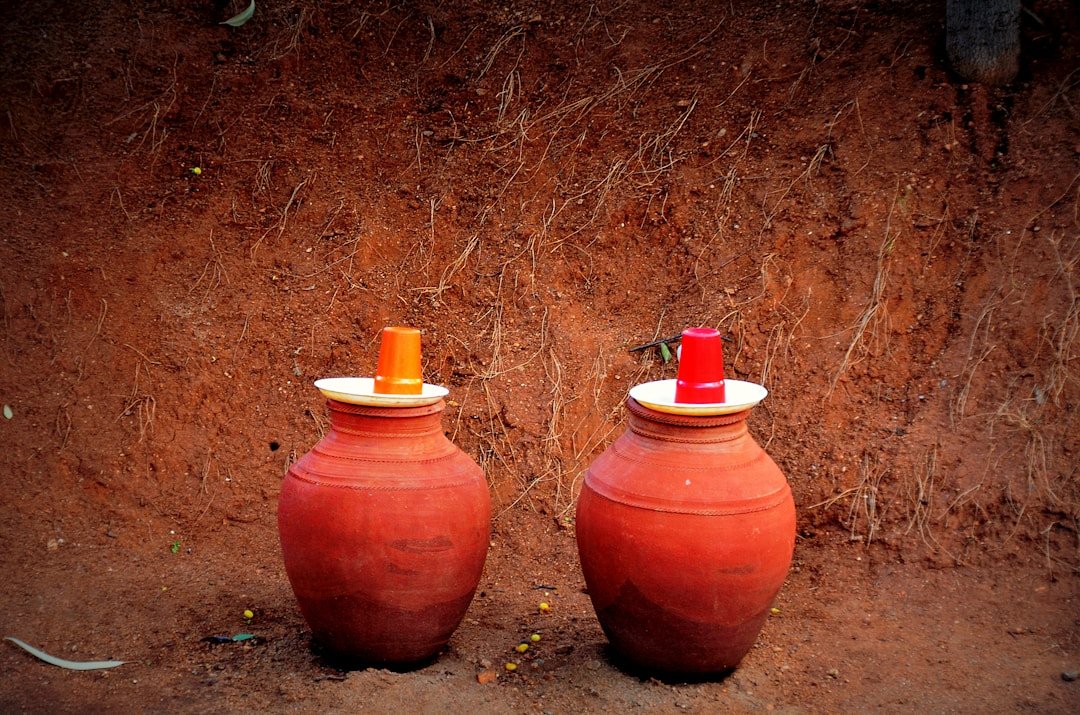
You’ll find it poured straight from clay pots or gourds into shared cups at ceremonies, a gesture of communal trust and belonging. While busaa (fermented porridge beer common in western Kenya) and chang’aa (a distilled spirit) are better known outside the Kikuyu community, muratina Kenya remains the ceremonial drink of choice in Murang’a, Nyeri, Kiambu, and Kirinyaga counties.
To understand how muratina fits into Kenya’s broader drink culture, explore our guide to traditional Kenyan drinks, which covers the full range of fermented and distilled beverages across the country.
The Muratina Fruit: Nature’s Fermentation Catalyst
The muratina tree (Kigelia africana), also called the sausage tree, is a striking species found across sub-Saharan Africa. Its long, sausage-shaped fruits can weigh up to 10 kilograms and hang on cord-like stems from towering branches. In East Africa, it grows naturally in riverine forests and woodland areas throughout central Kenya.
For the Kikuyu, this fruit is far more than ornamental. A small piece of dried muratina fruit is dropped into freshly pressed sugarcane juice to kick-start fermentation. The fruit’s surface carries wild yeasts and enzymes that interact with the natural sugars in the juice, transforming the liquid over 24–72 hours into something entirely different.
The role of the muratina fruit is so central that early colonial accounts frequently misidentified the fruit itself as the alcoholic ingredient, not understanding that it was the fermentation catalyst, not the sugar source. The fresh fruit is mildly toxic — another reason this brewing craft requires knowledge passed down through generations, not improvisation.
According to Taste Atlas, muratina is one of the most culturally distinct traditional beverages in East Africa, setting it apart from similar sugarcane-based brews found elsewhere on the continent.
How Muratina Is Traditionally Brewed
Brewing muratina is a craft refined over centuries. Traditional preparation follows these core steps:
- Harvest and press sugarcane. Freshly cut sugarcane (muwa) is crushed to extract juice. Some brewers add a small amount of honey or ripe bananas for additional sugars and depth of flavour.
- Add dried muratina fruit. A piece of the dried sausage tree fruit is submerged in the juice. The fruit’s wild yeast colonies begin colonising the liquid almost immediately.
- Ferment in sealed gourds. The mixture is poured into large gourds or clay pots and sealed. Fermentation takes 24 hours for a mild brew or up to 3 days for a stronger version. The warm highland temperatures of central Kenya are ideal — too cold and fermentation stalls, too hot and the drink over-sours.
- Strain and serve. The liquid is strained through cloth or fine mesh to remove solids, then served fresh. Muratina doesn’t keep long; it’s best consumed within a day or two of reaching the desired fermentation level.
Modern urban brewers sometimes substitute commercial yeast and bottled sugarcane juice, though those who grew up with the traditional version argue that only the Kigelia africana fruit delivers the authentic, earthy finish that defines real muratina Kenya.
The FAO’s research on traditional fermented foods in Africa recognises sugarcane-based fermented beverages as important cultural and nutritional assets across the continent, particularly in rural communities where they represent both ceremony and livelihood.
Muratina in Kikuyu Ceremony and Culture
To understand muratina, you have to understand its ceremonial weight. This is not a casual drink — though it is sometimes enjoyed socially at family gatherings. In traditional Gikuyu life, muratina was the drink of rites of passage and sacred obligation.
During circumcision ceremonies (irua), muratina flowed to mark the transition to adulthood. At wedding negotiations (ruracio), elders drank it as they discussed bridewealth arrangements. When making offerings to Ngai (God) at sacred sites on Mount Kenya, muratina was poured as libation into the earth.
Elders drank first — always. Sharing muratina signified trust, kinship, and acceptance. Being offered a gourd of muratina at a gathering was not something you refused lightly; declining implied you were an outsider or hiding something. The shared gourd was a bond.
Today, while formal irua ceremonies are less common in urban areas, muratina still appears at Kikuyu weddings, dowry negotiations, and rural family gatherings in Murang’a and Nyeri. Some cultural organisations in Nairobi have actively revived muratina brewing as a way of reconnecting urban Kikuyu with their roots — particularly among younger generations who grew up outside the highlands.
If you’re interested in how traditional foods and drinks feature in Kenya’s celebrations, our piece on Kenyan festive foods explores the dishes and drinks that mark the country’s biggest occasions. And for those interested in modern interpretations of Kenyan drinks, the best local drinks in Kenya guide is a great starting point.
Is Muratina Legal, and Where Can You Taste It?
Yes — traditional fermented drinks like muratina are legal to brew and consume in Kenya. Unlike chang’aa (illicit distilled spirits, which are regulated and often dangerous when made carelessly), muratina is a naturally fermented beverage and falls under customary practice for personal and ceremonial use.
Finding muratina outside of Kikuyu cultural contexts takes some effort. It’s rarely sold in shops or markets. Your best chances are:
- Rural homesteads in Murang’a, Nyeri, Kiambu, or Kirinyaga — where traditional brewing is still practised, especially around wedding season
- Cultural festivals in Nairobi — events celebrating Gikuyu heritage often feature traditional foods and drinks
- Community restaurants in Nairobi’s suburbs — a handful of establishments that celebrate Kikuyu culture occasionally serve muratina at special events
The Kenya Tourism Board recognises traditional brewing as part of Kenya’s living cultural heritage, and there’s growing interest in positioning authentic experiences like muratina tasting as part of cultural tourism circuits around Mount Kenya.
For another take on Kenya’s drink culture from a modern lens, our piece on Kenyan-inspired cocktails and mocktails shows how local flavours are making their way into contemporary bartending.
Frequently Asked Questions About Muratina
What does muratina taste like?
Muratina has a tangy, lightly sweet flavour with earthy undertones. It’s gently fizzy from active fermentation — similar to a cloudy kombucha or a mild farmhouse cider — and ranges from mildly to moderately alcoholic depending on how long it has fermented.
Is muratina the same as busaa?
No. Busaa is a fermented porridge beer common in western Kenya and among the Luhya and Luo communities, typically made from fermented sorghum or millet. Muratina is distinct — it’s a sugarcane-based brew specific to the Kikuyu people of central Kenya, fermented using the muratina fruit as a catalyst.
Can you make muratina at home?
Technically yes, if you have access to fresh sugarcane juice and a dried muratina (Kigelia africana) fruit. The fruit is the hard-to-source ingredient outside of central Kenya. Some enthusiasts substitute commercial yeast and achieve a similar result, though the flavour profile differs from the traditional version.
Muratina is one of Kenya’s best-kept cultural secrets — a brew that carries the flavour of highland sugarcane and centuries of Kikuyu ceremony in every gourd. As interest in Kenya’s food and drink heritage continues to grow, traditional brews like this deserve the same recognition as nyama choma or pilau. If you ever find yourself at a Kikuyu gathering and a gourd is passed your way, accept it with both hands. That’s how it’s done.