Ask any Kenyan cook what makes pilau (Kenya’s beloved spiced rice dish) taste so distinctly, unmistakably Kenyan, and they’ll point to one thing above all else: the masala. That fragrant, rust-coloured spice blend that clouds the kitchen with warmth the moment it hits hot oil is the beating heart of East African pilau — and once you understand it, your whole approach to Kenyan cooking will change.
This guide breaks down pilau masala from the ground up: what goes into it, why each spice matters, how to make it at home, and how to use it beyond the classic Swahili pilau recipe.
What Is Pilau Masala?
The word masala simply means “spice blend” in Swahili (borrowed from the Hindi/Urdu masālā). Kenyan pilau masala is a dry spice mix developed along the Swahili Coast — the narrow strip of Indian Ocean coastline that has been a melting pot of African, Arab, and South Asian flavours for over a thousand years.
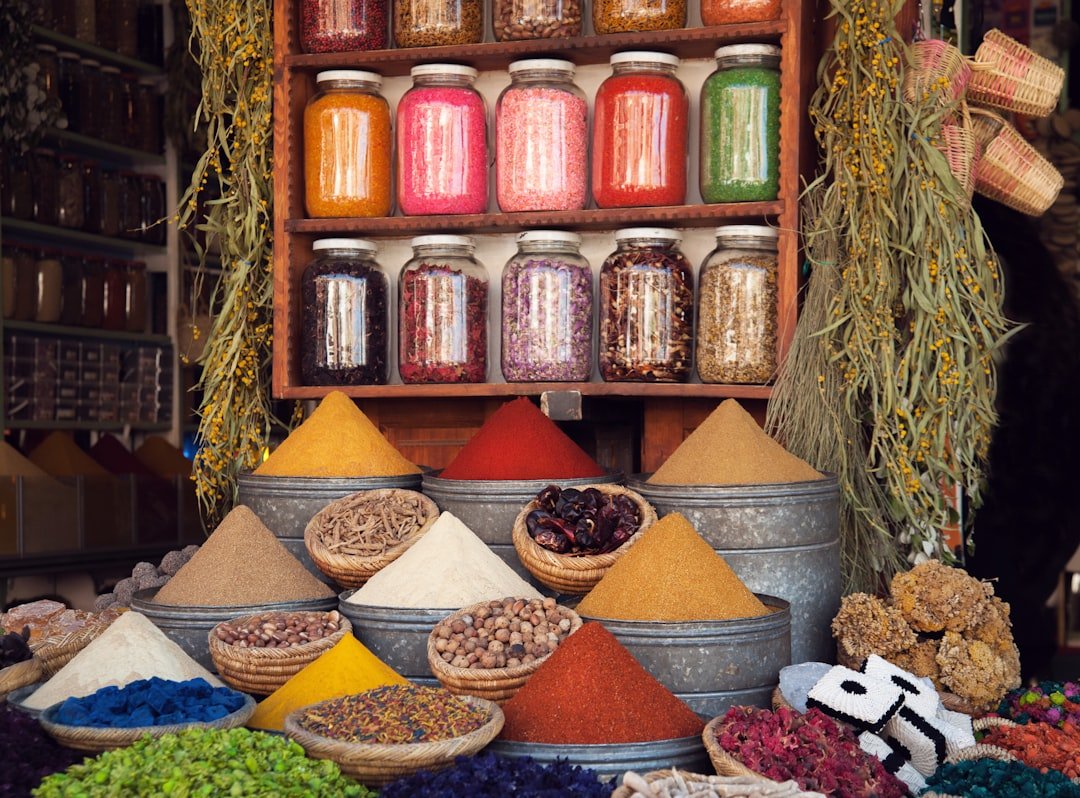
Mombasa, Lamu, and Malindi were historic spice-trading ports. Arab dhows (ngalawa) sailed in carrying cardamom from India, cloves from Zanzibar, and black pepper from the Malabar Coast. Local cooks blended these imports with indigenous aromatics to create the distinctly East African spice vocabulary that defines Swahili cuisine to this day.
Pilau masala is that vocabulary crystallised into a jar.
The Core Spices: What Goes Into Kenyan Pilau Masala
Unlike many spice blends that vary wildly by household, authentic Kenyan pilau masala has a recognisable core that most coastal cooks agree on.
1. Cumin — Jeera
Cumin seeds are the dominant spice in pilau masala. They bring an earthy, slightly bitter warmth that anchors the entire blend. Cumin is also celebrated for its digestive properties, which is why pilau is considered well-suited to celebrations and large gatherings where guests eat generously.
2. Black Pepper — Pilipili Manga
Black peppercorns add the sharp, penetrating heat that distinguishes Kenyan pilau from sweeter rice dishes. In Swahili coastal cooking, black pepper (pilipili manga, meaning “Indian pepper”) has been used for centuries as both flavouring and medicine. It amplifies the other spices and gives pilau its characteristic back-of-the-throat warmth.
3. Cardamom — Iliki
Green cardamom pods (iliki) contribute the floral, slightly citrusy note that makes pilau smell as good as it tastes. Many cooks crush the pods and add the whole thing — pod, seeds, and all — when making the spice blend, which releases both volatile oils and a lighter, more herbaceous tone.
4. Cinnamon — Mdalasini
Ceylon cinnamon (mdalasini) is preferred over cassia on the Kenyan coast for its delicate sweetness and lighter colour. A small amount balances the sharper spices and rounds the blend with warmth. Ceylon cinnamon was among the first spices traded from Asia to Africa through the Arab maritime network — a history you can literally taste in every pot of pilau.
5. Cloves — Karafuu
Zanzibar was once the world’s largest clove producer, and cloves (karafuu) remain deeply embedded in East African cooking. They add an intense, almost medicinal sweetness that is used sparingly — too many and they overwhelm everything else. Two or three whole cloves go a long way in a batch of masala.
Optional Additions
Many family recipes also include:
- Coriander seeds (mbegu za kotama): Add a citrusy, slightly nutty note
- Dried ginger (tangawizi kavu): Provides sustained heat and digestive benefits
- Star anise (anisi nyota): Occasional in more elaborate coastal blends
How to Make Pilau Masala at Home
Store-bought pilau masala is widely available in Kenyan supermarkets and dukas (small shops), but homemade masala is incomparably fresher and more aromatic. The process is simple.
Ingredients (makes approximately 4 tablespoons)
- 2 tbsp cumin seeds
- 1 tbsp black peppercorns
- 6 green cardamom pods
- 1 small cinnamon stick (about 5cm)
- 4 whole cloves
- 1 tsp coriander seeds (optional)
Method
- Toast each spice separately in a dry pan over medium-low heat until fragrant — about 30–60 seconds each. Do not let them smoke or burn.
- Cool completely on a plate before grinding. Hot spices trap steam and produce a bitter paste instead of a fine powder.
- Grind together in a spice grinder or mortar and pestle (kinu) to a moderately fine powder. Some texture is fine — it adds character.
- Store in a sealed jar away from direct light. Use within 3 months for best flavour.
Dry-toasting releases essential oils that dramatically improve aroma and depth compared to pre-ground commercial versions. According to Serious Eats, even 30 seconds in a dry pan can unlock an entirely different flavour profile from your spices.
How to Use Pilau Masala Beyond Pilau Rice
Pilau masala is extraordinarily versatile. While it is most famous for its role in authentic Swahili pilau, experienced Kenyan cooks use it in many other contexts:
- Nyama choma marinade: Rub onto nyama choma with oil, garlic, and salt before grilling for a deeply spiced crust
- Chai masala: A pinch in your Kenyan chai adds body and warmth on cold highland mornings
- Lentil stew (dengu): Stir a teaspoon into green lentils with onion, tomato, and coconut milk for a coastal-style side dish
- Roasted vegetables: Toss root vegetables — sweet potatoes, carrots, beetroot — with pilau masala and olive oil before roasting at 200°C
- Bean dishes: Add to githeri or black-eyed peas for deeper, more complex flavour
Pilau Masala and Kenyan Food Culture
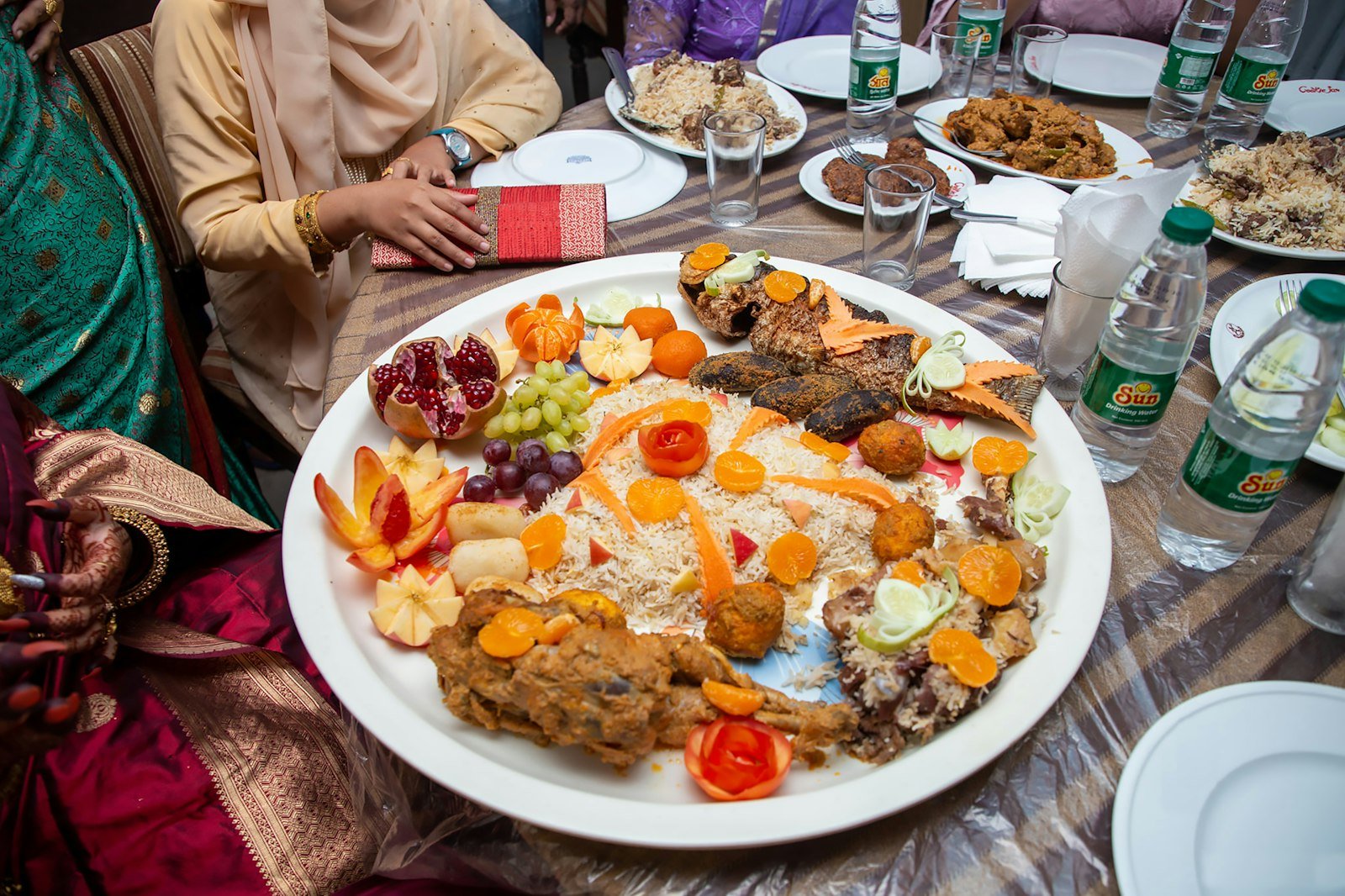
Pilau is not everyday food in most Kenyan households — it is a chakula cha sherehe (celebration food), reserved for weddings, funerals, graduation parties, and religious holidays like Eid al-Fitr. The care that goes into preparing pilau — from grinding fresh masala to slow-cooking the meat stock — signals respect for guests. Presenting a steaming pot of well-spiced pilau is a form of hospitality language that every Kenyan understands.
Understanding pilau masala is therefore not just a cooking skill; it is an entry point into understanding how Kenyan communities express care, identity, and pride through food. The TasteAtlas profile on Kenyan pilau offers a useful overview of how the dish sits within East African culinary heritage more broadly. And for those interested in the broader story of spice trading along the Swahili Coast, the Britannica entry on the Swahili Coast is a great starting point.
Frequently Asked Questions
What spices are in pilau masala?
Traditional Kenyan pilau masala includes cumin (jeera), black pepper (pilipili manga), cardamom (iliki), cinnamon (mdalasini), and cloves (karafuu). Some regional versions also add coriander seeds and dried ginger.
Can I make pilau masala at home?
Yes — homemade pilau masala is fresher and more aromatic than store-bought blends. Dry-toast whole spices separately, cool them, then grind together in a spice grinder or mortar and pestle. Store in an airtight jar away from direct sunlight for up to three months.
What is the difference between pilau masala and garam masala?
While they share some spices, pilau masala has a stronger cumin and black pepper base and is tuned for East African cooking techniques. Garam masala often includes nutmeg and mace, which are less common in coastal Kenyan blends.
How long does homemade pilau masala keep?
Stored in a sealed airtight jar away from heat and humidity, homemade pilau masala stays potent for up to three months. After that, the volatile oils dissipate and the flavour begins to fade, though it remains safe to use.