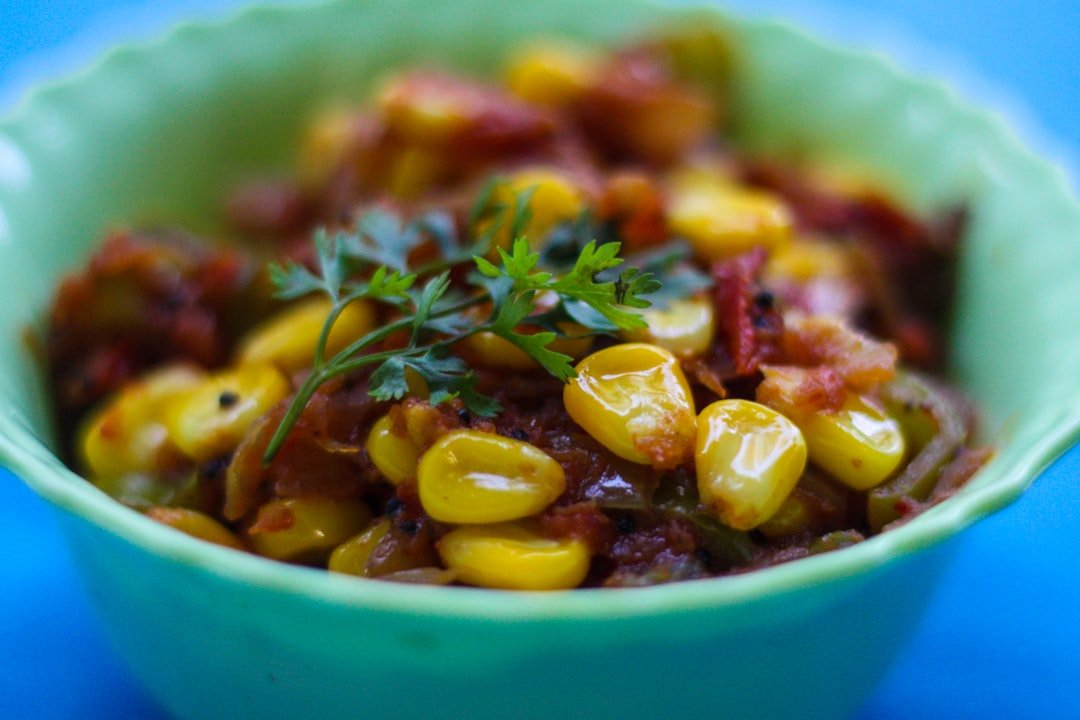
Close your eyes and imagine the smell of githeri simmering gently on a jiko — earthy maize, soft beans, a wisp of smoke, and the warmth of a Kenyan kitchen. Few dishes carry as much cultural weight as githeri in Kenya. From school canteens in Nairobi to farmhouses in Murang’a, this humble mix of boiled maize and beans has fed generations of Kenyans. Today, we’re sharing the full githeri recipe — both the simple boiled version and the deeply flavourful githeri masala that has everyone reaching for seconds.
What Is Githeri? Kenya’s National Staple
Githeri (pronounced gee-THEH-ree) is a traditional Kenyan dish made by boiling dried maize (corn) and beans together until tender. It is one of the oldest foods in Kikuyu culture, originating in Central Kenya’s highlands — the fertile land around Mount Kenya, Nyeri, Muranga, and Kiambu. Historically, githeri was the food of farmers and labourers, providing the caloric energy needed for long days in the shamba.
Today, githeri has transcended its Central Kenya roots. You’ll find it in school cafeterias from Mombasa to Eldoret, on restaurant menus across Nairobi, and in every Kenyan home during the week. In 2017, githeri became an unlikely internet sensation when a photo of a man eating githeri at a Kenyan polling station went viral — cementing its status as a true national symbol.
Githeri is more than just a recipe. It is a reminder that the most nourishing foods are often the simplest.
Githeri Ingredients: Simple, Wholesome, and Nutritious
The beauty of githeri lies in its simplicity. You need very few ingredients for the base version, and the masala variation adds aromatics and spices that elevate the dish completely.
For Basic Boiled Githeri (Serves 4–6):
- 2 cups dried maize (dried whole corn kernels / mahindi makavu)
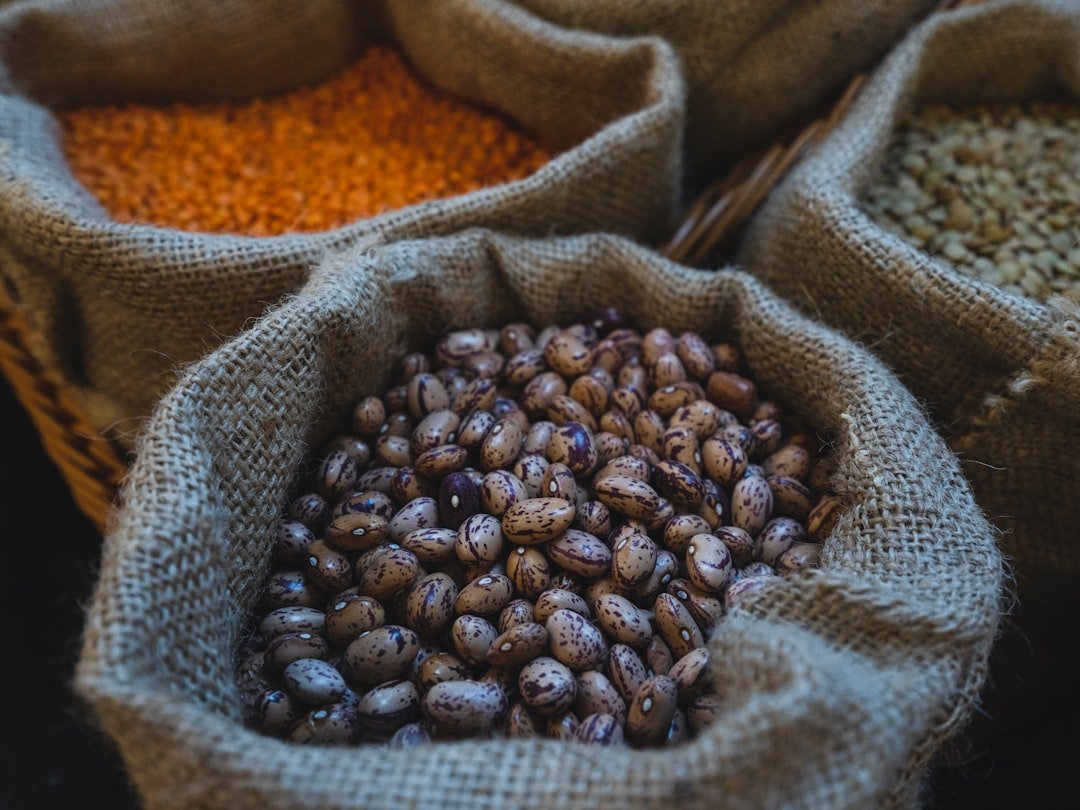
- 1 cup dried beans — red kidney beans, brown beans, or borlotti beans work best
- Water for soaking and boiling
- Salt to taste
For Githeri Masala (add to above):
- 2 tablespoons vegetable oil or ghee
- 1 large onion, finely chopped
- 2 large tomatoes, diced
- 2 garlic cloves, minced
- 1 teaspoon ginger, grated
- 1 teaspoon cumin (jeera)
- 1 teaspoon turmeric
- ½ teaspoon chilli powder (optional)
- Salt and pepper to taste
- Fresh dhania (coriander) to garnish
Optional add-ins: diced potatoes, carrots, green capsicum, or a handful of sukuma wiki stirred in at the end.
How to Cook Githeri: Step-by-Step
Patience is the secret ingredient in githeri. The soaking step is non-negotiable — it cuts cooking time in half and ensures both the maize and beans cook evenly.
Step 1: Soak Overnight
Rinse the maize and beans separately. Soak them in separate bowls of cold water for at least 8 hours or overnight. Maize is harder than beans and benefits from longer soaking — up to 12 hours if you have the time.
Step 2: Boil Until Tender
Drain the soaking water. Add the maize and beans to a large pot. Cover with fresh water — about 5 cups. Bring to a boil over high heat, then reduce to a medium simmer. Cook for 1.5 to 2 hours, adding more water as needed, until both the maize and beans are completely tender and the maize kernels have started to bloom slightly. Season with salt in the last 20 minutes of cooking.
Pressure cooker shortcut: Combine soaked maize and beans with 4 cups water in a pressure cooker. Cook on high pressure for 35–40 minutes. Allow to release naturally.
Step 3: Drain and Rest
Once cooked, drain off any excess liquid. Your basic githeri is ready to eat at this stage — serve as-is with a pinch of salt and a side of ugali or flatbread.
Githeri Masala: Taking It to the Next Level
Githeri masala transforms the boiled base into something genuinely spectacular. This is the version you’ll find in most Kenyan homes and small restaurants (known as vibandas or mama ntilie spots). The frying of onions, tomatoes, and spices is what Kenyans call kupika na mchuzi — cooking with sauce — and it makes all the difference.
- Heat oil in a large sufuria or deep pan over medium-high heat.
- Fry the onions until golden and caramelised, about 7–8 minutes. Don’t rush this step — the sweetness of properly caramelised onions is the foundation of the sauce.
- Add garlic and ginger. Stir fry for 1 minute until fragrant.
- Add the spices — cumin, turmeric, chilli powder. Stir into the oil for 30 seconds to toast them.
- Add tomatoes. Cook down for 5–6 minutes until they break down into a thick sauce. Season with salt.
- Add the cooked githeri to the masala base. Stir well to coat every kernel and bean. Add ¼ cup of water if needed to loosen the sauce.
- Simmer for 10 minutes on low heat, letting the githeri absorb all the flavours.
- Garnish with fresh dhania and serve hot.
For a deeper, more complex flavour, add a teaspoon of Kenyan spice blend or a small piece of cinnamon stick to the onions as they fry.
Serving, Storage & Regional Variations
Githeri is one of the most versatile dishes in the Kenyan kitchen. Here’s how to make the most of it:
- Serve with: Ugali, chapati, boiled sweet potatoes, or crusty bread. For a lighter meal, eat it on its own.
- Add protein: Stir in a handful of fried beef or chicken pieces to make githeri ya nyama.
- Coastal variation: Along the Kenyan coast, coconut milk is added to githeri for a richer, sweeter sauce — a beautiful fusion of highland and coastal traditions.
- Storage: Githeri keeps well in the fridge for up to 4 days. It actually tastes better the next day as the flavours deepen. Reheat on the stove with a splash of water.
- Freezing: Freeze in portions for up to 3 months. Great for meal prep.
Nutritionally, githeri is a powerhouse — the combination of maize (complex carbohydrates) and beans (plant protein) creates a complete protein profile, making it one of the most nutritious everyday meals in the world, according to food nutrition researchers at the Food and Agriculture Organization.
Frequently Asked Questions About Githeri
How long does githeri take to cook?
After overnight soaking, githeri takes about 1.5 to 2 hours to boil on the stovetop. In a pressure cooker, it is ready in 35–40 minutes. Soaking is essential — without it, cooking can take 3+ hours.
What type of beans are best for githeri?
Red kidney beans are the most common choice in Kenya. Brown beans, borlotti beans, or a mix of beans all work well. Avoid canned beans — dried beans give a much better texture and flavour in githeri.
Can I make githeri without soaking the maize?
Technically yes, but the cooking time increases significantly — up to 3–4 hours. The maize may also remain slightly chewy. Soaking overnight is strongly recommended for both flavour and efficiency.
Is githeri healthy?
Very much so. Githeri is high in plant protein, dietary fibre, complex carbohydrates, and essential minerals like iron and zinc. It is naturally gluten-free and low in fat, making it one of Kenya’s most nutritionally balanced everyday meals.
A Dish Worth Celebrating
Githeri is proof that Kenya’s greatest culinary treasures are often the most unpretentious. This is the food that fuelled the farmers who built the nation — simple, hearty, and full of life. Whether you enjoy it plain from the pot or dressed up in a rich masala sauce, githeri deserves a place at your table. Try this githeri recipe this week and taste a piece of Kenya’s edible heritage.
Looking for more Kenyan staples? Explore our guide to cooking perfect ugali or dive into the rich flavours of Swahili pilau from Kenya’s coast.