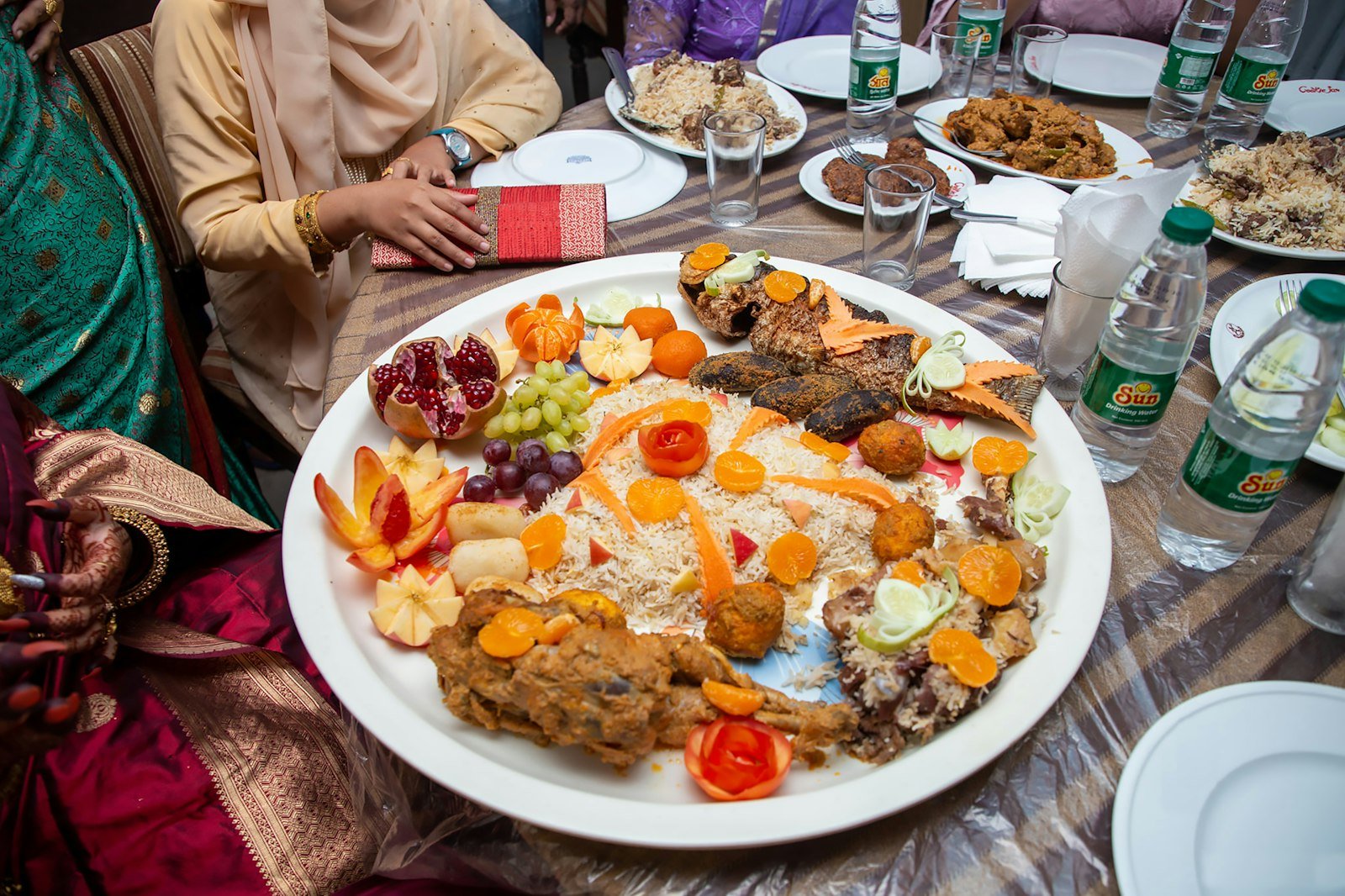
There is something that happens the moment you walk through the carved wooden doors of Mombasa Old Town. The sea air carries the scent of cardamom, charred meat, and the Indian Ocean — a combination that is uniquely Mombasa. As someone who moves between Nairobi and the UK, I find that no food experience in Kenya compares to the sensory richness of a slow afternoon eating through Mji Mkongwe, Old Town’s Swahili name meaning “the ancient city.”
The narrow streets of Old Town are home to some of Kenya’s most authentic Mombasa Old Town food culture — shaped by centuries of Arab, Indian, Portuguese, and East African influences. Whether you are a first-time visitor or a returning food lover, this guide will help you eat your way through it like a local.
The Pillars of Mombasa’s Swahili Food Culture
Coastal Kenyan cuisine is built around Swahili traditions — a rich culinary blend that sets it apart from inland cooking. The staples you will encounter throughout Old Town reflect this layered history:
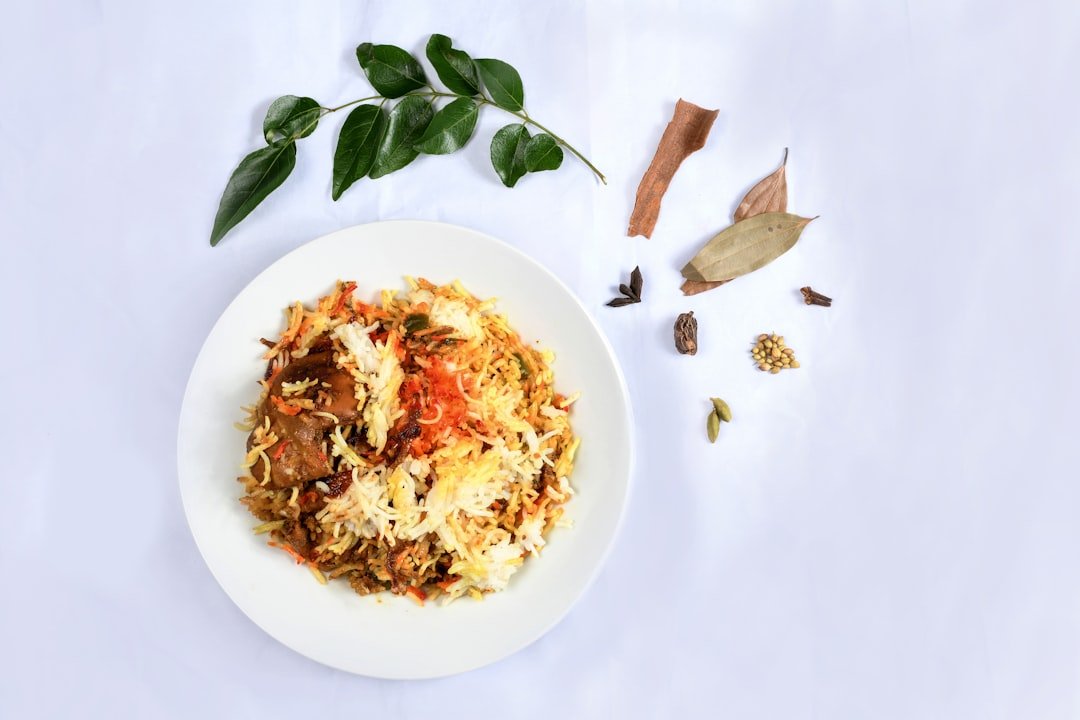
- Pilau (pee-lah-oo): Fragrant, slow-cooked rice seasoned with cinnamon, cloves, cumin, and cardamom. Mombasa pilau is denser and more intensely spiced than inland versions. You will smell it long before you see it. Explore this iconic dish in our authentic Swahili pilau recipe guide.
- Biryani: The coastal biryani is a celebratory dish — layered saffron-tinged rice, marinated meat, and raita (spiced yoghurt). Moister and more coconut-forward than South Asian biryani. See our full Kenyan biryani recipe to recreate it at home.
- Mahamri (mah-HAM-ri): Lightly sweet coconut milk doughnuts — the Old Town breakfast of choice. Eaten alongside mbaazi za nazi (pigeon peas in coconut milk sauce), they are extraordinary.
- Urojo (oo-ROH-jo): Mombasa’s beloved “mixture soup” — a thick, tangy broth loaded with bhajias, boiled potatoes, meat, and green mango. The coast’s answer to everything.
The Old Town Food Trail: Where to Eat
Stop 1: Jubilee Hotel & Café (Kibokoni Area)
Start early at Jubilee Hotel near the Old Harbour. This century-old institution serves the best mahamri and chai in Old Town. The mahamri here have a light, pillowy texture with just enough coconut sweetness. Order them with mbaazi za nazi and a cup of spiced chai. Breakfast does not get more Mombasa than this.
Pro tip: Arrive before 9:00 AM — the mahamri sell out fast.
Stop 2: The Street Stalls of Ndia Kuu Road
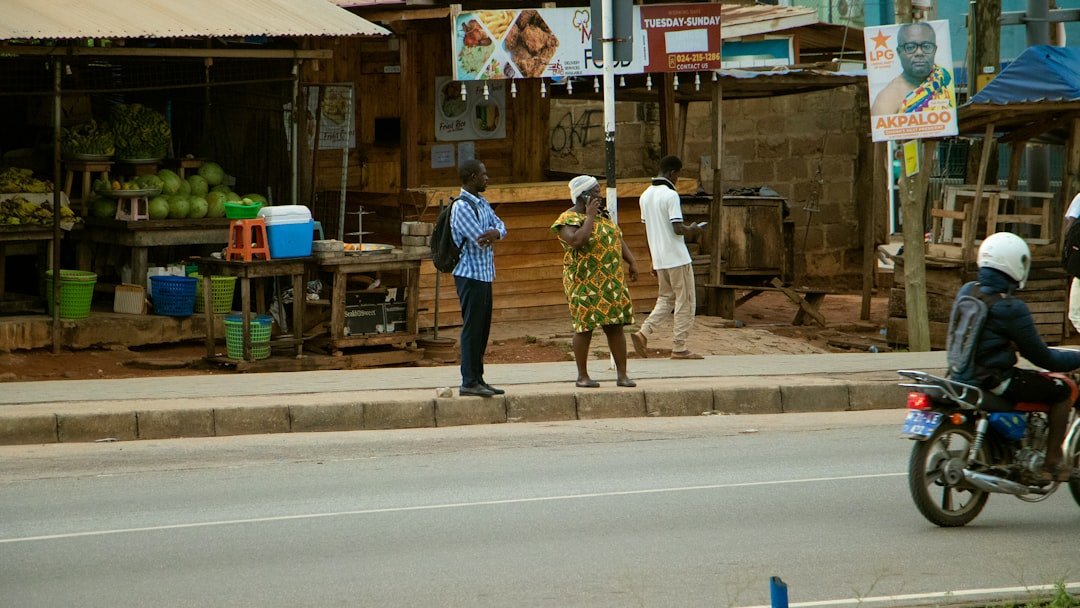
Ndia Kuu (“main road” in Swahili) is the artery of Old Town and its street food scene is extraordinary. By mid-morning, vendors sell samosas, mkate wa sinia (thick pan-baked Swahili bread), and roasted cashews from coastal trees. For urojo, look for the karanga carts — small pushcarts serving the iconic mixture soup for KSh 80–150 a bowl. Nation Africa’s food coverage has long celebrated urojo as one of Kenya’s most underrated street foods.
Stop 3: Seafood near the Old Port
Old Town’s proximity to the dhow port means remarkably fresh seafood. Several small restaurants near the Old Port serve grilled prawns, kamba wa kupaka (prawns in coconut milk sauce), and whole grilled fish (samaki wa kupaka) with coconut rice. This is coastal Kenya at its most honest — fish caught that morning, cooked simply with coconut cream, tomatoes, and spices. Pair with ugali and a squeeze of lime.
Stop 4: Pilau from a Home Kitchen (Mama Ntilie Style)
Some of the best pilau in Old Town comes from informal home kitchens where local women cook large pots for the neighbourhood lunch crowd. These are not restaurants — just plastic chairs, a handwritten sign, and the scent of roasting spices. A full plate of beef pilau with a cold tangawizi (ginger drink) runs about KSh 200–300. For more on Kenya’s remarkable food traditions, our guide to traditional Kenyan drinks across communities explores the beverages you will find alongside these meals.
The Sweets of Old Town: Ending on a High Note
No Mombasa Old Town food trail is complete without sweets. Look for:
- Halwa (HAL-wah): A sticky, rosewater-scented confection made from ghee and sugar — an Old Town speciality of Arab origin, often sold near Fort Jesus gate.
- Kashata: Pink and white coconut brittle — crunchy and lightly sweet.
- Vitumbua (vee-TOOM-boo-ah): Rice flour pancakes cooked in special round moulds, sold in the late afternoon near mosques.
These sweets mirror Kenya’s wider festive food culture. Explore what Kenyans eat during celebrations — many of the same coastal sweets appear at major festivities across the country.
Practical Tips for Your Old Town Food Visit
- Best time: Weekday mornings (8:00 AM – 12:00 PM) for the widest street food variety.
- Getting around: Old Town streets are too narrow for vehicles. Walk, or arrive by tuk-tuk at the Fort Jesus gate or Ndia Kuu entrance.
- Budget: KSh 500–1,000 covers a full food trail including mahamri breakfast, street snacks, pilau lunch, and sweets.
- Ramadan: Many vendors adjust hours during Ramadan. Visit after Iftar for a vibrant evening experience. The Kenya Tourism Board offers visitor guidance for planning your Mombasa trip.
Frequently Asked Questions
What is the most famous food in Mombasa Old Town?
Pilau and mahamri are the most iconic. Pilau — fragrant spiced rice with meat — is the dish most associated with Mombasa’s Swahili culinary heritage, while mahamri are the beloved coconut doughnuts eaten at breakfast.
Is Old Town Mombasa safe for food tourists?
Yes. Old Town is a well-visited area with active tourism infrastructure. Maintain standard urban awareness, travel in daylight, and you will have a wonderful experience.
What are the best times to visit for food?
Early mornings (7–10 AM) for mahamri and chai; midday (12–2 PM) for pilau and biryani; late afternoon for vitumbua and sweets. Friday afternoons are quieter due to Jumu’ah prayers.
Can vegetarians eat well in Old Town Mombasa?
Absolutely. Mahamri, mbaazi, vitumbua, cassava, and many coastal dishes are plant-based or adaptable. Ask vendors for bila nyama (without meat).
Conclusion
Mombasa Old Town is not just a food destination — it is a living archive of Swahili culture, trade history, and coastal identity. Every meal here tells a story older than Kenya itself. Whether you are biting into a fresh mahamri at sunrise or savouring a bowl of urojo on Ndia Kuu Road, you are eating food that has nourished this island city for centuries. The next time you find yourself in Mombasa, skip the hotel restaurant. Follow your nose into Old Town — the best meal of your trip is waiting.