The moment I stepped off the plane in Nairobi, something changed. A vendor near the arrivals gate pressed a warm, freshly fried mandazi into my hand, and I knew immediately that this city — and this country — would feed me in ways I had not expected. Kenya’s food culture is not about fine dining or curated menus. It is about community, abundance, and flavour forged over centuries of trade, farming, and coastal exchange. This Kenya food guide covers everything a first-time visitor needs: what to order, where to find it, and how to eat like you belong.
The Essential Kenyan Dishes Every Visitor Should Try
Before you explore regional specialties, these are the dishes that appear across the entire country and define everyday Kenyan eating:
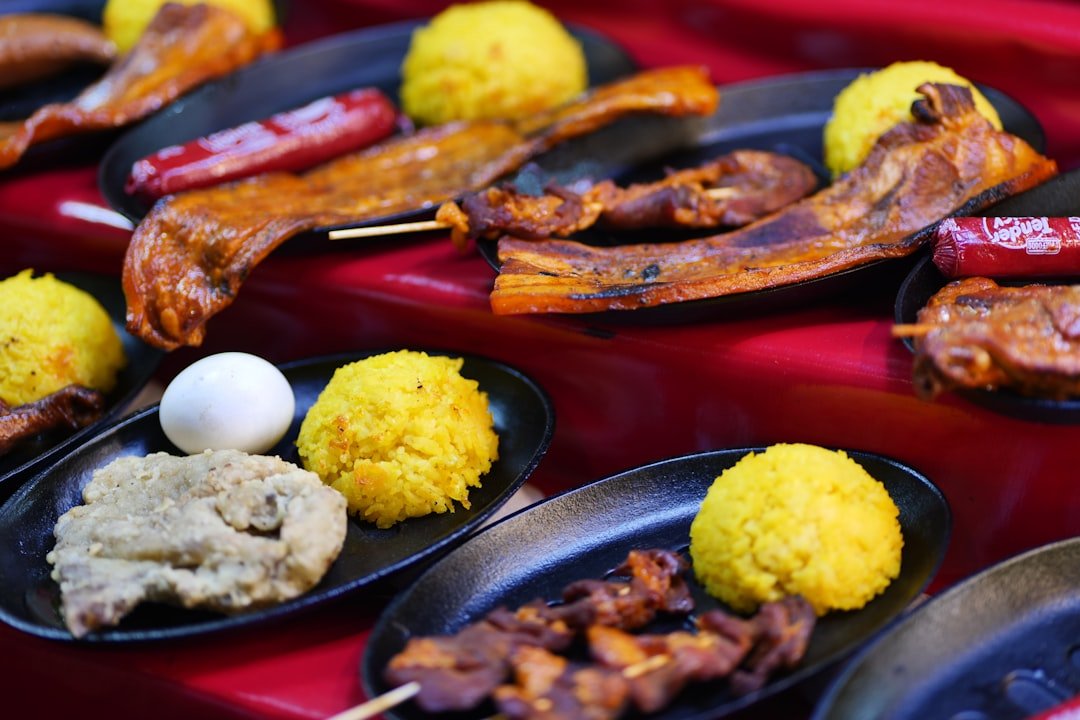
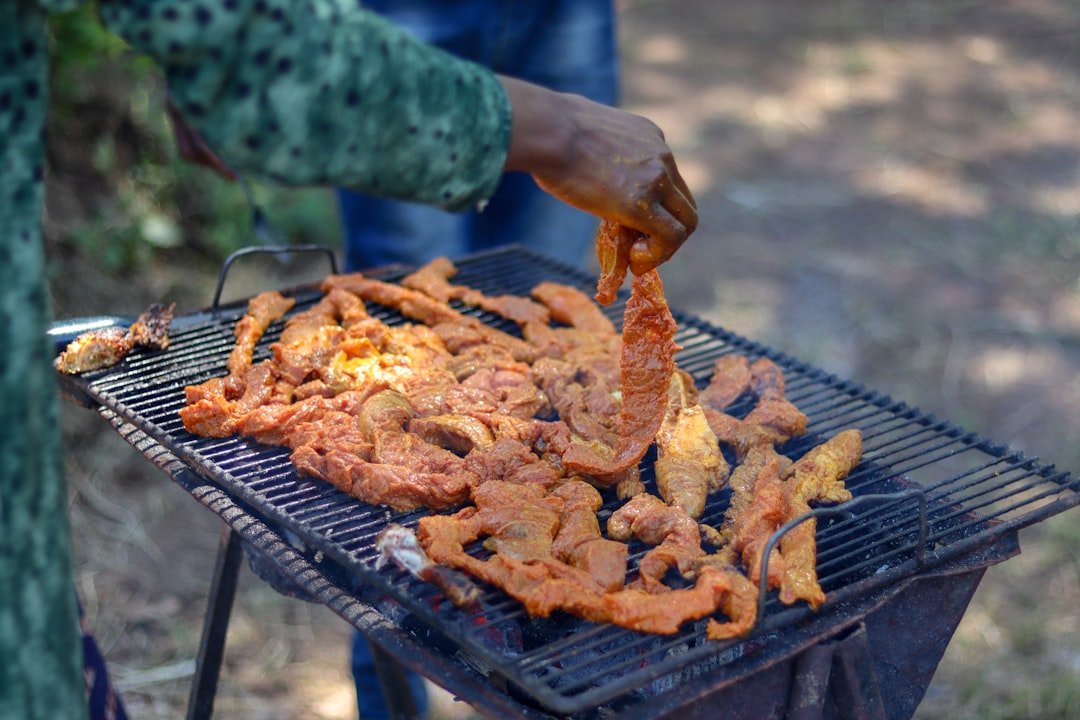
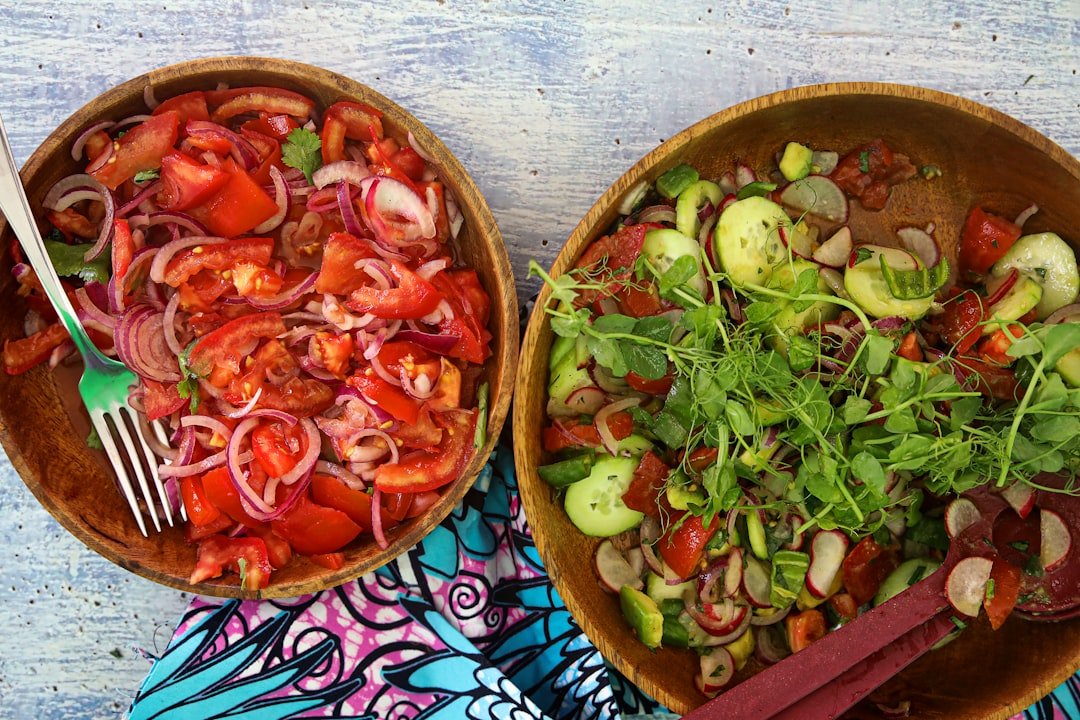
- Nyama choma — Literally “burnt meat.” Goat, beef, or chicken slow-roasted over an open flame, served with kachumbari (fresh tomato-onion salsa) and ugali. Every neighbourhood has its favourite joint, and disagreements about the best one can get spirited.
- Ugali — The cornerstone of Kenyan eating. A stiff maize flour dough cooked to a dense, smooth texture and eaten by hand. It is simultaneously the plate, the utensil, and the comfort food.
- Sukuma wiki — Sautéed collard greens with onion and tomato, served alongside ugali in nearly every household. The name translates loosely to “stretch the week,” a nod to its role as an affordable daily staple.
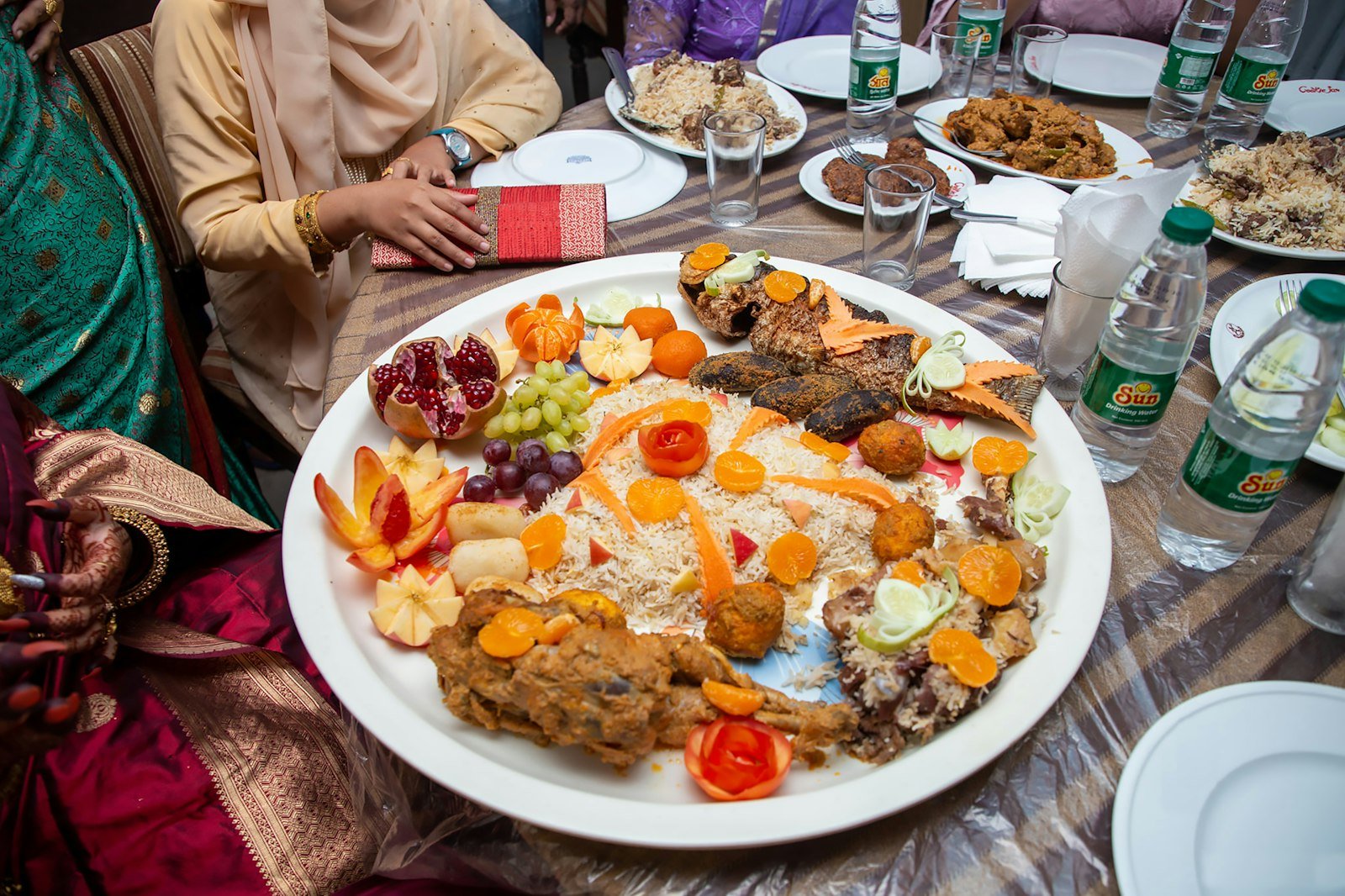
- Pilau — Fragrant long-grain rice cooked with whole spices, meat, and caramelised onions. The coastal version, shaped by centuries of Arab and Indian trade, is deeply aromatic. Understand the spice blend that makes it special in our guide to pilau masala.
- Irio — A Central Kenyan mash of green peas, potato, and maize, bright and earthy. A highland staple often served alongside braised meat or stew.
Kenyan Breakfast: Starting the Day Right
In Kenya, breakfast is built around a strong pot of chai — brewed hard with plenty of milk and sugar, sometimes with cardamom or ginger, always served in a large cup. Alongside your chai, expect:
- Mandazi — Slightly sweet fried dough, triangular or round, eaten plain or dipped in chai. The coastal version uses coconut milk for a richer bite. Try our authentic mandazi recipe when you get home.
- Chapati — Soft, layered flatbread that Kenya inherited from Indian Ocean trade routes and made entirely its own. Eaten for breakfast, lunch, or dinner, often with eggs or leftover stew.
- Uji — A thin, slightly sour millet or sorghum porridge. Earthy, warming, and genuinely nourishing. A staple in Kenyan homes even when rarely seen on tourist menus.
Explore the full range of Kenyan morning dishes in our Kenyan breakfast foods guide.
Street Food You Cannot Leave Without Trying
Nairobi’s streets are a food lover’s best classroom. The city runs on fried, roasted, and boiled snacks sold from roadside stalls, matatu stops, and open-air markets. Our Nairobi street food guide covers the best spots in detail. Here are the unmissables:
- Samosa — Crispy pastry filled with spiced minced meat or vegetables, fried to golden. You will find them at every market, school gate, and bus stop in the country.
- Mutura — Kenyan blood sausage stuffed with offal and spices, roasted over charcoal. Adventurous, genuinely filling, and one of those things you will remember years later.
- Mahindi ya kuchoma — A cob of maize grilled directly over coal, rubbed with lemon and chilli. Simple street perfection.
- Githeri — Boiled maize and beans, sometimes pan-fried with onions and tomatoes into something greater than its parts. Cheap, filling, and everywhere. Our githeri recipe shows how it is cooked from scratch.
Eating Across Kenya’s Regions
Kenya’s geography shapes its food in striking ways. Here is what to look for as you travel:
Nairobi: The capital is both a street food paradise and a city of serious restaurants. The legendary Carnivore Restaurant serves an all-you-can-eat selection of grilled meats — including game — carved tableside. Neighbourhood eateries offer the most authentic food at the best prices. The Kenya Tourism Board describes Nairobi as one of East Africa’s most dynamic culinary destinations.
The Coast (Mombasa, Malindi, Lamu): Coastal Kenyan cuisine carries centuries of Arab, Indian, and Portuguese influence. Expect coconut-rich curries, fresh seafood from the Indian Ocean, and biryani unlike anything served inland. Our Mombasa Old Town food trail maps the best eating in Mombasa’s historic district.
Western Kenya (Kisumu and Lake Victoria): The lakeside region is built on fresh tilapia — grilled whole, fried crispy, or braised in tomato sauce. Omena (dagaa), the tiny lake sardines, are fried with onion and are a cultural staple. Discover more in our Kisumu food guide.
Central Kenya (Nyeri, Thika, Nanyuki): Kikuyu food traditions anchor the highlands — irio, githeri, mukimo, and mursik (fermented milk from calabash gourds). TasteAtlas lists several Kenyan highland dishes among East Africa’s most culturally significant foods.
Practical Tips for Eating Well in Kenya
A few things that will help you eat well, stay safe, and connect with Kenyan food culture:
- Eat where locals eat. High turnover means fresh food. A full plate of ugali, sukuma wiki, and meat at a local eatery typically costs KES 150–250 (roughly $1–2 USD).
- Always accept chai. Being offered a cup is an act of hospitality. Saying yes is how connections begin.
- Food safety: Stick to cooked food from busy stalls. Bottled water is widely available. According to WHO food safety guidelines, hot cooked food carries the lowest street-level risk.
- Tipping: Not mandatory, but always appreciated. Ten percent at a sit-down restaurant is generous and warmly received.
- Learn a few Swahili food words. Ordering nyama choma, asking for ugali, or simply saying chakula (food) earns you smiles and, usually, a better experience.
Frequently Asked Questions About Eating in Kenya
What is the most popular food in Kenya?
Ugali and nyama choma are the two most iconic. Ugali — a stiff maize porridge — appears at nearly every meal, while nyama choma (grilled meat) is the social centrepiece of Kenyan celebration and daily gathering.
Is Kenyan food spicy?
Not typically. Everyday Kenyan cooking relies on aromatics — onion, tomato, garlic, ginger — rather than heat. Coastal cuisine uses more spices. Chilli is usually offered as a condiment rather than cooked in, so you control the level.
Can vegetarians eat well in Kenya?
Yes, very well. Githeri, irio, ugali with traditional greens like managu and mrenda, matoke, and maharagwe (kidney bean stew) are all meat-free staples found across the country.
How much does food cost in Kenya?
Local eateries serve full meals for under $2 USD. Mid-range Nairobi restaurants charge $5–15 per person. Tourist-facing and fine dining establishments can reach $30 or more. Kenya consistently rewards those who eat where locals eat.
Kenya is extraordinarily generous to curious eaters. Whether you are sharing ugali by hand at a plastic table outside a neighbourhood eatery or watching nyama choma carved tableside at a legendary Nairobi joint, every meal here carries culture, history, and warmth. Follow your nose through the markets, say yes to what you do not recognise, and let Kenya feed you properly.