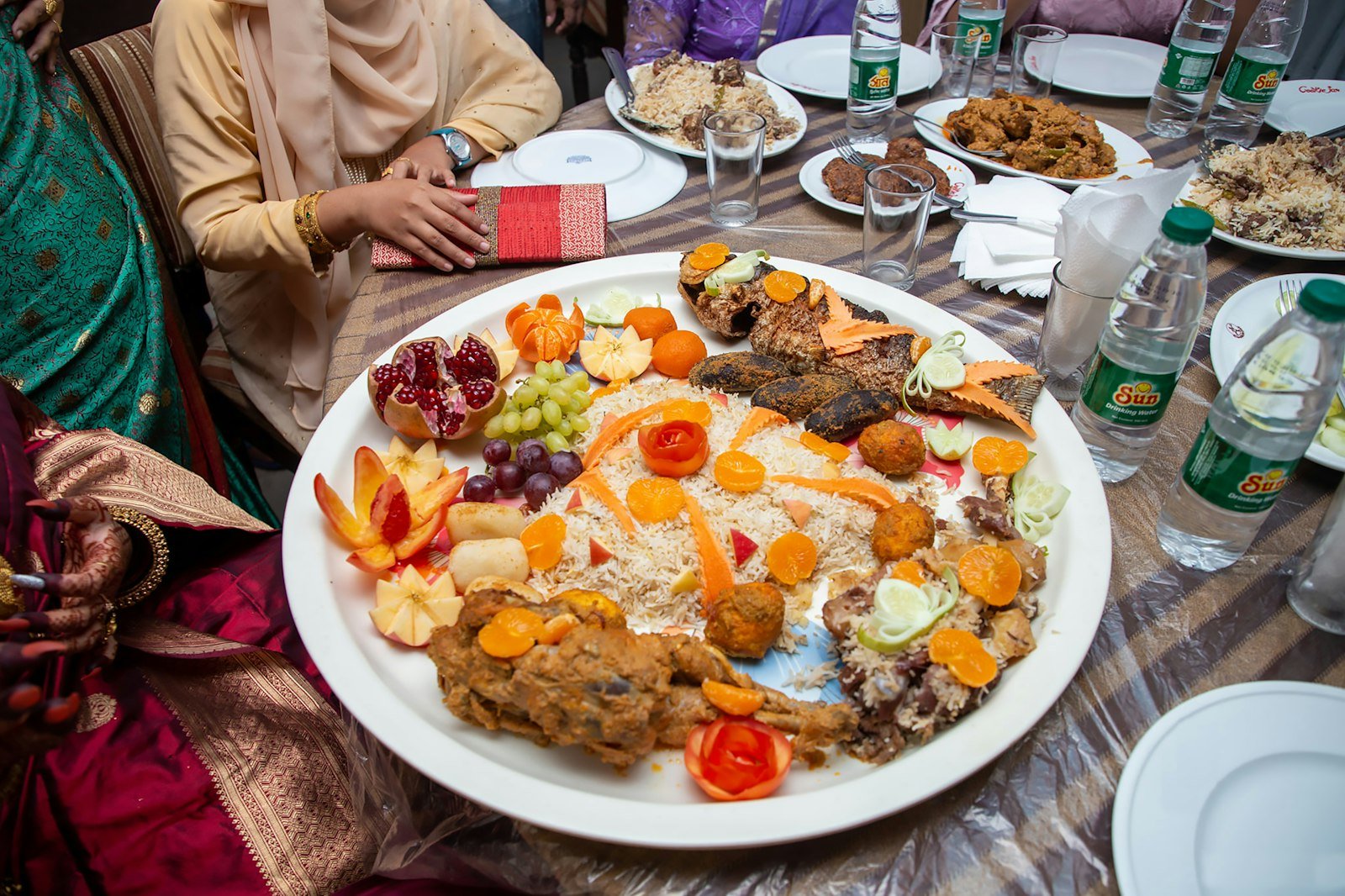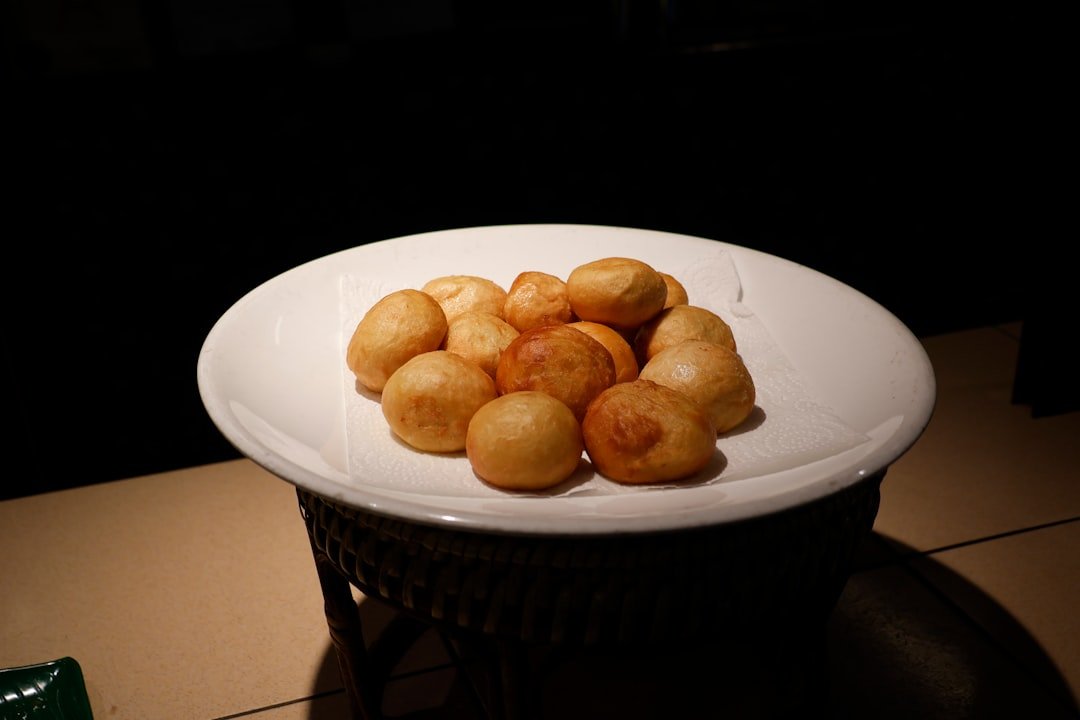
The moment mandazi hits hot oil, the whole kitchen fills with the sweetness of cardamom and coconut. You will smell them before you see them — golden, pillowy, and irresistible. For millions of Kenyan families, mandazi (maandazi) are as essential as Kenyan chai masala at breakfast. This mandazi recipe captures that classic flavour: soft inside, crisp outside, lightly sweet, and fragrant with iliki (cardamom).
What Are Mandazi?
Mandazi are East African fried bread — a Swahili Coast staple eaten for breakfast, as a mid-morning snack, or alongside tea in homes from Mombasa to Kisumu. Unlike Western doughnuts, mandazi are only lightly sweet. The real flavour comes from cardamom and coconut milk (maziwa ya nazi), giving them a delicately spiced, tropical note that is uniquely Kenyan.
You will find mandazi at every market stall, roadside kiosk, and family table across Kenya. Coastal versions lean heavier on coconut milk; Central Kenya variants sometimes use plain milk. Both are delicious — and both follow the same simple steps.
Mandazi Ingredients
This recipe makes approximately 20 mandazi, ideal for a family breakfast or a generous batch for guests.
- 2 cups all-purpose flour (plus extra for dusting)
- 2 teaspoons baking powder
- ¼ cup sugar
- ½ teaspoon ground cardamom (iliki)
- Pinch of salt
- ½ cup coconut milk (maziwa ya nazi)
- 2 eggs
- 1 tablespoon butter or ghee (samli), melted
- Neutral oil for deep frying (sunflower or vegetable)
Prep time: 15 minutes | Rest time: 30 minutes | Cook time: 20 minutes | Servings: ~20 pieces | Difficulty: Easy
Step-by-Step Mandazi Instructions
- Mix the dry ingredients: In a large bowl, combine flour, baking powder, sugar, cardamom, and salt. Stir well to distribute evenly.
- Add wet ingredients: Make a well in the centre. Pour in coconut milk, beaten eggs, and melted butter. Mix with a wooden spoon or your hands until a soft, smooth dough forms. Do not overmix — a slightly sticky dough is fine.
- Rest the dough: Cover the bowl with a clean cloth and let the dough rest for 30 minutes at room temperature. This step is essential — it relaxes the gluten and makes the mandazi softer and puffier.
- Roll and cut: On a lightly floured surface, roll the dough to about 1 cm (½ inch) thickness. Cut into triangles, squares, or circles. The traditional coastal shape is a triangle — cut a circle then halve it into three wedges.
- Heat the oil: Pour enough oil into a deep pan (kadai) for deep frying. Heat to 175°C / 350°F. Test readiness by dropping a small piece of dough — it should slowly rise to the surface and sizzle gently.
- Fry in batches: Carefully lower mandazi into the oil, 4–5 at a time. Fry for 3–4 minutes per side until deep golden brown. Do not overcrowd the pan.
- Drain and serve: Remove with a slotted spoon and drain on paper towels. Serve warm.

Tips for Perfect Mandazi Every Time
Mandazi are forgiving, but a few details make the difference between good and great:
- Never skip the rest: 30 minutes minimum. The rested dough handles better and puffs up evenly when fried.
- Watch your oil temperature: Too hot and the outside burns before the inside cooks. Too cool and the mandazi absorbs oil and becomes greasy. A kitchen thermometer is your best friend here.
- Keep them thin: Roll to 1 cm thickness. Thick dough produces dense, doughy mandazi.
- Coastal variation: Add a tablespoon of desiccated coconut to the dough, or a few drops of rose water for a floral note — common in Mombasa households.
- Inland variation: Substitute coconut milk with whole milk or buttermilk. The flavour is milder but the texture holds beautifully.
- Storage: Mandazi are best eaten fresh and warm. To reheat, place in a dry pan over low heat for 2–3 minutes or in an oven at 160°C for 5 minutes.
What to Serve With Mandazi
The classic pairing is mandazi with a strong, milky cup of Kenyan chai. The slight sweetness of the mandazi against the boldness of the tea is a combination Kenyans have loved for generations. Beyond chai, mandazi go well with:
- Fresh mango or sliced banana
- Uji (fermented maize or millet porridge)
- Njahi (black-eyed bean stew)
- Plain yoghurt with a drizzle of honey
If you are exploring other Kenyan breads, our simple chapati recipe and Kenyan biryani guide are worth trying next. For drinks to go with your breakfast spread, see our roundup of the best local drinks in Kenya.
Frequently Asked Questions
Can I make mandazi without coconut milk?
Yes. Substitute with the same quantity of whole milk or buttermilk. The flavour will be milder and less tropical, but the texture remains excellent.
Why did my mandazi turn out dense and heavy?
The most common causes are overmixing the dough or skipping the 30-minute rest period. Mix just until the dough comes together, then let it rest fully before rolling.
Can I bake mandazi instead of frying them?
You can bake them at 180°C for 15–18 minutes, but the result is closer to a soft bun than traditional mandazi. For the classic golden crust and airy texture, deep frying is the authentic method.
Are mandazi the same as doughnuts?
They are related but different. Mandazi use less sugar, are flavoured with cardamom and coconut milk, and have a chewier, denser texture. They are closer to East African beignets than Western ring doughnuts.
Mandazi are one of those recipes that feel like home the moment you make them. The dough is simple, the method is forgiving, and the result is something genuinely special — a taste of Kenya in every warm, golden bite. Try this mandazi recipe this weekend alongside a pot of fresh chai, and share them while they are still warm.