If you want to truly understand Nairobi, you have to eat your way through its streets. The city’s best flavours are not always found in upscale restaurants — they come from smoking jikos (charcoal stoves) on busy street corners, from market vendors who have perfected the same recipe for decades, and from mama mboga stalls where a plate of hot food costs less than a hundred shillings. Nairobi street food is bold, honest, and deeply rooted in Kenyan culture.
Whether you are navigating the city for the first time or you are a long-time resident looking for your next favourite spot, here is a guide to the street eats that define the capital.
The Classics: Nairobi Street Food You Cannot Miss
Some Nairobi street foods are so iconic they have become part of the city’s identity. These are the ones every local knows by heart.
Mutura — Kenya’s Original Street Sausage
Mutura is a traditional Kikuyu blood sausage made from goat or cow intestines stuffed with a seasoned meat mixture, then grilled over hot charcoal. The smell of mutura roasting over a jiko is unmistakable — smoky, meaty, and impossible to walk past without stopping. You will find mutura vendors around bus stages (matatu termini) and open-air markets, typically served with a pinch of salt and chilli powder. It is the kind of snack that tastes best eaten standing up, straight off the grill.
Viazi Karai — The Spiced Fried Potato
Viazi karai (Swahili for “fried potatoes in a pan”) are whole boiled potatoes dipped in a spiced gram flour batter and deep-fried until golden and crisp. Originally a coastal delicacy, they are now a Nairobi staple found across the city. Vendors serve them piping hot with tamarind chutney or kachumbari (fresh tomato and onion salsa). Find them near City Market and along River Road — the crunch when you bite through the crust is deeply satisfying.
Mishkaki — East African Skewered Meat
Mishkaki are marinated meat skewers grilled over an open flame — a street food tradition shared across East Africa. In Nairobi, mishkaki stalls typically come alive in the evenings, particularly in Westlands and along Parklands Road. The meat — usually beef or goat — is marinated in garlic, ginger, cumin, and chilli, then charred just right. Pair them with a cold Tusker and you have the unofficial Friday-evening ritual of thousands of Nairobians.
The Best Nairobi Street Food Spots by Area
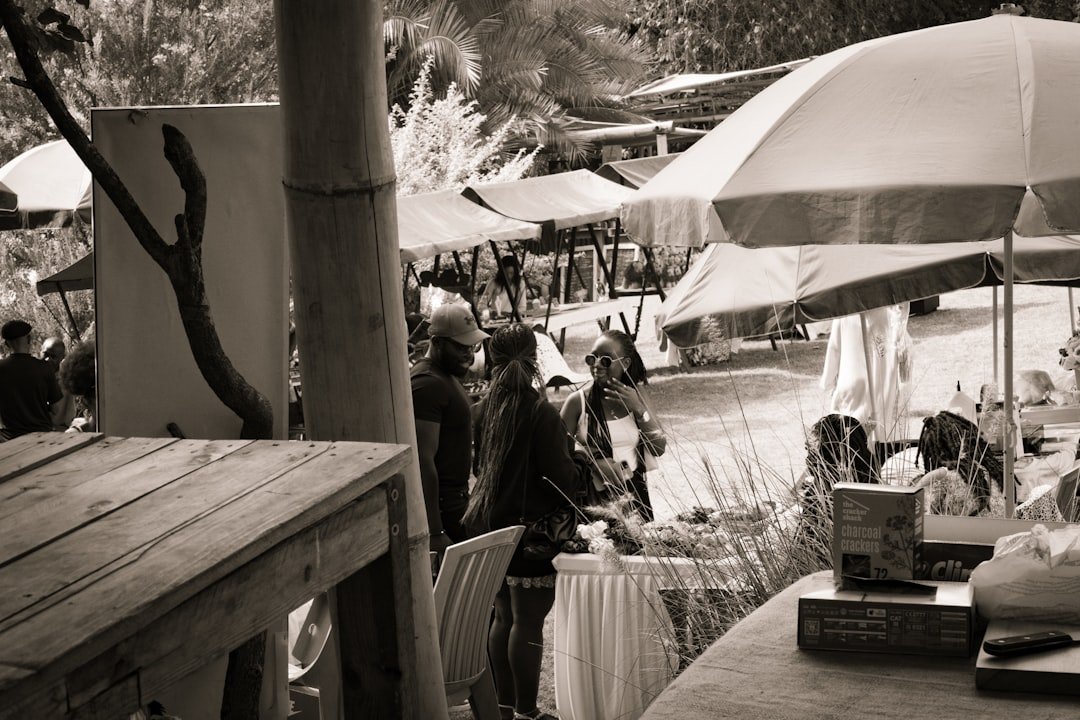
Nairobi street food culture is hyperlocal — different neighbourhoods have their own specialties and best-known vendors. Here is where to head based on what you are craving.
Downtown Nairobi & River Road
This is the heartland of Nairobi street food. Along River Road and into the Eastleigh neighbourhood, you will find everything from rolex (egg and chapati wraps) to golden mandazi, crispy samosa, and freshly pressed sugarcane juice. The area is busy, fast-paced, and absolutely alive with the smells of cooking. Eat like a local, move confidently, and enjoy the energy of the city in full swing.
City Market, Muindi Mbingu Street
Nairobi’s City Market is famous for crafts, but the food section is equally worth your time. Look for freshly grilled corn (mahindi choma) rubbed with lime and chilli, roasted groundnuts (karanga), and bowls of warm githeri — the hearty maize and bean stew that fuels Nairobi’s working day. It is one of the best places in the city for a cheap, filling, and genuinely authentic meal.
Westlands & Parklands Road (Evenings)
As the sun goes down, Westlands comes alive with mishkaki vendors, roasted maize sellers, and stalls serving mkate mayai — a soft chapati filled with egg and minced meat, cooked on a flat griddle. This is also where you will find some of the most reliably good mutura in the city. The mix of professionals, students, and long-time residents creates a buzzing evening atmosphere that feels uniquely Nairobi.
Eastleigh — Nairobi’s Vibrant East African Neighbourhood
Eastleigh is one of Nairobi’s most vibrant food neighbourhoods, home to a large Somali community whose food traditions have enriched the city’s culinary fabric. Look for suqaar (spiced beef stew), anjera (Somali flatbread), and sambusa. Eastleigh’s open-air restaurants and street vendors operate from early morning through late at night, and the neighbourhood’s festive evenings draw food lovers from across the city.
Tips for Eating Nairobi Street Food Safely
Nairobi street food is eaten daily by millions of people without issue. A few simple habits will help you eat confidently:
- Go where the crowds go. A busy stall with a queue of locals is almost always a good sign — high turnover means fresher food and faster cooking.
- Choose freshly cooked food. Grilled, fried, or boiled to order is always better than food sitting out in the open.
- Carry small change. Most vendors do not have change for large notes. Coins and small bills keep transactions smooth and fast.
- Eat at peak hours. Morning and lunchtime are when stall food is freshest. Evening grills are best after 6 PM when the coals are properly hot.
Street Food and the Soul of Nairobi
What makes Nairobi street food so compelling is its communal nature. A plate from a street vendor is not just a meal — it is a shared moment between a vendor who has been up since 4 AM and a customer who could be a student, an office worker, or a taxi driver. There is no class system at a mutura stall. Everyone eats the same food at the same price and walks away satisfied.
From the seafood stalls of Mombasa’s Old Town to the highland towns of the Rift Valley, Kenya’s street food culture is rich and deeply regional. But Nairobi, as the country’s capital and crossroads, brings all these influences together in one noisy, flavourful, and deeply lovable city. If you want to taste Kenya, start outside.
Frequently Asked Questions
What is the most popular street food in Nairobi?
Mutura (grilled blood sausage), viazi karai (spiced fried potatoes), mishkaki (marinated meat skewers), and mahindi choma (roasted maize) are among the most widely eaten Nairobi street foods, found across all neighbourhoods and income levels.
Is Nairobi street food safe to eat?
Yes, when you follow basic guidelines: choose busy stalls with high turnover, opt for freshly cooked food, and stick to vendors whose preparation area is visibly clean. Millions of Nairobians eat street food every single day without any issues.
How much does street food cost in Nairobi?
Nairobi street food is very affordable. Githeri or viazi karai typically cost between Ksh 50–100, mishkaki skewers range from Ksh 50–100 each, and a cup of chai masala rarely exceeds Ksh 30–50. You can eat a full, satisfying meal for under Ksh 200.
Where is the best area for street food in Nairobi?
Downtown Nairobi — particularly River Road and City Market — offers the most concentrated street food in the city. Westlands and Parklands are best for evening mishkaki and mutura, while Eastleigh offers exceptional East African and Somali-influenced street food.