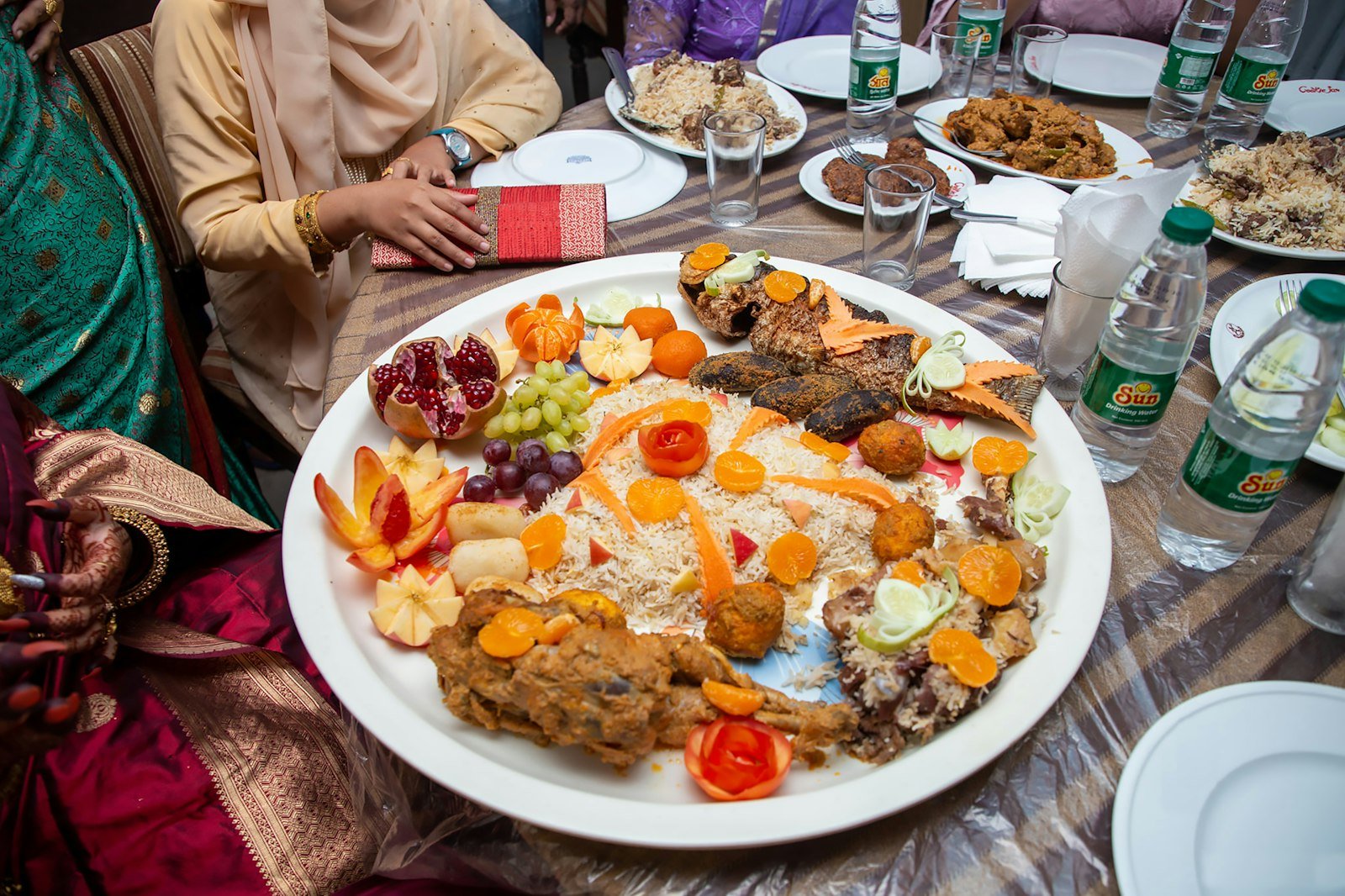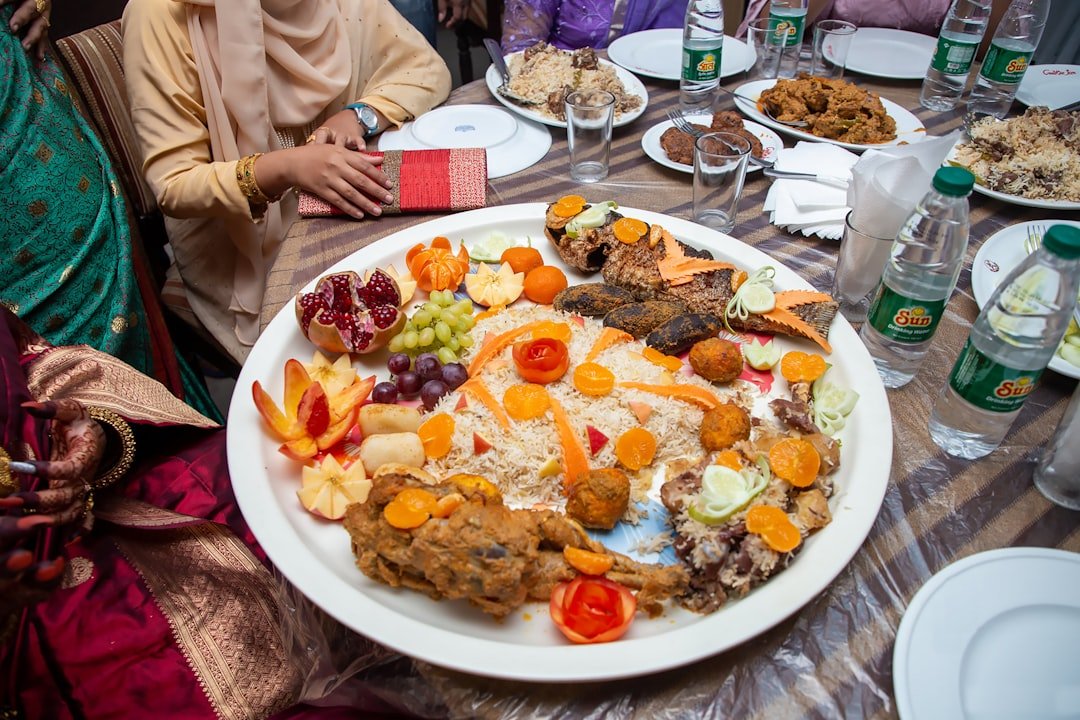
If there is one place in Kenya that feeds you not just with food but with centuries of living history, it is Lamu Island. A UNESCO World Heritage Site sitting off the northern Kenya coast, Lamu carries the soul of Swahili civilisation in its narrow coral-stone alleyways and wood-carved doorways — and nowhere is that soul more vivid than on its plates. Our Lamu food guide takes you through the flavours that have shaped this island for over seven hundred years: saffron-kissed rice, slow-braised octopus, freshly caught snapper grilled over mangrove coals, and sweet halwa pressed into brass moulds. In Kenya, we are proud to call this coastal kitchen our own, and Lamu is its most poetic chapter.
The Story Behind Lamu’s Cuisine
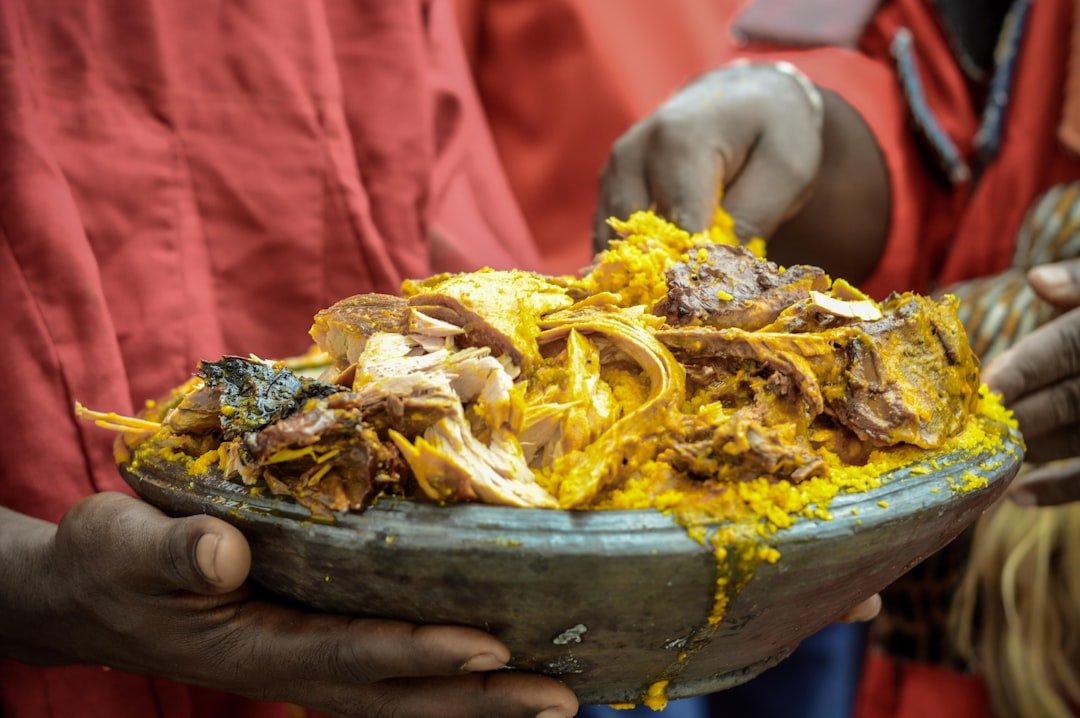
Lamu’s food is a living archive. Arab traders arrived as early as the 9th century, followed by Persians, Indians from Gujarat and the Malabar Coast, and Portuguese explorers. Each wave left an imprint. The result is a Swahili table that is deeply Kenyan yet unmistakably cosmopolitan — a marriage of East African ingredients, Middle Eastern spice routes, and South Asian technique.
Rice — wali in Swahili — is the undisputed anchor of the Lamu kitchen. Unlike upcountry Kenya where ugali reigns, here rice is cooked in coconut milk (nazi) or spiced with cardamom, cloves, and rose water. The ocean provides the protein: samaki (fish) in every form imaginable — grilled, curried, smoked, or stuffed with a paste of coriander, garlic, and chilli. The mangrove forests that ring the island are both ecosystem and fuel; cooking over mangrove charcoal imparts a subtle smokiness you will not find anywhere else in the country.
Understanding this history enriches every bite. When you eat pilau on Lamu, you taste the same spice blend that Omani merchants carried across the Indian Ocean. When you sip kahawa chungu — bitter black coffee brewed with cardamom — you are drinking what fishermen here have drunk at dawn for generations. For more on Kenya’s love affair with spices, read our piece on Pilau Masala: The Soul of Kenyan Spice Cooking.
Must-Try Dishes in Lamu
No visit — physical or culinary — is complete without working through these signature Lamu dishes.
Wali wa Nazi (Coconut Rice): Basmati or long-grain rice simmered in fresh coconut milk until each grain is plump and fragrant. It is served with almost everything and is the baseline against which all other Lamu flavours are measured.
Samaki wa Kupaka (Fish in Coconut Sauce): Whole red snapper or kingfish (nguru) marinaded in garlic and lime, then baked or grilled and glazed with a thick sauce of coconut cream, turmeric, and tamarind. The sauce clings to the fish like a second skin. This dish alone is worth the journey to the coast.
Pweza wa Nazi (Octopus in Coconut Curry): Octopus — pweza — is tenderised by being beaten against the coral rocks or dried in the sun, then slow-cooked in a coconut and tomato gravy. The result is silky and deeply savoury. It pairs beautifully with mkate wa sinia, the Swahili flatbread baked in a large tray over charcoal.
Biriani ya Lamu: Lamu’s version of biryani is richer and more aromatic than the mainland variant, layered with saffron, dried rose petals, raisins, and slow-cooked goat meat. It is traditionally prepared for weddings, Eid celebrations, and important guests — but during the Lamu Cultural Festival in February, it appears on nearly every table. For a mainland comparison, see our Biryani Recipe: Layers of Spice & Flavor.
Halwa: This dense, jewel-coloured confection made from ghee, sugar, cornstarch, and spices is Lamu’s most iconic sweet. Each family has its own recipe — some add saffron, others black pepper or cardamom. It is pressed hot into brass moulds and gifted to guests, sold at the harbour market, and eaten with kahawa chungu.
Where to Eat in Lamu Town
Lamu Town is small enough to walk end to end in twenty minutes, but its food scene punches far above its size. A few spots deserve special mention.
The Hapa Hapa Restaurant on the waterfront promenade is beloved by locals and visitors alike. Their pweza wa kupaka and fresh fruit juices — particularly tamarind and passion fruit — are exceptional. Tables fill quickly after the evening prayer, so arrive early.
Bush Gardens near the fort is the place for generous plates of wali wa Nazi served with a rotating selection of fish and vegetable curries. Prices are modest, portions are enormous, and the owner is happy to explain what is cooking that day.
Whispers Coffee House occupies a beautifully restored Swahili courtyard house and serves freshly ground kahawa, homemade halwa, and light Swahili snacks. It is the ideal morning stop before the dhow markets open.
The jetty fish market, active from pre-dawn until mid-morning, is where fishermen offload their catch directly from wooden ngalawa outrigger canoes. You can point at the fish you want and have it grilled on the spot for a handful of shillings. There is no menu, no Instagram-worthy plating — just the finest seafood you will eat anywhere in Kenya.
For a broader guide to Kenya’s vibrant food destinations, explore our Mombasa Old Town Food Trail.
Lamu Food Experiences Beyond the Plate
Food in Lamu is inseparable from ritual and community. The Lamu Cultural Festival, held each year in November (though the February period sees smaller community celebrations around Maulid), revolves around cooking competitions, donkey races, and communal feasts. Watching an elder prepare biriani ya Lamu in a vast copper pot over an open wood fire is a masterclass in both technique and patience.
You can also join informal cooking workshops offered by a handful of Lamu guesthouses. Learning to grind fresh coconut, balance a mkono wa tembo (elephant’s trunk — the nickname for a long wooden spoon), and time a fish curry by smell rather than clock is an education in Swahili kitchen wisdom that no cookbook can fully convey.
The spice gardens on neighbouring Pate Island, a short motorised dhow ride away, cultivate the cinnamon, cloves, and pepper that once made this archipelago a prize of the Indian Ocean trade. A visit puts the flavours of Lamu cuisine firmly in context. According to FAO East Africa, the Kenyan coast’s spice production remains an important part of smallholder agriculture in the region.
The Kenya Tourism Board’s Lamu destination guide offers logistics on reaching the island by flight from Nairobi’s Wilson Airport or by road and ferry via Mokowe.
Practical Tips for Food Travellers
Lamu’s cuisine is largely halal. Pork is absent, and alcohol is limited to a few tourist-facing establishments. This is worth knowing when planning meals, and it is also a reminder that the food culture here is shaped by deep Islamic faith — a fact that infuses the hospitality with genuine warmth.
- Best time to eat: After Fajr (dawn prayer) for the freshest fish market; post-Maghrib (sunset) for the liveliest restaurant atmosphere.
- Budget: A full plate of wali na samaki at a local restaurant costs between KES 200–400. Tourist restaurants charge more but are still affordable by regional standards.
- Food safety: Stick to freshly cooked items and avoid raw salads with tap water in the dressing. Freshly squeezed juices are safe and extraordinary.
- Dietary needs: Vegetarian options abound — coconut-based lentil stew (dengu), bean pilau, and mbaazi wa Nazi (pigeon peas in coconut) are filling and delicious.
For Kenya’s broader culinary geography, the National Geographic Kenya travel guide provides excellent cultural context. And BBC Good Food’s African cuisine section offers approachable recipes inspired by East African flavours.
Frequently Asked Questions About Lamu Food
What is the most famous food from Lamu?
Lamu is most famous for its biriani, samaki wa kupaka (fish in coconut sauce), and halwa. The island’s version of biryani — slow-cooked with saffron, dried rose petals, and goat meat — is considered among the finest in Kenya.
Is Lamu food spicy?
Lamu food is aromatic and richly spiced with cardamom, cumin, cinnamon, and cloves, but it is not typically fiery hot. Chilli heat is used with restraint; the goal is depth of flavour, not burn. Fresh chilli is often served on the side so diners can adjust to their preference.
Can vegetarians eat well in Lamu?
Yes. Vegetarians are well catered for in Lamu. Staples like wali wa Nazi (coconut rice), mbaazi wa Nazi (pigeon peas in coconut), lentil dishes, and a wide variety of coconut-based vegetable curries make for satisfying meat-free meals. Most local restaurants will happily adapt dishes on request.
How do you get to Lamu?
The quickest route is a 90-minute flight from Nairobi’s Wilson Airport to Manda Airport, followed by a short dhow crossing to Lamu Town. Alternatively, you can take the bus or drive to Mokowe on the mainland and catch the ferry across. Road travel from Nairobi takes approximately 10–12 hours.
Lamu has a way of slowing you down — the island has no cars, the lanes are cool and shaded, and the food demands patience and presence. It is a place where a plate of wali wa Nazi with freshly grilled snapper, eaten on a rooftop as dhows drift past at dusk, becomes one of those meals you will carry with you long after you leave. We hope this guide helps you taste every layer of it. For more Kenyan culinary inspiration, explore our Nairobi Street Food Guide or discover how to make authentic Kenyan chai masala at home.