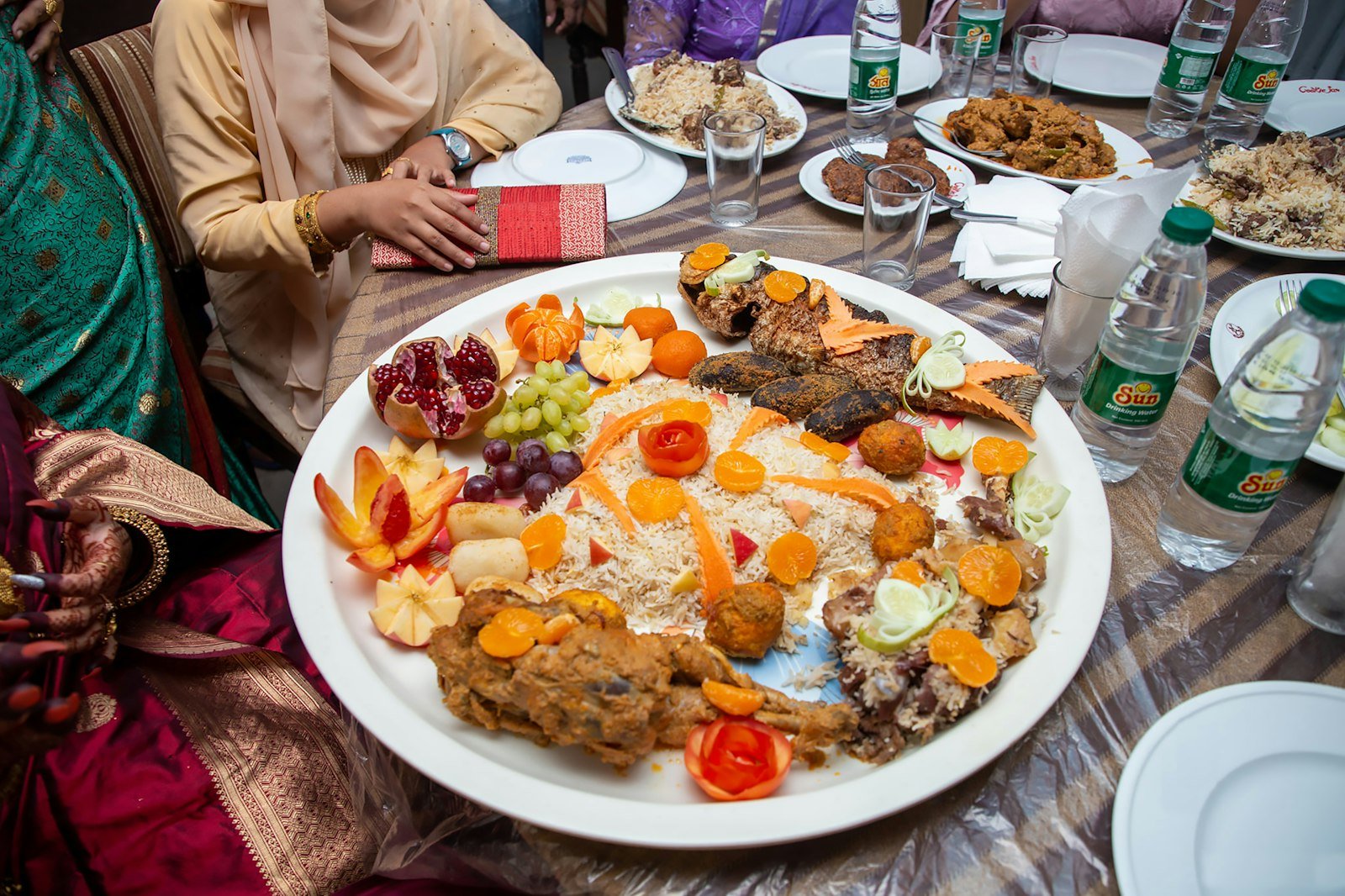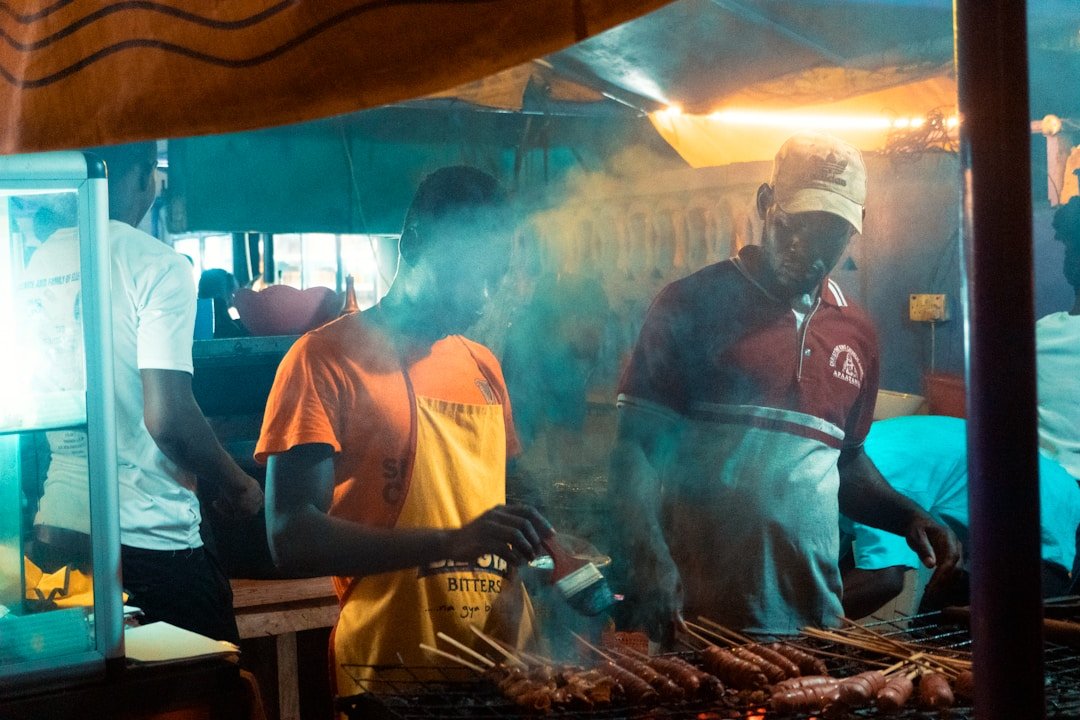
The smoke rises from the jiko (charcoal grill) before you even see the meat. That unmistakable char-and-fat sizzle of nyama choma — grilled meat — drifting through the air is how every great Kenyan weekend begins. Whether it is a family gathering in Nairobi’s Westlands, a lakeside afternoon in Kisumu, or a roadside joint along the Nakuru highway, nyama choma is Kenya’s most beloved culinary tradition. This nyama choma recipe brings that experience to your own backyard, no choma joint required.
What Is Nyama Choma? Kenya’s National Dish Explained
Nyama choma literally means “roasted meat” in Swahili — nyama (meat) and choma (to burn or roast). It is the undisputed national dish of Kenya, served everywhere from casual neighbourhood grills to high-end restaurants like the legendary Carnivore in Nairobi. Traditionally made with goat (mbuzi) or beef (ng’ombe), it is a dish of beautiful simplicity.
Unlike barbecue traditions elsewhere, authentic Kenyan nyama choma is built on restraint. No heavy marinades, no elaborate rubs. The meat speaks for itself — lightly salted, grilled slowly over hardwood charcoal until the outside is deeply charred and the inside is moist and tender. The smoke is the seasoning. This approach to Kenyan grilled meat has remained unchanged for generations, and it works because the quality of the meat and the fire do all the work. You can read more about how Kenyans use aromatics sparingly but effectively in our piece on the role of aromatics in Kenyan cuisine.
Nyama Choma Recipe: Ingredients
Prep Time: 40 minutes | Cook Time: 75-90 minutes | Servings: 4-6 | Difficulty: Medium
For the Nyama Choma:
- 1.5 kg bone-in goat meat (mbuzi) — ribs, shoulder, or leg cuts — or beef short ribs
- 1 tablespoon coarse salt (chumvi ya mto, rock salt preferred)
- 1 teaspoon freshly ground black pepper (pilipili manga)
- 2 teaspoons garlic powder (optional — popular at coastal Kenyan joints)
- Juice of 1 lemon or lime
- Hardwood charcoal (mkaa wa mti) for grilling
For the Kachumbari (Fresh Relish):
- 3 ripe tomatoes, finely diced
- 1 large red onion, finely diced
- 1 bunch fresh coriander (dhania), roughly chopped
- 1-2 green chilies (pilipili mboga), thinly sliced
- Juice of 1 lime
- Salt to taste
Step-by-Step Nyama Choma Instructions
Step 1: Prepare the Meat
Cut the meat into large chunks — 200-300g pieces work well. Keep the bone in; bone-in cuts stay significantly juicier on the grill. Rinse under cold water and pat thoroughly dry with paper towels. Rub all over with coarse salt, black pepper, and garlic powder if using. Squeeze lemon juice over the top and let the meat rest at room temperature for 30-40 minutes. This brief rest allows the salt to begin drawing flavour through the meat.
Step 2: Build Your Charcoal Fire
This step makes or breaks nyama choma. Use genuine hardwood charcoal (mkaa), not briquettes — the smoke flavour is entirely different. Light the charcoal well in advance and wait until every coal is covered in white ash, with no open flames remaining. This takes about 40-50 minutes. Position your grill rack 15-20 cm above the coals. You want consistent, medium-low radiant heat — not a blazing fire that scorches the outside before the inside cooks.
Step 3: Grill Low and Slow
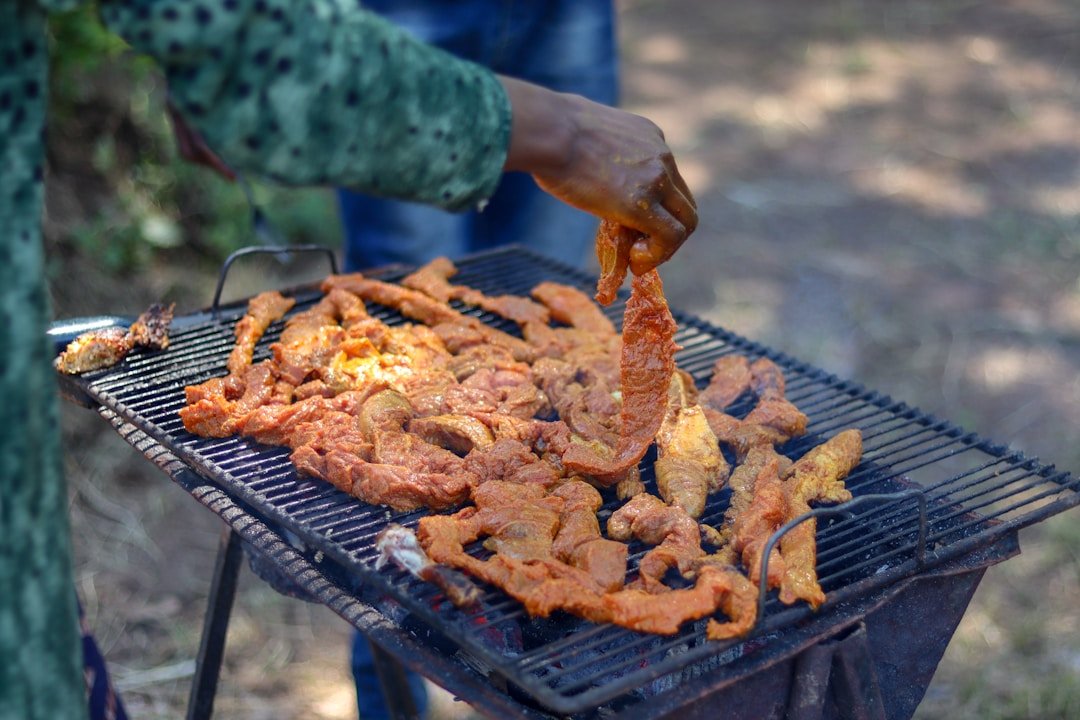
Place the meat on the grill in a single layer. Cook over medium-low charcoal heat, turning every 10-15 minutes. Nyama choma is not a fast cook — budget 60-90 minutes for goat and 45-60 minutes for beef. You are looking for a deep, dark char on the outside while the inside remains moist and falling off the bone. Resist the urge to constantly flip or poke the meat. Let each side develop its colour undisturbed.
Step 4: Rest and Serve
Remove the meat from the grill and let it rest on a wooden board for at least 10 minutes. Cutting immediately releases all the juices and leaves the meat dry. Slice into smaller pieces at the table. Serve piping hot with kachumbari and ugali.
Step 5: Make the Kachumbari
While the meat rests, combine the diced tomatoes, red onion, dhania, and chilies in a bowl. Squeeze the lime juice over the mixture and season with salt. Toss well and let it sit for 10 minutes before serving — the acidity from the lime brightens all the flavours and slightly softens the raw onion. Kachumbari should be vibrant and fresh, so prepare it within 30 minutes of serving.
Tips for Perfect Kenyan Grilled Meat at Home
- Choose the right cut: Goat ribs and shoulder are the most popular and forgiving. For beef, use short ribs or bone-in brisket — they have enough fat to stay moist over a long cook.
- Do not rush the coals: Poor charcoal preparation is the single biggest reason homemade nyama choma disappoints. Take the time to get it right.
- Salt is your only seasoning: Real nyama choma is seasoned with coarse salt and little else. Trust the salt and the smoke — they are enough.
- Bone-in is non-negotiable: Boneless cuts lose moisture too quickly over charcoal. The bone protects the surrounding meat throughout the long cook.
- Rest the meat: A 10-minute rest after grilling makes the difference between dry and juicy nyama choma every time.
What to Serve with Nyama Choma
In Kenya, nyama choma never arrives alone. The classic accompaniments are:
- Ugali — the stiff white maize porridge that is the perfect, neutral partner to the rich char of grilled meat. Learn how to cook the perfect ugali to get the consistency just right.
- Kachumbari — the fresh tomato and onion relish (recipe above). Its acidity cuts beautifully through the richness of the meat.
- Sukuma wiki — braised collard greens cooked with onions and tomatoes, a staple Kenyan side dish.
- Simple Chapati — for a more indulgent feast. Our simple chapati recipe pairs beautifully with nyama choma.
- A cold Tusker or fresh juice — no nyama choma experience is complete without a cold drink. See our guide to Kenya’s best local drinks.
For a true Kenyan celebration spread, nyama choma sits at the centre of the table surrounded by all of these. Learn more about how Kenyans celebrate with food in our guide to Kenyan festive foods.
Frequently Asked Questions About Nyama Choma
What meat is traditionally used for nyama choma?
Goat (mbuzi) is the most traditional choice across Kenya. Beef ribs are a close second. The key is always bone-in cuts with good fat marbling — they hold their moisture during the long, slow cook over charcoal.
Can I make nyama choma on a gas grill or in the oven?
Yes, though the flavour differs from authentic hardwood charcoal. On a gas grill, add hardwood chips in a smoker box and use indirect heat. In an oven, broil for a crust then roast at 160°C for 60-75 minutes. Neither replicates the smoke of a charcoal jiko, but both produce good results.
Why is nyama choma not marinated with sauces?
Traditional Kenyan nyama choma philosophy centres on the quality of the meat and the integrity of the smoke. Heavy marinades mask those flavours rather than enhance them. Inland Kenyan tradition keeps seasoning to coarse salt only, while coastal cooks sometimes add garlic and lemon.
How do I know when nyama choma is cooked through?
The internal temperature should reach 75°C (167°F) for both goat and beef. Visually, the meat should be deeply charred on the outside with clear — not pink — juices running when cut. Goat cooked well-done over a slow charcoal fire becomes tender and flavourful, not tough.
Nyama choma is more than a recipe — it is a Kenyan institution. From the buzzing choma joints of Nairobi’s Ngara and Westlands to the lakeside grills of Kisumu and the coastal barbecues of Mombasa, this dish connects Kenyans across regions and generations. Fire up your charcoal this weekend, gather your people, and let the smoke tell the story.