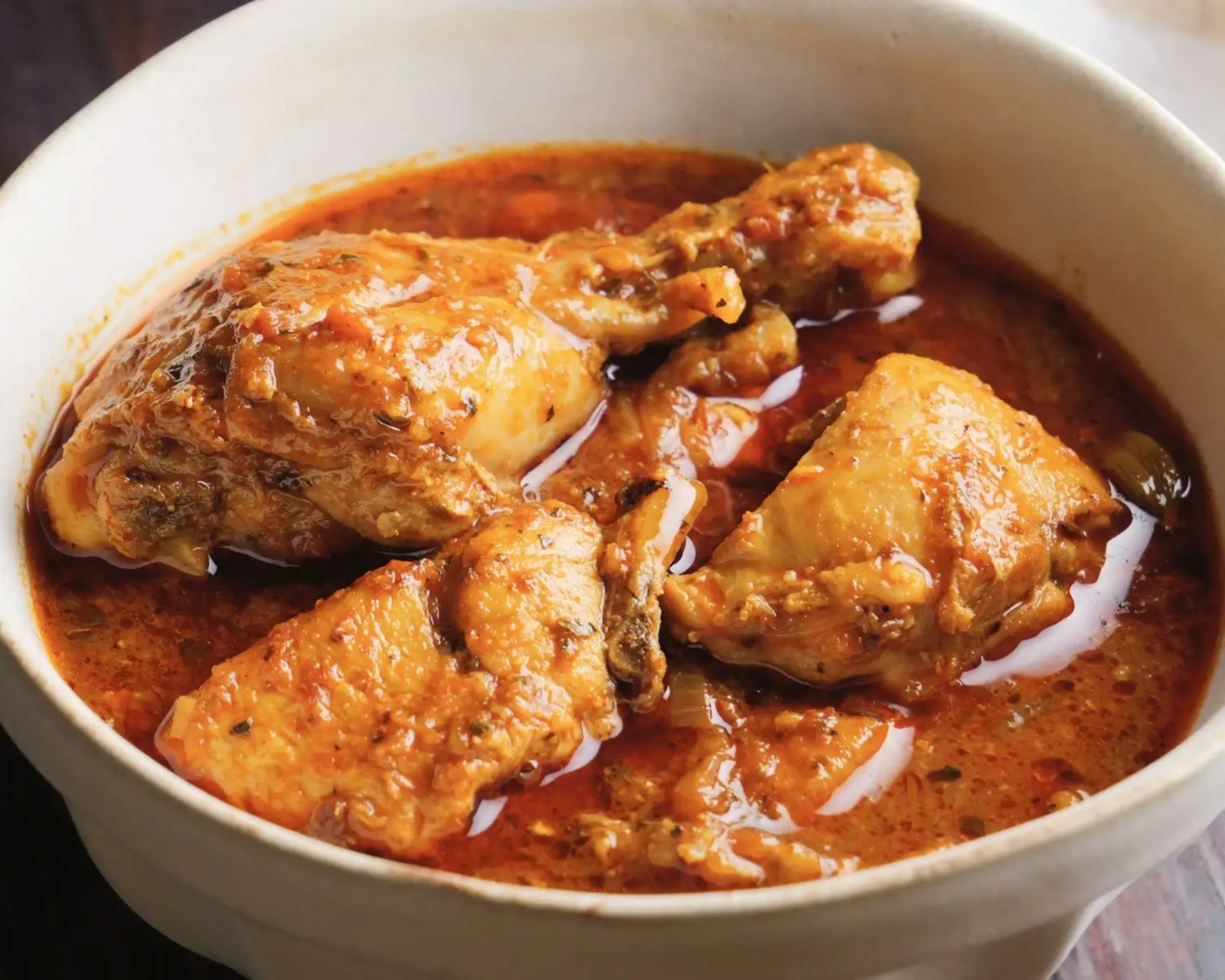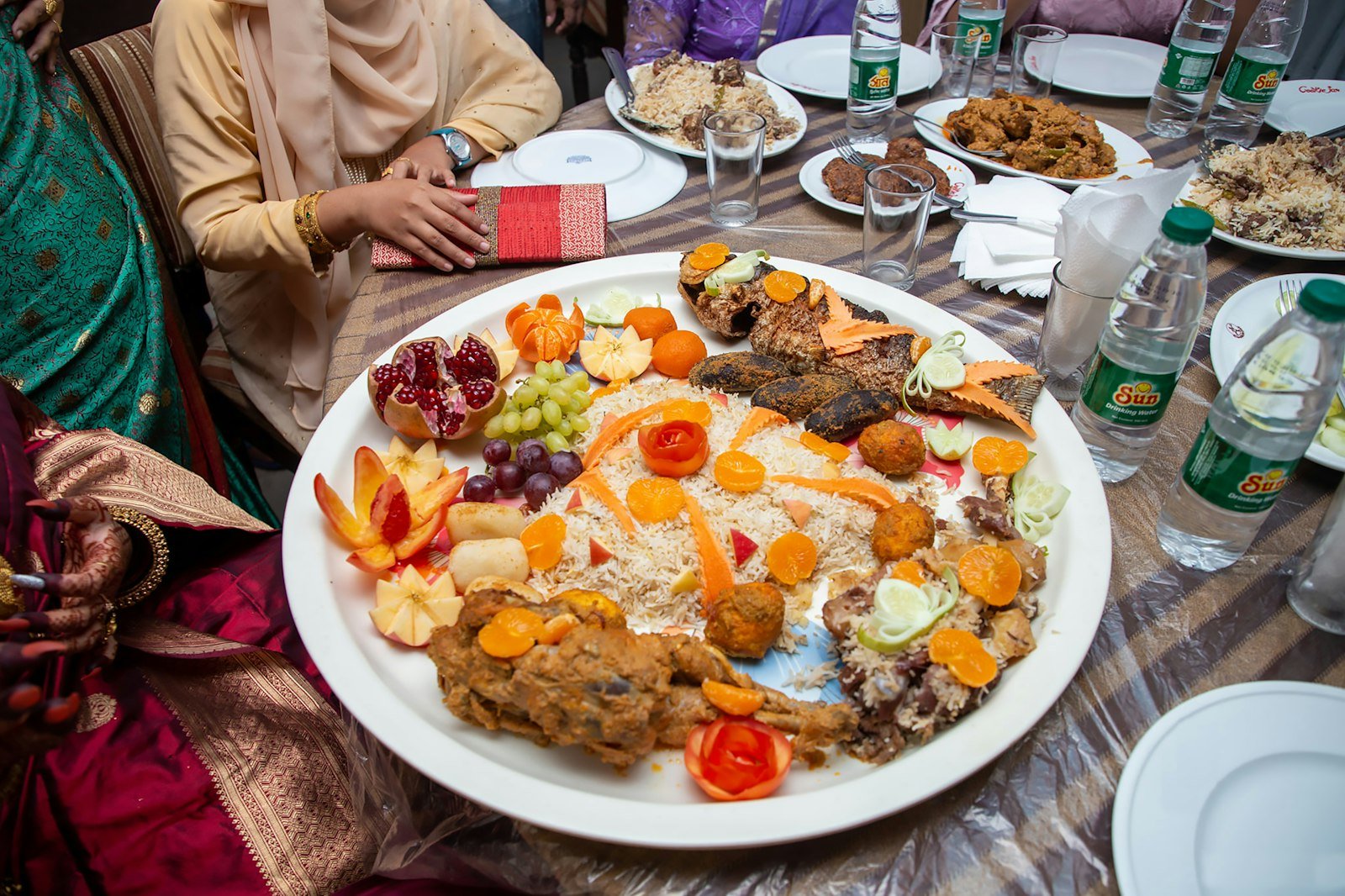
Across Mombasa’s Old Town, Lamu’s narrow alleys, Nairobi’s Eastleigh district and the highlands of Garissa, the smell of cardamom-laced rice and slow-cooked mutton signals one thing: Eid al-Adha is here. Known locally as Sikukuu ya Hijja, this festival commemorates Ibrahim’s willingness to sacrifice his son, and in Kenya it brings together a beautifully layered table — Swahili coastal, Indian-Kenyan, Somali and highland Muslim traditions all meet on the same platter. These six Kenyan Eid al-Adha foods are the dishes families wait all year to share.
What Makes Eid al-Adha Cooking in Kenya Special
Sikukuu ya Hijja is, at its heart, a meat-driven feast. After the morning prayer at the local mosque, families gather around a qurbani (the sacrificed goat or sheep), and the meat is divided into thirds: one for neighbours, one for relatives, one kept for the household. That sharing rule is what shapes the cooking. You’re not preparing one elegant plate — you’re producing platters big enough for thirty, forty, even a hundred people who’ll drop in across the day.
Kenya’s Eid kitchen pulls from many lineages. The Swahili coast contributes coconut milk (tui), cardamom, cloves and the slow art of stewed meats. Indian-Kenyan families, settled across Mombasa, Nairobi and Kisumu since the 1890s, brought layered biryani and ghee-rich rice. Somali Kenyans contribute suqaar and skukaris. One principle holds across all these traditions: the qurbani meat must be honoured by being cooked exceptionally well.
1. Mbuzi Choma na Pilipili — The Star of the Sacrifice Feast
If only one dish defines Eid al-Adha in Kenya, it is slow-roasted goat. Mbuzi choma uses the fresh qurbani meat, usually the leg and ribs, rubbed with a wet masala of garlic, ginger, black pepper, lemon and a touch of paprika. The meat grills over charcoal at low heat for several hours so the fat renders and the outside crisps to a deep mahogany. Coastal cooks brush it with coconut oil; highland families lean on a tamarind glaze.
It is served plain on a wooden board with kachumbari, lemon wedges and a fiery pili pili sauce. The mood is communal — everyone tears off a piece with their hands. For a deeper look at cuts, marinades and timing, see our Kenyan goat meat guide.
2. Biryani ya Eid — Lamu’s Layered Crown
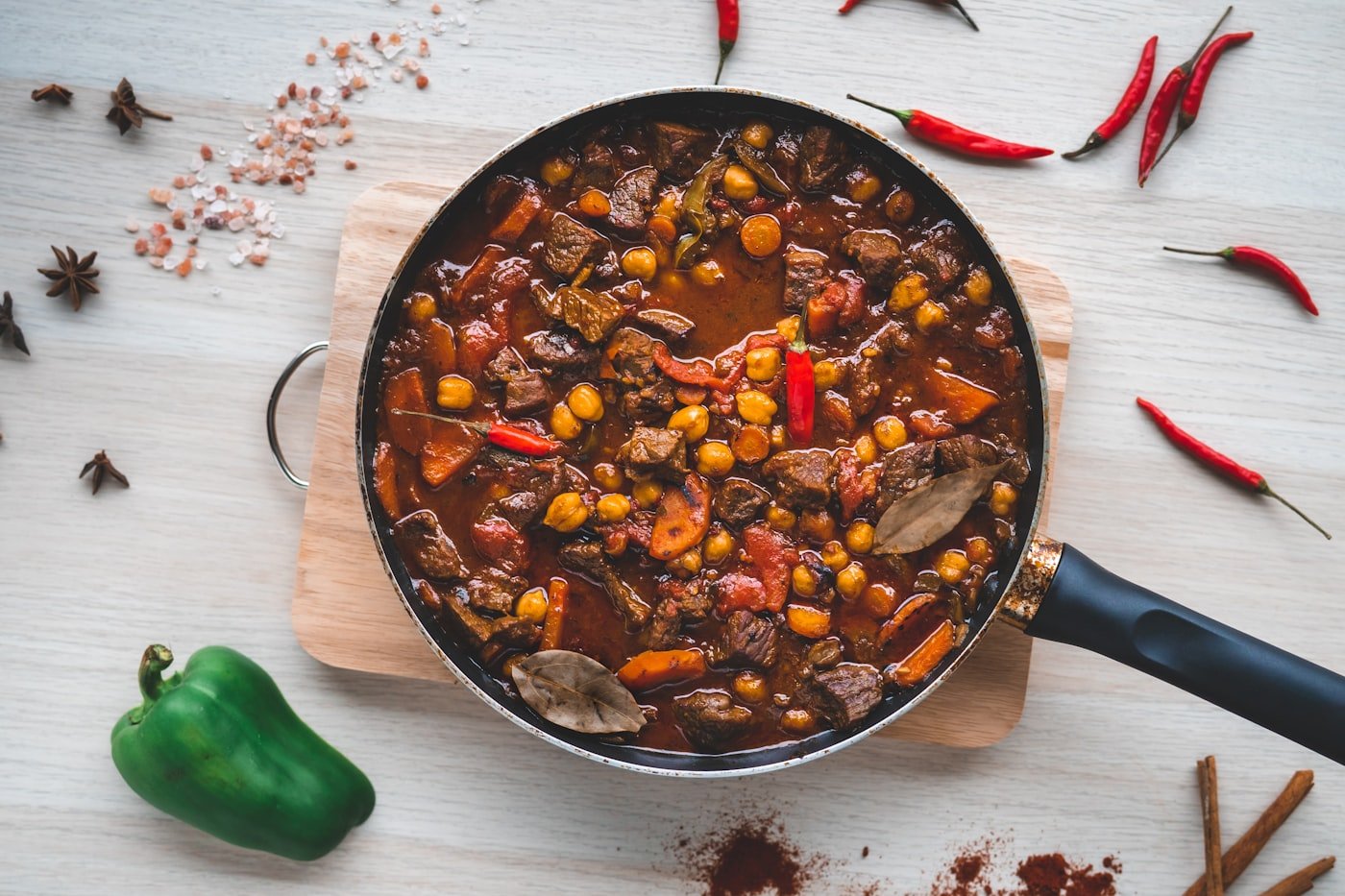
A Kenyan Eid table without biryani is barely an Eid table. The version that anchors most homes traces its roots to Lamu and Mombasa, where Hadhrami, Omani and Indian merchants exchanged techniques over centuries. Long-grain basmati is parboiled, then layered with deeply spiced mutton or beef cooked down in onions, yoghurt, tomato, garam masala and saffron-soaked milk. The pot is sealed with chapati dough or a tight lid (the dum method) and left over a slow charcoal jiko until the rice picks up every aroma underneath.
The Lamu style leans heavier on cinnamon and clove; the Mombasa style adds more tomato; the Nairobi Indian-Kenyan version sometimes finishes with crisp birista (fried onions) and a swirl of green-chilli yoghurt on top. Our step-by-step Kenyan biryani recipe shows how to build the layers without losing the rice texture, and the BBC Good Food biryani archive is a useful cross-reference if you want to compare regional Indian variations.
3. Pilau ya Nyama — The Easier, Faster Cousin
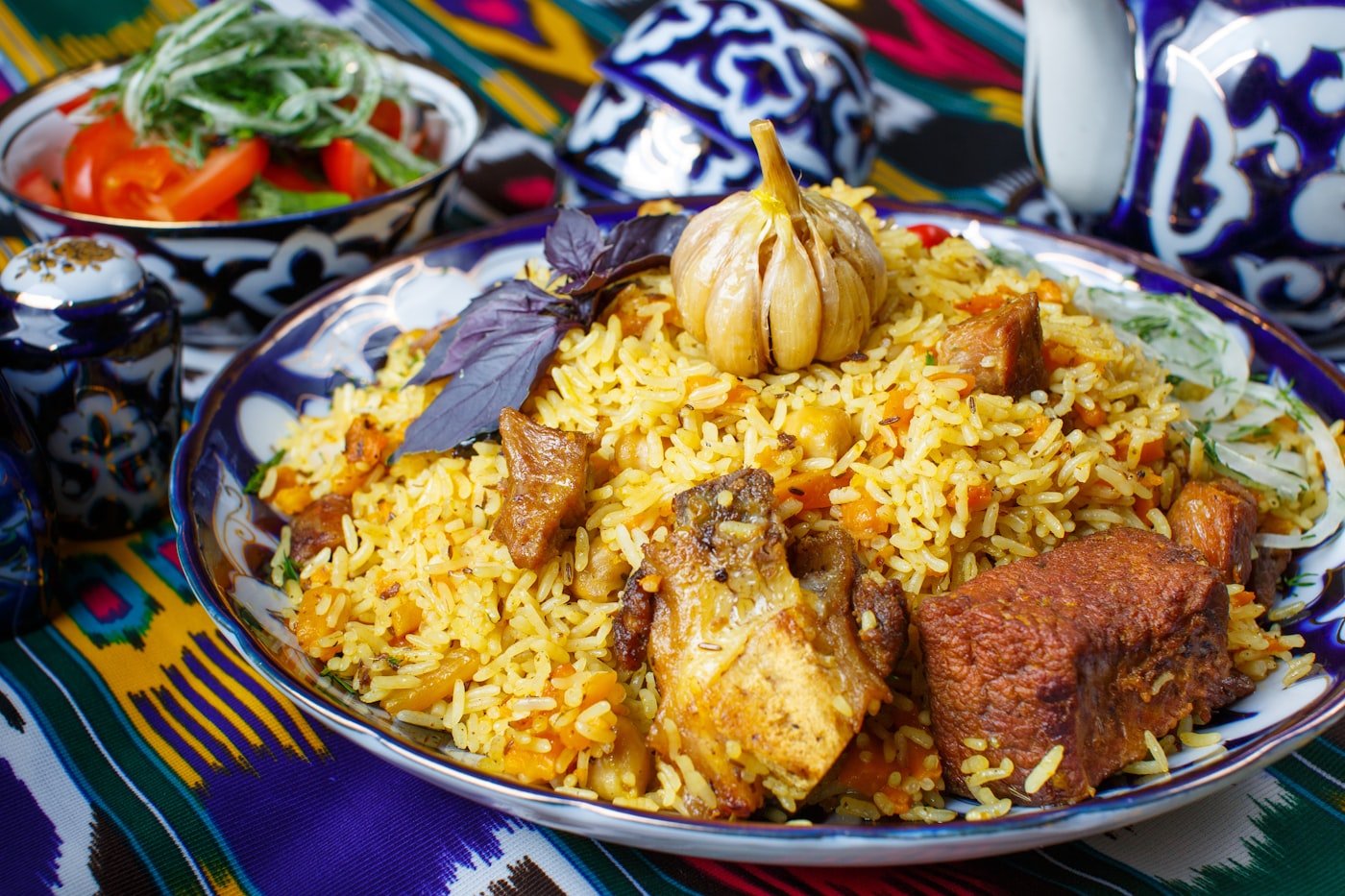
Where biryani is a project, pilau is the dish you make when relatives announce themselves at the gate without warning. Same goat or beef from the qurbani, browned with onions and a pilau masala of cumin, cloves, cardamom, cinnamon and black pepper, then cooked in one pot with rice and stock. No layering, no sealing — but the spices still bloom and stain the rice a warm gold.
Pilau is the rice you will see at almost every Eid gathering in Nairobi, especially among Swahili families in South C, Pumwani and Eastleigh. Build your spice base from scratch with our pilau masala blend, or follow our Swahili pilau recipe for the full method.
4. Mahamri na Mbaazi — The Breakfast of Eid Morning
Eid mornings in Mombasa, Malindi and Lamu often start before the sacrifice with mahamri and mbaazi. Mahamri are triangular sweet doughnuts made with coconut milk, cardamom and a hint of yeast; they fry up golden and slightly chewy, with a sugary perfume. Alongside, mbaazi ya nazi — pigeon peas slow-stewed in coconut milk with turmeric and onions — provides the savoury counterweight.
Families eat this after dawn prayers, often with cups of strong chai ya tangawizi. For more on coastal breakfast traditions, our Lamu food trail covers where to taste the very best mahamri in the island’s old town cafes — a region recognised by UNESCO as a World Heritage Site in part for its living Swahili food culture.
5. Mkate wa Sinia — The Celebration Cake
For dessert and tea-time visitors, Swahili households bake mkate wa sinia, a steamed semolina cake enriched with coconut milk and cardamom. The batter is poured into a wide tin (sinia means tray), steamed until set, then cut into diamonds and dusted with sugar.
It is an Eid classic because it travels well: aunts arrive with foil-wrapped trays, kids pocket pieces for later, and leftovers keep beautifully for the second day of festivities. Mkate wa sinia is one of those dishes you will find sold along the Mombasa Old Town food trail in the days surrounding Eid, when neighbourhood bakers ramp up production.
6. Madafu na Tamarindi — Cooling the Whole Day Down
After the heavy meats and rice, you need something cooling. Coastal Eid spreads always include fresh madafu (young coconut water) served straight from the husk with a long spoon to scrape the soft jelly. Inland, sharbat ya tamarindi — chilled tamarind drink, sweetened with sugar and a pinch of salt — does the same job: bright, sour and palate-cleansing between courses.
Both pair beautifully with the day’s richness. Our madafu guide covers where to source the freshest young coconuts in Mombasa, Diani and Watamu.
Frequently Asked Questions
When is Eid al-Adha celebrated in Kenya in 2026?
In 2026, Eid al-Adha falls on or around 26-27 May, subject to the official moon sighting confirmed by the Chief Kadhi of Kenya. The festival traditionally lasts three to four days, with the first day being the largest feast.
What is the difference between Eid al-Fitr and Eid al-Adha?
Eid al-Fitr marks the end of Ramadan and centres on sweet breakfast foods like mahamri and chai. Eid al-Adha — the Festival of Sacrifice — commemorates Ibrahim’s offering, and is built around a qurbani (sacrificed animal) shared as roasted and slow-cooked meat dishes.
Is Eid al-Adha a public holiday in Kenya?
Yes. Eid al-Adha is gazetted as a public holiday in Kenya, observed by all communities. Schools, government offices and many businesses close for the first day, especially in Mombasa, Nairobi, Lamu, Garissa and Kwale counties.
What do non-Muslim guests typically bring to an Eid feast in Kenya?
Most non-Muslim friends bring fresh juice, dates, fruit baskets, or a tray of bites like samosas or kebabs from a halal kitchen. Sweets are always welcome. The hosts provide the main meat dishes — guests need only show up hungry.
Bringing the Sacrifice Feast Home
Eid al-Adha in Kenya is more than a menu — it is a structure of generosity built around shared meat, layered rice and coastal sweetness. Whether you are cooking for the first time or hosting your fortieth Eid, picking even two or three dishes from this list will anchor your table. Eid Mubarak, na karibuni sana chakula.