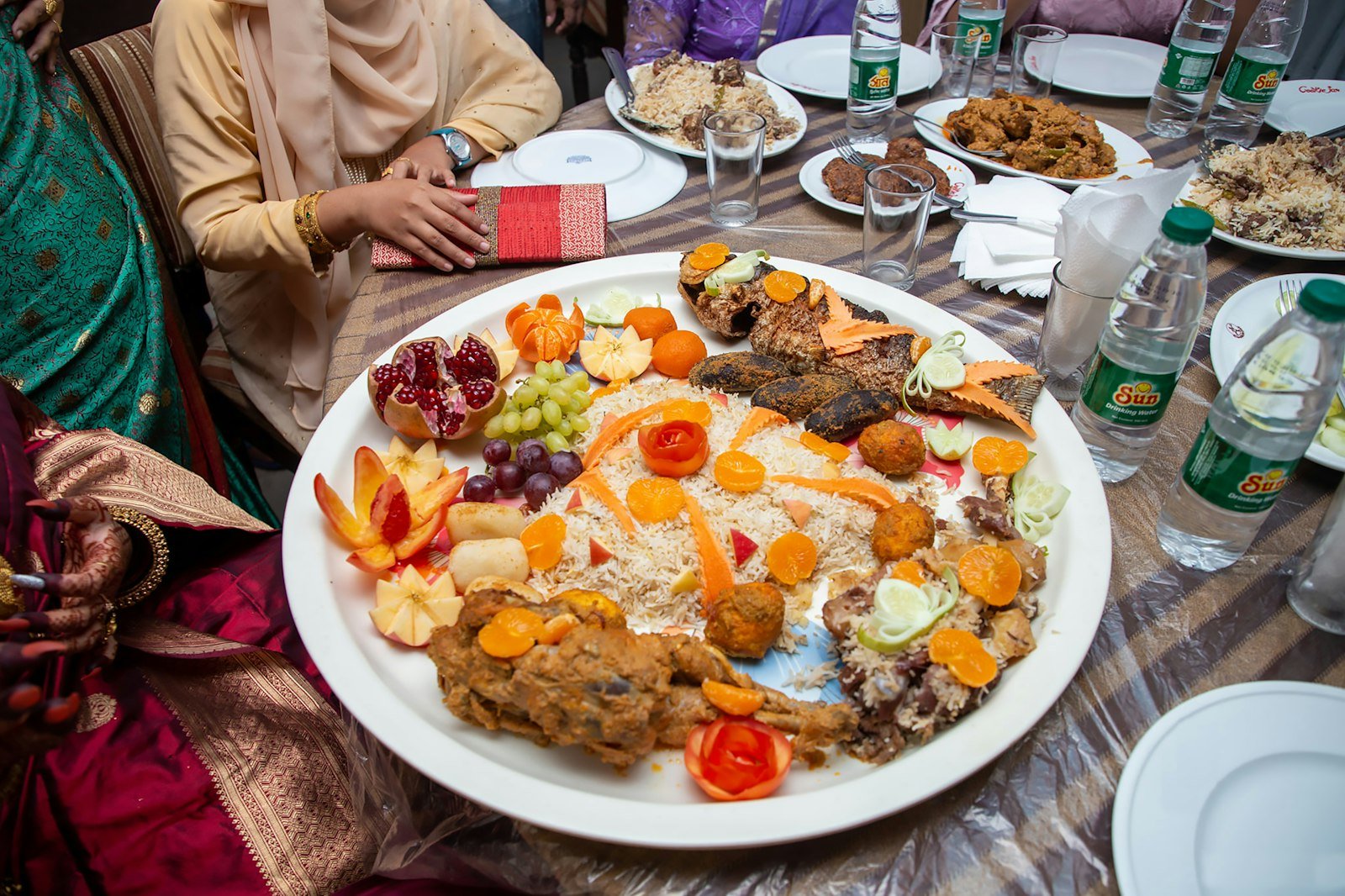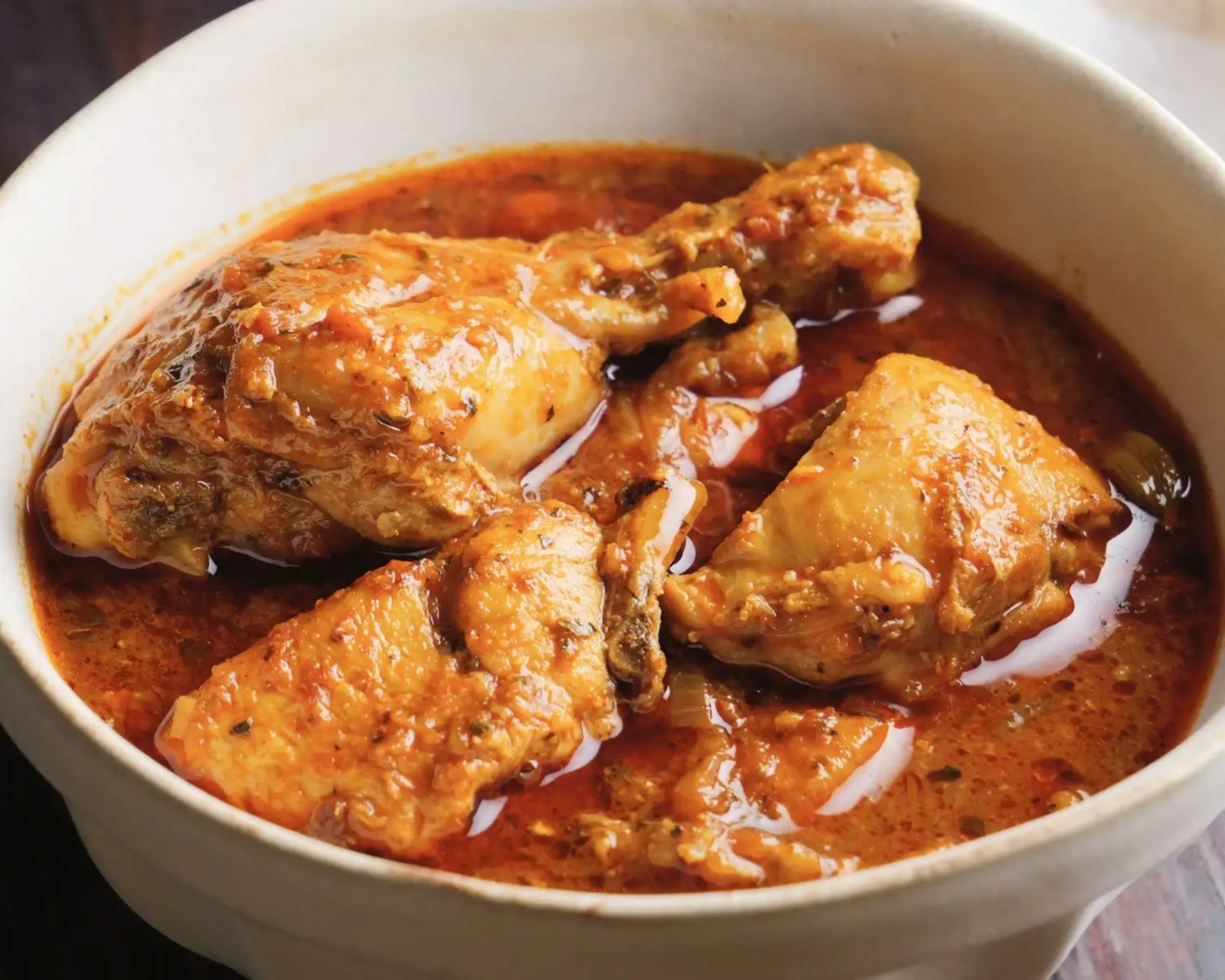
Walk into a kitchen in Lamu or Old Town Mombasa late in the afternoon and you will smell kuku paka before you see it. Charcoal smoke curls from a jiko, garlic and ginger sizzle in a pan, and a wide sufuria of coconut milk thickens slowly with cardamom, turmeric, and lime. This Swahili coastal coconut chicken curry is one of Kenya’s most distinguished dishes — grilled chicken finished in a fragrant coconut sauce that tastes of the Indian Ocean trade winds. Today we’re cooking authentic kuku paka the way coastal grandmothers still make it, with every step you need to get the smoke, the spice, and the silky nazi just right.
What Makes Kuku Paka a Swahili Classic
Kuku paka (sometimes spelled kuku wa kupaka, meaning “chicken to baste”) is a hallmark of Swahili coastal cuisine, born from centuries of contact between Bantu, Arab, Indian, and Portuguese cooks along the Kenyan coast. The dish lives in two acts: first the chicken is marinated and grilled over charcoal until smoky and lightly charred, then it is simmered briefly in a rich coconut sauce sharpened with lime and warmed with cumin, coriander, and turmeric.
You will find it on Eid tables in Mombasa, at Lamu’s seafront restaurants on Friday evenings, and at home on lazy weekends. Coastal families argue passionately about whether the chicken should be bone-in or boneless, whether the sauce should be golden or almost white, and whether you can ever use canned coconut milk instead of fresh nazi pressed from grated coconut. Our recipe takes the middle path: bone-in thighs for flavour, fresh coconut milk when you can find it, and a sauce that tastes unmistakably of the coast.
Ingredients You’ll Need
Prep time: 25 minutes (plus 1 hour marinade) · Cook time: 40 minutes · Serves: 4 · Difficulty: Intermediate
For the chicken and marinade:
- 1 whole chicken cut into 8 pieces, or 8 bone-in chicken thighs (kuku)
- 4 cloves garlic (kitunguu saumu), crushed
- 1-inch piece ginger (tangawizi), grated
- 2 teaspoons paprika
- 1 teaspoon turmeric (manjano)
- 1 teaspoon ground cumin (bizari)
- Juice of 1 lime (limau)
- 1½ teaspoons salt (chumvi)
- 2 tablespoons vegetable oil
For the coconut sauce (mchuzi wa nazi):
- 3 tablespoons vegetable oil
- 2 medium red onions (vitunguu), finely chopped
- 4 cloves garlic, finely minced
- 1 tablespoon fresh ginger, grated
- 2 medium tomatoes, grated (skin discarded)
- 1 green chilli (pilipili mbuzi or hoho), slit
- 1 teaspoon turmeric
- 1½ teaspoons ground coriander (giligilani)
- 1 teaspoon cumin
- 3 cardamom pods (iliki), bruised
- 400ml thick coconut milk (nazi nzito) — ideally fresh, or one tin
- 200ml thin coconut milk or water
- Juice of ½ lime, plus extra for serving
- Salt to taste
- A handful of fresh coriander (dania), chopped
How to Cook Kuku Paka Step by Step
Step 1: Marinate the chicken
Score the thickest parts of each chicken piece with a sharp knife so the marinade penetrates. In a wide bowl, combine garlic, ginger, paprika, turmeric, cumin, lime juice, salt, and oil into a thick paste. Coat the chicken generously, rubbing the spice mix into every cut. Cover and refrigerate for at least 1 hour — overnight is even better. This step is what gives kuku paka its signature coloured crust before the sauce touches it.
Step 2: Char the chicken over open heat
The proper way is over charcoal on a jiko, the same way nyama choma is cooked. If you don’t have charcoal, use a heavy grill pan on high heat. Grill the chicken 5 to 7 minutes per side until the surface is darkened in spots and the meat is about 80 percent cooked. You want smoky char, not full doneness — the chicken will finish cooking in the sauce. Set aside on a plate, with any resting juices.
Step 3: Build the coconut sauce
Heat oil in a wide sufuria over medium heat. Add onions and a pinch of salt, and cook gently for 8 to 10 minutes until they turn soft and pale gold — do not rush this, the sweetness of the onion is the backbone of the sauce. Add garlic, ginger, and slit chilli and stir for one minute until aromatic. Tip in the grated tomato and cook another 5 minutes until the mixture darkens and the oil starts to separate at the edges.
Sprinkle in turmeric, coriander, cumin, and cardamom pods. Toast the spices in the masala for 30 seconds. Pour in the thin coconut milk first, scraping the base of the pan. Let it bubble for 2 minutes.
Step 4: Finish the chicken in the sauce
Slide the grilled chicken pieces and their resting juices into the sauce. Spoon sauce over each piece so the chicken is well bathed. Lower the heat and simmer, uncovered, for 12 to 15 minutes, turning the chicken once. The sauce will reduce slightly and cling to the meat.
Now stir in the thick coconut milk and simmer for another 5 minutes — do not let it boil hard or the nazi will split. Taste, adjust salt, and finish with lime juice and fresh coriander. The sauce should be glossy, golden, and just thick enough to coat a wooden spoon.
Tips, Variations, and What to Serve It With
Use bone-in chicken. Boneless thighs work in a pinch, but the bones are what give the sauce its deep savour during the second cook. Coastal cooks will tell you the sauce is never the same without them.
Fresh nazi over canned. If you can grate fresh coconut and press the milk, do it — the flavour is sweeter and rounder. If using canned, choose full-fat unsweetened. Never use coconut cream alone; it’s too thick and tips the dish into dessert territory.
Make it ahead. Kuku paka actually improves overnight as the spices marry with the coconut. Reheat gently the next day, adding a splash of water if needed.
Spice level. Coastal kuku paka is mild and fragrant rather than fiery. If you like heat, finely chop the chilli instead of leaving it whole. For a Mombasa Indian-influenced version, add ¼ teaspoon ground cinnamon and a pinch of clove with the turmeric.
What to serve with kuku paka: The traditional pairing is wali wa nazi (Kenyan coconut rice), soft chapatis to mop up the sauce, or steamed plain basmati if you want to keep the focus on the coconut. A sharp kachumbari on the side balances the richness, and a glass of cold madafu (young coconut water) is the most coastal way to wash it down.
Where Kuku Paka Comes From
Kuku paka belongs to the wider Swahili food tradition that stretches from Lamu down to Tanga and across to Zanzibar. The two-step cooking technique — grill, then sauce — is borrowed from Indian Ocean kitchens where wood fuel was precious and meat was often pre-cooked for keeping. Indian traders brought the cumin, coriander, and turmeric. Arab dhows brought cardamom and clove. Portuguese sailors brought chilli. Bantu cooks supplied the coconut, the tomato, and the patient hand that turned all of it into something distinctly Kenyan.
Reza, a chef I met at a small Lamu kitchen during the Lamu Cultural Festival, told me his family recipe uses only fresh coconut milk pressed at sunrise and never on a Friday before prayers — “the chicken needs respect,” he said, laughing. Whether or not you keep his timing, the recipe rewards anyone who treats it with care. A bowl of kuku paka, eaten with rice and the sound of waves nearby, is one of the great pleasures of Kenyan coastal eating.
Frequently Asked Questions
What does kuku paka mean in Swahili?
Kuku paka (or kuku wa kupaka) translates as “chicken to baste” or “basted chicken.” The name refers to the technique of grilling the chicken and then finishing it by basting it in a thick coconut milk sauce flavoured with turmeric, lime, and aromatic spices.
Can I make kuku paka without grilling the chicken first?
You can, but the smoky char from grilling is what gives authentic kuku paka its identity. If you don’t have a grill, pan-sear the marinated chicken in a hot, dry cast-iron pan until it browns deeply on both sides before adding it to the coconut sauce.
Is kuku paka the same as Kenyan chicken curry?
Not exactly. Kenyan curry traditions vary widely — inland curries influenced by Indian-Kenyan cooks tend to be tomato-heavy and sometimes contain potato. Kuku paka is a specifically Swahili coastal dish, defined by its coconut milk base, the grilled-then-simmered technique, and the lime-and-cardamom finish.
What is the best chicken cut for kuku paka?
Bone-in, skin-on thighs and drumsticks give the best result. Dark meat stays tender during the two-stage cook and the bones add flavour to the sauce. Avoid lean chicken breast — it will dry out by the time the sauce is properly reduced.
The Coastal Coconut Standard
If there is one Kenyan dish to learn before any other, kuku paka makes a strong case. It teaches you how to balance smoke and richness, how to coax a sauce from fresh coconut, and how to think the way a Swahili cook thinks — slowly, patiently, with the sea somewhere in the background. Cook it once for your family and the kitchen will smell like the coast for the rest of the day. That is the magic of nazi.