Pull a cold Stoney Tangawizi from a Nairobi kiosk fridge on a hot afternoon, snap the bottle open, and you’ll understand why this fiery little ginger soda has refused to leave Kenya’s table for over half a century. The first sip hits the back of your throat before the sweetness even registers — pure tangawizi heat in liquid form. From mandazi breakfasts in Kibera to road-trip pit stops on the Mombasa highway, Stoney has become shorthand for a familiar kind of joy. Writing this from Dubai, where the fizz I get is politely sweet and culturally hollow, I’m reminded that Kenya’s ginger soda is something special.
What Is Stoney Tangawizi? Kenya’s Ginger Soda Explained
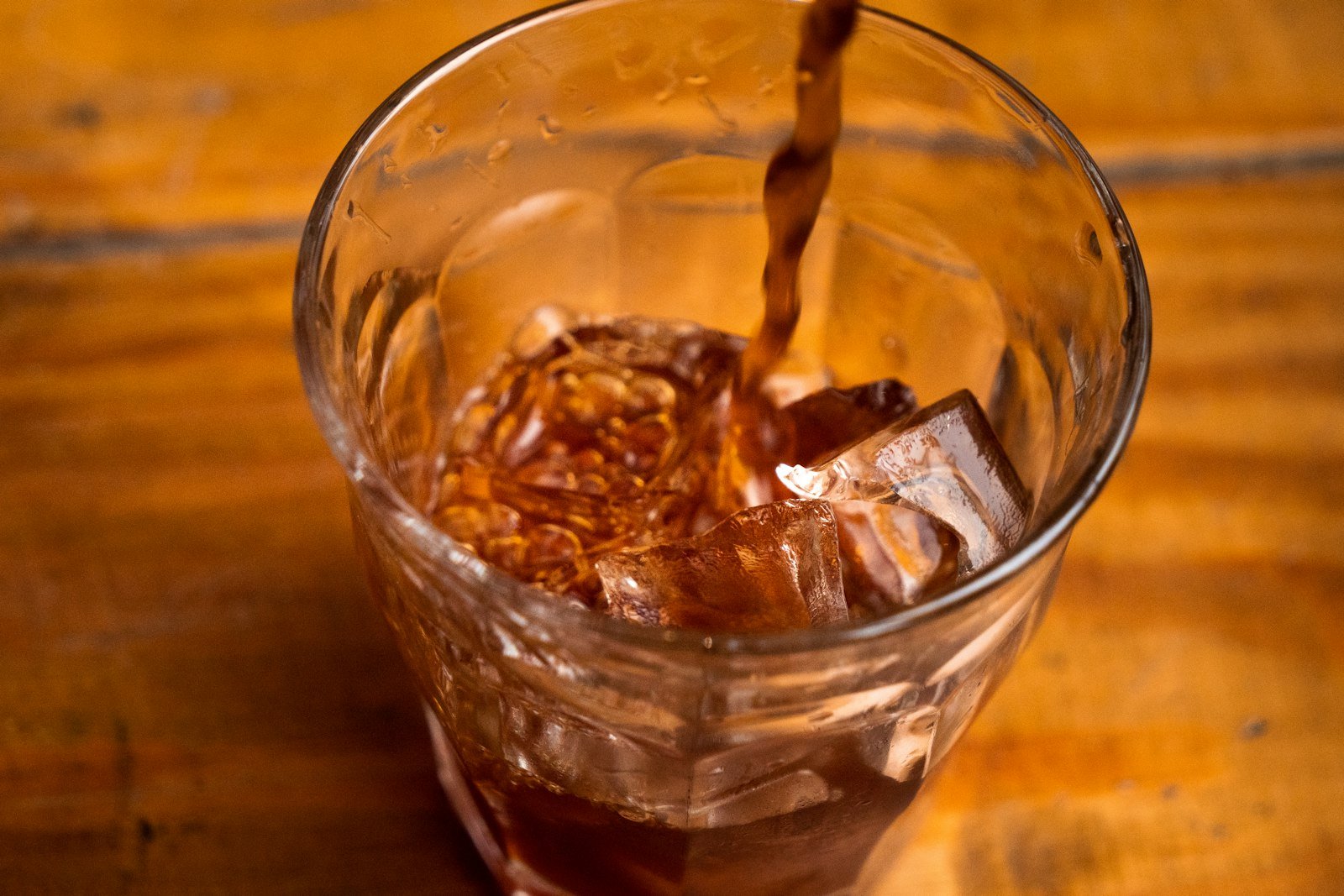
Stoney Tangawizi is a carbonated ginger soda bottled and sold across Kenya by Coca-Cola Beverages Africa. “Tangawizi” is Swahili for ginger, and the drink earns the name. Unlike polite Western ginger ales, Stoney is built around a pungent, almost peppery ginger note that lingers after the sweetness fades. It comes in a deep amber colour, in glass bottles you exchange at the duka or PET bottles for the road, and is usually sold ice-cold next to its Coca-Cola, Fanta, and Krest stablemates.
Across East Africa, Stoney has a near-mythical status. It is the default request when someone asks “soda?” at a Kenyan family gathering — kids and elders alike reach for the orange and yellow label. The bottle has changed shape, the formula has been tweaked, but the soul of it has remained the same: gingery, fizzy, unapologetic.
A Brief History: How Stoney Found a Permanent Home in Kenya
Stoney was originally a South African creation by the Schweppes brand in the early 20th century, designed as a sharper alternative to Schweppes’s softer ginger ale. By the 1960s, the recipe had travelled north and found a far more enthusiastic audience in East Africa than it ever had at home. Kenyans, already cooking with ginger in chai, pilau, and stews, took to the drink instantly. Tanzania and Uganda followed.
Today, Stoney Tangawizi is bottled at The Coca-Cola Company‘s Kenyan plants in Nairobi, Mombasa, and Kisumu. While the international Schweppes ginger line has quietly faded in many markets, the Kenyan Stoney has become a kind of national soft drink — the kind every household has stocked when guests are coming, the kind sold from cooler boxes outside churches on a Sunday. In 2014, when Coca-Cola briefly tinkered with the formula, the public response was loud enough to bring back the original recipe within months. Kenyans, it turns out, will defend their tangawizi.
Why Kenyans Love That Tangawizi Kick
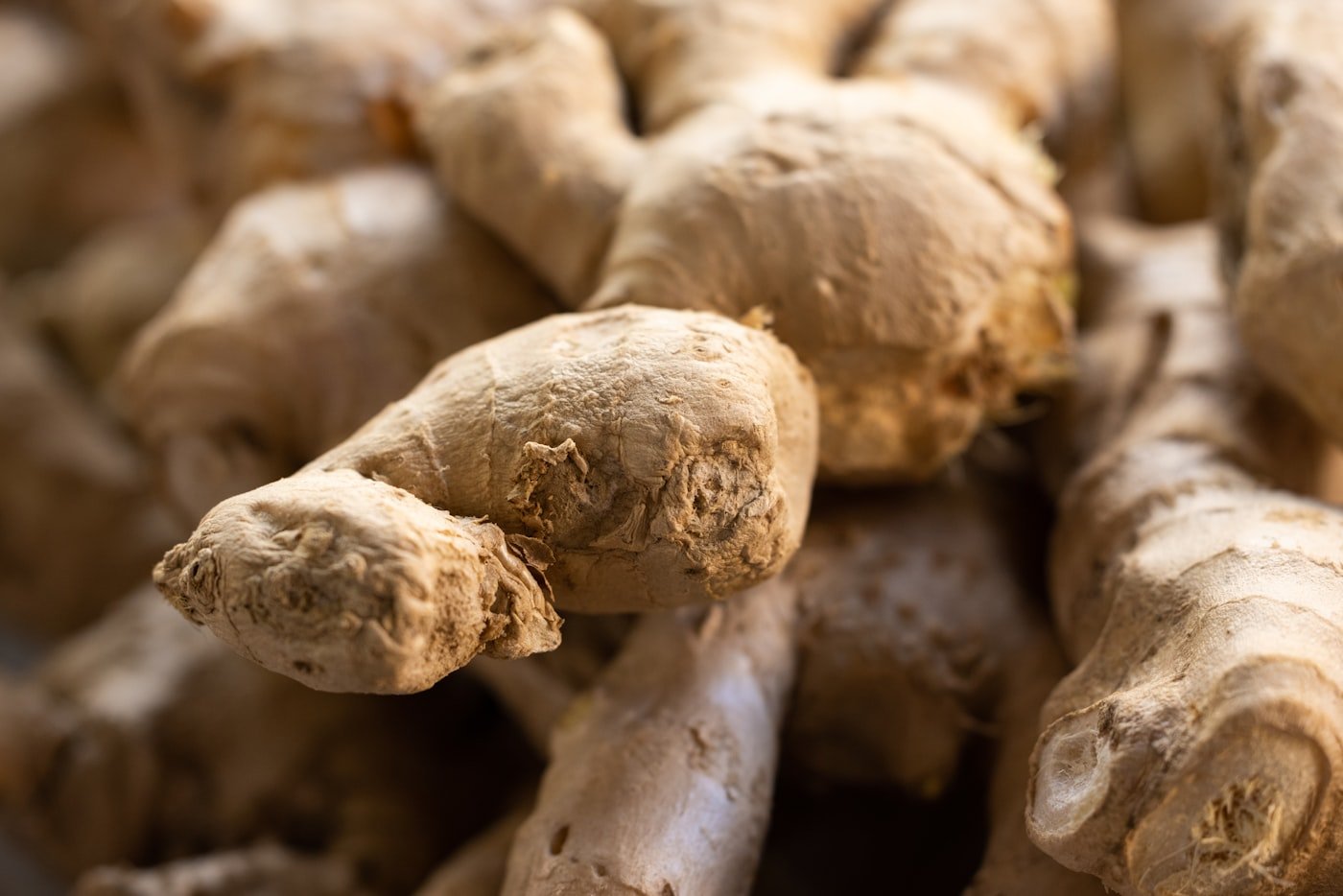
Ginger sits at the centre of Kenyan kitchens. It’s grated into morning chai, simmered into mchuzi (stew), pounded with garlic into marinades for nyama choma. So a soda that doubles down on that flavour was never going to be a hard sell. There’s also the warming, throat-clearing quality of ginger that Kenyans associate with feeling better — a Stoney is what you reach for when you’ve eaten too much pilau, when you’re driving long-distance from Nairobi to the coast, or when a cold is starting to creep in.
It is also a drink with social texture. Order one with chips mayai (chips and egg) at a Westlands café and the waiter nods like you’ve ordered correctly. Pack a crate of Stoneys for a Sunday picnic at Karura Forest and everyone smiles. Some things just belong together. For more on Kenya’s beloved beverages, see our roundup of traditional Kenyan drinks from various communities.
The Best Ways to Drink Stoney in Kenya
Stoney is rarely just a drink — it’s a pairing. After years of testing combinations across Kenya’s regions, these are the ones we keep coming back to:
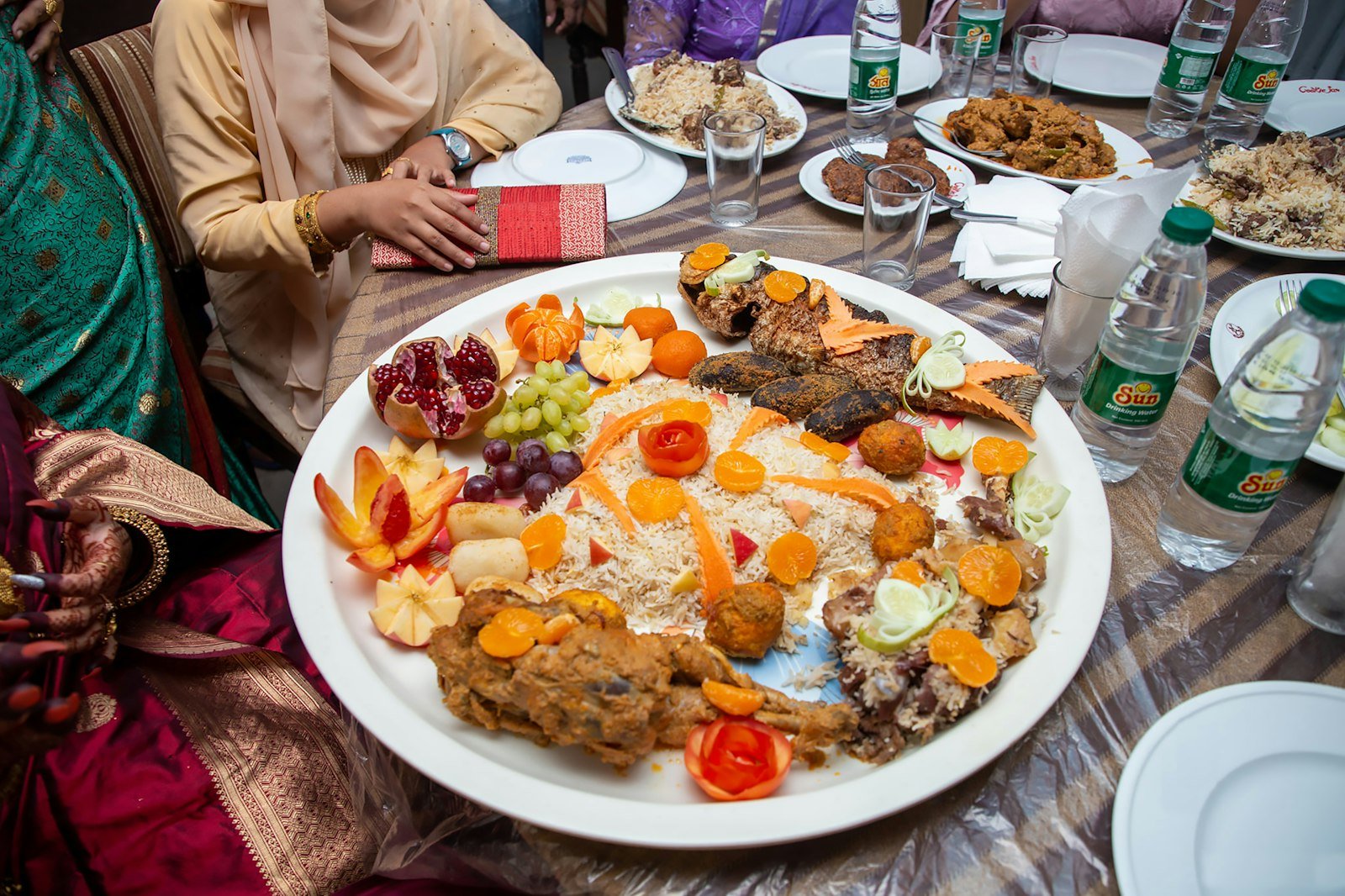
- Stoney + nyama choma: The fattiness of grilled goat or beef begs for something sharp and sweet to cut through it. The ginger heat lifts the smoke.
- Stoney + chips mayai or smokie pasua: The greasy comfort of Kenyan street snacks deserves a bright, fizzy partner. Try it with our smokie pasua guide for the full Nairobi experience.
- Stoney + mandazi for breakfast: Controversial, beloved by school kids and grandmothers alike. The sweetness of the doughnut and the ginger bite is a quiet kind of magic.
- Stoney on the matatu: Long-distance bus stops at Mtito Andei or Salgaa wouldn’t be the same without that cold bottle from the kiosk.
- Stoney + mahindi choma: Sweet roasted maize meets gingery fizz. A perfect pair, especially in cooler highland weather — more on it in our mahindi choma guide.
There is also the legendary “dawa” mix some Kenyans swear by: a splash of Stoney into hot black tea or with a tot of whisky for an evening warm-up. Stoney’s flexibility is part of the magic.
Beyond the Bottle: Recreating the Spirit of Stoney at Home
If you find yourself far from a Kenyan duka, the closest homemade approximation is a strong fresh-ginger syrup, mixed with chilled sparkling water and a squeeze of lime. Simmer 100 g of grated ginger with 200 g sugar and 250 ml water for 10 minutes, strain, and chill. Pour a thumb of syrup into a glass of cold soda water and stir. It won’t be Stoney — nothing quite is — but it will scratch the itch. For the technique behind a similar warming flavour, see our piece on how cardamom (iliki) defines Kenyan cooking.
Frequently Asked Questions
Is Stoney Tangawizi alcoholic?
No, Stoney is a non-alcoholic carbonated soft drink. It contains carbonated water, sugar, ginger flavouring, caffeine, and food colourings. Children drink it just as freely as adults across Kenya.
Where is Stoney Tangawizi sold?
Stoney is widely available across Kenya, Tanzania, and Uganda from supermarkets, kiosks, restaurants, and roadside vendors. It is also exported in smaller quantities to East African diaspora communities in the UK, US, and the Gulf — though stock is rarely reliable.
Is Stoney Tangawizi the same as ginger ale?
Not really. Most Western ginger ales (like Canada Dry) are mellow and lightly flavoured. Stoney leans on a much sharper, hotter ginger note — closer in spirit to a Jamaican ginger beer than a soft American ginger ale.
Is Stoney good for an upset stomach?
Many Kenyans reach for a Stoney to ease nausea or motion sickness, leaning on ginger’s traditional digestive reputation. While there is no strong clinical evidence specific to Stoney, ginger itself has well-documented mild anti-nausea properties.
The Last Sip
Stoney Tangawizi isn’t fancy, and it doesn’t try to be. It is a working drink — sold for less than a hundred shillings, drunk between mouthfuls of githeri, packed for a road trip, slipped into a wedding cooler box. In a country that takes its ginger seriously, Stoney is the people’s bottle: spicy, sweet, fizzy, ours.