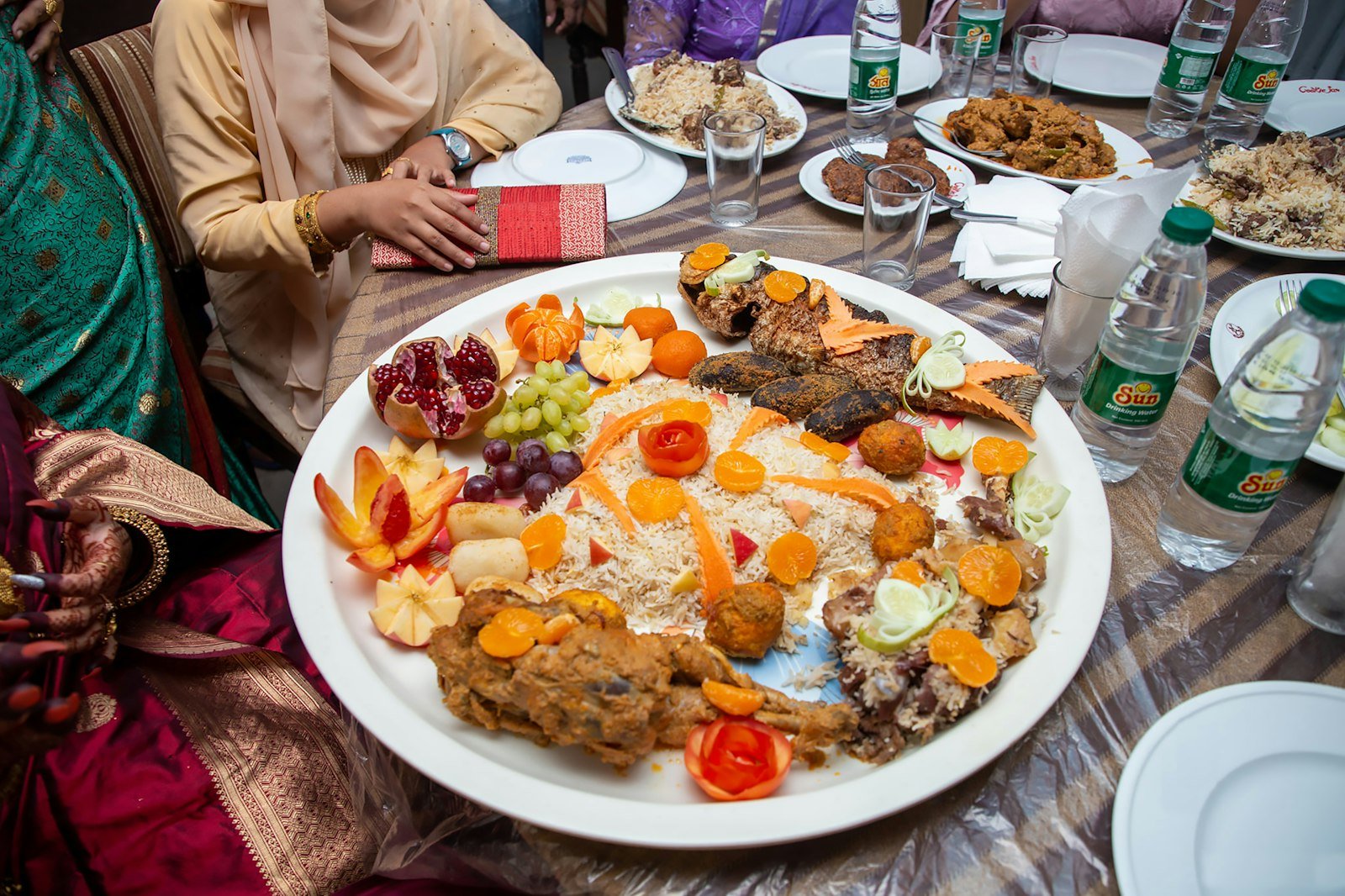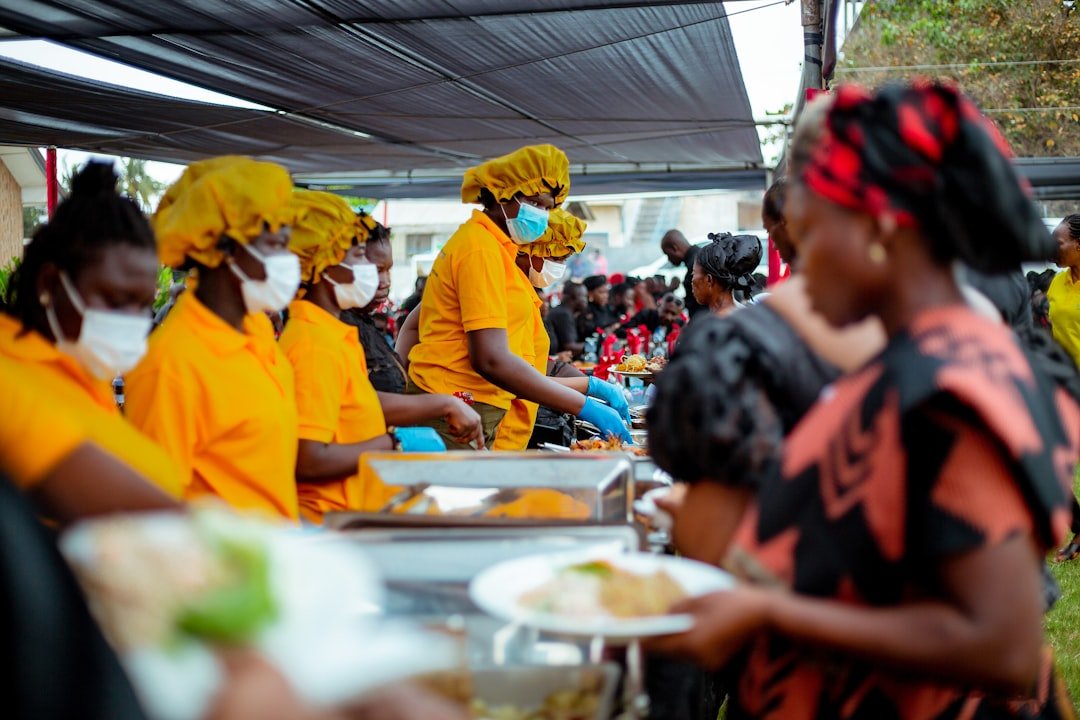
Good Friday marks the start of one of Kenya’s most anticipated long weekends. Schools close, matatus fill up with families heading upcountry, and the smoke of jikos and charcoal grills begins to drift from compounds across the country. Kenyan Easter foods are deeply communal — feasts that bring together extended families, fill living rooms with laughter, and remind us how much we love feeding the people we care about. Whether you’re hosting this year or heading somewhere special, here’s what lands on Kenyan tables over the Easter weekend.
Nyama Choma — The Easter Centrepiece
If there’s one dish that defines Kenyan Easter celebrations, it’s nyama choma (roasted meat). The smell of goat or mutton slowly grilling over charcoal is an Easter signal as reliable as the church bells. Families pool together to buy a whole goat — or at least a good-sized leg — and the men typically take charge of the fire from mid-morning.
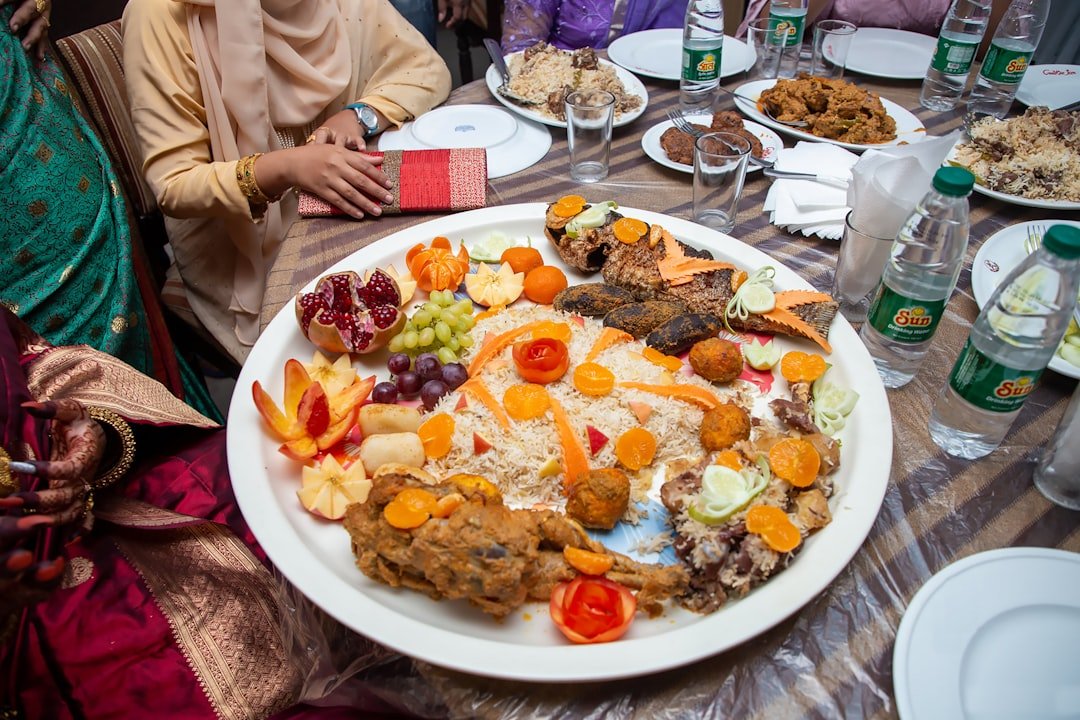
The meat is cut into large portions, seasoned simply with salt, and roasted low and slow until the outer skin is crispy and the inside is tender. It’s served with kachumbari (tomato and onion salad with coriander and chilli), ugali, and sukuma wiki (collard greens). At the coast, you’ll often find the goat marinated in a mixture of Kenyan spices — cumin, coriander, and garlic — before it hits the fire.
In urban Nairobi, many families head to their favourite nyama choma spot — Carnivore, Kenyatta Market, or the butcheries along Thika Road that set up extra seating every Easter without fail.
The Easter Table: Traditional Dishes That Always Show Up
Beyond the roast, a Kenyan Easter spread is a full production. A few dishes appear on nearly every family table regardless of region:
- Pilau — Spiced rice cooked in a rich broth of onions, tomatoes, and whole spices. Our authentic Swahili pilau recipe will give you the full technique.
- Chapati — The Easter weekend practically demands a stack of flaky, layered chapati. Kids are usually roped in to help roll them. See our simple chapati recipe if you’re making them from scratch.
- Mukimo — Mashed potatoes, peas, corn, and pumpkin leaves blended into a dense green-flecked mash. A staple in Central Kenya and the Rift Valley, it’s the perfect side to soak up the rich stew juices.
- Pilipili na Nyanya Stew — A slow-cooked tomato and pepper stew, often with added beef bones for depth. Pot always on, always available.
- Mandazi — Deep-fried dough triangles, slightly sweet and spiced with cardamom. Eaten at breakfast, as a snack, and as a dessert. Made in batches large enough to last the weekend.
For coastal families, the Easter table often includes biryani and wali wa nazi (coconut rice), reflecting the Swahili culinary heritage that makes Mombasa and Malindi’s food culture so distinct.
Easter Across Kenya: Regional Traditions on the Plate
Kenya’s food is as diverse as its 42 communities, and Easter reveals those differences beautifully.
Central Kenya (Kikuyu and Meru communities): Easter means irio (mashed potatoes, corn, and greens), muthokoi (dried corn and beans boiled together), and roasted ngombe (beef). Families slaughter a cow — a mark of true celebration.
Western Kenya (Luo and Luhya communities): Lake fish takes the centrepiece in Luo homesteads — particularly omena (dried silver cyprinid), tilapia, and the beloved Luo treat of deep-fried samaki (fish) with ugali. Luhya families are famous for their whole chicken dishes and the generous portions that come with them.
The Coast: Easter coincides with the tail end of the long rains near the coast, making fresh produce abundant. Families celebrate with elaborate seafood feasts — crab, prawns, and octopus prepared in coconut milk — alongside spiced rice dishes. The Swahili tradition of elaborate hospitality means neighbours and friends are always welcome at the table.
Rift Valley: Maasai and Kalenjin families often roast goat communally, with mutura (Kenyan sausage) grilled on the fire alongside it. Mursik (fermented milk stored in a gourd) is offered to guests as a mark of welcome.
Sweet Endings: Easter Treats and Drinks
The Kenyan Easter sweet table is unpretentious and deeply nostalgic. Mandazi ya nazi (coconut mandazi), mabuyu (sweet baobab seeds, especially popular at the coast), and fresh-cut sugarcane are childhood favourites that adults can never quite give up.
No Easter gathering is complete without chai ya maziwa — milky, heavily spiced tea brewed strong enough to anchor a long afternoon of conversation. If you want to make it properly, our guide to Kenyan chai masala is worth bookmarking. Fresh juices — passion fruit, mango, and tamarind — keep the younger crowd going through the afternoon.
For more on how Kenyans bring food to their celebrations, our piece on Kenyan festive foods and celebration dishes has plenty of inspiration year-round.
FAQ: Kenyan Easter Foods
What is the most popular food eaten during Easter in Kenya?
Nyama choma (roasted goat or mutton) is the most popular Easter dish in Kenya. It’s typically prepared over charcoal and shared with family outdoors, often alongside pilau, chapati, and kachumbari.
Do Kenyans have special Easter food traditions?
Yes — most Kenyan families slaughter a goat or buy meat as a mark of celebration. Church attendance on Good Friday and Easter Sunday is followed by communal feasts at home, with extended family gathered from across the country.
What do Kenyan children eat at Easter?
Children look forward to freshly made mandazi, sweetened chapati with honey or jam, mabuyu at the coast, and sugarcane. Chapati-rolling is often a family activity that kids enjoy helping with.
Easter in Kenya isn’t about chocolate eggs — it’s about the fire outside, the noise of family arriving, and the table that somehow never quite runs out of food. Wherever you’re celebrating this year, from the slopes of Mount Kenya to the shores of Lake Victoria, we hope your Easter plate is full and your company even fuller.