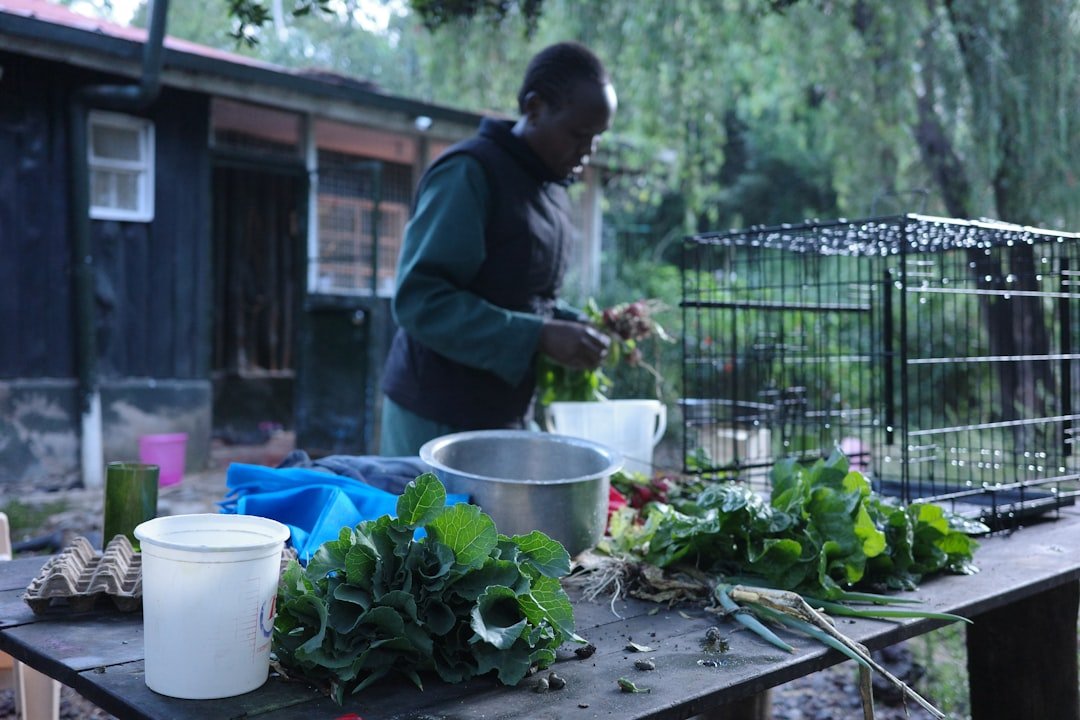
Walk through any Kenyan market on a Wednesday morning and your eyes catch them immediately — deep-green bundles of managu, the feathery-leafed sprigs of terere, and the thick, fleshy stems of mrenda stacked beside tomatoes and onions. These are Kenya’s traditional greens, and for millions of households across the country, they are as essential as ugali itself.
Yet outside Kenya, and increasingly among younger urban Kenyans, these indigenous vegetables are fading from daily cooking. Growing up spending time in Nairobi and now based in Dubai, I find myself craving these flavours more than almost anything else — the slight bitterness of managu softened with milk, the earthy, silky comfort of mrenda, the peppery freshness of terere with simsim. They carry a taste of home that nothing from a supermarket shelf can replicate.
This guide covers Kenya’s most beloved traditional leafy greens — what they are, how to cook them properly, and why they deserve a permanent place on your plate.
What Are Kenya’s Traditional Leafy Greens?
Kenya has over 200 indigenous vegetable species, but three stand above the rest in everyday cooking:
- Managu (Solanum nigrum / African nightshade) — grown across Central Kenya, the Rift Valley, and Nairobi suburbs
- Terere (Amaranthus hybridus / African amaranth) — widely eaten in Western Kenya and the Nyanza region
- Mrenda (Corchorus olitorius / jute mallow) — the coastal and Western Kenya favourite, famous for its distinctly silky texture
Together, these three vegetables appear in millions of Kenyan meals every single day. They are cheap, nutritious, and deeply embedded in the food traditions of every community in the country. According to the Food and Agriculture Organization (FAO), indigenous African vegetables like these contain higher levels of iron, calcium, and folate than most widely sold commercial greens.
Managu: The Green That Defines Kenyan Comfort Food
If there is one vegetable that says nyumbani (home) to a Kenyan cook, it is managu. Known in English as African nightshade, this leafy green has a distinctive bittersweet flavour that mellows beautifully during cooking.
In Central Kenya, managu is almost always cooked in milk — a technique passed down for generations in Kikuyu households that balances the natural bitterness and creates a creamy, deeply satisfying sauce. The combination is simple and unchanged: onions, tomatoes, salt, and fresh cow’s milk stirred in at the end of cooking.
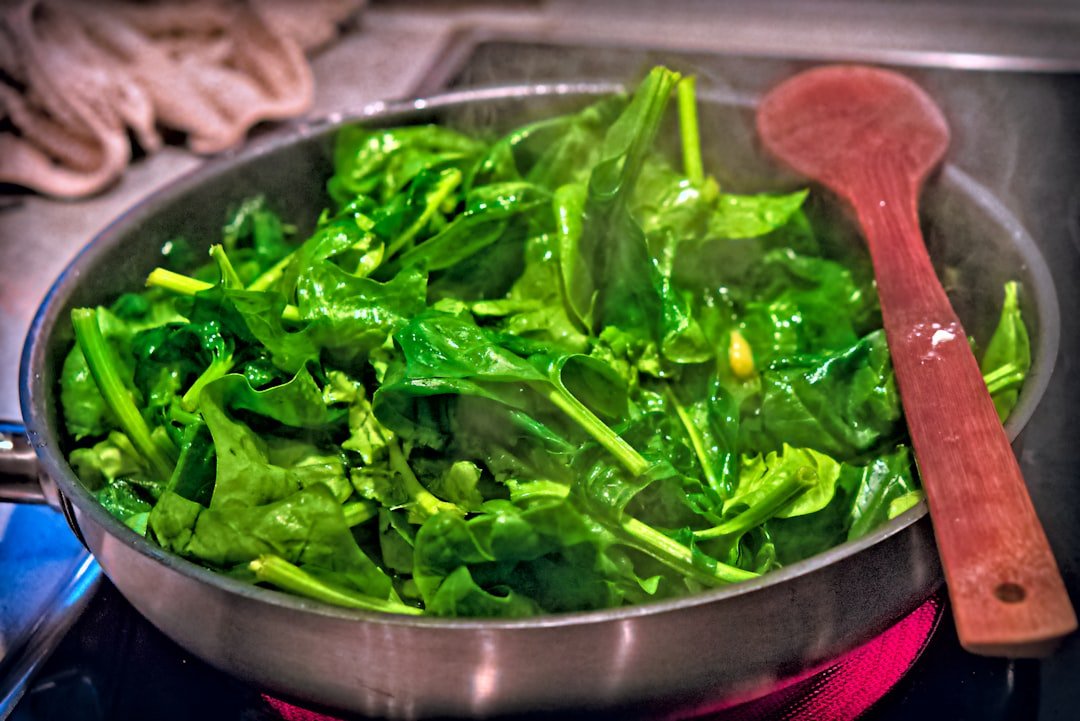
How to cook managu the traditional way: Sauté diced onions in a little oil until softened. Add chopped tomatoes and cook until they collapse into a sauce. Stir in washed, roughly chopped managu leaves and stems, season with salt, then pour in a quarter cup of fresh milk. Stir, and cook on low heat for 5–8 minutes until the greens are tender and the sauce has thickened. Serve alongside ugali or chapati.
Tip from the kitchen: Never discard the stems — they carry the deepest flavour. Chop them finely so they cook at the same rate as the leaves. Managu pairs beautifully alongside githeri for a filling, traditional plate.
Terere and Mrenda: Western Kenya’s Most Prized Greens
Terere (African Amaranth)
Terere is beloved across Western Kenya and Nyanza, where Luo and Luhya communities have cooked it for centuries. Its flavour is milder than managu, with a pleasant earthiness that pairs exceptionally well with simsim (sesame) sauce — a combination so classic it is almost sacred in Siaya, Kisumu, and Kakamega.
To cook terere properly, blanch the leaves briefly in boiling salted water to reduce their natural oxalic acid, then sauté with onions, tomatoes, and a generous spoonful of ground simsim (or peanut butter as a substitute). The result is nutty, earthy, and deeply nourishing. Terere is also excellent added to githeri or served alongside omena (silver cyprinid fish) for a classic Nyanza meal. For more on Kenya’s Nyanza food culture, our Kisumu food guide is essential reading.
Mrenda (Jute Mallow)
Mrenda is the most distinctive of Kenya’s three traditional greens, known for its glutinous, silky texture when cooked — a quality Kenyan cooks prize for the way it naturally thickens a sauce without any added starch. It is especially popular in Kakamega, Bungoma, and along the Coast, where it is cooked simply with onions, tomatoes, and a little water.
If you have never cooked mrenda before, the texture surprises you. As it cooks, it releases a slippery, luxurious liquid that coats every ingredient in the pot. Served with ugali and a piece of grilled chicken or fish, it is one of the most comforting meals in Kenyan cooking. The TasteAtlas entry on mrenda notes its recognition as one of Africa’s most distinctive leafy greens, though anyone who grew up eating it will tell you no description fully captures the experience.
Where to Find Traditional Kenyan Greens
In Nairobi, managu, terere, and mrenda are widely available at open-air markets across the city:
- City Market (Muindi Mbingu Street, CBD) — fresh supplies arrive daily from upcountry farms
- Toi Market and Kibera Market — among the most affordable in the city
- Ngara Market — a favourite for fresh indigenous vegetables and traditional produce
- Quickmart and Naivas supermarkets — pre-washed and bundled in some branches, at a premium
Outside Nairobi, you will find them at every county market. In Western Kenya and Nyanza, terere and mrenda are especially abundant from March through May, as the long rains (masika) bring a generous flush of fresh growth. In Central Kenya, managu grows year-round and is available throughout the highlands.
For visitors exploring Kenya’s food scene, picking up a bundle of managu at a local market and cooking it with a host family is one of the most authentic food experiences the country offers. Our Nairobi street food guide has more on where to eat traditional food in the capital.
The Nutritional Case for Eating Traditional Greens
Kenya’s indigenous vegetables are not just culturally important — they are nutritional powerhouses that outperform many imported greens. Research published through the Bioversity International network confirms that African nightshade (managu) contains significantly higher iron and calcium levels than spinach, while amaranth (terere) is an exceptional source of protein, beta-carotene, and folate. Mrenda contributes vitamins A and C alongside its uniquely beneficial mucilaginous fibre, which supports digestive health.
These are not just heritage foods. They are among the most nutrient-dense vegetables available to Kenyan households — at a fraction of the cost of broccoli, kale, or any imported green. Eating traditional greens is not only culturally meaningful; it is one of the most sensible nutritional choices a Kenyan household can make.
Frequently Asked Questions
What is managu in English?
Managu is the Kikuyu and common Swahili name for African nightshade (Solanum nigrum subsp. nigrum). It is a leafy green vegetable eaten across East and Central Africa, recognised for its slightly bitter flavour, deep-green colour, and high nutritional value.
Can I cook Kenyan traditional greens without milk?
Yes. While managu is traditionally cooked with fresh cow’s milk in Central Kenya, many households use water or vegetable broth instead. The milk reduces bitterness and adds creaminess, but the dish is delicious either way — particularly if you cook it slowly to develop the flavour.
Are mrenda and okra the same vegetable?
No. Mrenda (jute mallow, Corchorus olitorius) is a different plant from okra, though both produce a similar glutinous texture when cooked. Mrenda has thinner, more delicate leaves — it is the leaf, not a pod, that is eaten. The slippery texture is actually a prized quality in Kenyan cooking, not something to cook away.
Where can I find managu outside Kenya?
In cities with East African diaspora communities — London, Minneapolis, Toronto, Dubai — look for African grocery stores or international supermarkets. Managu may be sold fresh as “African nightshade” or dried. If unavailable, spinach or Swiss chard can stand in for recipes, though the flavour profile is different.
Conclusion
Kenya’s traditional greens — managu, terere, and mrenda — are a living thread connecting generations of Kenyan cooks. They carry the flavour of community kitchens, market mornings, and family tables that no imported vegetable can replicate. Whether you cook managu with milk the Kikuyu way, terere with simsim the Luo way, or mrenda simply with tomatoes and onions, you are participating in something genuinely, beautifully Kenyan.
If you are new to these greens, start with managu. Find a bundle at your nearest market, cook it slowly with fresh milk, and serve it with ugali. You will understand immediately why this humble vegetable has fed Kenya for so long — and why, sitting far from home in Dubai, it is the taste I miss most.