On any cool highland evening in Nyeri, Meru, or Muranga, the smell of sweet potatoes roasting on a charcoal jiko drifts from roadside stalls long before you see the vendor. Wrapped in newspaper, still warm and a little smoky, ngwaci — Kenya’s beloved sweet potato — is one of those humble foods that has fed generations without asking for recognition.
From the highland farms of Central Kenya to school tuck shops, market stalls in Kisumu, and home kitchens across the country, ngwaci holds a quiet but powerful place in Kenyan food culture. It is filling, affordable, and remarkably versatile. And yet it rarely gets the appreciation it deserves. This guide changes that.
What Is Ngwaci? Kenya’s Sweet Potato Explained
Ngwaci is the Kikuyu word for sweet potato (Ipomoea batatas), and it has become the most widely used term for it across many Kenyan communities. Depending on where you are, you might hear it called kiazi kitamu in Swahili or referred to simply as “sweet potato” in everyday conversation.
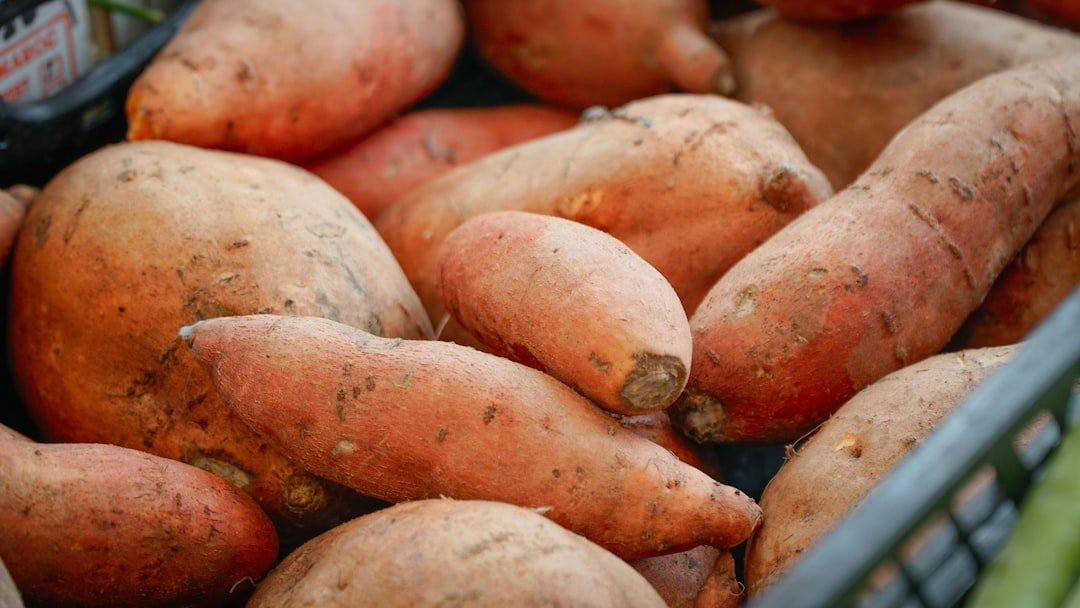
Kenya grows several varieties, ranging from the pale cream-fleshed types common in the highlands to the deeper orange-fleshed varieties promoted by nutrition programmes in western Kenya. The orange-fleshed variety, sometimes marketed as Kabode or SPK004, is particularly rich in beta-carotene — the plant pigment that converts to vitamin A in the body.
According to the Food and Agriculture Organization (FAO), orange-fleshed sweet potato has become a key tool in addressing vitamin A deficiency in sub-Saharan Africa, and Kenya’s agricultural researchers at KALRO (Kenya Agricultural and Livestock Research Organisation) have been instrumental in developing higher-yield, disease-resistant varieties suited to Kenyan soils.
Ngwaci in Kenyan Culture: More Than Just a Root
Ngwaci holds deep roots in the culinary traditions of the Kikuyu, Embu, Meru, Kamba, and Luhya communities. In many households, sweet potatoes were a staple crop grown alongside maize, beans, and sorghum — part of the intercropped smallholder farming that has sustained Kenyan families for centuries.
Sweet potato is the kind of food that reminds you where you come from. In many Kenyan families, ngwaci was the snack kept near the jiko — selected from the burlap sack at the bottom of the pantry, tested by pressing with a thumb, and roasted over low heat until the skin blistered and split. That caramelised, slightly smoky sweetness is uniquely Kenyan.
Today, ngwaci appears in many forms: boiled with githeri, mashed into dishes like irio, served alongside managu and terere, or simply roasted whole as a street snack. It is one of Kenya’s most accessible superfoods.
3 Ways to Cook Ngwaci Like a Kenyan
Sweet potato adapts beautifully to almost every cooking method. Here are the three preparations you will encounter most in Kenyan kitchens and on Kenyan streets.
1. Boiled Ngwaci (Kiazi Kitamu Boil)
The simplest and most common preparation. Peel, quarter, and boil in salted water for 20 to 25 minutes until a fork goes through easily. Eat hot with a pinch of salt, or mash into mukimo alongside peas and potato. Boiled ngwaci also pairs beautifully with Kenyan morning tea as part of a hearty highland breakfast.
2. Jiko-Roasted Ngwaci (The Street Vendor Style)
This is the one that hits you with nostalgia. Do not peel — just scrub the skin clean and place the whole sweet potato directly on a low charcoal jiko. Rotate every 5 minutes for 30 to 40 minutes until the skin chars and the inside is completely soft. The natural sugars caramelise inside the skin, creating a naturally sweet, slightly smoky result that needs nothing added. This is how roadside vendors across Central Kenya have served ngwaci for generations — and it remains one of the most satisfying Kenyan street foods available for under 50 shillings.
3. Ngwaci in Stews and Soups
Cut ngwaci into chunks and add it to bean stews, beef soups, or vegetable broths in the last 20 minutes of cooking. Sweet potato thickens the broth naturally as its starch releases, adding body and a gentle sweetness that balances savoury elements beautifully. It pairs especially well with managu (African nightshade) and black-eyed peas in a simple one-pot stew — nourishing, affordable, and very Kenyan.
The Nutritional Power of Ngwaci
Ngwaci is not just delicious — it is extraordinarily nutritious. A 100-gram serving of cooked sweet potato provides:
- Vitamin A (from beta-carotene in orange varieties) — critical for eyesight and immune function
- Vitamin C — antioxidant and immune support
- Potassium — supports heart health and blood pressure
- Dietary fibre — aids digestion and promotes long-lasting fullness
- Complex carbohydrates — sustained energy, with a lower glycaemic index than white potato or white rice
- Manganese — supports bone health and metabolism
The orange-fleshed varieties increasingly available in Kenyan markets have a beta-carotene content comparable to carrots. This makes ngwaci one of the most nutrient-dense affordable foods available in Kenya — a status recognised by the WHO in its guidance on plant-based solutions to micronutrient deficiency across East Africa. For families feeding children, pregnant women, or elderly relatives, ngwaci is not just food — it is preventive nutrition.
Frequently Asked Questions About Ngwaci
What is the difference between ngwaci and nduma?
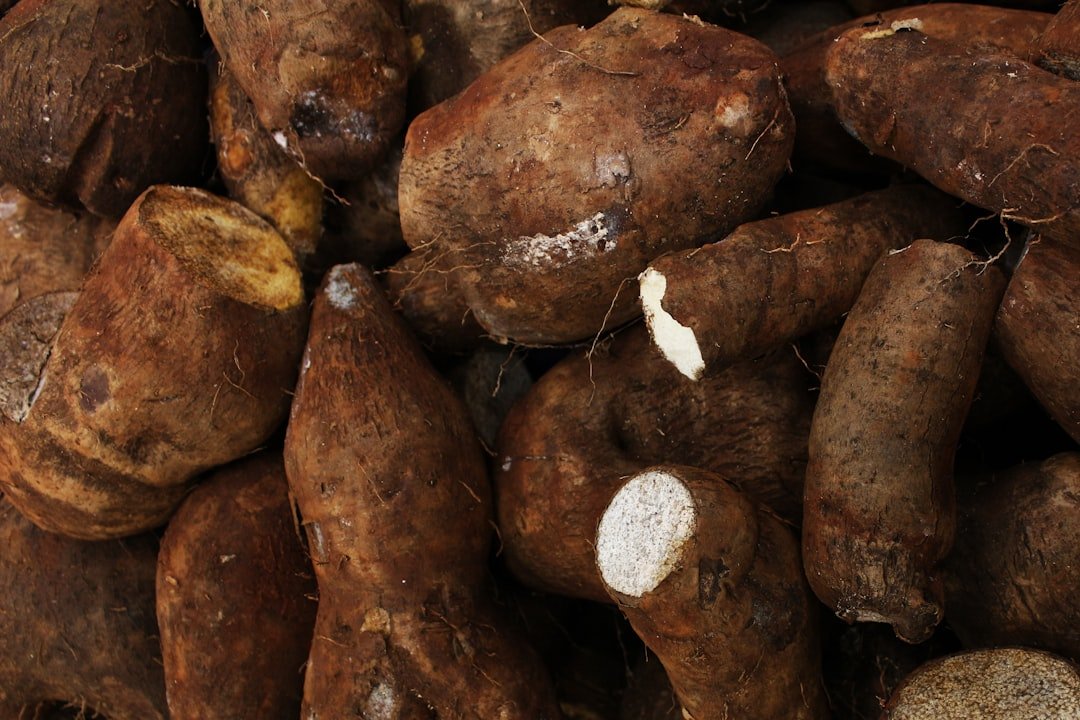
Ngwaci is sweet potato — soft, sweet-tasting, and relatively low in starch. Nduma is arrow root, which is denser, starchier, and more savoury in taste. Both are Kenyan highland staples but they taste and cook very differently.
Can you eat ngwaci leaves?
Yes. Sweet potato leaves are edible and nutritious. In western Kenya they are sautéed with onions and tomatoes much like sukuma wiki. The leaves are rich in iron and vitamins and have a mild, slightly earthy flavour.
How do you pick the best ngwaci at the market?
Choose firm, smooth-skinned tubers with no soft spots, cracks, or visible mould. Smaller to medium-sized ngwaci tend to be sweeter and cook more evenly than large, woody ones. Avoid any with green patches — this can indicate solanine, which is bitter.
Is ngwaci good for weight management?
Sweet potato has a lower glycaemic index and higher fibre content than ugali or white rice, which means it keeps you fuller for longer. Boiled or jiko-roasted without added fat, ngwaci is an excellent base for balanced, satisfying Kenyan meals.
Ngwaci is one of those Kenyan foods that rewards attention. It has been on Kenyan plates for generations — grown in highland shambas by smallholder farmers, sold in jute sacks at Karatina Market, and roasted by vendors who know exactly the right moment to pull it from the jiko. Next time you pass a street stall with a charcoal fire and a pile of sweet potatoes, stop. Some of the best Kenyan food experiences are the simplest ones.
Have a favourite way you cook ngwaci at home? Share it in the comments — we would love to hear how your family enjoys it.