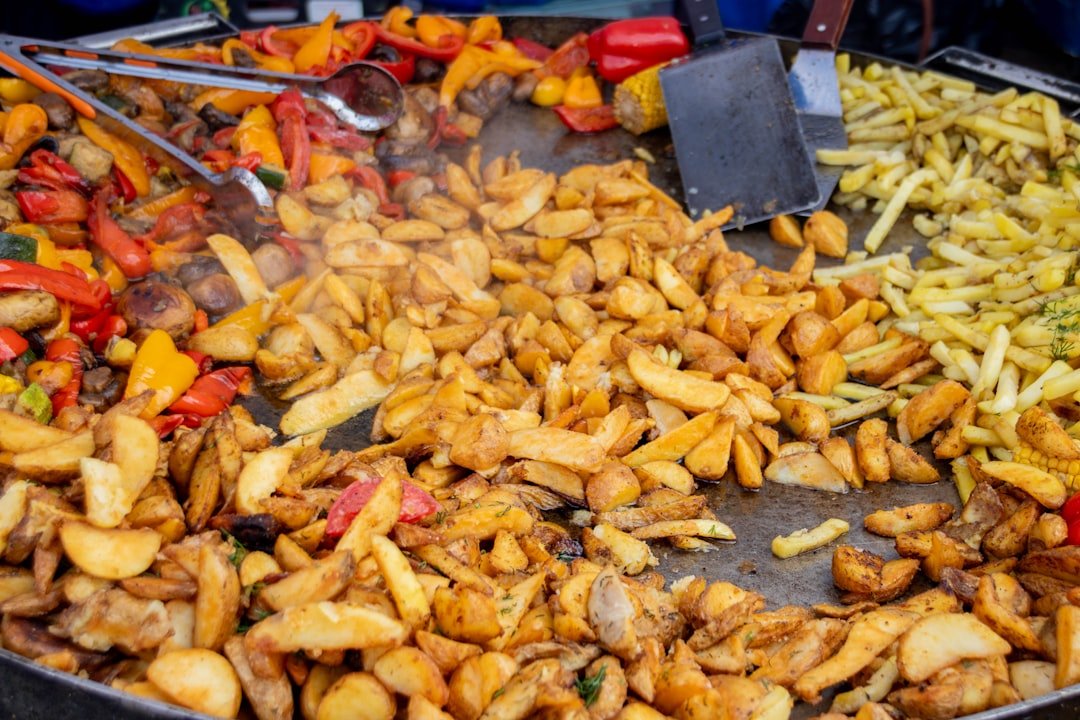
The smell hits you before you even see the stall — hot oil, cumin, and garlic curling up from a cast-iron karai on a busy Mombasa street corner. Viazi karai, Kenya’s beloved spiced fried potato, is one of the greatest gifts of Swahili coastal cooking. Battered in fragrant chickpea flour and fried until golden, this viazi karai recipe brings that street food magic right into your own kitchen.
What Are Viazi Karai?
The name says it all. Viazi is Swahili for potatoes, and karai refers to the deep, wide cooking pan — similar to a wok or Indian karahi — used to fry them. The dish is deeply rooted in Swahili coastal culture, a cuisine shaped over centuries by East African, Arab, and South Asian traders who sailed the same winds along the Kenyan coast.
Viazi karai are small, whole boiled potatoes coated in a spiced chickpea flour batter (unga wa dengu) and deep-fried until they’re crispy on the outside and soft in the middle. You’ll find them at street stalls across Mombasa, Malindi, and increasingly in Nairobi’s food markets. They’re eaten as a snack, a light meal, or alongside a steaming cup of chai.
What sets viazi karai apart is the batter. Unlike plain fried potatoes, the chickpea coating carries turmeric, cumin, and green chilli — a flavour profile that echoes the ancient spice trade that shaped our coastline. If you’ve walked the narrow lanes of Mombasa Old Town and stopped at a karai stall, you’ll know exactly the taste I mean.
Ingredients for Viazi Karai
Prep time: 15 minutes | Cook time: 25 minutes | Servings: 4 | Difficulty: Easy
For the potatoes:
- 500g small potatoes (viazi vidogo), boiled whole until just tender
- Oil for deep frying (mafuta ya kupikia)
For the spiced batter:
- 1 cup chickpea flour (unga wa dengu or besan)
- ½ cup water, added gradually
- 1 tsp turmeric (manjano)
- 1 tsp ground cumin (bizari)
- ½ tsp ground coriander (giligilani ya unga)
- 1 green chilli, finely minced (pilipili kijani)
- 2 cloves garlic, crushed (vitunguu saumu)
- 1 tsp salt
- ½ tsp black pepper
For serving:
- Fresh kachumbari (tomato and onion relish)
- Tamarind sauce or green chilli chutney
- Freshly squeezed lime juice
How to Make Viazi Karai Step by Step
- Boil the potatoes. Place small potatoes in a pot of salted water and boil for 15–20 minutes until just cooked through — they should hold their shape and not fall apart. Drain completely and let them cool. Pat each potato dry with a kitchen towel. Dry potatoes = crispier batter.
- Make the batter. In a mixing bowl, combine chickpea flour, turmeric, cumin, coriander, salt, and black pepper. Add the minced chilli and crushed garlic. Gradually pour in water, whisking until smooth. You want a thick batter that coats the back of a spoon — not runny, not stiff like dough.
- Heat the oil. Pour enough oil into a deep pot or karahi to fully submerge the potatoes. Heat over medium-high heat. Test the temperature by dropping a small amount of batter into the oil — it should sizzle and rise to the surface within a second. If it sinks and sits there, the oil isn’t hot enough. If it burns immediately, reduce the heat.
- Coat and fry. Dip each potato into the batter, turning to coat fully. Gently lower into the hot oil. Fry in small batches — never crowd the pot. Cook for 3–4 minutes per batch, turning once or twice, until golden-brown and crispy all over.
- Drain and serve. Remove with a slotted spoon and place on kitchen paper to drain. Sprinkle with a little extra salt while still hot.
- Plate with accompaniments. Serve immediately alongside kachumbari, a squeeze of fresh lime, and tamarind sauce or your favourite pilipili chilli sauce. They are best eaten the moment they come out of the oil.
Tips for the Perfect Crispy Viazi Karai
Getting viazi karai right comes down to a few details that every good Mombasa karai vendor has mastered over years of practice:
- Dry the potatoes thoroughly. Moisture is the enemy of a crispy crust. After boiling, leave them to cool and dry for at least 20 minutes. Any steam escaping from a wet potato will make the batter soggy.
- Chickpea flour is essential. Besan gives viazi karai their characteristic earthy crunch and golden colour. Plain wheat flour won’t deliver the same result.
- Oil temperature is everything. Keep it between 170–180°C. If you don’t have a thermometer, use the batter-drop test. Bring the oil back up to temperature between each batch.
- Add ajwain seeds for authenticity. A pinch of ajwain (carom seeds) in the batter is the secret ingredient at many coastal stalls. It adds a herbal, almost thyme-like depth that makes the flavour unmistakably Swahili.
- Small potatoes work best. Baby potatoes or salad potatoes give you the ideal surface-to-interior ratio — plenty of crispy crust, a soft interior. Large potatoes cut in half also work, but expose cut surfaces that can absorb too much oil.
What to Serve with Viazi Karai
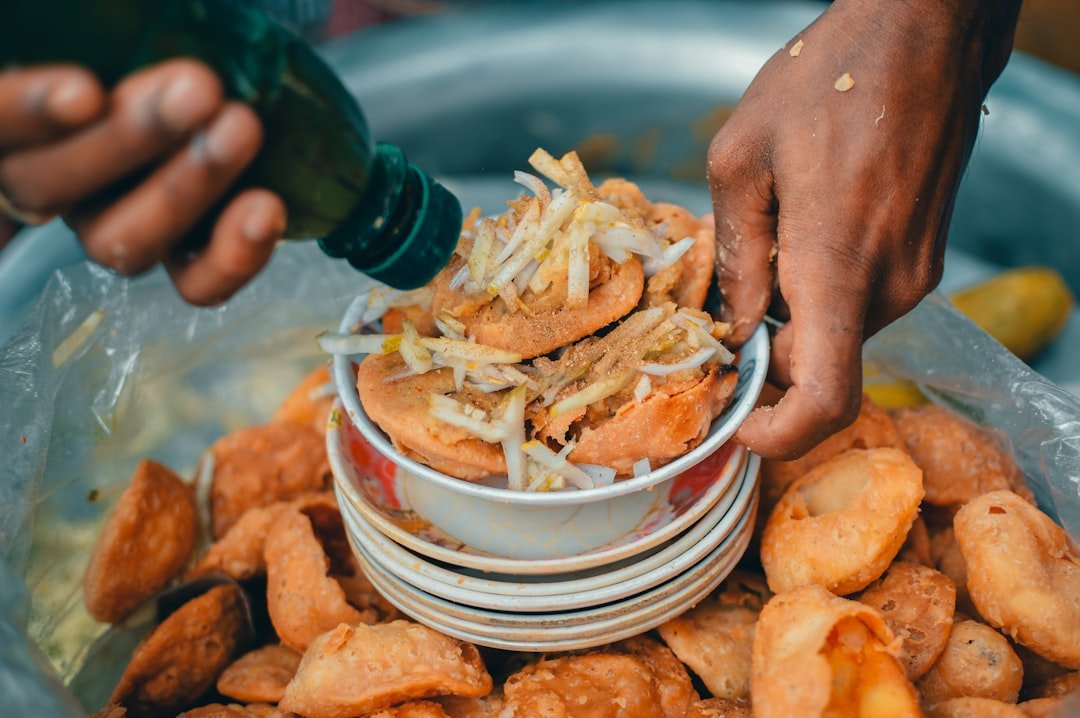
The accompaniments are what elevate viazi karai from a simple snack to a full experience. At the coast, they’re almost always served with a dark, sticky tamarind chutney that cuts beautifully through the richness of the fried batter. A bright kachumbari adds freshness and crunch, while pilipili chilli sauce is there for those who want more heat.
Viazi karai pair wonderfully with other Swahili snacks. Try serving them alongside Kenyan samosas as a starter spread, or as part of a bigger coastal menu inspired by our Mombasa Old Town Food Trail. If you’re exploring what else Nairobi’s street food scene has to offer, you’ll also find viazi karai at stalls in Eastleigh, Gikomba Market, and along Kirinyaga Road — where the coastal food community in Nairobi has long made its mark.
Outside Kenya, viazi karai are gaining attention as a representative East African street food that deserves a wider audience — and rightly so.
Frequently Asked Questions
- What does “viazi karai” mean in Swahili?
- Viazi means potatoes in Swahili, and karai refers to the large, deep pan used for frying. Together, the name simply describes the cooking vessel: potatoes fried in a karai. The pan defines the dish as much as the batter does.
- Is viazi karai the same as bhajia?
- They’re close cousins but not identical. Bhajia typically uses thinly sliced potatoes dipped in batter, while viazi karai uses whole small potatoes. Both use a spiced chickpea flour batter — a legacy of the Indian-Swahili culinary exchange — but viazi karai have a thicker, crunchier crust and a soft centre.
- Can I bake viazi karai instead of deep-frying?
- Yes, though the result will be less crispy. Coat the potatoes in batter, place on a greased baking tray, drizzle generously with oil, and bake at 200°C for 25–30 minutes, turning halfway through. A light spray of oil halfway through helps with browning.
- Where can I find the best viazi karai in Kenya?
- Head to the street stalls along Fort Jesus Road in Mombasa’s Old Town, or near the Mombasa Ferry for the most authentic version. In Nairobi, the Eastleigh neighbourhood — especially Pumwani Road and the surrounding streets — has excellent coastal-style viazi karai made by vendors who bring the recipe from the coast.
Bring the Coast to Your Kitchen
There’s a reason viazi karai has endured for generations on the Kenyan coastline. It’s simple, deeply satisfying, and built on a spice tradition that connects us to the dhow traders and Indian Ocean merchants who shaped Swahili cuisine. Whether you’re making it for a weeknight snack or setting up a full coastal spread for guests, this dish always does the same thing: it brings people together around something genuinely good.
Make a big batch, set out the kachumbari and tamarind sauce, and let people help themselves. That’s the spirit of the karai stall — and it translates perfectly to your kitchen.