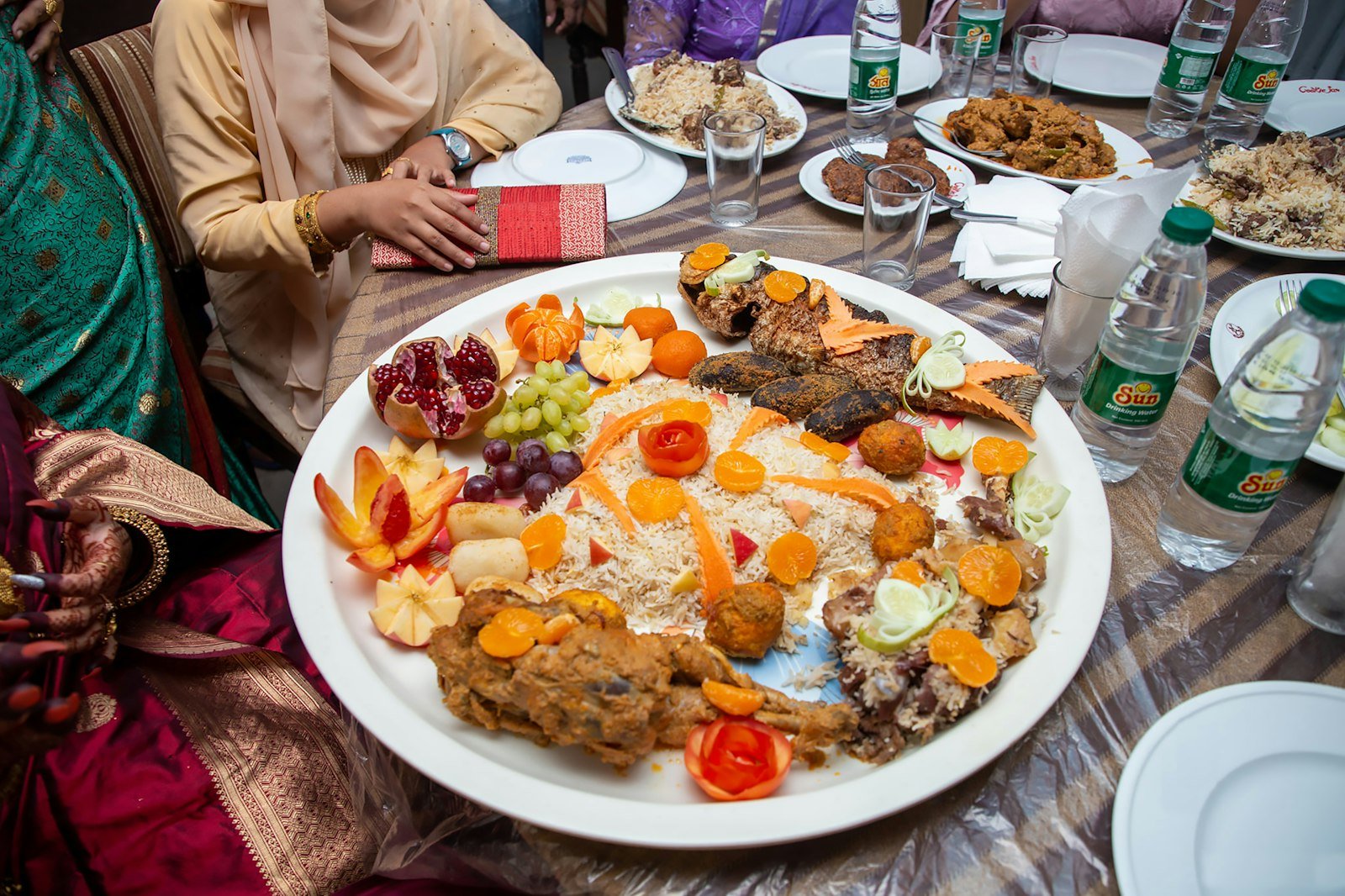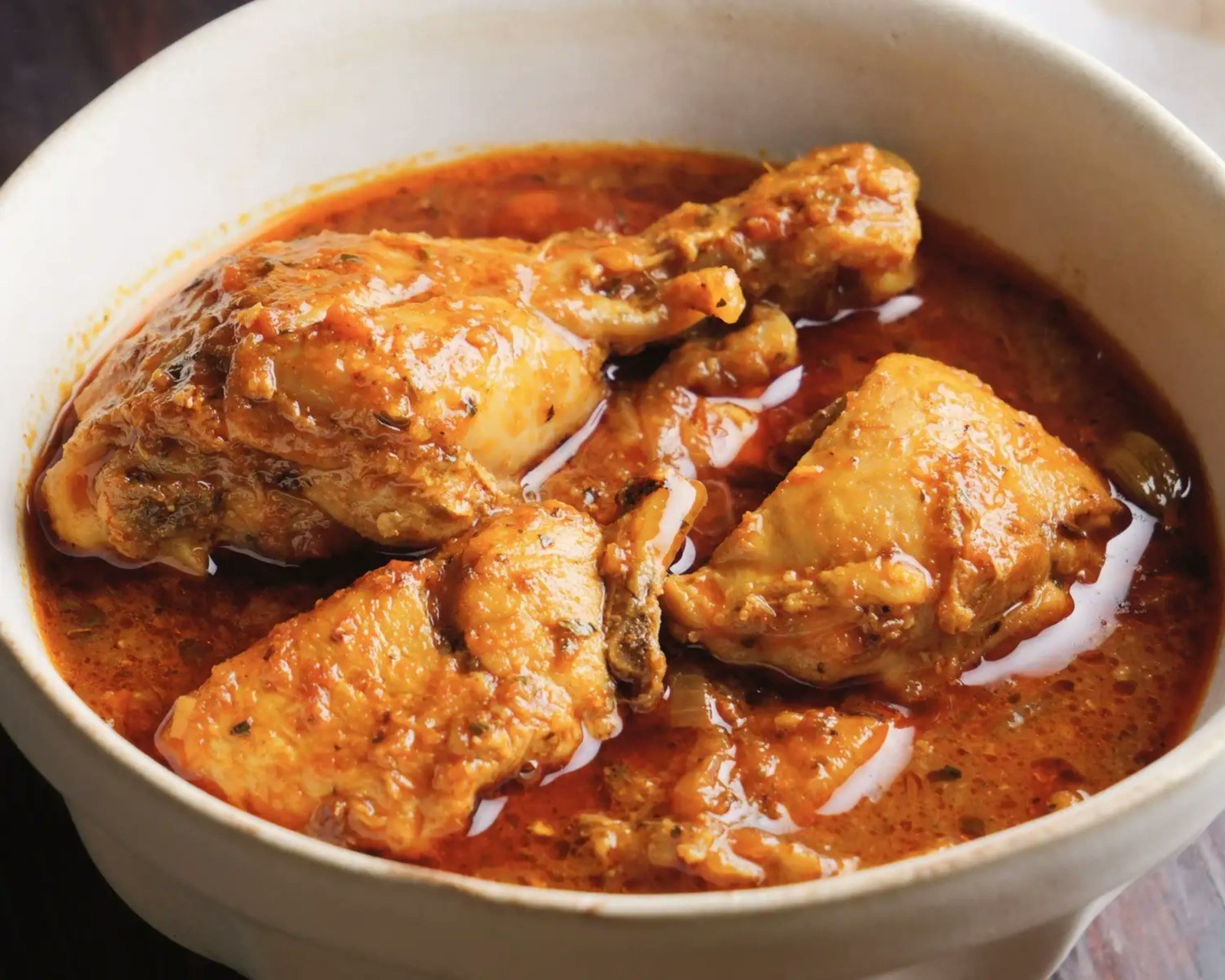
If you have ever sat under a mango tree in shags waiting for grandma to finish cooking, you already know the smell of kuku kienyeji simmering on a three-stone jiko. The aroma is unmistakable: caramelised onions, ripe tomatoes, dhania, and that deep, earthy chicken broth that only a free-range bird gives you. This authentic kenyan kuku kienyeji recipe is how families from Murang’a to Migori cook their Sunday lunch — slowly, patiently, and with absolutely no shortcuts. If you want a chicken stew that tastes the way Kenya remembers home, this is the one.
What Makes Kuku Kienyeji Different from Regular Chicken
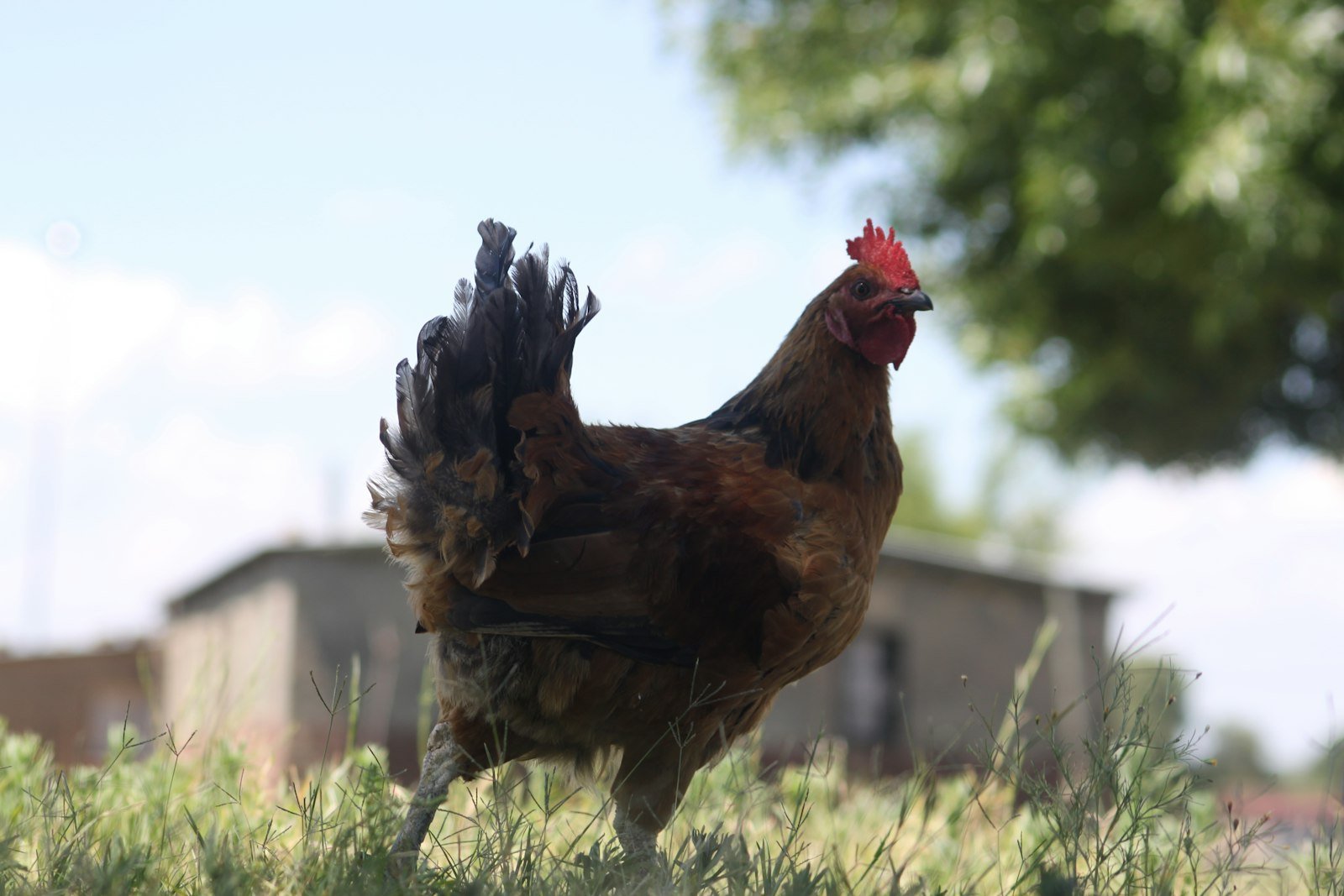
Kuku kienyeji literally means “indigenous chicken” in Swahili. Unlike the plump broilers you find in supermarkets, kienyeji birds are raised free-range across rural Kenya — pecking at termites, scratching through millet husks, and roaming homesteads from the Aberdares to the shores of Lake Victoria. The result is meat that is leaner, darker, and far more flavourful. It also takes longer to cook, which is the whole point. A good kuku kienyeji recipe is never rushed.
In Central Kenya, mama mboga will tell you a real kienyeji bird should be at least eight months old before it meets the pot. In Western Kenya, the Luhya call it ingokho and serve it with ugali whenever a son-in-law visits. Across every Kenyan tribe, this bird is a symbol of welcome, celebration, and slow-cooked love.
Ingredients for Authentic Kuku Kienyeji Stew
This recipe serves 4 to 5 people. You will need a heavy-bottomed sufuria or Dutch oven for the slow simmer. Here is everything required for a proper traditional kenyan chicken recipe:
- 1 whole kuku kienyeji (about 1.5 to 2 kg), cut into 8 to 10 pieces
- 3 medium red onions, finely chopped
- 5 ripe tomatoes, grated or blended
- 2 tablespoons tomato paste (optional, for colour)
- 4 cloves garlic, crushed
- 1 thumb-sized piece of ginger (tangawizi), grated
- 2 green chillies (pilipili hoho), slit — adjust to taste
- 1 teaspoon ground turmeric (manjano)
- 1 teaspoon curry powder
- 1 teaspoon ground coriander
- 1/2 teaspoon black pepper
- 3 tablespoons cooking oil (sunflower or coastal coconut oil)
- 1 large bunch fresh dhania (coriander), chopped
- 2 sprigs of royco-thyme or 1 royco cube (optional)
- Salt to taste
- 3 to 4 cups of hot water
Pro tip from the village: ask your butcher to give you the head, feet, and gizzard (firigisi). Many Kenyans believe the firigisi is the tastiest part, and the bones add body to the broth. If you live abroad, organic free-range chicken or a small slow-cooked layer hen works as the closest substitute.
How to Cook Kuku Kienyeji: Step-by-Step
The single biggest mistake people make with this dish is cooking it too fast. A kienyeji bird needs at least 90 minutes on low heat. Here is exactly how to make kuku kienyeji the way Cucu would.
Step 1: Wash and Marinate
Rinse the chicken pieces with warm water and a squeeze of lemon to clean off any feather residue. Pat dry. Rub the pieces with half the ginger, half the garlic, turmeric, salt, and a pinch of pepper. Let it rest for 20 minutes. This is the secret most quick recipes skip — and it matters.
Step 2: Brown the Chicken
Heat oil in your sufuria over medium-high. Add the chicken pieces in batches and brown them on both sides until they get a deep golden colour, about 3 to 4 minutes per side. Remove and set aside. Do not crowd the pan, or you will steam the meat instead of searing it.
Step 3: Build the Base
In the same oil, add the chopped onions and a pinch of salt. Cook on medium heat for 8 to 10 minutes until they turn deep brown — almost like caramel. This is where 70% of the flavour lives. Add the remaining garlic, ginger, and slit chillies. Stir for one minute.
Step 4: Add the Tomatoes
Tip in the grated tomatoes and tomato paste. Add curry powder, coriander, and the rest of the pepper. Cook this mixture down for 12 to 15 minutes on medium-low heat, stirring occasionally, until the oil separates from the masala. This stage is called kupika rojo in Kiswahili and you cannot rush it.
Step 5: Return the Chicken and Simmer
Return the browned chicken to the sufuria, including any resting juices. Toss to coat every piece in the masala. Add 3 cups of hot water (or enough to almost cover the chicken). Add the royco cube if using. Bring to a boil, then reduce heat to low, cover, and simmer for 60 to 75 minutes. Stir every 15 minutes and add a splash more water if needed.
Step 6: Finish with Dhania
The chicken is done when the meat pulls easily from the bone but still has a gentle bite. Taste and adjust salt. Stir in two-thirds of the chopped dhania, cover, and rest off the heat for 5 minutes. Garnish with the remaining dhania just before serving.
What to Serve with Kuku Kienyeji Stew
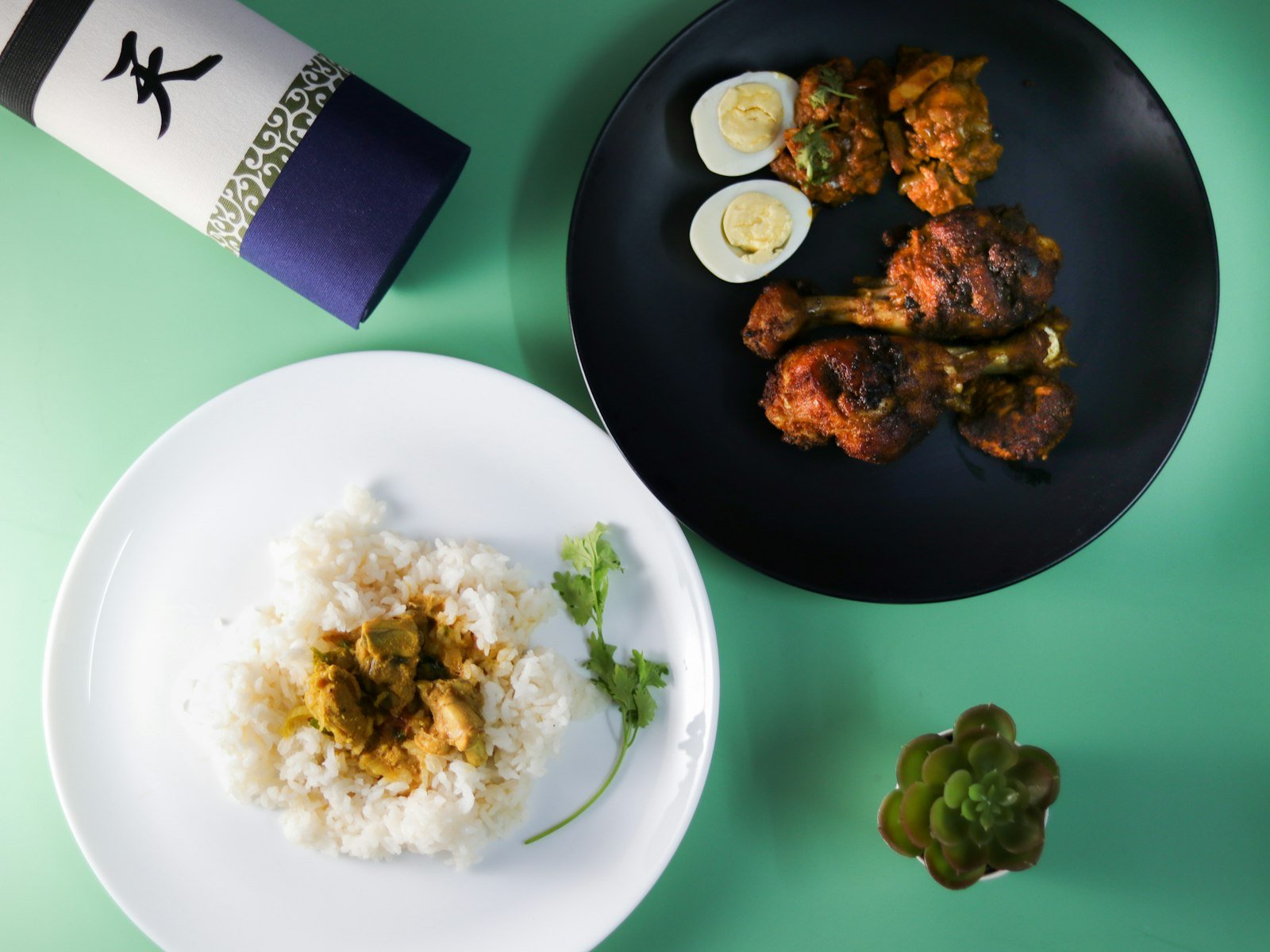
In Kenya, this stew is almost always served with a hot mound of ugali and a side of greens like sukuma wiki or managu. In Kikuyu homes, it is paired with mukimo. In coastal homes, it is served with wali wa nazi (coconut rice). For Sunday lunch, my grandmother always served it with soft layered chapati and a small saucer of kachumbari.
If you are entertaining, ladle the stew into a wide bowl, drizzle a teaspoon of the masala oil on top, and serve with a wedge of lime. The acid wakes everything up.
Tips, Variations, and Storage
- No kienyeji available? Use a small free-range chicken and add 30 minutes to the cooking time. Avoid commercial broilers — they fall apart before the masala matures.
- Coastal twist: add 1 cup of coconut milk in the last 15 minutes for a Mombasa-style kuku wa nazi feel.
- Highland twist: in Nyeri, cooks add a handful of green peas and grated carrot near the end for sweetness.
- Make ahead: kuku kienyeji always tastes better the next day. The broth thickens and the flavours deepen overnight.
- Storage: refrigerate in a sealed container for up to 3 days, or freeze for up to 2 months.
According to FAO research on smallholder poultry, indigenous chicken farming supports more than 75% of rural Kenyan households — which is why every plate of kuku kienyeji carries a little bit of Kenyan agriculture history with it.
Frequently Asked Questions
How long does it take to cook kuku kienyeji?
A proper kuku kienyeji stew takes about 90 to 120 minutes from start to finish. The chicken simmers for at least 60 minutes after browning so the meat becomes tender without falling apart. Skipping this slow simmer is the most common reason home cooks end up with rubbery chicken.
What is the difference between kuku kienyeji and broiler chicken?
Kuku kienyeji is free-range indigenous chicken raised in Kenyan homesteads. The meat is darker, leaner, and has a richer, more pronounced flavour. Broiler chicken is mass-produced, plumper, and has a milder taste. Kienyeji needs slow cooking, while broiler can be cooked in under 30 minutes.
Can I cook kuku kienyeji in a pressure cooker?
Yes. Brown the chicken and prepare the masala as directed, then transfer everything to a pressure cooker with 2 cups of water and cook for 25 to 30 minutes on high pressure. The flavour will be slightly less developed than the slow-simmer method, but the meat will be perfectly tender.
What spices go into authentic Kenyan chicken stew?
The core spices are turmeric, curry powder, ground coriander, black pepper, garlic, ginger, and green chillies. Many Kenyan cooks also add a small bay leaf or a pinch of iliki (cardamom) for a coastal-style aroma. Fresh dhania at the end is non-negotiable.
The Heart of a Kenyan Kitchen
Kuku kienyeji is more than a recipe — it is the dish you cook when family comes home. It is the smell that tells children school is out for the holidays. It is the meal your aunties argue about at every wedding. Cooked slowly, with patience and good spices, it will fill your kitchen with the same warmth that Kenyan grandmothers have shared for generations. Pour yourself a cup of strong masala chai, set the table, and dig in. Karibu chakula.