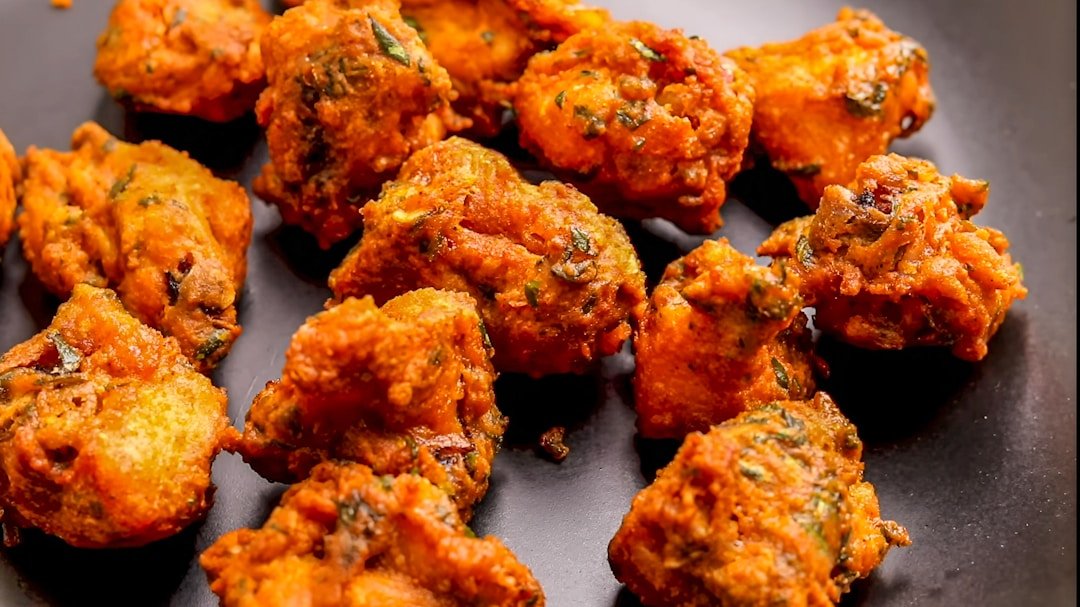
The sizzle of bhajia hitting hot oil is one of those sounds that takes you straight back to a Kenyan street corner, a school tuck shop, or Mum’s kitchen on a rainy May afternoon. Kenyan bhajia — golden, crispy, deeply spiced potato fritters — are one of our most beloved snacks, with roots stretching back to the Indian traders who shaped so much of the East African coast’s culinary story. Whether you’re in Mombasa, Nairobi, or halfway around the world missing home, this kenyan bhajia recipe will bring that familiar crunch right to your kitchen.
What Makes Kenyan Bhajia Special
Kenyan bhajia is not just any fried potato. What sets it apart is the batter: a spiced chickpea flour paste seasoned generously with turmeric (manjano), cumin (bizari ya jeera), fresh green chilli (pili pili mbichi), coriander (dhania), and sometimes a pinch of carom seeds (ajwain). The potatoes are sliced paper-thin — not chunky like Western fries — so every bite delivers more crispy, flavour-packed batter than starchy potato. This is a snack with personality: bold, golden, and demanding to be dipped in kachumbari or tamarind chutney.
Having grown up between Ahmedabad and Nairobi, I’ve eaten pakoras in both cities. But there’s something about Kenyan bhajia that stands apart — a particular thinness of the potato slice, a heavier hand with fresh dhania, and that unmistakable aroma of good groundnut oil doing exactly what it was meant to do. It’s one of those dishes that belongs to everyone, yet feels distinctly Kenyan.
You’ll find bhajia piled high at markets across the country — in Nairobi’s street food stalls, along Mombasa’s Old Town lanes, and at tuck shops outside every secondary school from Eldoret to Kisumu. It is democratic food: inexpensive, filling, and impossible to eat just one.
Kenyan Bhajia Recipe: Ingredients
Prep time: 15 minutes | Cook time: 20 minutes | Servings: 4 | Difficulty: Easy
For the bhajia:
- 4 medium potatoes (Irish/white), peeled and sliced paper-thin (2-3mm)
- 1½ cups chickpea flour / gram flour (unga wa dengu or besan)
- ½ tsp turmeric powder (manjano)
- 1 tsp cumin powder (bizari ya jeera)
- 1 tsp coriander powder (bizari ya dhania)
- ½ tsp red chilli powder (pili pili nyekundu)
- 1 tsp salt, or to taste
- 2 fresh green chillies (pili pili mbichi), finely chopped
- A generous handful of fresh coriander (dhania), finely chopped
- Water — enough to make a thick, smooth batter (roughly ¾ cup)
- Groundnut oil or vegetable oil for deep frying
To serve:
- Fresh kachumbari (Kenyan tomato and onion relish)
- Tamarind chutney or chilli sauce
- Fresh lime wedges (optional)
How to Make Kenyan Bhajia Step by Step
Step 1: Mix the Spiced Batter
- In a large mixing bowl, combine chickpea flour, turmeric, cumin, coriander powder, chilli powder, and salt. Stir to combine.
- Add the chopped green chillies and fresh coriander. Mix well so the herbs are distributed throughout.
- Gradually add cold water, stirring constantly, until you have a thick, smooth batter. It should coat the back of a spoon and cling to a potato slice without dripping too freely. Think porridge consistency, not soup.
- Taste the batter and adjust seasoning. It should be well-salted and clearly spiced — it will seem bold on its own, but it mellows beautifully once fried.
Step 2: Prepare the Potatoes
- Slice your potatoes as thin as possible — a mandoline grater is ideal, but a sharp knife and patience will do. Aim for 2-3mm thickness. Thinner slices = crispier bhajia.
- Pat the slices dry with a clean kitchen cloth or paper towel. Wet potatoes cause the batter to slip off during frying.
- Add potato slices to the batter in batches, turning each slice to coat thoroughly on both sides.
Step 3: Fry to Golden Perfection
- Heat groundnut oil in a deep, heavy-bottomed pan (sufuria nzito) or kadai to about 180°C. To test the temperature without a thermometer, drop a small blob of batter into the oil — it should rise immediately and turn golden within 30 seconds.
- Carefully lower battered potato slices into the oil a few at a time. Do not crowd the pan — this drops the oil temperature and makes soggy bhajia.
- Fry for 3-4 minutes per side, turning once, until deep golden and crispy throughout.
- Remove with a slotted spoon and drain on kitchen paper.
- Serve immediately. Bhajia waits for no one.
What to Serve with Kenyan Bhajia
Bhajia is almost always served alongside kachumbari — our fresh Kenyan tomato and onion relish. The sharp acidity cuts through the richness of the fried batter perfectly. Our kachumbari recipe takes five minutes and transforms this snack completely.
Along the coast, tamarind chutney is the traditional accompaniment — borrowing from centuries of Swahili-Arab-Indian culinary exchange in Mombasa and Lamu. A squeeze of fresh lime also works beautifully. For something different, pair bhajia with a cold glass of passion fruit juice — an impossibly Kenyan combination.
Bhajia also pairs well with a hot cup of Kenyan chai. Some families serve them at breakfast alongside tea and bread; others make a full event of them for afternoon guests. There are really no rules.
Tips, Tricks, and Regional Variations
Keep it crispy: Serve bhajia the moment they come out of the oil. They lose their crunch within minutes. If cooking for guests, fry in small batches right before serving rather than all at once.
Try sweet potato bhajia: Substitute regular potato with sweet potato (kiazi kitamu) for a slightly sweeter, earthier version — popular in parts of Western Kenya around Kisii and Nyamira.
Coastal-style thin batter: The Mombasa street version uses a thinner, crispier batter. Add a little more water and a pinch of rice flour to the mix for extra crunch.
Onion bhajia variation: Add thinly sliced rings of red onion to the batter alongside the potatoes. The onion caramelises during frying and adds sweetness that balances the spice.
Make-ahead batter: Mix the dry spice-and-flour base and store in an airtight container for up to a week. On bhajia day, just add water, slice potatoes, and fry.
Healthier option: An air fryer at 200°C for 12-14 minutes (flipping halfway) produces a decent result if you’re avoiding deep frying — though traditionalists will argue the oil is non-negotiable.
Frequently Asked Questions
What is bhajia in Kenya?
Kenyan bhajia are deep-fried fritters made from thinly sliced potatoes coated in a spiced chickpea flour batter. They’re among Kenya’s most popular street food snacks, sold at markets, school tuck shops, and roadside stalls across the country — especially common in Nairobi and along the Swahili coast.
What flour do you use for Kenyan bhajia?
The batter is made from chickpea flour (gram flour or besan), called unga wa dengu locally. It creates the characteristic crispy, slightly dense coating. Some recipes add a small amount of rice flour or cornflour for extra crunch.
Can I bake bhajia instead of frying?
You can use an air fryer and get close results, but traditional bhajia are defined by their deep-fried texture. Shallow frying is a practical middle ground — use less oil but ensure it’s hot enough before adding the bhajia.
What is the difference between Kenyan bhajia and Indian pakoras?
Both share the same chickpea flour batter tradition brought by Indian traders to East Africa. Kenyan bhajia typically uses very thinly sliced potato as the main component, features more fresh coriander, and is usually served with kachumbari rather than mint chutney. The result is crispier and lighter than many pakora versions.
Kenyan bhajia is one of those recipes that connects us to memory — to busy street corners, to school breaks, to family kitchens filled with the smell of hot oil and fresh dhania. Once you get the batter ratio right, this kenyan bhajia recipe becomes second nature. Make your kachumbari ahead, gather whoever’s around, and serve the bhajia hot. That is the Kenyan way — and it never gets old.