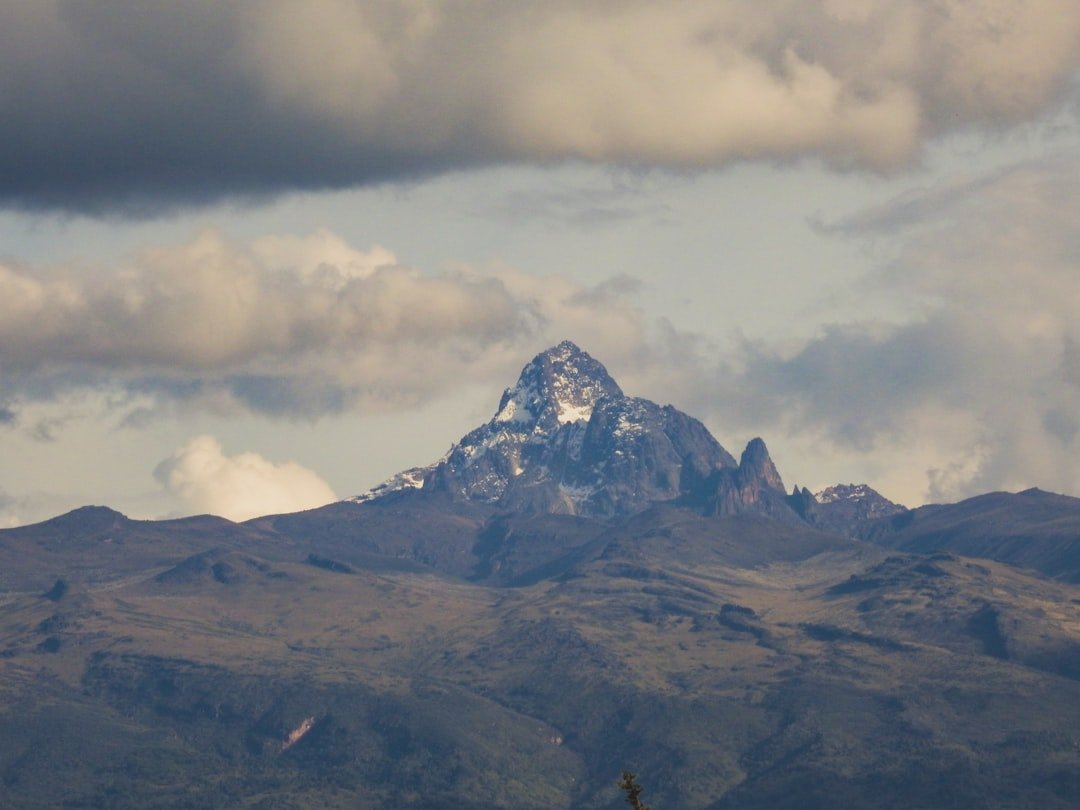
Perched at 1,946 metres above sea level on the equator, Nanyuki is the kind of town that sneaks up on you. You arrive for the mountain — for the moorlands, the eland and the cold morning air that carries the faint smell of cedar — and you stay, at least in part, for the food. This compact town in Laikipia County is Kenya’s quiet culinary gem, a place where nyama choma smokes over acacia charcoal, where fresh trout is pulled from cold highland streams, and where safari camps have spent decades perfecting the art of feeding people in one of the most dramatic landscapes on earth.
Whether you are passing through on a Mount Kenya climbing expedition, spending a weekend at a Laikipia conservancy, or simply road-tripping north from Nairobi on the A2, this guide tells you exactly what to eat, where to find it, and why Nanyuki’s food scene deserves far more attention than it gets.
The Lay of the Land: Why Nanyuki’s Food Is Different
Nanyuki sits at the equator — the famous Equator line monument on the A2 highway draws every passing vehicle to a photo stop — but the altitude means the climate feels nothing like the tropics. Temperatures drop to single digits at night. The surrounding Laikipia plateau is one of Kenya’s most important agricultural zones, producing strawberries, macadamia nuts, passion fruit, herbs, honey, and some of the country’s finest trout. All of this finds its way onto local tables.
The town itself is compact: a high street of dukas and butcheries, a handful of proper restaurants, and the famous Nanyuki airstrip that feeds conservancy guests in and out daily. Beyond the town, Laikipia’s ranches and conservancies — Ol Pejeta, Borana, Lewa — host some of Kenya’s most sophisticated bush dining experiences, where chefs trained in Nairobi bring farm-to-bush sensibility to remote settings.
Street Food and Local Staples in Nanyuki Town
Start where every honest food journey starts: the roadside. Nanyuki’s vibanda (food stalls) cluster around the main market and the bus stage, and by 7 a.m. the smell of uji wa wimbi — thick, sour millet porridge — drifts across the morning cold. A steaming cup costs next to nothing and works like a furnace on a highland morning.
Nyama choma and mutura are the heart of evening eating. Nanyuki’s butcheries spill light onto the pavement after dark, and the charcoal smoke from wire grills is impossible to resist. Local goat — mbuzi wa kienyeji, the small-framed free-range animal that roams Laikipia’s scrubland — is widely considered superior to the softer, fattier commercial variety. Ask for the ribs roasted over slow coals. Order kachumbari and a cold Tusker alongside, or a glass of mursik if you can find it this far north.
Mandazi dusted in cardamom appear at every tea stop. The version common in Nanyuki has a slightly denser crumb than the coastal style, better suited to being torn apart and dipped into milky chai simmering with cinnamon and tangawizi (fresh ginger).
Githeri — slow-cooked maize and beans — remains the everyday lunch of market traders and school children alike. In Nanyuki’s market canteens you will find it served plain with a spoon of ghee, or dressed up with fried onions, tomato, and sukuma wiki into the fuller meal locals call githeri ya masala. Our githeri recipe guide shows you how to make it at home with the full masala treatment.
Nanyuki’s Highland Speciality: Fresh Trout
Few things distinguish Nanyuki’s food scene as sharply as the highland trout. Rainbow trout thrives in the cold, clear rivers that drain Mount Kenya’s moorlands — the Nanyuki River, the Burguret, the Sirimon — and a cluster of trout farms in the Mount Kenya Forest Corridor has turned fresh fish into a local point of pride.
Several restaurants and lodge dining rooms serve whole trout grilled over charcoal or pan-fried in butter with garlic and lemon — a preparation that lets the clean, cold-water flavour carry the plate. Pair it with ugali and steamed local greens for one of the most unexpectedly perfect meals in central Kenya. See our guide on how to cook the perfect ugali for the full technique.
A number of farms around the mountain offer catch-and-cook experiences where you pull your own trout from a stocked pond and have it prepared on site. Mount Kenya’s tourism infrastructure has grown considerably in recent years, and these farm experiences are increasingly well-organised for visitors.
Laikipia Bush Dining: Eating at the Conservancies
If your budget stretches to a night or two at a Laikipia conservancy, you are in for a different category of food experience entirely. Places like Ol Pejeta, Borana Lodge, and Lewa Wilderness have invested seriously in their kitchens, and bush dining — a table set under an acacia tree at sundown, a campfire built beside a waterhole — is part of the product they sell.
The menus lean on local sourcing: vegetables from on-site kitchen gardens, herbs picked that morning, beef from ranch-raised cattle, honey from hive projects run in partnership with local Maasai and Samburu communities. East African food is earning serious global recognition, and lodge chefs here have been confident practitioners long before the trend arrived. Our pilau masala guide explains the spice blends behind these dishes.
Where to Eat in Nanyuki Town: Practical Picks
- The Trout Tree Restaurant — set inside a giant fig tree on the Meru road east of Nanyuki, this is the definitive trout experience. Fish are raised on site and served on multi-level platforms built into the canopy. It is genuinely one of Kenya’s most unusual dining rooms.
- Marina’s Coffee & Bakery — a town-centre favourite for breakfast and light lunches, with good coffee, fresh pastries, and salads drawing on local produce.
- Nanyuki Spinners — the community craft centre doubles as a lunch venue with simple, well-made Kenyan food.
- Local nyama choma joints on the main road — the glow of a charcoal grill after dark is a reliable compass.
What to Bring Home: Nanyuki’s Edible Souvenirs
Nanyuki is a good town for edible shopping. The central market stocks fresh passion fruit, strawberries, and macadamia nuts that are measurably better than what reaches Nairobi’s supermarkets. Locally produced honey — particularly the dark, complex forest honey from Mount Kenya’s cedar zones — is sold at small stalls and community cooperatives and makes the kind of gift that people actually eat rather than display.
Tangawizi (dried ginger) and fresh-ground pilau masala spice blends are available at the spice stalls in the covered market. The blends here are ground fresh rather than pre-packaged months earlier, and the difference is immediately obvious when you cook with them at home. Our post on traditional Kenyan greens and ingredients gives useful background on the local produce culture.
Frequently Asked Questions
What is Nanyuki known for food-wise?
Nanyuki is best known for fresh highland trout from Mount Kenya’s rivers, excellent nyama choma using free-range Laikipia goat, and the bush dining experiences at Laikipia’s conservancies. The town also produces high-quality honey, strawberries, macadamia nuts, and fresh herbs that feature prominently in local cooking.
Is there good street food in Nanyuki?
Yes. The main market area and bus stage have lively roadside eating, particularly in the mornings (millet porridge, mandazi, chai) and evenings (nyama choma, mutura, githeri). Prices are low and portions generous. The quality of the goat meat in particular is notable given the free-range animals raised on Laikipia’s rangelands.
Can you eat at the Laikipia conservancies without staying overnight?
Some conservancies allow day visits that include lunch, but availability and pricing vary. It is best to contact properties like Ol Pejeta directly to ask about day visitor packages. The experience — a meal in the bush with wildlife nearby — is difficult to replicate anywhere else in Kenya.
What Kenyan food should I try first in Nanyuki?
Start with the fresh highland trout — it is the ingredient that makes Nanyuki unique among Kenyan food towns. Then try local nyama choma in the evening with kachumbari and ugali. For breakfast, a cup of uji wa wimbi on a cold highland morning is the kind of experience that stays with you long after you leave Nanyuki.