Ugali na Sukuma Wiki: Kenya’s Ultimate Comfort Food Pairing
Walk into any mama mboga (vegetable seller) stall in Nairobi, step into a roadside kibanda (canteen) in Kisumu, or sit down at a family table in the Rift Valley, and you will almost certainly find the same plate: a mound of firm white ugali beside a glistening heap of braised sukuma wiki. This pairing is more than a meal — it is a cultural touchstone that cuts across tribe, income bracket, and geography. Ugali na sukuma wiki is Kenya’s everyday answer to hunger, and it has been for generations.
What Is Ugali? Kenya’s Everyday Staple
Ugali is a dense, cooked dough made from finely milled white maize flour — known locally as unga wa mahindi — stirred vigorously into boiling water until it pulls away from the sides of the pot in a thick, smooth mass. The result is similar to Italian polenta but stiffer and less seasoned: ugali carries no salt, no fat, no spice on its own. Its neutral base is entirely intentional; it exists to absorb and complement whatever relish or stew accompanies it.
Ugali is eaten with the right hand. A piece is torn away, rolled into a small ball between the fingers, pressed into a concave shape with the thumb, and used to scoop up the accompanying dish. This tactile ritual is deeply embedded in Kenyan dining culture.
Maize arrived in East Africa via trade routes in the 16th century and swiftly displaced sorghum and millet as the dominant grain. Today Kenya is among the world’s top per-capita consumers of maize, and ugali accounts for a significant share of daily caloric intake for millions of Kenyans. According to the FAO Kenya country profile, maize provides roughly 40% of the country’s food energy.
What Is Sukuma Wiki? The Leaf That Stretches the Week
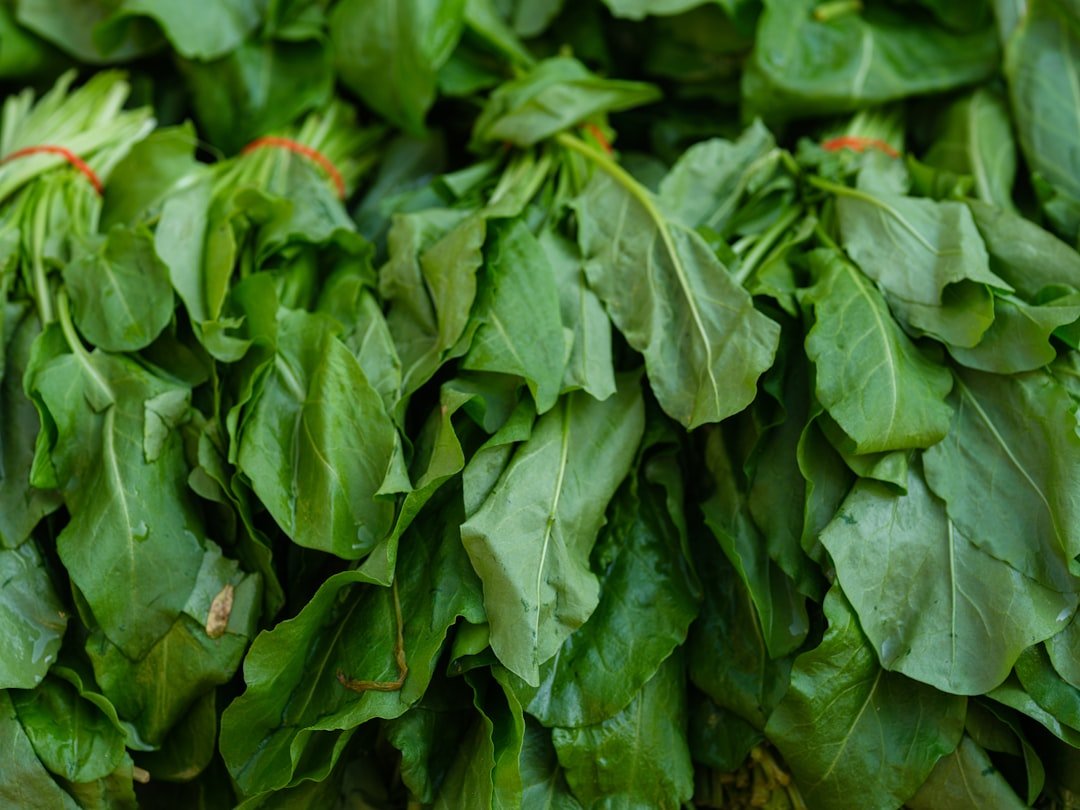
Sukuma wiki (Brassica oleracea, a form of kale or collard greens) is the most widely consumed vegetable in Kenya. Its Swahili name — literally “push the week” — reflects its economic role: at just a few shillings per bunch, sukuma wiki helps families eat nutritiously even when money runs short toward the end of the week.
The leaves are sold fresh at every market and mama mboga stall in the country, often pre-shredded for convenience. Their robust, slightly bitter flavour is well suited to quick sautéing with onion and tomato — the classic preparation that turns them into a satisfying relish in under 10 minutes.
Nutritionally, sukuma wiki punches well above its price tag. It is rich in iron, calcium, beta-carotene, and vitamins C and K. The nutritional profile of collard greens confirms that regular consumption supports bone health, immune function, and blood health.
How to Cook Ugali na Sukuma Wiki — The Classic Method
Ugali (Serves 4 | 20 minutes)
- 500 ml water
- 250 g white maize flour (unga wa mahindi)
- Bring the water to a full boil in a heavy pot over medium-high heat.
- Add the maize flour gradually, stirring constantly with a wooden spoon or mwiko (flat wooden paddle).
- Continue stirring, incorporating any lumps, until the mixture thickens — about 5 minutes.
- Reduce heat to low. Cover and cook for 5 minutes to steam through.
- Uncover and stir again vigorously. The ugali is ready when it pulls cleanly from the pot and holds its shape when turned out.
- Turn onto a plate, shape into a dome with the back of the mwiko, and serve immediately.
Sukuma Wiki (Serves 4 | 12 minutes)
- 1 bunch sukuma wiki (about 400 g), washed and shredded
- 2 tablespoons cooking oil
- 1 medium onion, finely sliced
- 2 ripe tomatoes, chopped
- Salt to taste
- Optional: pinch of pilipili kali (hot chilli flakes)
- Heat oil in a wide pan over medium heat. Add onion and cook until softened, about 3 minutes.
- Add tomatoes and stir until they break down into a sauce, about 3–4 minutes.
- Add the shredded sukuma wiki leaves and toss to coat in the tomato-onion base.
- Cover and cook for 3–4 minutes until the leaves are wilted but still vibrant green.
- Season with salt (and chilli if using). Serve immediately alongside ugali.
The Cultural Weight of a Simple Plate
To dismiss ugali na sukuma wiki as “just peasant food” is to miss something essential about Kenya. This combination appears at university cafeterias, hospital canteens, construction site lunches, and Sunday family gatherings in equal measure. Presidents and labourers eat the same dish — which is quietly remarkable.
During Kenya’s long rains season (March to May), sukuma wiki thrives when many other vegetables are inaccessible along muddy rural roads. Right now, across the Central Highlands, Rift Valley, and Nyanza, shambas (farms) are full of dark, leafy sukuma wiki ready for harvest.
Ugali carries specific cultural significance across Kenya’s communities. For the Luo of western Kenya, kuon (their word for ugali) made from millet or sorghum flour remains a traditional choice for important meals. For the Kikuyu, ugali pairs naturally with irio or braised greens. Along the coast, the Swahili concept of a dense starch paired with a vegetable relish persists even where rice dominates.
Ugali na Sukuma Wiki: Beyond the Basics
While the classic version is simply maize ugali plus sautéed sukuma wiki, Kenyan cooks have developed many variations:
- Ugali ya wimbi — finger millet ugali, darker, nuttier, more nutritious; traditional in Meru and parts of the Rift Valley
- Sukuma wiki na nyama — sukuma wiki cooked with minced beef or goat offal for a more substantial relish
- Sukuma wiki na samaki — sukuma wiki with fried tilapia from Lake Victoria, the Kisumu standard (read more in our Kisumu Food Guide)
- Sukuma wiki na mayai — sukuma wiki stir-fried with scrambled eggs, a popular breakfast variation
For more on Kenya’s tradition of leafy greens, see our guide to managu, terere, and mrenda. To round out your Kenyan meal, try pairing ugali with our githeri recipe or a classic kachumbari on the side.
Frequently Asked Questions
What does ugali na sukuma wiki mean?
Ugali na sukuma wiki translates from Swahili as “ugali with sukuma wiki.” Ugali is a stiff maize porridge that forms Kenya’s most common staple carbohydrate. Sukuma wiki literally means “push the week” — a nod to its affordability that helps Kenyan families stretch their budget through the week.
Is ugali the same as posho or sadza?
Yes — ugali, posho (Uganda), sadza (Zimbabwe), nsima (Malawi/Zambia), and pap (South Africa) are all regional names for a similar dish: a stiff, cooked maize meal dough eaten as a staple carbohydrate across East and Southern Africa.
Can sukuma wiki be made without tomatoes?
Yes. A plainer version uses only onion, salt, and a little cooking oil. Some coastal versions add coconut milk or a pinch of pilipili kali for extra flavour. The tomato simply adds acidity and body to the relish.
How many calories are in ugali na sukuma wiki?
A typical serving of ugali (200 g) provides approximately 280–320 calories, mostly from carbohydrates. A medium portion of sukuma wiki adds around 80–100 calories, along with significant iron, calcium, and vitamins A and C. Together the meal is nutritionally balanced and energising.