
Nanyuki Food Guide: What to Eat at the Foot of Mount Kenya
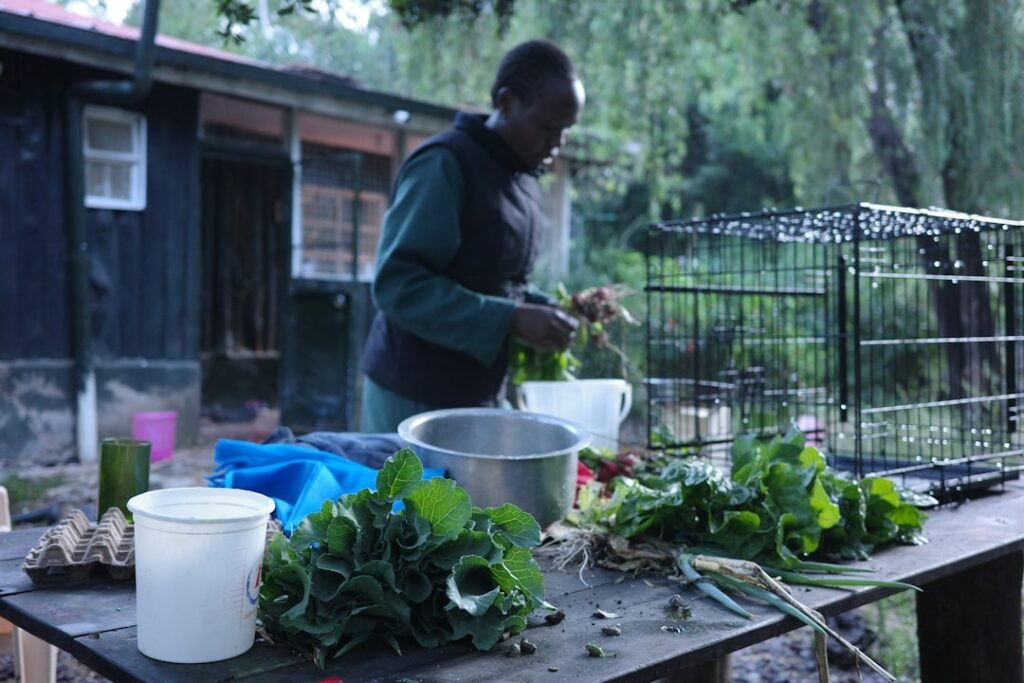
A complete guide to eating in Nanyuki, Kenya — from highland trout and nyama choma to Laikipia bush dining and the best street food near Mount Kenya. Discover what makes this highland town a hidden culinary gem.
Sukuma Wiki Recipe: How to Cook Kenya’s Favourite Green Perfectly
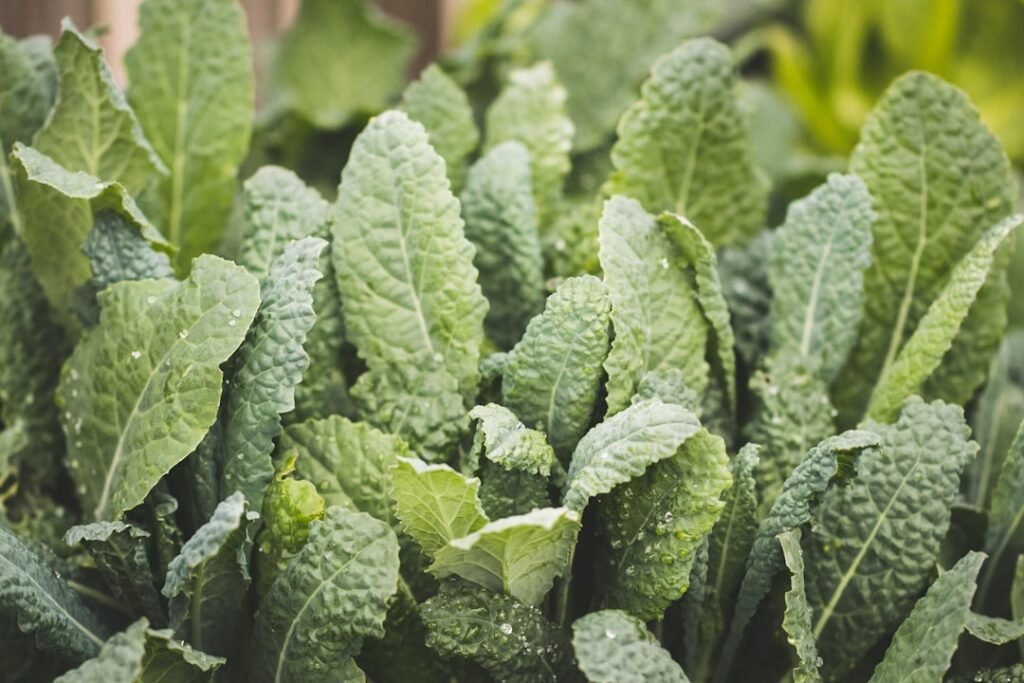
Learn the authentic sukuma wiki recipe — Kenya’s beloved collard greens cooked with onions and tomatoes. Ready in 25 minutes, this everyday side dish pairs perfectly with ugali.
Muratina: Kenya’s Ancient Fermented Drink Explained

Discover muratina, Kenya’s ancient fermented drink made from sugarcane and the wild Kigelia africana fruit. Learn how it’s brewed, its cultural role in Kikuyu ceremonies, and where to taste it today.
Pilau Masala: The Soul of Kenyan Spice Cooking
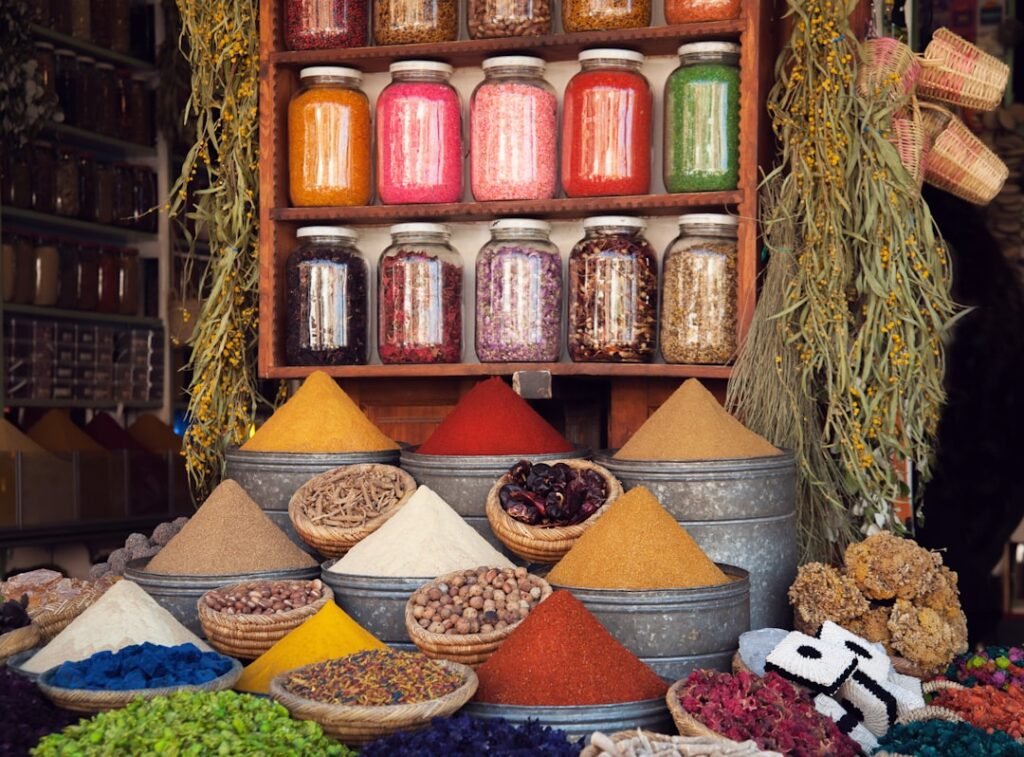
Discover the secrets of pilau masala — Kenya’s beloved spice blend. Learn what goes into it, how to make it from scratch, and how to use it beyond the classic pilau rice dish.
Authentic Nyama Choma Recipe: Kenya’s Ultimate Grilled Meat
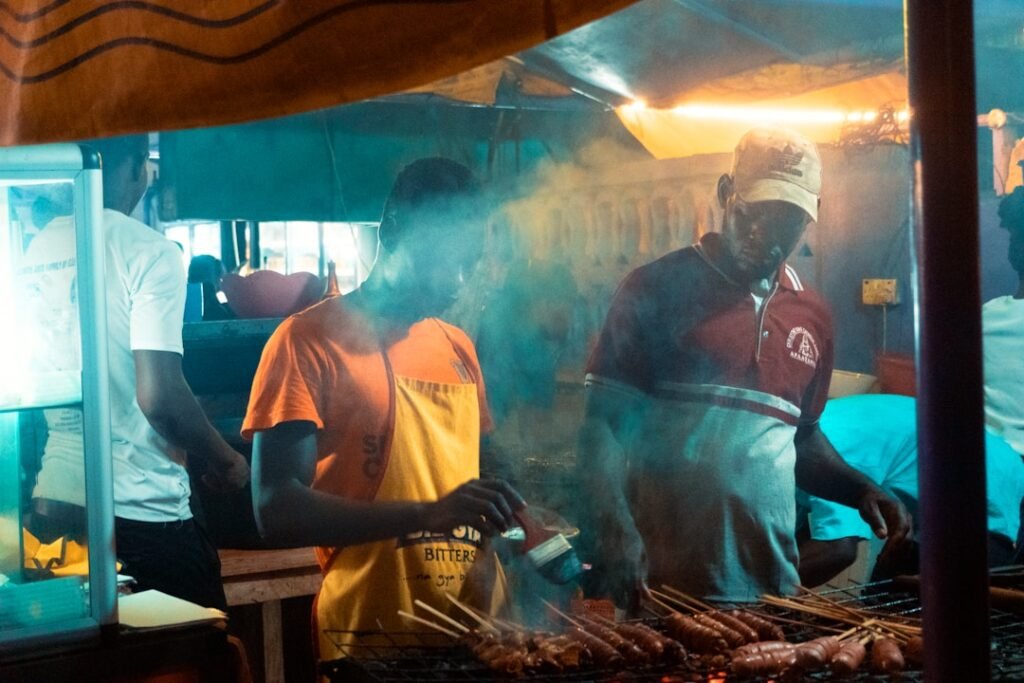
Learn how to make authentic Kenyan nyama choma at home — bone-in goat or beef grilled low and slow over hardwood charcoal, served with kachumbari and ugali.
Sukuma Wiki Recipe: How to Cook Kenya’s Favourite Green Perfectly
Learn the authentic sukuma wiki recipe — Kenya’s beloved collard greens cooked with onions and tomatoes. Ready in 25 minutes, this everyday side dish pairs perfectly with ugali.
Kenyan Easter Foods: What Families Cook for the Long Weekend
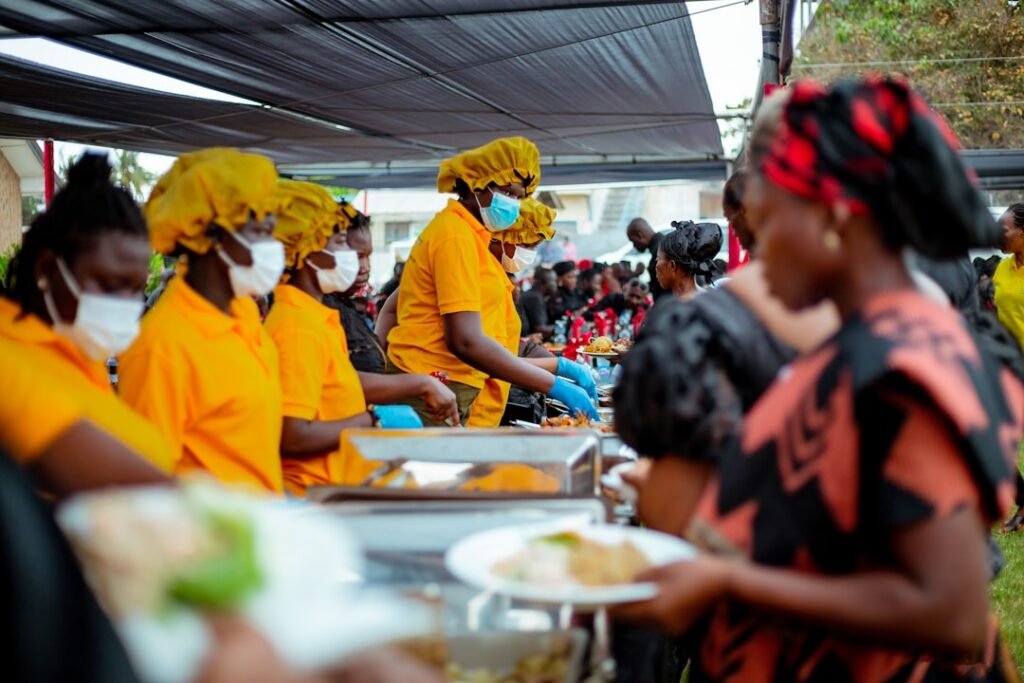
Discover Kenyan Easter foods — what families cook for the long weekend, from nyama choma and pilau to coastal biryani and regional traditions across Kenya.
Sukuma Wiki Recipe: How to Cook Kenya’s Favourite Green Perfectly
Learn the authentic sukuma wiki recipe — Kenya’s beloved collard greens cooked with onions and tomatoes. Ready in 25 minutes, this everyday side dish pairs perfectly with ugali.
Sip of Heritage: Exploring Traditional Kenyan Drinks from Various Communities

Kenya’s rich cultural diversity is reflected not just in its languages, music, or attire—but also in its drinks. From fermented milk enjoyed in the Rift Valley to sweet coconut brews along the coast, traditional Kenyan drinks tell stories of community, celebration, and heritage. These beverages are more than thirst quenchers; they’re cultural anchors passed down through generations. In this blog, we explore authentic drinks from Kenya’s communities, their local names, how they’re made, and the traditions surrounding them. 1. Mursik (Fermented Milk) – Kalenjin Community Mursik is one of Kenya’s most iconic traditional drinks, rooted in the culture of the Kalenjin people of the Rift Valley. It’s made by fermenting cow’s milk in a specially prepared gourd known as sotet. How it’s made: A dried gourd is cleaned and smoked using burning sticks from specific trees like senetwet or oseget to add a distinct smoky flavor. Fresh cow’s milk is poured into the gourd and left to ferment naturally for 3–5 days. The result is a thick, tangy, slightly sour drink often enjoyed during ceremonies, after hard labor, or by athletes after training. Local name: Mursik (Kalenjin)Cultural role: A symbol of hospitality and purity, mursik is served to guests, at weddings, and after circumcision ceremonies. 2. Mnazi (Coconut Palm Wine) – Coastal Communities Along Kenya’s coastline, particularly among the Swahili, Digo, and Giriama people, mnazi is a cherished traditional drink made from the fermented sap of the coconut palm. How it’s made: A tapper climbs a coconut tree and slices the flower stalk to collect the sap. The sap is stored in a calabash or plastic container, where it ferments naturally within hours due to the warm coastal temperatures. The drink is mildly alcoholic, refreshing, and sweet when fresh—but gets stronger with time. Local names: Mnazi (Swahili), Tembo ya mnazi (Coconut alcohol)Cultural role: Commonly served at coastal celebrations, weddings, and social gatherings. It symbolizes unity and relaxation. 3. Busaa (Fermented Grain Beer) – Luhya and Luo Communities Busaa is a traditional beer brewed mainly by the Luhya community. It is made by fermenting sorghum, millet, or maize flour. How it’s made: The grains are malted—soaked, germinated, and sun-dried. They’re then ground into flour and boiled with water to create a porridge-like mixture. The mixture is left to ferment for 2–3 days using natural yeasts. Once fermented, the drink becomes mildly alcoholic with a thick, earthy taste. Local names: Busaa (Luhya)Cultural role: A communal drink often shared in traditional ceremonies, dowry negotiations, and village meetings. 4. Uji wa Wimbi (Finger Millet Porridge) – Across Kenya This drink is both a beverage and a meal. Popular across communities—from the Kamba and Kikuyu to the Luo and Kisii—it’s made from finger millet (wimbi), known for its nutritional value. How it’s made: Millet flour is mixed with water to form a smooth paste. The paste is added to boiling water and stirred to prevent lumps. It’s sweetened with honey or sugar and flavored with lemon, cinnamon, or milk. Local names: Uji wa wimbi (Swahili), Obusera (Luhya), Kirario (Kikuyu)Cultural role: Served at breakfast, after childbirth, or to elders for nourishment. It’s one of Kenya’s most nutritious traditional drinks. 5. Togwa (Fermented Millet Drink) – Taita and Coastal Highlands Togwa, popular among the Taita and Swahili highland communities, is a mildly fermented porridge drink that resembles uji but with a tangy flavor. How it’s made: Millet or sorghum flour is mixed with water and boiled. The mixture is left to ferment naturally for 1–2 days. Sometimes sugar or honey is added for sweetness. Local names: Togwa (Taita/Swahili)Cultural role: A refreshing energy drink taken during farm work or on hot afternoons. 6. Muratina (Traditional Honey Brew) – Kikuyu Community Among the Kikuyu, muratina is a sacred traditional drink made from fermented honey and the fruit of the wild sausage tree (Kigelia africana). How it’s made: The muratina fruit is cut, dried, and boiled in honey and water. The mixture ferments for several days until naturally alcoholic. The drink is strained and served in calabashes during ceremonies. Local name: Muratina (Kikuyu)Cultural role: A vital ceremonial drink for weddings, blessings, and elder gatherings. It represents unity and ancestral connection. 7. Kamaria (Sweet Sorghum Drink) – Kamba Community Among the Kamba, kamaria is a naturally sweet sorghum-based drink consumed by both adults and children. It’s non-alcoholic, making it a staple in homesteads and celebrations. How it’s made: Sorghum grains are roasted and ground into flour. The flour is boiled with water and left to cool. Sometimes spiced with ginger or lemon for a refreshing twist. Local name: Kamaria (Kamba)Cultural role: A daily household drink symbolizing hospitality and abundance. 8. Mabungo Juice (Wild Fruit Juice) – Coastal and Taita Communities Mabungo, also known as passion fruit of the wild, grows in coastal Kenya. Its juice is a beloved traditional refreshment known for its tangy-sweet flavor and health benefits. How it’s made: Ripe mabungo fruits are split open and the pulp is extracted. The pulp is blended or mashed, then mixed with water and sieved. Sugar or honey is added for sweetness. Local name: Mabungo (Swahili), Mzung’u (Taita)Cultural role: A refreshing drink enjoyed during hot afternoons and communal meals. The Role of Traditional Drinks in Kenyan Culture Kenyan traditional drinks are deeply symbolic—they bring people together and mark life’s milestones. Whether it’s a muratina toast at a Kikuyu wedding, mursik shared after initiation, or a cup of uji in the morning, each drink carries meaning. Beyond tradition, many of these beverages are making a comeback in urban cafes and health shops due to their natural ingredients and nutritional value. Drinks like uji wa wimbi and mabungo juice are now celebrated as foods rich in vitamins, probiotics, and antioxidants. Conclusion Kenya’s diversity shines through its beverages as much as its food. From the fermented milk of the Rift Valley to coconut brews of the Coast, these drinks reflect centuries of wisdom, community, and flavor. As modern lifestyles evolve, rediscovering and celebrating traditional Kenyan drinks helps preserve the nation’s cultural identity—one sip at a
How to Cook the perfect Ugali
What is ugali? Ugali is a staple meal that is mostly made using maize flour and water. It is a basic meal that is found in almost all Kenyan homes. Ugali continues to be the core of everyday meals symbolizing the relationship of the Kenyan people and their land. Across East and South Africa, different countries have their own versions – sadza (Zimbabwe), nshima (Zambia), and posho (Uganda). But while it may seem easy to make, achieving the perfect texture – firm yet smooth – requires a guide. It all lies in balance – too much flour makes it dry and crumbly, too little makes it sticky. In this blog, we take you through on how to cook the perfect ugali. Ingredients To make ugali for 3 people 4 cups of water 2-4 cups of maize flour (unga ya ugali) – preferably medium or fine texture Instructions for the perfect ugali Bring water to boil – Boil 4 cups of water in a heavy pot. For the ugali to cook evenly, make sure that the water is boiling before you add the flour. Add maize flour – Lower the heat and slowly pour the maize flour, stirring steadily with a mwiko (wooden spoon). This prevents lump from forming. Continue stirring – When the mixture is becoming thicker keep stirring in a circular motion. The goal is to have an even texture that has a firm side but not too stiff. If there are still some lumps, break them off by pressing the sides of the pot. Cover and let it steam – When the ugali is detaching from the sides of the pot, use the mwiko to shape it into a mound. Lower the heat and cover the sufuria with a lid and let it steam for 3-5 minutes to give time for the center to cook. Enjoy it while it’s still hot – Put the sufuria at a slight angle and gently slide the ugali from the sufuria and place it on a clean plate. Serve it together with the side dishes that you prefer. What to serve with ugali Some dishes that you can enjoy with ugali are: Sukuma wiki (collard greens) – the most common dish of the daily meal. Nyama choma (grilled meat) – a weekend treat. Tilapia (fried fish) – a favourite that is common around Lake Victoria. Kunde (cowpeas) or Managu (African nightshade) – nutrient-rich plant-based meal alternative. The pairings bring out the different textures and flavours of ugali and thus it has become the most loved staple meal in Kenya. Perfect Ugali Tips Use the right ratio: the best water to flour ratio is approximately 2:1 but may change according to the flour brand. Don’t overstir: when ugali becomes thick, stir firmly but do not overdo it – it can become dry and crumbly. Use a heavy pot: light pans will stick and not heat evenly. Don’t forget to let it rest: give ugali time to steam so that it stays moist and firm. Experiment: put a knob of butter or milk for flavour change especially for kids. Nutritional benefits of ugali Ugali has a very high content of carbohydrates which are the primary energy source in the body. Adding vegetables or protein to your ugali will make the meal balanced and nutritious. Wholemeal maize is an extremely good source of fibre which is highly beneficial for the digestive system and energy. For an equally tasty and gluten-free option, you can try sorghum, millet, or cassava flour ugali. Conclusion Mastering the art of the perfect ugali cooking involves practicing, being precise, and having patience. There is something exciting about presenting a perfectly smooth and firm mound of ugali. The next time you are in the kitchen grab that mwiko, get involved in the stirring rhythm, and enjoy Kenya’s most beloved staple meal – one pot at a time.