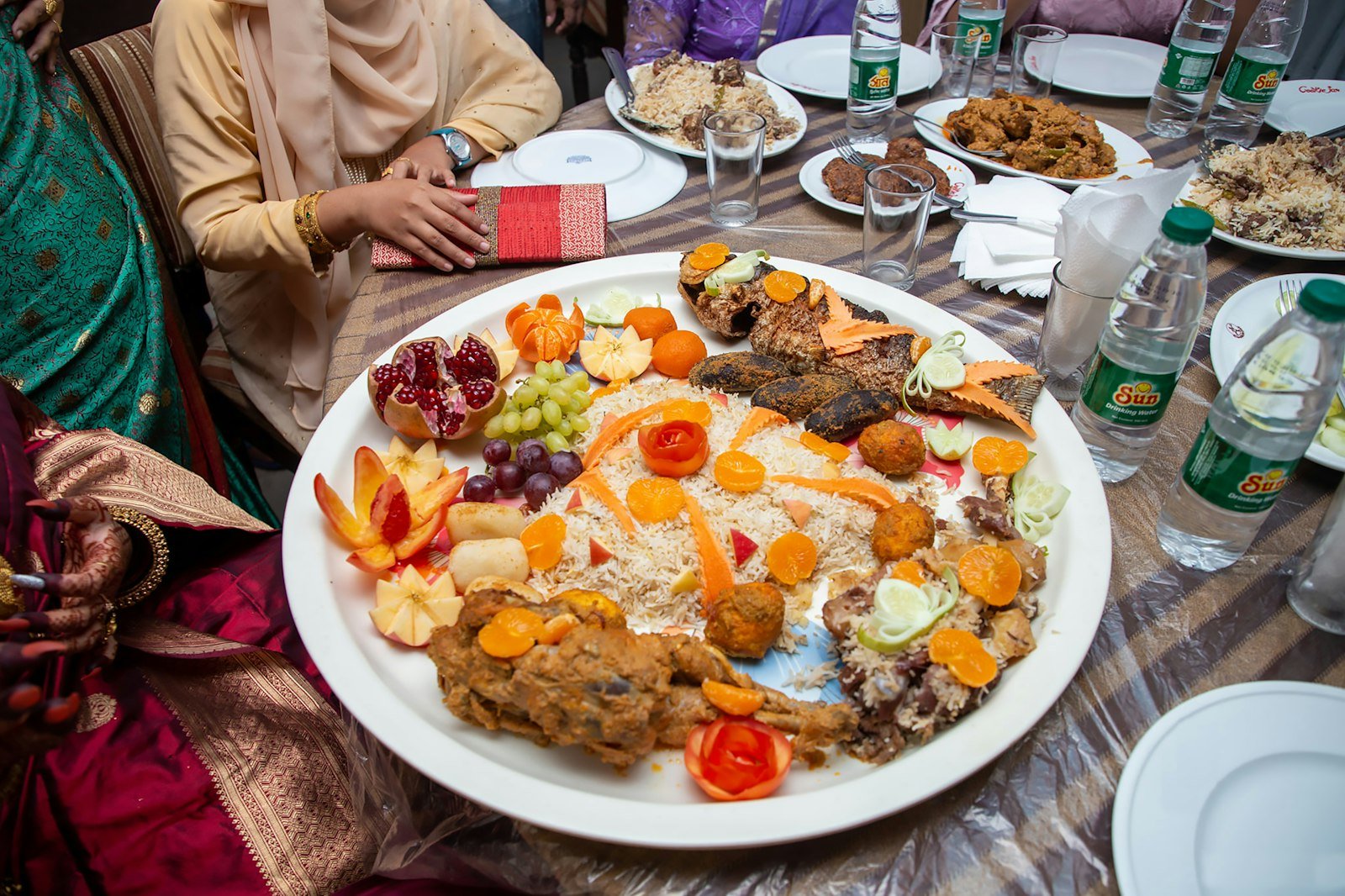
The first day of June lands differently in Kenya. Madaraka Day is the morning we remember 1963, when self-rule began and the long arc toward independence finally tilted in our favour. From Dubai I always feel that pull strongest at lunchtime, when my phone fills with photos of feasts back home and my own kitchen suddenly feels too quiet. Madaraka Day foods are not random dishes; they are the plates that built a country, cooked across every county, shared between communities who once ate apart. Here are seven recipes that turn 1 June into a feast worth flying home for.
1. Nyama Choma: The National Centrepiece
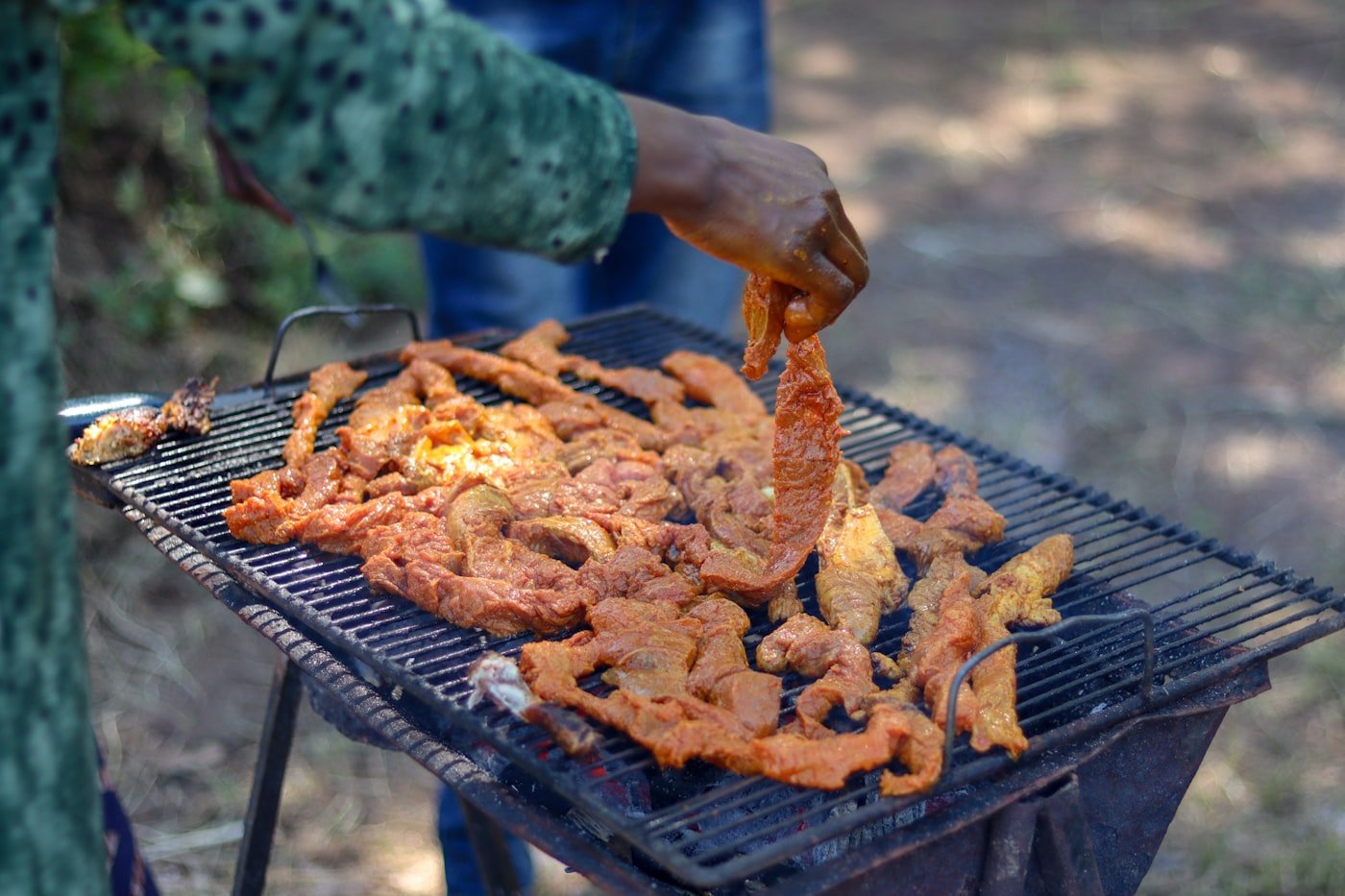
You cannot speak of Madaraka Day recipes without starting at the grill. Nyama choma — goat ribs, sirloin, sometimes mbuzi shoulder — is the dish that pulls neighbours into a single backyard. The fire is built from acacia or jacaranda charcoal, the meat is salted simply, and the timing is judged by ear: when the fat hisses and the edges crisp, the first cuts come off. Serve with kachumbari and a cold Tusker. For the technique, the full nyama choma recipe walks through the cuts and the coal bed our grill masters swear by.
2. Pilau ya Madaraka: Spiced Rice for a Spiced Holiday
Pilau is what Coastal aunties cook when the day is important. The smell — cumin, cardamom, cloves, cinnamon, black pepper — drifts out of the kitchen and tells the whole compound that lunch is serious. A proper Madaraka pilau uses beef or goat browned in caramelised onions, then simmered with the rice in stock until each grain stands on its own. We pair ours with kachumbari and madafu. Build your own spice mix from the Kenyan pilau masala blend or follow the Swahili pilau recipe step-by-step.
3. Mukimo: A Highland Mash That Tastes Like Home
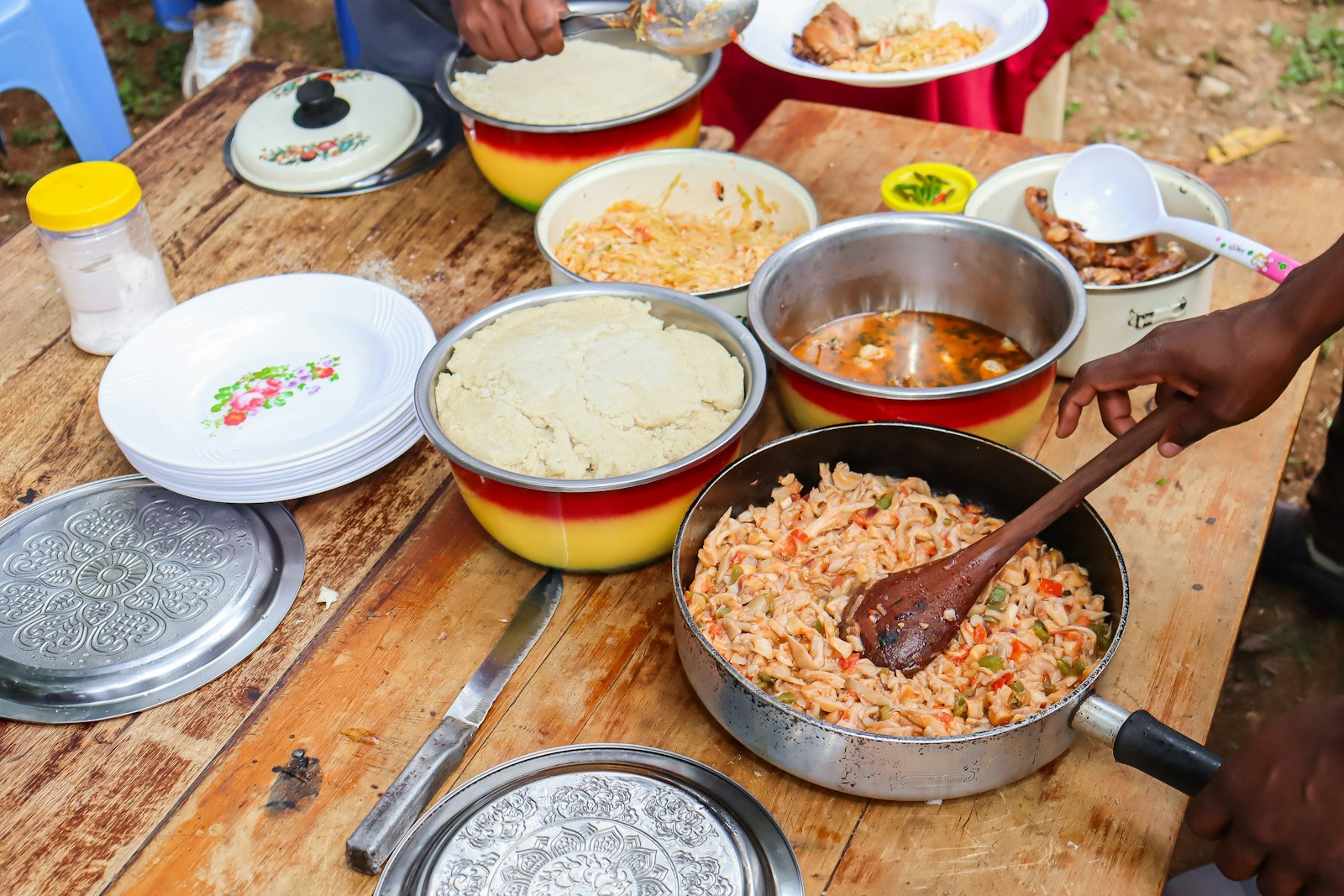
Mukimo is Central Kenya on a plate — a Kikuyu mash of potatoes, green peas, maize and pumpkin leaves crushed together until the colour is a deep emerald and the smell is sweet and grassy. It traditionally feeds wedding guests and harvest festivals, but on Madaraka Day it earns its place beside the grill. A scoop holds the gravy from your stew like nothing else. Our step-by-step mukimo recipe shows the right ratio of starch to greens.
4. Kuku Kienyeji Stew: Free-Range Chicken, Slow Cooked
Madaraka Day is also a day for the village hen — kuku kienyeji, free-range, lean and full-flavoured. Slow-cooked with onions, tomatoes, garlic, ginger and a hint of dhania (coriander), the stew turns mahogany after 90 minutes on a low jiko. The bones release a deep, earthy stock that no factory bird can match. Serve it with chapati or ugali, and prepare for second helpings. Try the authentic kuku kienyeji stew at home with whatever free-range chicken you can source.
5. Ugali na Sukuma Wiki: The People's Plate
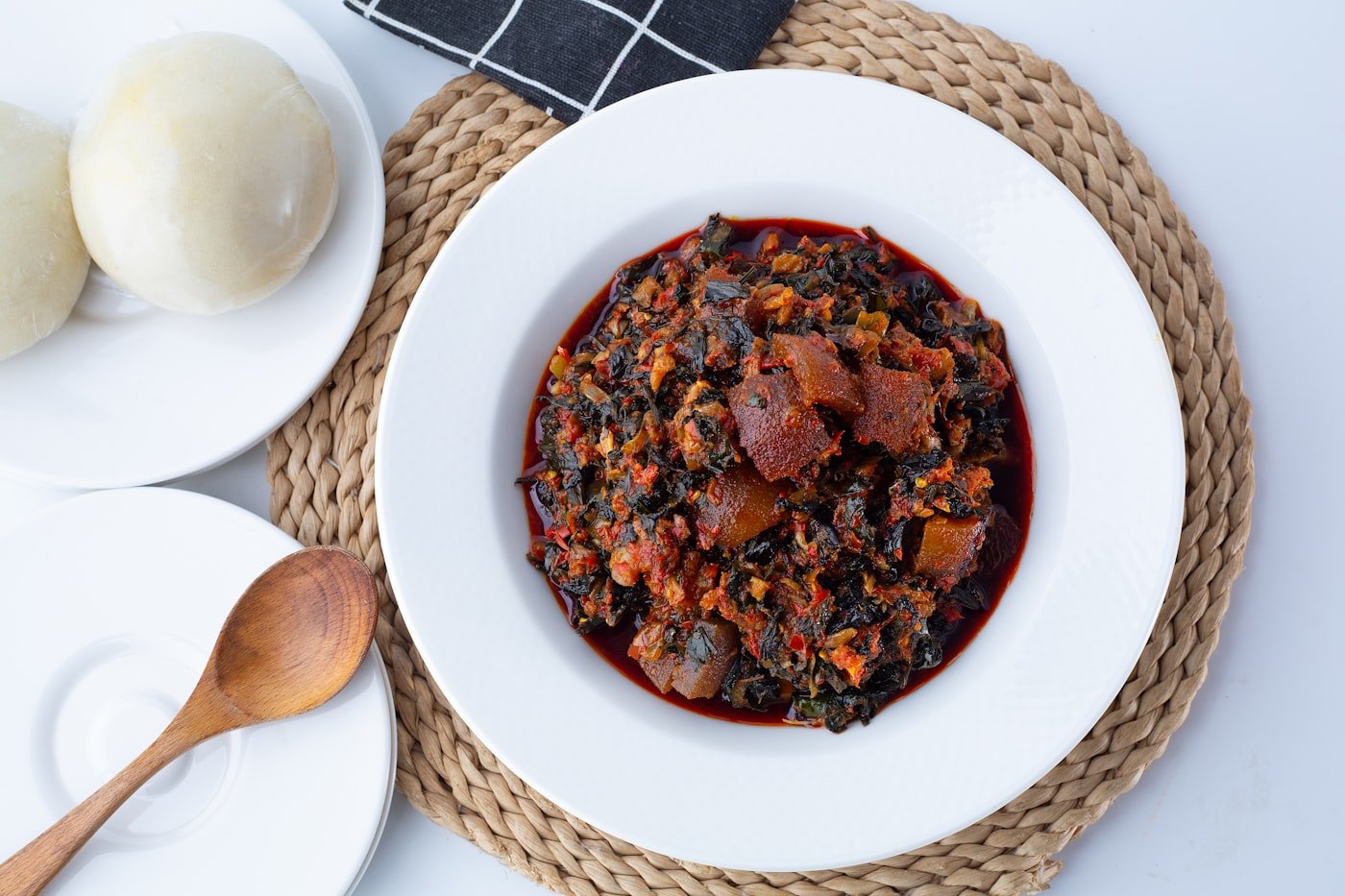
If nyama choma is the celebration, ugali na sukuma wiki is the foundation. White maize meal cooked stiff enough to hold its shape, paired with collard greens fried with onions, tomatoes and a squeeze of lime — this is the daily Kenyan plate, and on 1 June it sits proudly next to the fancier dishes. We include it because Madaraka was won for everyone, not just for those who could afford goat. The classic ugali na sukuma wiki guide covers ratios and the wrist-flick technique that produces a smooth ugali.
6. Maharagwe ya Nazi: Coconut Beans for a Coastal Twist
From the Coast comes maharagwe ya nazi — red kidney beans simmered in coconut milk with onion, tomato, garlic, turmeric and a pinch of pilipili. It is the dish that proves Kenyan cuisine is not one cuisine but many, woven together by independence into a single national table. Serve over rice, scooped with chapati, or beside ugali for a hearty vegetarian centre to the meal. Coconut beans deserve a slow simmer; the technique sits in our maharagwe ya nazi recipe.
7. Mandazi and Chai: The Sweet Finish
Every Madaraka spread ends the same way: a tray of mandazi — soft, slightly sweet, cardamom-flecked triangles — and a kettle of strong masala chai. Children take theirs with extra sugar; uncles take theirs with debate. By late afternoon the conversation has wandered from politics to football to the price of sukuma at the market, and somebody is already planning the next gathering. According to BBC News on Kenya's independence story, Madaraka Day marked the start of a transition completed in December 1963 — a long enough journey that it deserves a long, sweet ending at the table.
Frequently Asked Questions
What is Madaraka Day in Kenya?
Madaraka Day is a Kenyan public holiday celebrated on 1 June every year. It marks the day in 1963 when Kenya attained internal self-rule from British colonial administration, leading up to full independence on 12 December the same year. Families mark it with feasts, public ceremonies and presidential addresses.
What foods are traditionally eaten on Madaraka Day?
The most common Madaraka Day foods are nyama choma, pilau, mukimo, ugali na sukuma wiki, kuku kienyeji stew, maharagwe ya nazi, chapati, kachumbari and mandazi with chai. Families typically host outdoor lunches with grilled meat as the centrepiece.
Is Madaraka Day a public holiday in Kenya?
Yes. Madaraka Day is a gazetted national public holiday under the Kenya Tourism Board calendar of national days. Government offices, banks and most businesses close, while restaurants, parks and markets stay busy with celebrations.
Can I cook Madaraka Day foods outside Kenya?
Yes — every dish on this list is achievable abroad. Most ingredients (maize meal, coconut milk, kidney beans, chicken, beef, kale or collards) are widely available. Specialty items like dhania, pilau masala and pilipili can be sourced from African or Indian grocers. The FAO food data portal is a useful reference for substitutes.
A Plate That Tells Our Story
Madaraka Day food is never just food. Each dish carries a region, a community, a memory — coast and highland and city all sharing one table. Whether you are firing up a jiko in Nairobi or improvising on a balcony in Dubai like I will be, the seven recipes above belong to all of us. Cook one. Cook three. Invite somebody who has never tasted Kenya. That is the holiday.