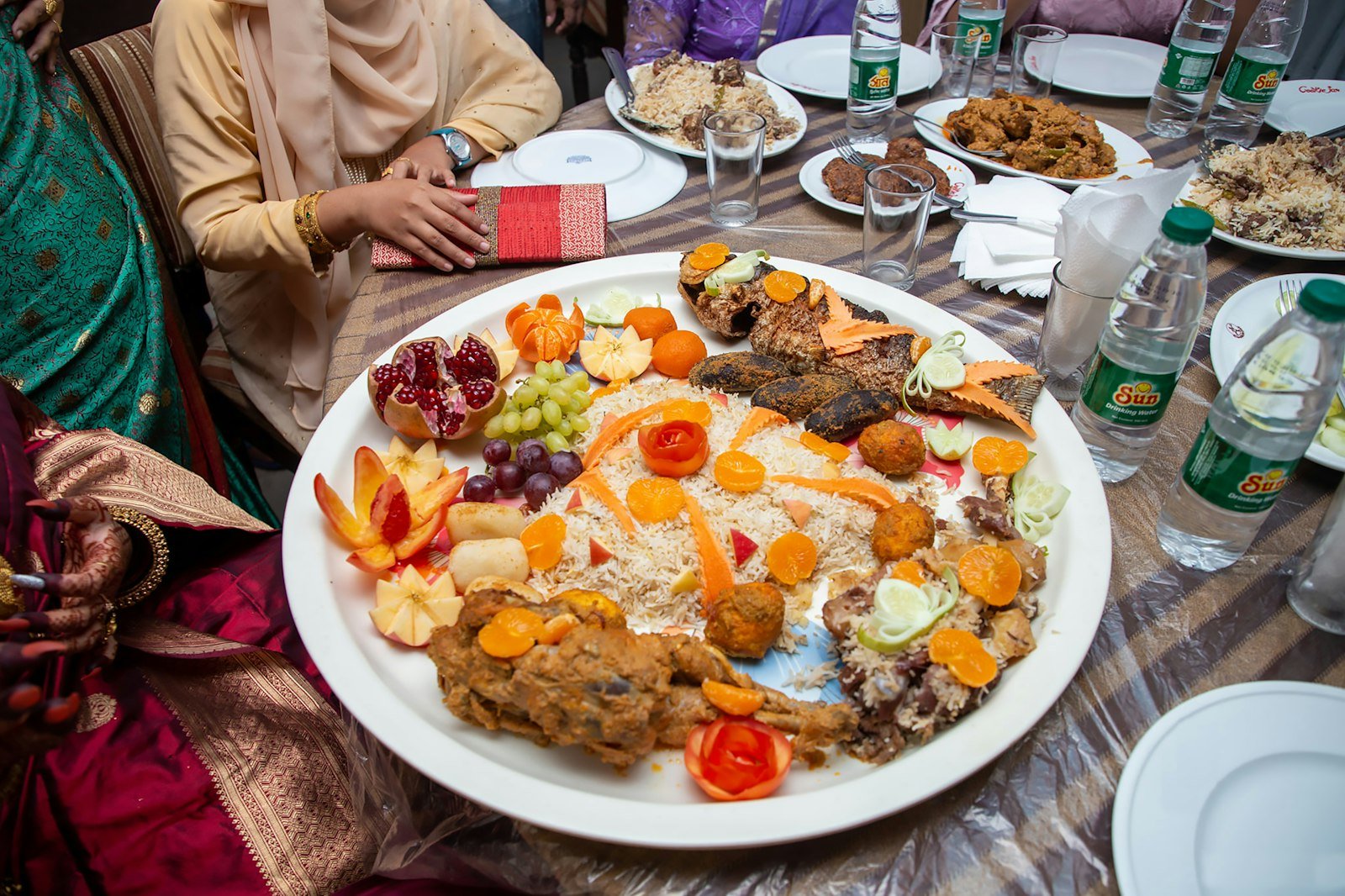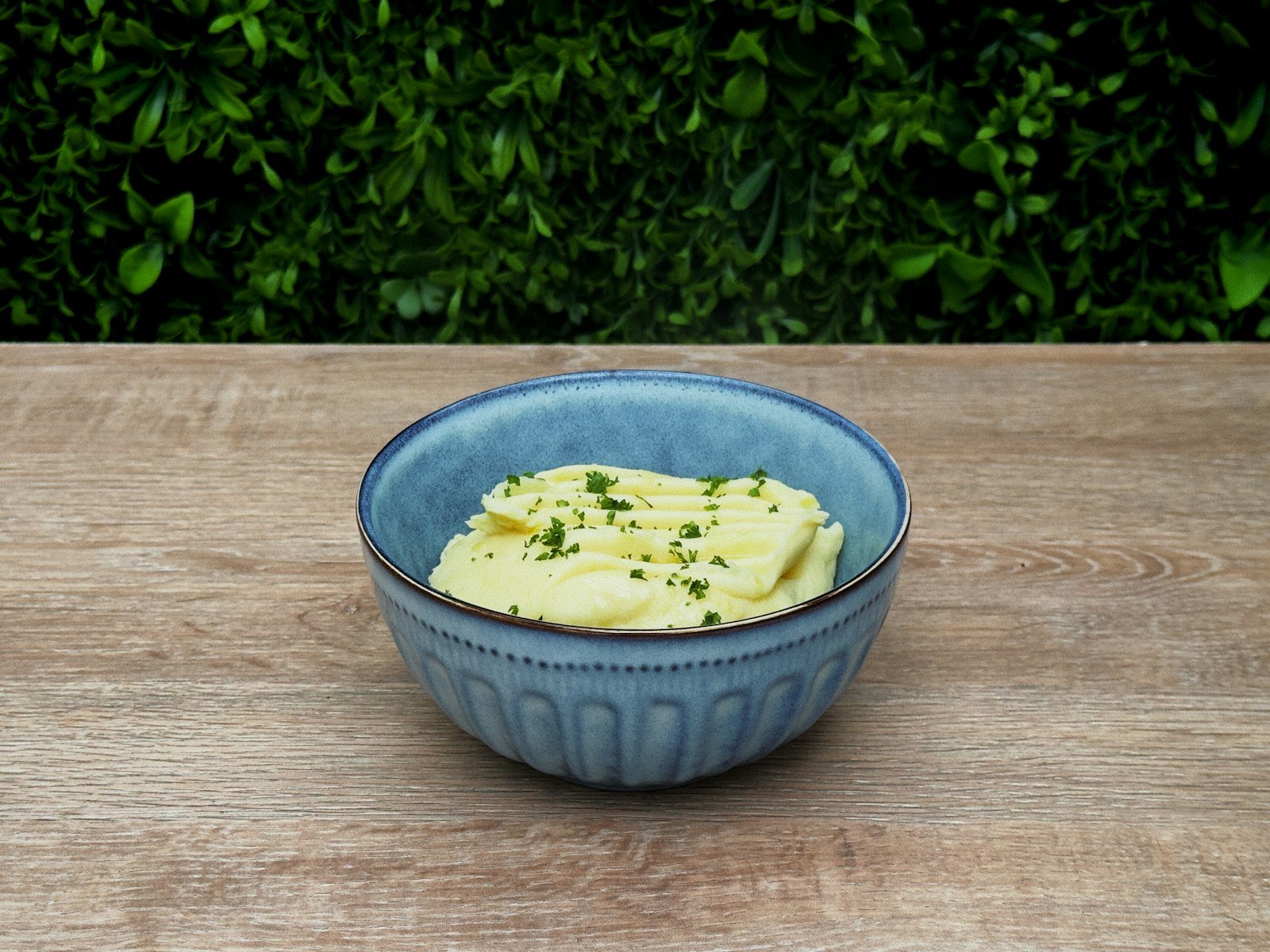
The first time you smell mukimo simmering in a cast-iron sufuria, you understand why every Kikuyu grandmother guards her recipe with quiet pride. Soft potatoes, sweet maize and bright pumpkin leaves break down together into a green-flecked mash that tastes like the highlands themselves. Cooking this mukimo recipe in our Nairobi kitchen always reminds me of the layered comfort of Indian khichdi, the same kind of one-pot generosity, just with a Kenyan accent. Once you learn the rhythm of it, you have a dish for any table, from a Sunday lunch to a wedding feast.
What is Mukimo and Where it Comes From
Mukimo (sometimes spelled irio mukimo) is a traditional Kikuyu mukimo staple from Central Kenya, the highlands around Mount Kenya, Nyeri, Murang’a and Kiambu. The word loosely means “mashed together,” and that is exactly what happens in the pot: starches, beans and greens are boiled until tender, then crushed into a thick, fragrant mound. Closely related to irio, mukimo specifically leans on green leafy vegetables like pumpkin leaves (marenge), nettles or stinging spinach to give it that signature deep green colour and earthy taste.
It is the dish you eat at funerals and weddings, on Madaraka Day picnics and quiet weeknights. According to the Kenya Tourism Board, the Kikuyu community has long relied on mukimo as a celebration food because it stretches simple ingredients into something hearty enough to feed a crowd.
Mukimo Ingredients (Serves 4-6)
Prep time: 15 minutes | Cook time: 35 minutes | Total: 50 minutes | Difficulty: Easy
- 6 medium Irish potatoes (waru), peeled and cubed
- 2 cups fresh green maize kernels (mahindi), cut from 2-3 cobs
- 1.5 cups boiled green beans, githeri beans or fresh peas
- 3 cups pumpkin leaves (marenge), washed and chopped (or substitute spinach + a small handful of dhania stalks)
- 1 small bunch sukuma wiki (collard greens), shredded
- 1 medium red onion, finely chopped
- 2 spring onions, sliced
- 2 tablespoons sunflower or vegetable oil
- 1 teaspoon salt, plus more to taste
- 3-4 cups water for boiling
How to Make Mukimo: Step-by-Step
- Cook the beans first. If using dried beans, soak them overnight and boil for about an hour until tender. Fresh peas only need 8-10 minutes. This is the one ingredient you cannot rush.
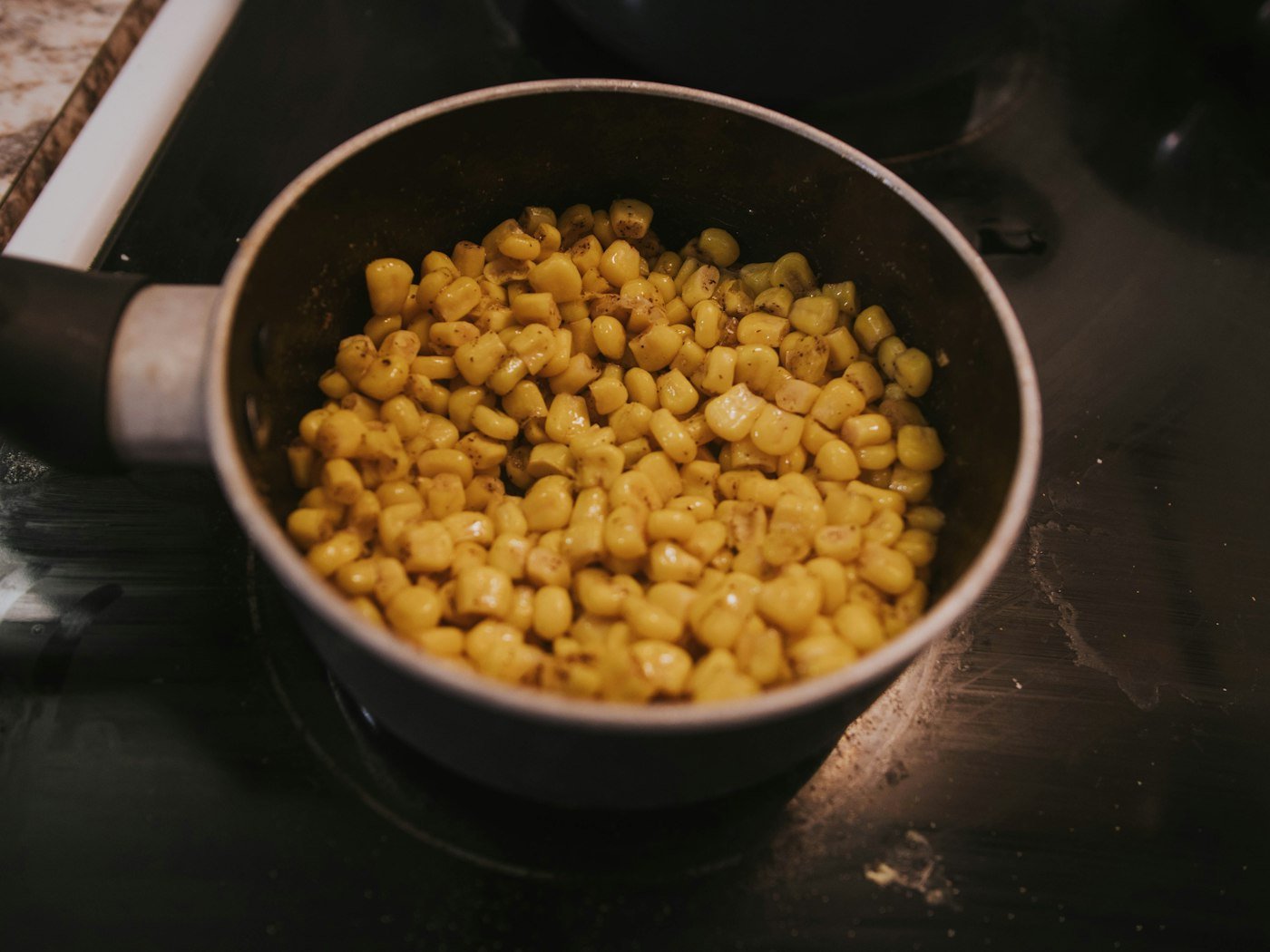
- Boil the maize. In a heavy sufuria, add the green maize kernels and cover with water. Simmer for 15 minutes until the kernels soften but still hold their shape. Maize gives mukimo its sweet bite.
- Add the potatoes. Tip the cubed potatoes into the same pot with the maize. Add salt and enough water to just cover. Boil for another 12-15 minutes until the potatoes are fork tender.
- Wilt the greens. Layer the chopped pumpkin leaves and sukuma wiki on top of the potatoes. Cover and let them steam for 4-5 minutes. They should turn a deep, glossy green.
- Drain and mash. Drain almost all of the water (save half a cup just in case). Using a wooden mwiko or potato masher, crush everything together until you have a chunky, green-flecked mash. Stir in the cooked beans last so they stay whole.
- Finish with onion oil. In a small pan, gently fry the red onion and spring onions in oil until soft and golden. Pour this fragrant onion oil over the mukimo, fold it through, taste for salt, and serve hot.
Tips, Variations and Cook’s Notes
Get the texture right. Mukimo should be thick enough to scoop with a spoon and hold its shape, never soupy. If it feels too dry, splash in a tablespoon of the reserved cooking water. If too wet, simmer uncovered for two more minutes.
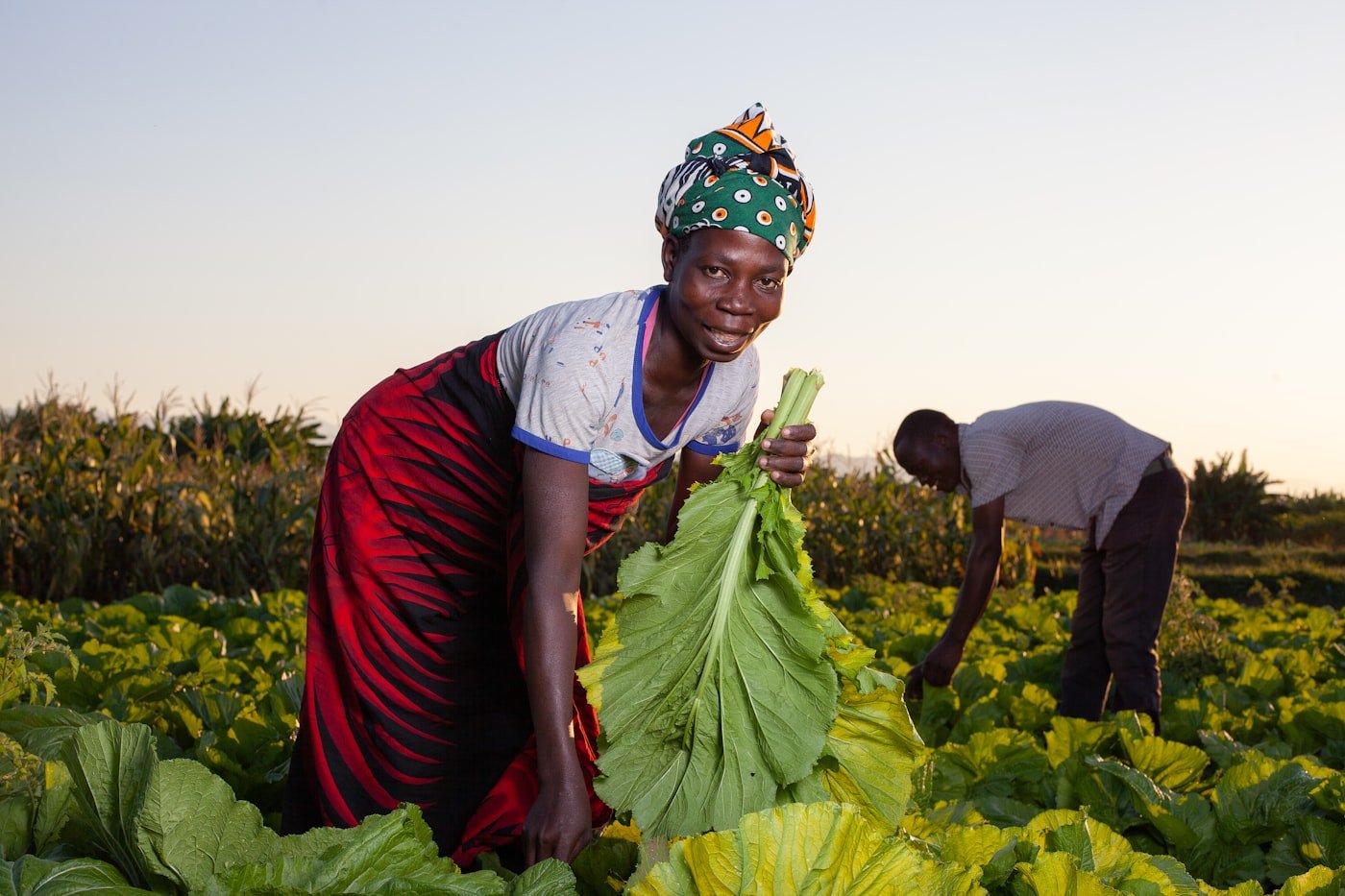
Choose the right greens. Authentic kenyan mukimo uses pumpkin leaves and a touch of stinging nettle for depth. In Nairobi supermarkets where pumpkin leaves run out, a half-and-half mix of spinach and chopped dhania (cilantro) gets you very close. FAO research on traditional African leafy vegetables notes that these indigenous greens are quietly some of the most nutrient-dense foods on the continent.
Mukimo wa Mboga. A vegetarian-only version, made without beans, lighter, often served at breakfast with fried eggs.
Mukimo wa Maharagwe. Heavier on red kidney beans, popular in Nyeri.
Modern twist. Some Nairobi chefs add finely grated carrot or sweet potato for natural sweetness and a softer green colour, the way Taste Atlas describes regional irio variations.
What to Serve with Mukimo
Mukimo is a partner dish, not a solo act. The classic Sunday plate pairs it with a generous serving of kuku kienyeji stew, where the rich, peppery gravy seeps into the warm mash. For meat lovers, smoky nyama choma straight off the jiko is the highland favourite. On vegetarian days, a side of sukuma wiki and a sharp kachumbari salad balance the starch beautifully. And if you ever travel up to Eldoret, you’ll see mukimo on almost every Eldoret restaurant menu, often paired with grilled goat ribs.
Frequently Asked Questions
What is the difference between mukimo and irio?
Irio is the broader Kikuyu term for any mashed mixture of starches and legumes. Mukimo is a specific style of irio that always includes green leafy vegetables, giving it the deep green colour and herbal aroma that sets it apart.
Can I make mukimo without pumpkin leaves?
Yes. Pumpkin leaves are traditional, but a mix of spinach and chopped dhania works well in city kitchens. Stinging nettle, when blanched first, is another authentic substitute.
Is mukimo healthy?
Very. It combines complex carbs from potatoes and maize with protein from beans and micronutrients from indigenous African greens. Made without excess oil, a single serving is balanced enough to be a complete meal.
Can I freeze leftover mukimo?
Yes, mukimo freezes well for up to two months in airtight containers. Reheat with a splash of water in a pan over low heat, stirring gently so the texture stays creamy.
The Final Bite
Cooking mukimo is one of those small acts of homecoming, whether you grew up in Nyeri or you’re meeting Kenya for the first time through your kitchen. The green colour, the smell of onion oil, the soft give of the mash under your spoon, this dish carries the highlands with it. Make it on a rainy Saturday, share it with people you love, and don’t be surprised if it becomes the recipe everyone keeps asking you to repeat.