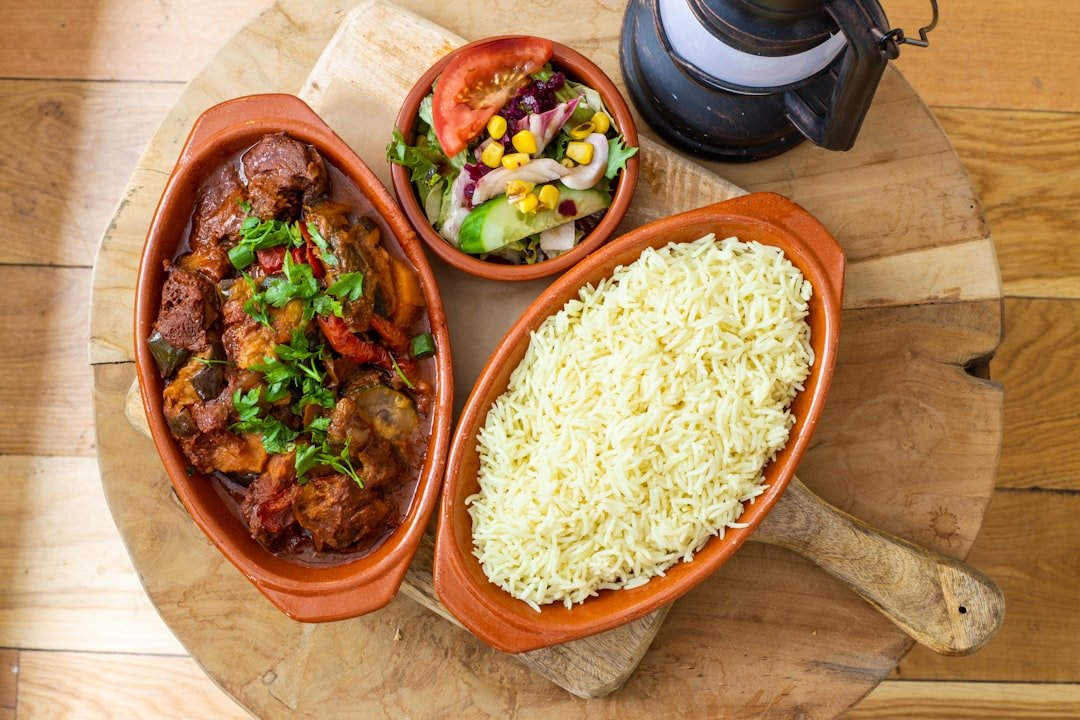
The moment you lift the lid off a pot of mchuzi wa nyama, the kitchen fills with the unmistakable fragrance of pilau masala mingling with slow-cooked beef and sweet caramelised onions. This is Kenyan comfort food at its purest — a deeply flavoured beef stew that has fed families across the country for generations, from highland farmhouses in Nyeri to apartment kitchens in Nairobi’s Westlands. Every household has its own version, tweaked and perfected over years, but the soul of mchuzi wa nyama remains the same: patience, good spice, and beef cooked until it practically falls apart.
In this recipe, we break down exactly how to make an authentic mchuzi wa nyama — rich enough to hold its own against a generous scoop of ugali and flavourful enough to keep everyone reaching for more.
What Is Mchuzi wa Nyama?
“Mchuzi” means stew or gravy in Swahili, and “nyama” means meat — typically beef in this context, though the name is used for various meat stews across East Africa. What distinguishes Kenya’s version is the layering of aromatics: onion, garlic, tomato, and a warm blend of spices built slowly into a glossy, rust-red sauce.
Unlike thickened Western beef stews, mchuzi wa nyama lets the natural cooking juices from the beef and tomatoes do the work. The result is a stew with real body but without heaviness — more savoury sauce than thick gravy — ideal for soaking into ugali (stiff maize porridge), chapati, or rice.
It’s the kind of dish that appears at Sunday family lunches, celebration feasts, and everyday weeknight dinners with equal familiarity. Growing up between Nairobi and the UK, mchuzi wa nyama is one of those dishes that always makes me feel at home the moment the smell of caramelising onions hits the air.
Mchuzi wa Nyama Recipe
Serves: 4 | Prep Time: 15 minutes | Cook Time: 1 hour 15 minutes | Difficulty: Easy
Ingredients
For the stew:
- 700g beef stewing cuts (nyama ya kupika) — chuck, shank, or brisket work best
- 3 tablespoons vegetable oil (or ghee for a richer flavour)
- 2 medium onions (kitunguu), finely diced
- 4 garlic cloves (kitunguu saumu), minced
- 1 teaspoon fresh ginger (tangawizi), grated
- 4 medium tomatoes (nyanya), blended or finely grated (about 400g)
- 1½ teaspoons pilau masala
- 1 teaspoon ground cumin
- ½ teaspoon turmeric (manjano)
- ½ teaspoon paprika
- Salt to taste
- 400ml water or beef stock
- Fresh coriander (dhania) for garnish
Optional additions:
- 1 green chilli (pilipili kijani), slit lengthwise — for a gentle heat
- 1 tablespoon tomato paste — for a deeper colour and richer flavour
How to Cook Mchuzi wa Nyama — Step by Step
Step 1: Sear the Beef
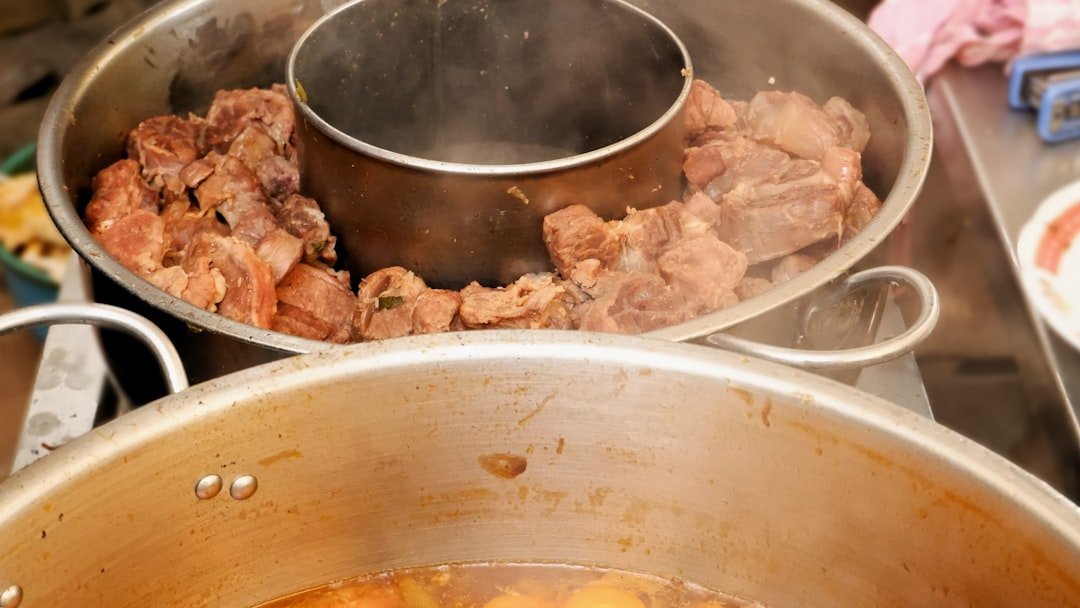
Pat the beef pieces dry with a paper towel — moisture is the enemy of good browning. Heat the oil in a heavy-bottomed pot over high heat until shimmering. Season the beef lightly with salt and sear in batches for 3–4 minutes per side until deeply browned. Don’t crowd the pot; you want colour, not steam. Remove and set aside.
Step 2: Build the Aromatic Base
Reduce heat to medium. In the same pot, add the diced onions (kitunguu) and cook for 8–10 minutes, stirring often, until they are deeply golden and beginning to caramelise. This step is non-negotiable — it’s where the stew’s sweetness and depth come from. Add the garlic and ginger and cook for another 2 minutes until fragrant.
Step 3: Add the Tomatoes and Spices
Pour in the blended tomatoes (nyanya). Stir in the pilau masala, cumin, turmeric, and paprika — and tomato paste if using. Cook the tomato base down for 10–12 minutes, stirring regularly, until it darkens in colour and the oil begins to separate from the mixture. This is your signal the base is fully cooked and ready.
Step 4: Slow-Simmer to Tenderness
Return the seared beef to the pot along with the water or stock and the slit green chilli if using. Bring to a boil, then reduce the heat to low, cover tightly, and simmer for 45–60 minutes — until the beef is completely tender and the sauce has thickened to a rich, coating consistency. Check every 20 minutes and add a splash of water if the stew is reducing too fast.
Step 5: Taste, Finish, and Serve
Taste and adjust salt. The mchuzi wa nyama should be deeply savoury with a warm spiced depth. Stir in freshly chopped dhania (coriander) off the heat and serve immediately.
What to Serve with Mchuzi wa Nyama
The classic pairing across Kenya is ugali — the stiff maize porridge that anchors so many Kenyan meals. You form the ugali into small balls with your right hand, press a thumb-indent into it, and use it to scoop the stew. Simple, satisfying, and deeply Kenyan.
Other excellent pairings include:
- Chapati — the layered flatbread makes a wonderfully soft scoop for the rich gravy
- Wali wa nazi (coconut rice) — pairs beautifully for a coastal-inspired feast
- Kachumbari — the bright raw tomato and onion relish cuts through the richness perfectly
According to the FAO Kenya country profile, beef is one of Kenya’s most consumed meats, with cattle-keeping communities across the Rift Valley and Central Kenya making beef stews like mchuzi wa nyama a centrepiece of the daily diet.
Tips for the Best Mchuzi wa Nyama
Use bone-in cuts when possible. Beef shank (mguu) or ribs add collagen and marrow richness that boneless cuts cannot match. The gelatin from the bones gives the sauce a silky body as it cooks.
Don’t rush the onions. Deeply caramelised onions are the difference between a good mchuzi and a great one. Give them a full 8–10 minutes on medium heat.
Let the tomato base fully cook out. When you see the oil separating from the tomato mixture, the base is ready. Rushing this step leaves a raw, sharp tomato flavour in the finished stew.
It tastes better the next day. Like most stews, mchuzi wa nyama improves overnight. The spices bloom further and the beef absorbs even more of the sauce. Make a big batch — it keeps well for up to 3 days in the fridge.
For a pressure cooker version: Sear the beef, build the tomato base, then pressure cook on high for 25 minutes. Allow a natural pressure release for 10 minutes before opening. You’ll get the same tender result in a fraction of the time.
For more on the spices that make this dish sing, our pilau masala guide covers everything from sourcing to blending your own at home.
Frequently Asked Questions
What is mchuzi wa nyama?
Mchuzi wa nyama is a traditional Kenyan beef stew made with slow-cooked beef simmered in a spiced tomato and onion base. It is a staple across Kenyan homes and is most commonly served with ugali, chapati, or rice.
Which beef cut is best for mchuzi wa nyama?
Tougher, collagen-rich cuts like beef shank (mguu), chuck, or brisket are ideal. They break down beautifully over a slow simmer, giving the sauce a rich, silky body that tender cuts cannot achieve.
Can I make mchuzi wa nyama without pilau masala?
Yes — substitute with a mix of ground cumin, coriander, cinnamon, and a pinch of cloves. However, pilau masala is widely available at Kenyan markets and supermarkets and delivers the most authentic flavour.
How long does mchuzi wa nyama last in the fridge?
Stored in an airtight container, mchuzi wa nyama keeps well for 3 days in the fridge. The flavour actually deepens overnight as the spices continue to infuse into the sauce and beef.
Mchuzi wa nyama is one of those recipes you learn once and cook for a lifetime. It is deeply rooted in Kenyan home cooking — humble in its ingredients, generous in its flavour. Whether you are making it for a Sunday family lunch or a weeknight dinner after a long week, simmer it low and slow, finish with fresh dhania, and serve it with the ugali it was made for.