Waking up in Kenya means waking up to flavour. Long before the first matatu rattles down the road, jikos are already glowing, pots are simmering, and the scent of spiced chai drifts through the air. Kenyan breakfast foods are an honest reflection of who we are — warm, communal, rooted in the land. Whether you’re sitting in a mud-walled home in Murang’a or a modern apartment in Kilimani, the rhythm of the Kenyan morning is unmistakable.
Having spent years moving between Nairobi and Ahmedabad, I’ve come to realise how much a morning meal tells you about a culture. In Kenya, breakfast isn’t rushed. It’s the meal that sets the tone for the day — and the variety across communities and regions is genuinely remarkable.
Here are 10 traditional Kenyan breakfast foods worth knowing, eating, and celebrating.
1. Uji — The Fermented Porridge That Fuels Kenya
Uji (pronounced oo-jee) is arguably the most widely consumed breakfast in Kenya. This thin, slightly sour porridge is made from fermented maize, millet, or sorghum flour, cooked with water until silky smooth. It’s typically sweetened with a little sugar and sometimes enriched with milk.
In western Kenya and among the Luo community, uji is a morning institution — children grow up drinking it before school, mothers prepare it in bulk for the week. The fermentation process gives it a gentle tang and makes it highly digestible. Nutritionally, uji is rich in complex carbohydrates and, when made with wimbi (finger millet), packs impressive iron and calcium content.
You’ll find uji at roadside stalls across the country, served in enamel cups for just a few shillings — one of Kenya’s most democratic breakfasts.
2. Wimbi Uji — Millet Porridge from the Highlands
Wimbi is finger millet, and wimbi uji is the darker, earthier cousin of regular uji. Common in central Kenya and the Rift Valley, wimbi porridge has a deeper nutty flavour and a distinctly satisfying richness.
According to the FAO, finger millet is one of the most nutritious grains in Sub-Saharan Africa, providing sustained energy ideal for Kenya’s active mornings. For babies and young children, wimbi uji is often the first solid food — a cultural rite of passage as much as a nutritional staple.
3. Mandazi — Kenya’s Beloved Fried Bread
Mandazi (sometimes called maandazi) are triangular or oval fried doughs — mildly sweet, slightly crispy outside, pillowy within. Coastal versions use coconut milk and cardamom for a fragrant bite. They pair perfectly with chai or mchuzi (gravy). A fresh batch straight from the fryer, still glistening with oil, needs no embellishment.
Our authentic mandazi recipe walks you through the exact technique, including the coastal coconut milk version.
4. Chapati and Eggs — The Urban Kenyan Classic
In Nairobi and other urban centres, a chapati paired with scrambled eggs (mayai) is the definitive weekday breakfast. Kenyan chapati is flakier and more substantial than Indian roti — rolled with ghee between the layers, giving it those satisfying folds that soak up runny egg yolk beautifully.
From a personal comparison: growing up with Indian roti on one hand and Kenyan chapati on the other, Kenyan chapati wins on breakfast durability. It keeps you going well past midday. Our chapati recipe guide covers the layering technique.
5. Githeri — The Leftover That Became Breakfast
A pot of githeri (boiled maize and beans) cooked the night before becomes breakfast the next morning across Kikuyu, Meru, and Embu households. Reheated, perhaps fried briefly with onion and tomato, morning githeri is hearty, protein-rich, and deeply comforting. Nothing is wasted. See our githeri recipe for the classic method.
6. Nduma — Arrowroot, the Quiet Breakfast Hero
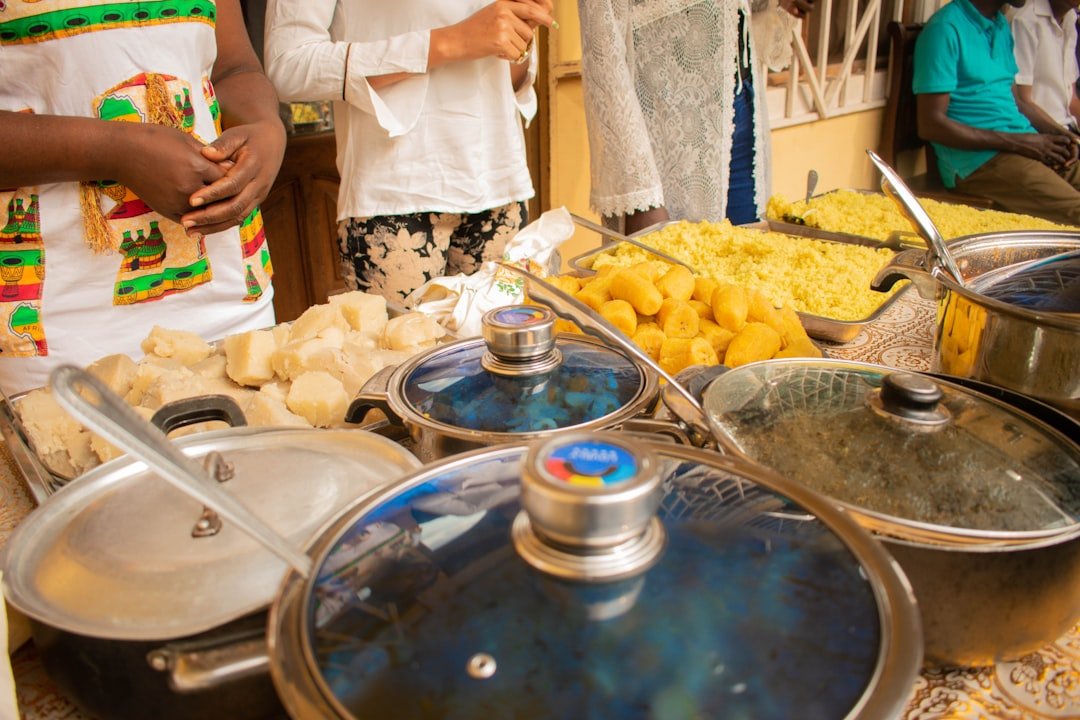
Nduma (arrowroot) is one of Kenya’s most underrated breakfast foods. Boiled until tender, these starchy tubers are served plain or with a drizzle of honey. In central Kenya — Nyeri, Kirinyaga, Murang’a — nduma is as fundamental to the morning as tea. The texture is dense and slightly sticky, gluten-free, and has been feeding Kikuyu families for generations. Boil for 25–30 minutes and serve with black tea.
7. Sweet Potato (Viazi Vitamu) and Chai
Sweet potato (viazi vitamu) boiled or roasted is a common breakfast across western and coastal Kenya. Vendors set up at bus stages from as early as 5:30 AM, selling steaming sweet potatoes wrapped in newspaper. The orange-fleshed variety is rich in beta-carotene and paired with chai makes one of Kenya’s most portable, nutritious breakfasts.
8. Mahamri — The Coast’s Morning Pastry
Mahamri are coconut and cardamom doughnuts deeply embedded in Swahili food culture. Unlike mandazi, mahamri are round, puffier, and have a pronounced coconut fragrance from fresh-grated nazi. In Mombasa, Malindi, and Lamu, they’re the breakfast default — eaten alongside chai ya rangi (black spiced tea). Our Lamu food guide covers the broader coastal breakfast culture.
9. Mutura — The Nairobi Street Breakfast
Mutura — a Kikuyu blood sausage made from minced meat, offal, and spices stuffed into intestine casing and roasted on charcoal — is a polarising but beloved Nairobi street breakfast. By 7 AM, mutura vendors near bus stages in Eastleigh, Gikomba, and Ngara are already serving. Sliced thick, still sizzling, eaten with a toothpick. Our Nairobi street food guide has the full breakdown.
10. Chai ya Maziwa — Kenya’s Morning Glue
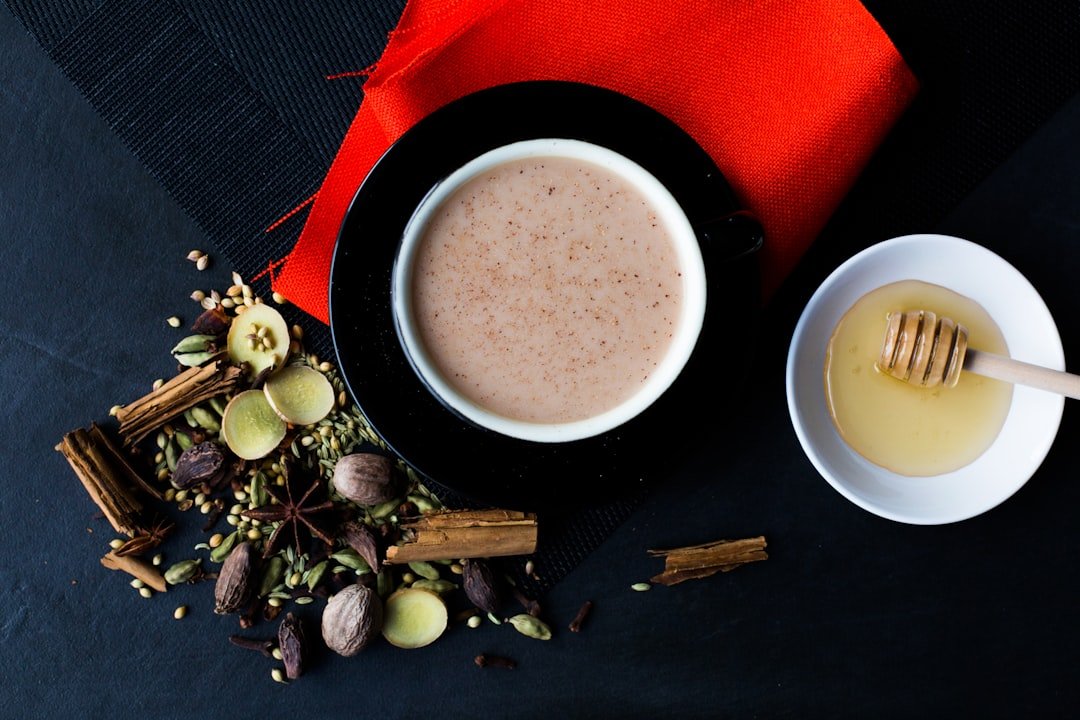
Chai ya maziwa — milky spiced tea — is less a beverage and more a cultural institution. Brewed with whole milk, loose black tea, ginger, cardamom, and sometimes cloves, Kenyan chai is rich, warming, and slightly sweet. It ties together every other item on this list. Our Kenyan chai masala guide covers the spice ratios and brewing technique in full.
Frequently Asked Questions About Kenyan Breakfast Foods
- What do most Kenyans eat for breakfast?
- The most common Kenyan breakfasts are uji (fermented grain porridge), chai ya maziwa with mandazi or chapati, and githeri in highland households. Choices vary significantly by region and community.
- Is uji healthy?
- Yes. Uji made from finger millet (wimbi) is high in iron, calcium, and complex carbohydrates. The fermentation process improves digestibility and introduces beneficial probiotics.
- What is the difference between mandazi and mahamri?
- Mandazi is a general Kenyan fried bread found across the country. Mahamri is the coastal Swahili version made with coconut milk and yeast — puffier, more fragrant, and distinctly round.
- What time do Kenyans eat breakfast?
- Most Kenyans eat breakfast between 6:00 AM and 8:30 AM. Street vendors and small hoteli start serving as early as 5:30 AM in urban areas.
The Kenyan Morning Table
What strikes me most about Kenyan breakfast foods — whether it’s a roadside cup of uji in Kisumu, mahamri fresh from a Mombasa bakery, or chapati-and-eggs at a Nairobi cafe — is the sense of care behind each one. These are dishes that have fed communities for generations, shaped by the land, the climate, and the people. They deserve a seat at the table — preferably beside a hot cup of chai.