There is a dish that has warmed Kikuyu kitchens for generations — a simple, green-flecked mash that smells of home and tastes of highland soil. Irio (pronounced ee-ree-oh) is Kenya’s beloved mashed peas and potatoes, a staple from the Central Province that has found its way onto tables from Nyeri to Nairobi. With its earthy sweetness and vibrant colour, irio is comfort food at its most honest — and once you know how to make it, you will never look at boiled potatoes the same way again.
In Kenya, we grew up knowing that irio is more than a side dish. It is the kind of food your grandmother made on a cold highland evening, scooped generously alongside nyama choma or a rich stew. February in the Central Highlands brings cool mornings and that particular crispness in the air that makes you want something warm and filling. Irio answers that call every time.
What Is Irio? The Kikuyu Heritage Behind the Dish
Irio is a traditional dish of the Kikuyu people of Kenya’s Central Region, made by mashing together boiled potatoes, green peas (or field peas), and whole or lightly crushed maize kernels. The word “irio” itself means “food” in Kikuyu — a fitting name for something so fundamental to daily nourishment in the region.
Unlike ugali, which requires technique and a strong wrist, irio is forgiving and flexible. Recipes vary by family and season. Some cooks add mahindi (maize), others stir in spinach or sukuma wiki (collard greens) for extra colour and iron. The result is always a chunky, speckled mash — never completely smooth, always deeply satisfying.
Irio gained international recognition as a key component of Nyama Choma with Irio, a combination that has become one of Kenya’s signature culinary exports. You will find it listed on menus at top Nairobi restaurants and in local nyama choma joints alike. According to TasteAtlas, irio ranks among the most iconic traditional dishes of East Africa.
Ingredients for Authentic Kenyan Irio
This recipe serves 4 people and uses the ingredients you would find at any Kenyan market, or sokoni. The beauty of irio is in its simplicity — no exotic spices, no complicated techniques. Just good, honest produce.
Prep time: 15 minutes
Cook time: 30 minutes
Servings: 4
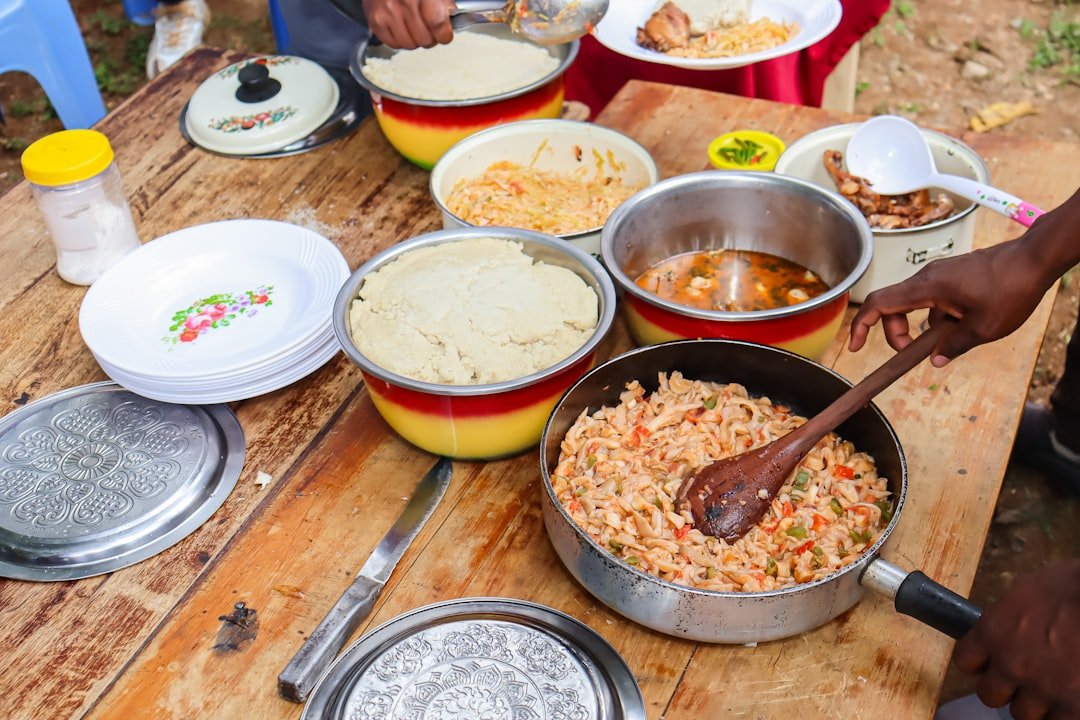
- 500g potatoes (viazi) — peeled and roughly chopped
- 300g fresh or frozen green peas (njegere)
- 200g maize kernels (mahindi) — cooked or from a tin, drained
- 1 cup fresh spinach or sukuma wiki (sukuma), finely shredded (optional but recommended)
- 2 tablespoons butter or cooking oil
- Salt (chumvi) to taste
- Black pepper (pilipili nyeusi) to taste
- Water for boiling
For the best flavour, use Kerr’s Pink or Shangi potatoes if you can find them at your local market — they mash beautifully and hold a creamy texture without becoming gluey. According to BBC Good Food, floury potato varieties give the fluffiest mash base.
Step-by-Step Irio Recipe Instructions
- Boil the potatoes: Place the chopped potatoes in a large pot, cover with cold salted water, and bring to a boil. Cook for 15–18 minutes until fork-tender.
- Cook the peas: In the last 5 minutes of the potatoes boiling, add the green peas to the same pot. If using frozen peas, they only need 3 minutes.
- Add the greens: In the final minute of cooking, toss in the shredded sukuma wiki or spinach. This wilts the greens while preserving their bright colour and nutrients.
- Drain and mash: Drain the pot, return everything to the heat on low. Add butter (or oil) and mash with a potato masher or large fork. The goal is a rough, textured mash — not a smooth purée. You want visible pieces of pea and maize throughout.
- Fold in the maize: Stir through the cooked maize kernels gently. They should remain mostly whole, giving the irio its characteristic chunky texture and natural sweetness.
- Season and serve: Add salt and pepper to taste. Serve hot, piled on the side of grilled meat, a stew, or simply with a drizzle of ghee on top.
How to Serve Irio the Kenyan Way
Irio is traditionally served alongside protein — most famously with nyama choma (grilled goat or beef), or with a slow-cooked beef or chicken stew. In the highlands, it is also eaten with mukimo accompaniments like fried eggs or pan-roasted lamb chops.
At Nairobi’s upscale restaurants, you will sometimes find irio reimagined as a gourmet stack — pressed into a ring mould and topped with pan-seared beef medallions. But at home, we love it the old way: scooped with a large spoon onto a warm plate, green and golden and steaming.
Irio is also an excellent dish for vegetarians. Pair it with a simple tomato and onion sukuma wiki stir-fry or lentil stew for a complete, plant-based Kenyan meal. The Kenya Tourism Board highlights irio as one of the authentic experiences visitors should seek out when exploring Central Kenya’s food culture.
Tips for Perfect Irio Every Time
A few things we have learned from making irio in Kenyan kitchens over many years:
- Don’t over-mash: Irio should be rustic and textured. Over-mashing turns it into a starchy paste. Stop when you still have some lumps — they are part of the character.
- Season generously: Potatoes and peas need salt. Taste as you go and don’t be shy — under-seasoned irio is one of the most common mistakes.
- Use the cooking water: If your mash feels too dry, add a splash of the reserved cooking water rather than milk or cream. This keeps it authentically Kenyan and adds extra starchy flavour.
- Fresh vs. frozen peas: Fresh garden peas from a morning market are ideal, but high-quality frozen peas work beautifully and are more consistent year-round.
- Maize prep: If using dried maize, soak overnight and boil for 1–2 hours until tender before adding. Tinned sweetcorn is a perfectly acceptable shortcut and adds a pleasant sweetness.
For more ingredient insights on traditional Kenyan cooking staples, our guide to Kenyan aromatics and spices covers the building blocks of the cuisine in detail.
Frequently Asked Questions About Irio
What is the difference between irio and mukimo?
Both are Kikuyu mashed dishes made with potatoes, but mukimo typically includes pumpkin leaves (marenge) and sometimes beans, giving it a darker green colour and richer flavour. Irio is lighter, with peas and maize as the key additions. The two are often confused, but mukimo tends to be reserved for special occasions and celebrations.
Can I make irio ahead of time?
Yes — irio reheats well. Store it in an airtight container in the fridge for up to 2 days. Reheat gently in a pan with a small splash of water or butter, stirring frequently to prevent it from sticking. The texture holds up surprisingly well the next day.
Is irio gluten-free?
Traditional irio made with potatoes, peas, maize, and greens is naturally gluten-free. Just check any pre-cooked maize products you buy to confirm no additives. It is also dairy-free if you substitute butter with a neutral cooking oil — making it suitable for a range of dietary needs.
What drinks pair well with irio?
In Kenya, irio is often enjoyed with a cold Tusker lager or a fresh passion fruit juice (juisi ya pesheni). For a warming combination, serve alongside a cup of Kenyan chai masala — the spiced tea cuts beautifully through the richness of the mash.
Irio in Modern Kenyan Kitchens
There is a quiet renaissance happening with irio and other traditional Kenyan dishes. As younger generations look to reconnect with their culinary roots, dishes like irio are appearing on restaurant menus, food blogs, and social media feeds with new energy. The Nation Media Group’s food coverage has documented how chefs in Nairobi are elevating traditional recipes without losing their soul.
We think that is exactly as it should be. Irio doesn’t need to be reinvented — it needs to be remembered, made, and shared. Whether you are cooking it for a Sunday family meal or introducing it to a friend who has never tried Kenyan food, this dish tells a story of the highlands, of community, and of the kind of cooking that feeds people in the deepest sense.
Give this recipe a try and let us know how it turns out. There is real pride in setting a plate of irio on the table — bright green, fragrant with butter, and unmistakably Kenyan.