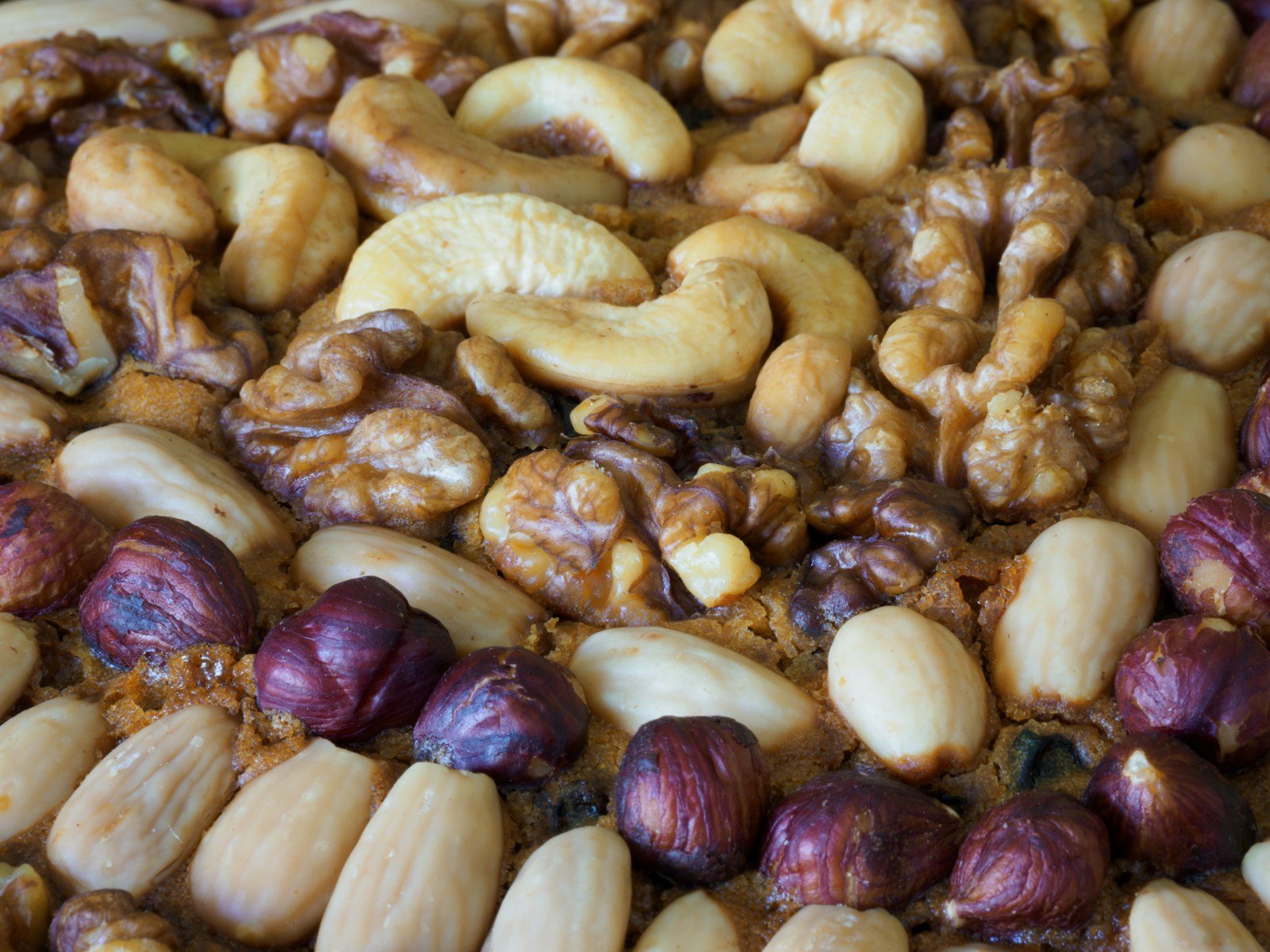
Walking through a farm shop in Surrey last month, I spotted a small kraft pouch labelled “Kenyan Macadamias” tucked beside the chocolate truffles. The price tag was eye-watering. What it represented, though, was bigger than any nut: in just over a decade, Kenya’s macadamia boom has turned a quiet smallholder crop into one of our biggest agricultural success stories. We are now Africa’s top macadamia producer, and one of the world’s largest growers outside Australia. For Kenyan farmers, restaurants and home cooks, this is a story still unfolding.
A Quiet Crop Becomes a Star Export
Macadamia trees were first introduced to Kenya in the 1940s as shade for coffee. Few people gave them a second thought. They were a slow crop, taking seven to ten years to bear nuts, and the global market was small. That has changed. Production has roughly doubled in the past decade, and Kenya now exports more macadamia kernel than any other country in Africa, often trading the regional crown back and forth with South Africa.
The shift is visible at every level. Smallholder farmers in Murang’a, Embu, Meru, Kirinyaga and Tharaka Nithi — the heart of our macadamia belt — now plant macadamias alongside coffee and bananas. A single mature tree can earn a family steady income for decades. Public production figures from the FAO show Kenya’s nut output feeding buyers in the United States, Germany, China, the Netherlands and the United Kingdom.
Why Kenya’s Highlands Grow World-Class Macadamias
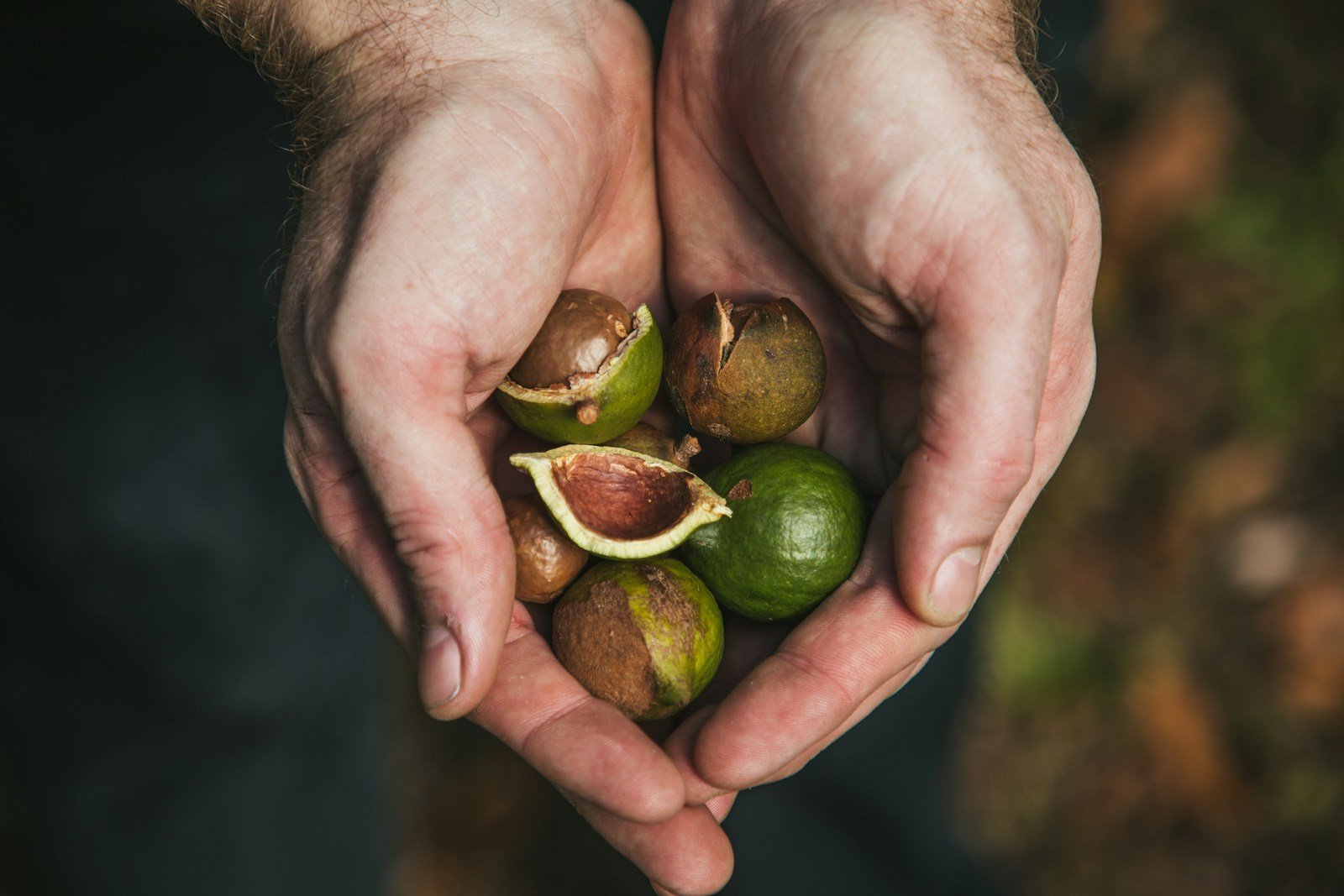
Walk through Murang’a in the morning and you understand why the trees thrive. The air is cool. The soil is volcanic and rich. Rainfall is reliable. Macadamias, which originate from coastal Australia, love this combination — altitudes between 1,000 and 2,100 metres, well-drained soil, and a long, gentle rainy season. Kenyan growers also have an underrated advantage: careful, hand-harvest labour. Each nut is gathered from the ground by hand, sorted by size and quality, and dried slowly. The kernel that finally reaches a London chocolatier or a Berlin baker is, in many cases, larger and creamier than its global competitors.
The 2009 Ban That Changed Everything
The boom was not only a farming story; it was a policy story. In 2009 the Kenyan government banned the export of nut-in-shell macadamias. The intention was simple: keep the value-adding work — cracking, drying, grading, packaging — inside Kenya. Local processors filled the gap. Today, names like the Kenya Nut Company (founded in 1974), Jungle Macs and a wave of newer cooperatives crack and roast for global brands. The ban was lifted briefly and then re-imposed in 2020 to protect that local industry. The result is a domestic processing sector that supports thousands of jobs in Thika, Nairobi and Nyeri, and a strong link in Kenya’s wider agricultural economy.
For visitors, this means the macadamia you eat in a Nairobi café is almost always Kenyan — and so is the chocolate-covered version on the airport gift shelves. Drop into Karen on a weekend and you’ll find macadamia oil, macadamia butter and macadamia brittle taking shelf space from imported snacks. (For a tour of that wider scene, see our best restaurants in Karen, Nairobi guide.)
What the Macadamia Boom Means for Kenyan Cooks
For us in the kitchen, the macadamia revival is opening doors. Kenyan macadamia oil — light, buttery, with a high smoke point — is starting to replace imported sunflower oil in Nairobi’s high-end kitchens. Chefs are folding crushed macadamias into ugali for a richer texture, dusting them over Kenyan fried tilapia, or grinding them into the spice paste behind a coastal samosa. A small pinch of toasted macadamia transforms a plate of steamed matoke into something that tastes like a holiday.
The boom also tells a wider story about how our agriculture is changing. Macadamia is the latest in a string of Kenyan crops — joining coffee, tea and the recent avocado export boom — where smallholder farmers, rather than mega-plantations, are leading the way. Combined with the work being done in climate-resilient farming, our macadamia industry is a small but real example of Kenyan agriculture finding its place in the world.
Frequently Asked Questions
Is Kenya really one of the world’s biggest macadamia producers?
Kenya is currently Africa’s top producer and one of the world’s largest, regularly trading places with South Africa for the African crown and ranking among the top three globally alongside Australia and South Africa.
Where in Kenya are macadamias grown?
Most macadamias are grown in the central highlands — Murang’a, Embu, Meru, Kirinyaga, Tharaka Nithi, Nyeri and Kiambu — where altitude, soil and rainfall suit the tree.
Are Kenyan macadamias used in cooking or only as snacks?
Both. Roasted macadamias are a popular snack, but Kenyan chefs increasingly use macadamia oil for cooking, macadamia butter for spreads, and crushed macadamias to enrich stews, sauces and desserts.
How long does it take a macadamia tree to bear nuts?
A macadamia tree takes about seven to ten years from planting to first harvest, and a healthy tree can produce nuts for fifty years or more, which is why it is now a popular long-term crop for smallholder farmers in Kenya.
The Quiet Pride of a Kenyan Nut
Every time I see a tin of Kenyan macadamias on a London shelf, I feel a small flush of pride. This is not a glamorous boom. There are no big slogans, no celebrity ambassadors. Just farmers in the highlands, processors in the towns, and traders moving careful, clean kernel out of our country and into the world’s kitchens. If you find yourself near a Nairobi market this season, pick up a packet of Kenyan macadamia — you are tasting the future of our farming.