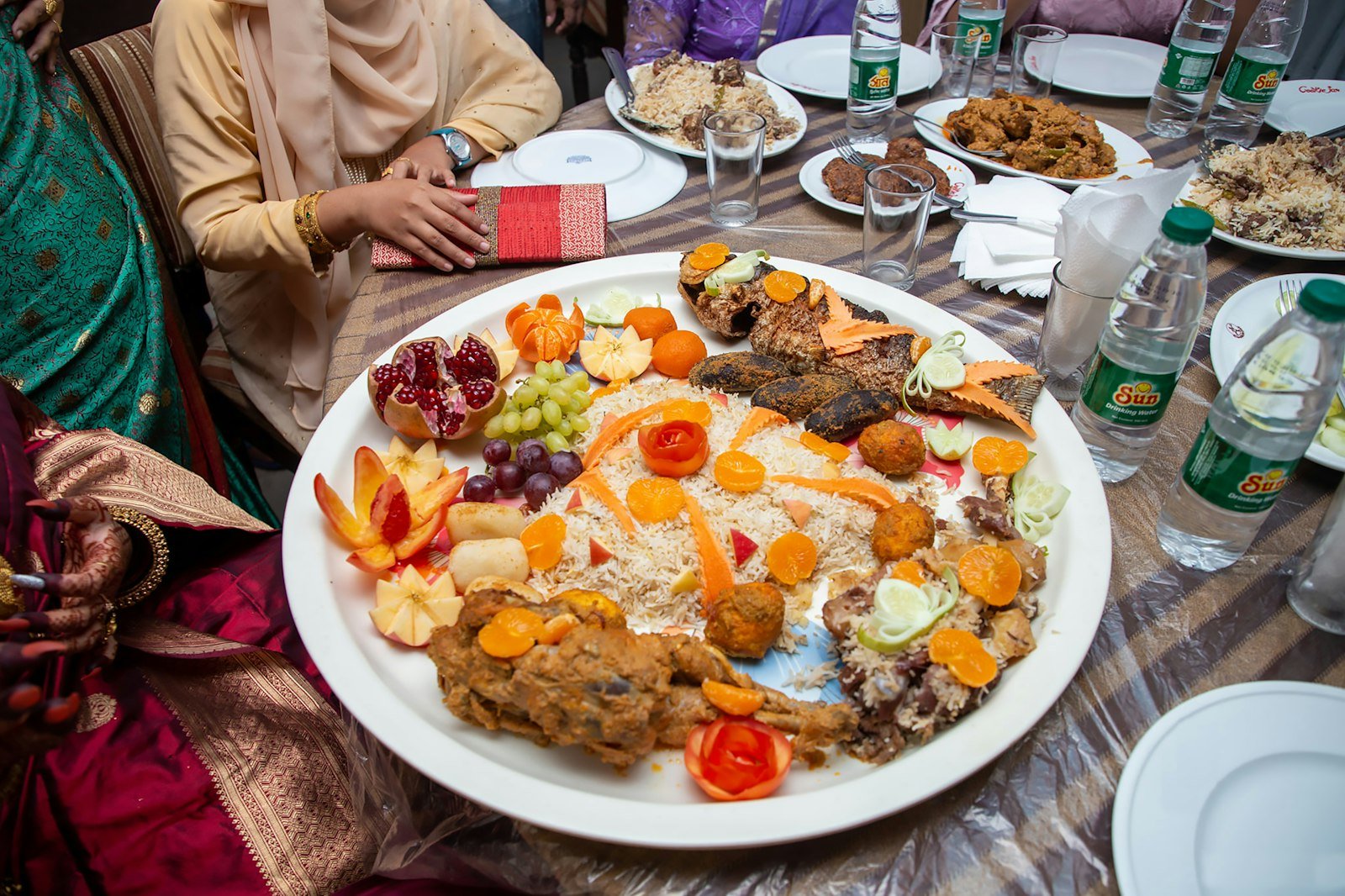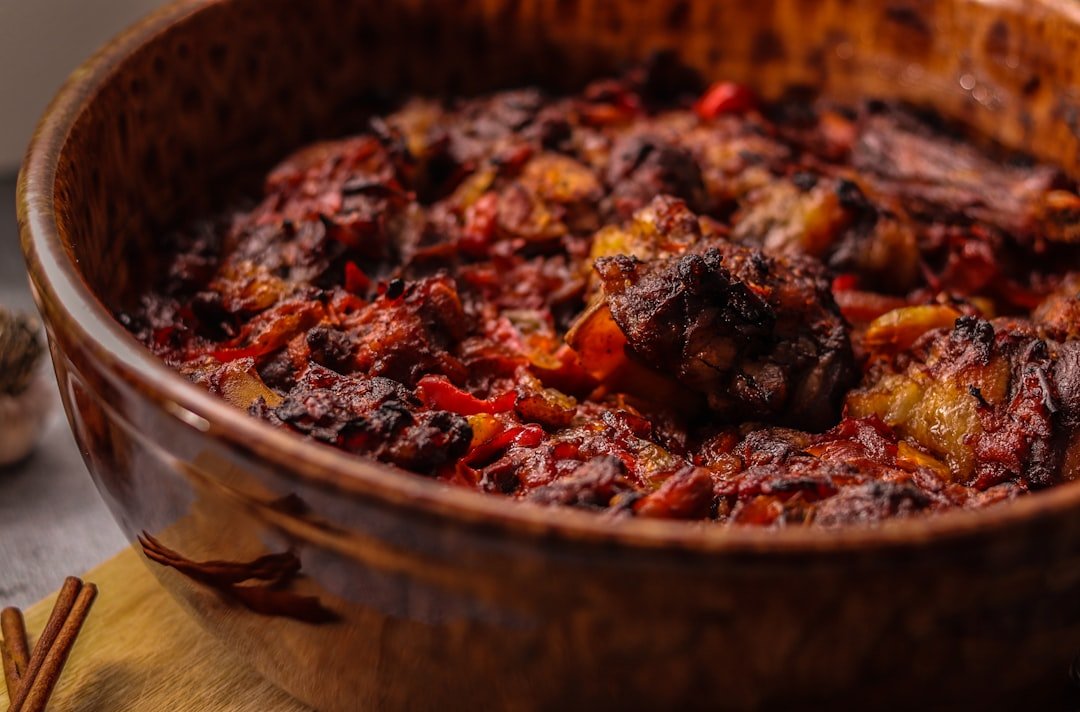
The smell of matoke simmering on a jiko (charcoal stove) takes me straight back to the first time I cooked it in my flat in London — homesick, missing Nairobi, and determined to recreate a taste of East Africa. There is something deeply comforting about green bananas slowly cooking in a fragrant broth of onions, tomatoes, and spices until they become tender and golden. Matoke — the name used across East Africa for both the green highland banana variety and the stew made from it — is one of the most beloved dishes in Kenya, Uganda, and Tanzania. Whether served at a family Sunday lunch or a neighbourhood harambee feast, a pot of matoke fills a room with warmth.
This matoke recipe will teach you how to make a beautifully spiced Kenyan-style green banana stew that pairs perfectly with rice, chapati, or ugali — or simply on its own as a satisfying meal.
What Is Matoke? Understanding the East African Green Banana
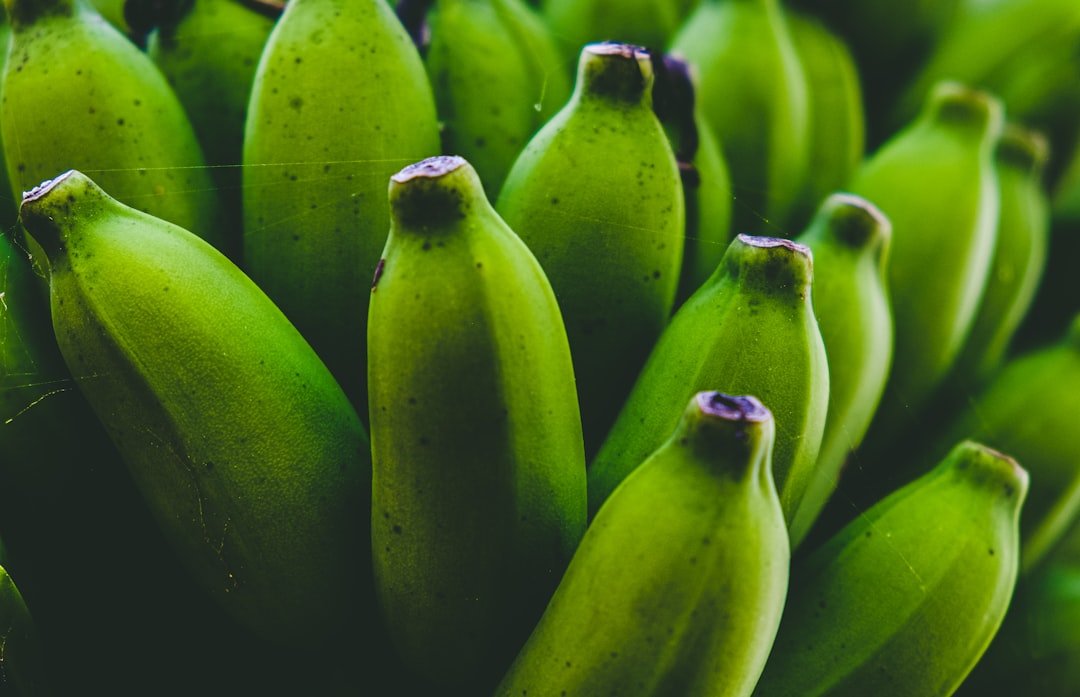
Matoke (also spelled matooke) refers to the East African highland banana — a starchy, unripe cooking banana that is firm, pale yellow-green, and distinctly not sweet. Unlike the dessert bananas sold in supermarkets, raw matoke tastes almost like a floury potato and takes on a rich, savoury character when cooked slowly in spiced broth.
In Kenya, matoke is especially popular in the western regions around the Lake Victoria basin and in urban homes across the country. Along the Kenyan coast, cooks often add coconut milk (maziwa ya nazi) for a richer, creamier stew that pairs beautifully with wali wa nazi. In central Kenya, the dish sometimes sits alongside githeri — Kenya’s heartiest bean and corn stew — making a true celebration of East African flavours on one table.
You’ll find matoke at markets across Nairobi — from Eastleigh to City Market — usually sold in bunches of 8–12 bananas. Look for firm, bright green fruit with no yellowing.
Matoke Recipe: Ingredients and Prep
Serves: 4–6 | Prep Time: 15 minutes | Cook Time: 45 minutes | Difficulty: Easy
Ingredients
- 8 green cooking bananas (matoke), peeled and halved
- 2 tablespoons vegetable oil
- 1 large onion, finely chopped
- 3 garlic cloves, minced
- 1 teaspoon fresh ginger (tangawizi), grated
- 2 large tomatoes, chopped (or 1 tin chopped tomatoes)
- 1 teaspoon ground cumin (bizari)
- ½ teaspoon turmeric (manjano)
- ½ teaspoon paprika
- Salt and black pepper to taste
- 2 cups vegetable or chicken stock
- Fresh coriander (dhania) to garnish
- 1 green chilli, sliced (optional, for heat)
Coastal variation: Add 200ml coconut milk (maziwa ya nazi) in the last 10 minutes for a creamy Swahili-coast version.
How to Peel Matoke
Matoke releases a sticky white latex sap when peeled. Rub your hands lightly with oil or wear thin gloves before you start. Cut off both ends, score the skin lengthwise with a sharp knife, and peel back from the score line. Place peeled bananas in a bowl of salted water immediately to prevent them from browning.
How to Cook Matoke: Step-by-Step Instructions
- Prepare the bananas. Peel all the green bananas and cut each in half or into thirds for even cooking. Keep submerged in salted water until needed.
- Sauté the aromatics. Heat oil in a heavy-bottomed pot over medium heat. Add the chopped onion and cook for 5–6 minutes until softened and lightly golden. Add garlic and ginger and stir for 1 minute until fragrant.
- Build the sauce. Add the chopped tomatoes, cumin, turmeric, and paprika. Cook for 8–10 minutes, stirring occasionally, until the tomatoes have broken down into a thick, deeply coloured sauce.
- Add bananas and stock. Drain the matoke and add to the pot. Pour in the stock, stir to coat all the bananas in the sauce, and season with salt and pepper.
- Simmer until tender. Bring to a boil, then reduce heat, cover, and simmer for 35–40 minutes until the bananas are completely tender when pierced with a fork. Check occasionally and add a splash of water if the stew begins to stick.
- Finish and serve. For the coastal version, stir in coconut milk during the last 10 minutes and allow it to simmer gently — do not boil hard or it will split. Taste and adjust seasoning. Garnish generously with fresh dhania and sliced green chilli.
Tips, Variations, and Serving Ideas
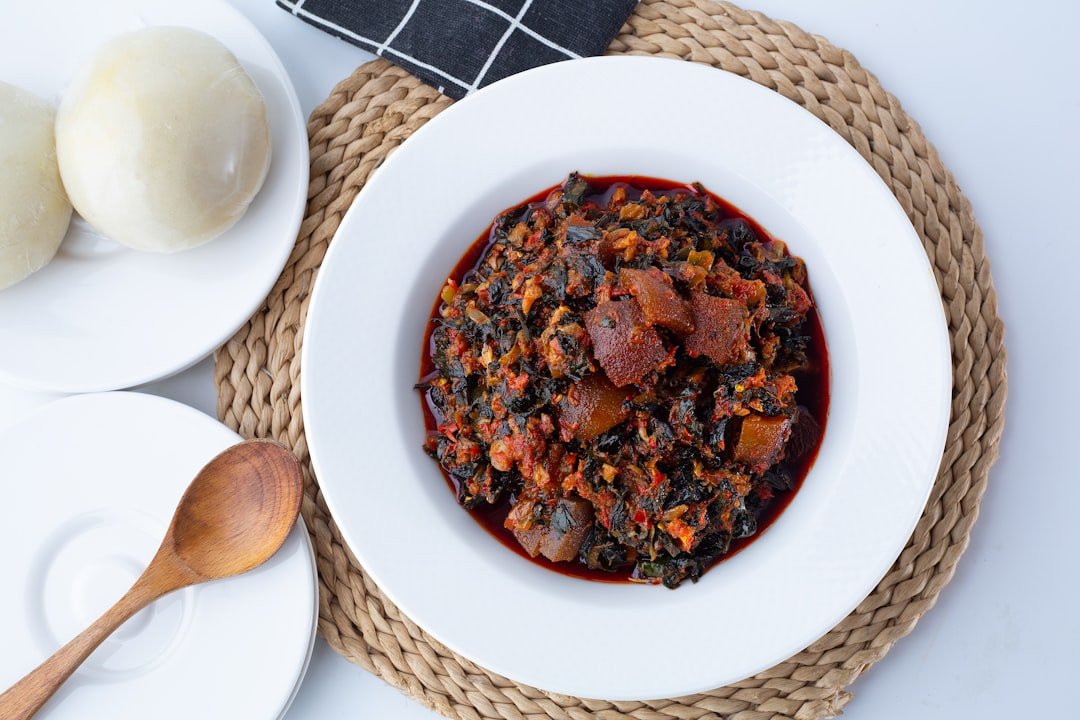
Make it a one-pot meat stew: Add 300g of diced beef or goat (browned in the pot before the onions) for a heartier meal. This is the classic Kenyan family Sunday version, full of flavour from the bones if you use bone-in cuts.
Keep it vegan: Use vegetable stock and skip the meat. The bananas provide enough body, and the tomato-spice base delivers all the flavour you need.
What to serve with matoke: In Kenya, matoke pairs beautifully with freshly made chapati, steamed rice, or a mound of ugali. At the coast, the traditional pairing is wali wa nazi (coconut rice) alongside the coconut milk variation — a combination that makes this stew sing.
Storage and reheating: Matoke reheats beautifully and often tastes even better the next day as the flavours deepen. Store in the fridge for up to 3 days. Reheat gently on the stovetop with a splash of water.
Freezing: This stew freezes well for up to 2 months. Defrost overnight in the fridge before reheating.
The Cultural Story Behind Matoke in Kenya
Matoke is woven into the identity of several communities across East Africa. In Uganda, it is essentially the national dish — steamed inside banana leaves and mashed to a smooth, olive-green paste. In Kenya, the style is different: bananas are simmered whole or halved in a spiced tomato-based broth, keeping their shape and absorbing all those wonderful flavours as they cook.
Across Kenyan communities — from the Luo homes of western Kenya near Kisumu, to Kikuyu households in central Kenya, to the Swahili kitchens of the coast — matoke carries a quiet significance. It is the dish that appears at celebrations, funerals, and the long Sunday lunches that define Kenyan hospitality. Kula matoke (eating matoke) in a Kenyan home is an unspoken invitation: sit down, slow down, and share.
According to the Food and Agriculture Organization of the United Nations, East African highland bananas are one of the most important food security crops in the region, feeding millions of people across Kenya, Uganda, and Tanzania. It is both everyday food and something worth celebrating.
If you have walked the Mombasa Old Town food trail, you may have tasted the coastal version — creamy with coconut milk and paired with fragrant pilau spiced rice. That combination of matoke and coconut is one of the Swahili coast’s most satisfying flavours, and one worth recreating at home.
Frequently Asked Questions About Matoke
Can I use ripe bananas for matoke?
No — ripe or semi-ripe bananas will turn mushy and sweet when cooked. This recipe requires firm, fully green, starchy cooking bananas. Look for fruit with no hints of yellow on the skin.
Where can I buy matoke in Kenya?
Green cooking bananas are widely available at all major markets — Marikiti, Eastleigh, Gikomba, and City Market in Nairobi, or at any roadside upcountry market. Naivas and Quickmart supermarkets sometimes stock them in their fresh produce sections as well.
Is matoke the same as plantain?
Both matoke and plantains are starchy cooking bananas, but they are different varieties. Matoke is a smaller, starchier East African highland banana. Plantains — common in West Africa and the Caribbean — are larger and behave differently when cooked. The flavours and textures are distinct.
How do I know when matoke is fully cooked?
Pierce a piece with a fork or the tip of a knife — it should slide through with no resistance, similar to a well-cooked potato. The banana colour will have shifted from pale green-white to a soft golden-yellow.
Matoke is one of those dishes that rewards patience. Let it simmer low and slow, taste it as you go, and adjust the seasoning to your palate. Whether you are cooking it for the first time abroad or returning to a childhood favourite, this green banana stew carries the warmth of an East African kitchen in every bite. Try it alongside githeri for a true Kenyan spread — karibu mezani, welcome to the table.