The first time I drank madafu, I was sweating through my shirt at a roadside stand near Nyali Bridge. The vendor, a wiry man with a panga slung at his hip, picked a green coconut from the heap, hacked the top off in three swift strikes, slid in a straw, and handed it over. The water inside was cool, faintly sweet, and tasted nothing like the cardboard-flavoured bottled stuff I had tried back in Eldoret. That moment converted me. Madafu Kenya drinkers know what I am talking about: once you have had it fresh from the husk, the supermarket version feels like a polite imitation.
What Is Madafu, Exactly?
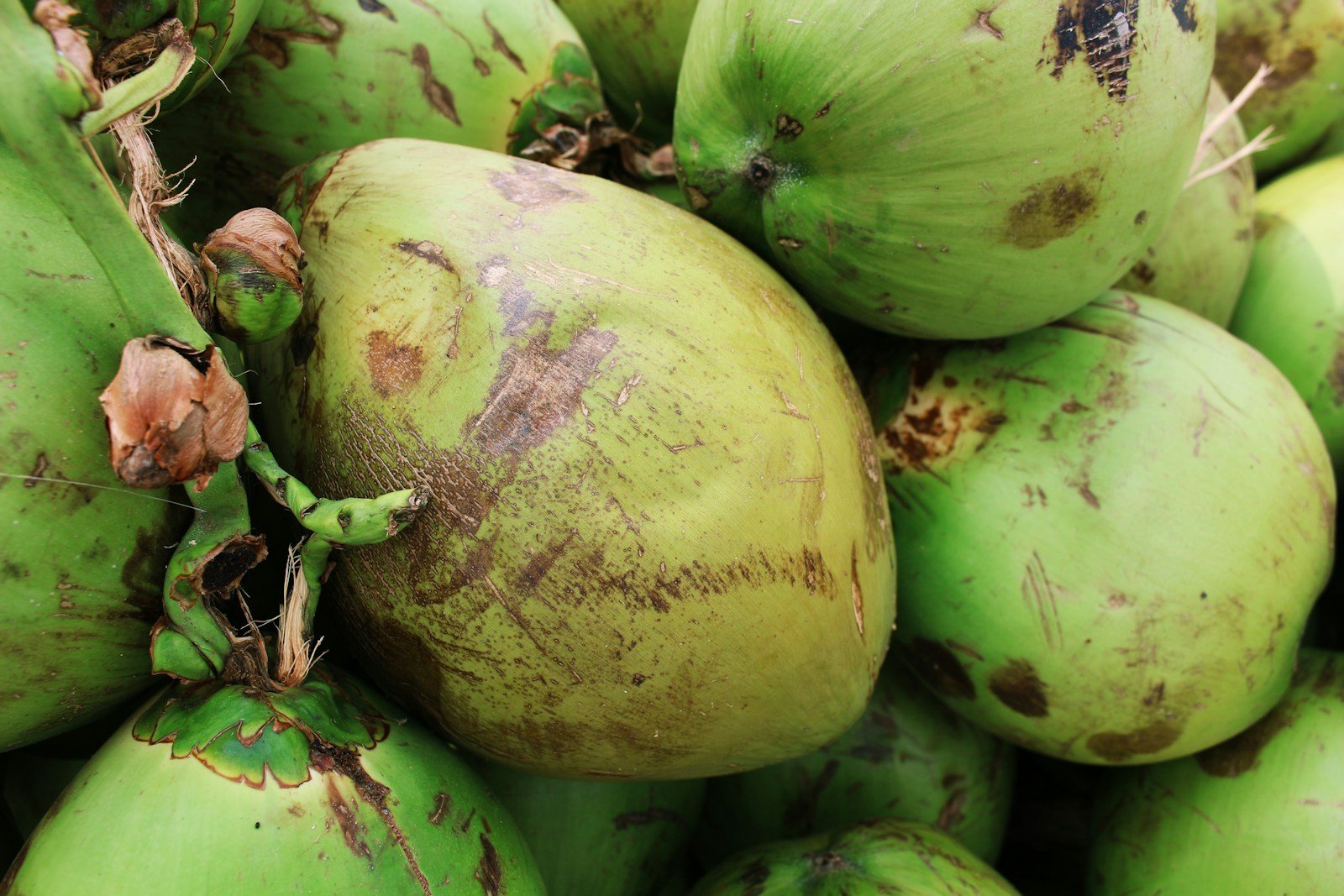
Madafu is the Kiswahili word for the water of a young, immature coconut still wrapped in its green outer husk. The same nut, left to ripen on the palm for several more months, becomes the brown, hairy nazi we crack open for grated flesh and the rich coconut milk that goes into a pot of wali wa nazi. Madafu is the in-between stage, harvested at roughly seven to nine months, when the cavity inside is full of clear, slightly sparkling water and the inner flesh is still a thin, pudding-soft jelly the locals call kifuu.
What makes Kenyan madafu distinct is the variety and the climate. Most of what reaches Mombasa, Kilifi, and Lamu markets comes from the East African Tall and a handful of dwarf hybrids planted along the Coast Province. The constant humidity and salty sea air give the water a mineral edge that bottled coconut water — pasteurised, sometimes cut with concentrate — simply cannot reproduce.
How Mombasa’s Coconut Vendors Cut and Serve It
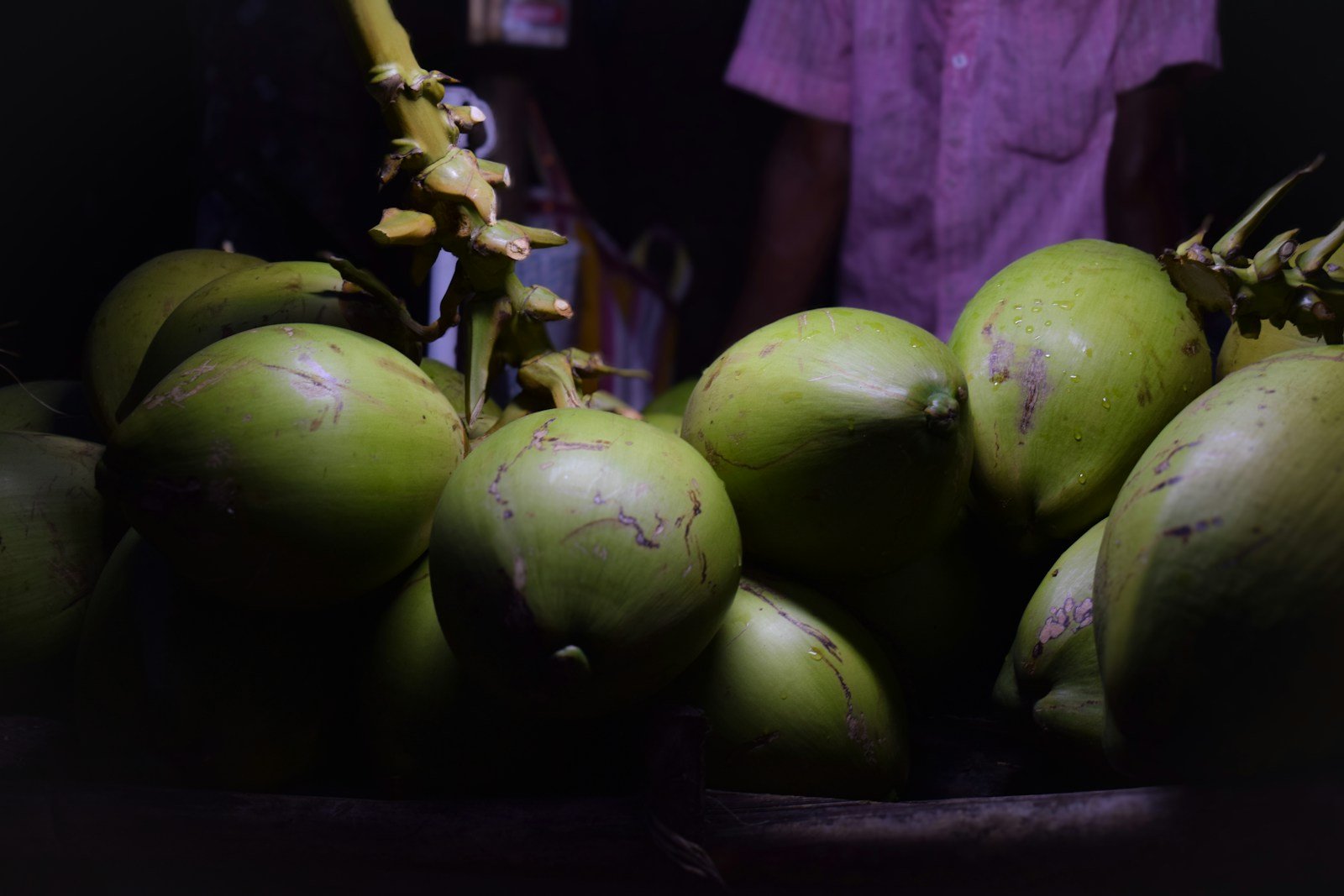
The street ritual is half the experience. A good madafu vendor works fast. He picks a nut, weighs it briefly in his palm to feel for the right water content, then notches the husk with a panga in two diagonal cuts. A third strike opens the lid like a tiny hatch. A straw — usually a folded paper one these days, occasionally a green papaya stem in the older spots — goes in, and the whole nut is yours.
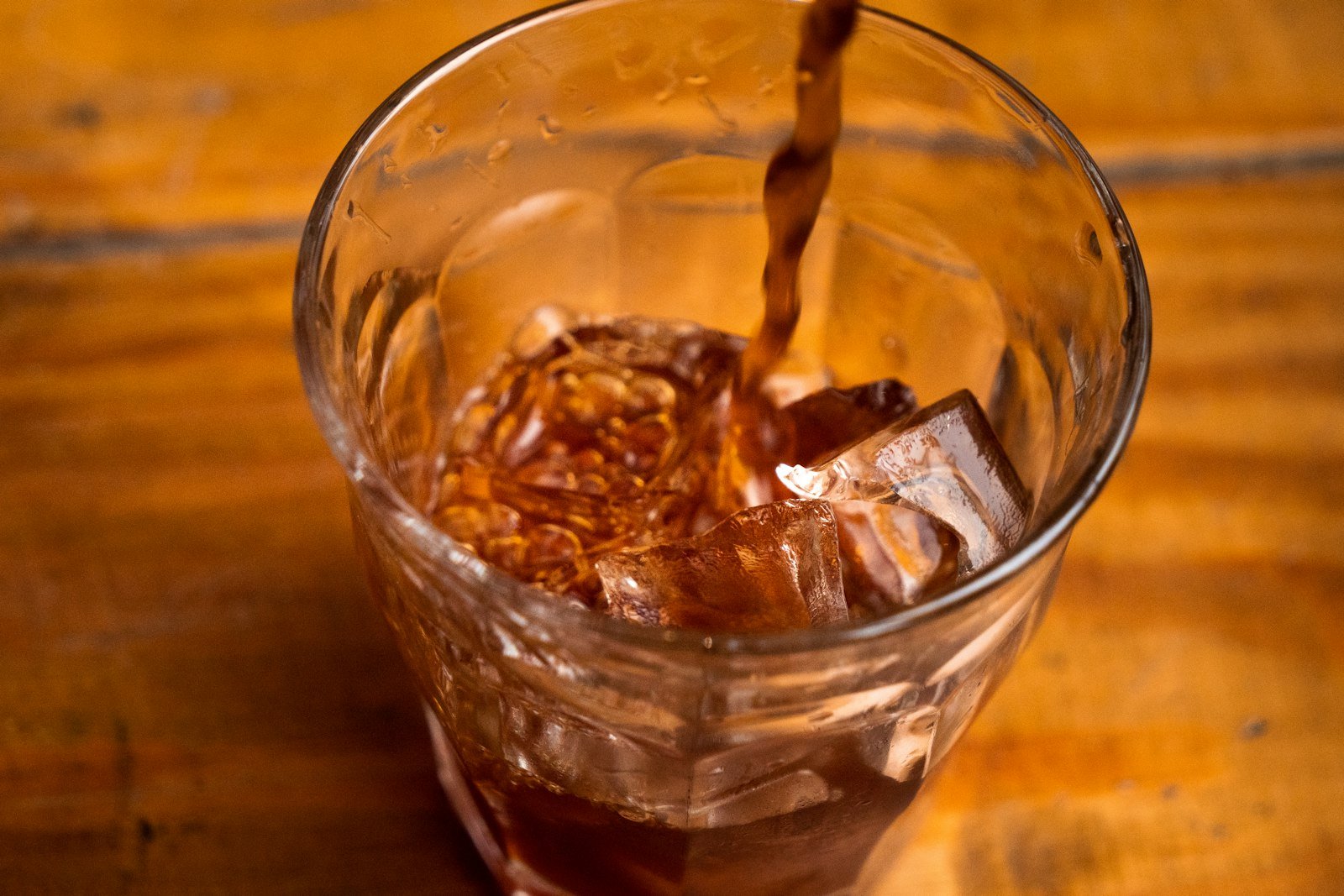
Drink the water first. It will be cold if the nut has been sitting in shade or a basin of water, room temperature if it came straight off the cart. Either way, do not rush. A single madafu holds between 300 and 600 millilitres of water, and you want to make it last in the heat.
When the water is gone, hand the nut back. The vendor will split it open with one more chop and shave a piece of the husk into a rough spoon for you to scoop out the kifuu inside. That jelly is the bonus round. Slightly nutty, slightly sweet, the texture somewhere between custard and aloe. In Mombasa Old Town, scooping kifuu from a finished madafu is as much a part of an afternoon walk as buying mahamri from the morning bakers we wrote about in our Mombasa Old Town food trail.
The Health and Refreshment Truth Behind the Hype
Coconut water has been marketed as everything from a hangover cure to a workout drink, and most of those claims oversell what is, at its core, a fairly simple beverage. Here is what is actually true. Madafu is naturally rich in potassium, contains modest sodium and magnesium, and is low in sugar — typically four to six grams per hundred millilitres, less than half what a soda delivers. That mineral mix makes it a genuinely useful rehydration drink in hot, humid weather, which is exactly the climate it grows in.
Coastal communities have known this for generations. In rural Kilifi and Kwale, madafu has long been given to children with mild diarrhoea or to anyone working long hours under the sun. The World Health Organization still recommends oral rehydration solutions over plain water for fluid loss, and while madafu is not a clinical ORS, its electrolyte profile makes it a sensible everyday substitute for sugary sports drinks.
One thing to set straight: madafu is not a fat-burner, a detox miracle, or a cure for high blood pressure. It is a clean, hydrating, mildly sweet drink. That is more than enough.
Where to Find Real Madafu in Kenya (And What to Pay)
If you are anywhere along the coast, you are within walking distance of madafu. Mombasa has vendors at every major junction — Nyali, Bamburi, Likoni ferry, the city centre near Digo Road. Expect to pay between Ksh 50 and Ksh 100 per nut, depending on size and how touristy the spot is. Diani and Watamu push prices toward Ksh 150 in beach-resort areas, but a five-minute walk inland brings you back to local rates.
Lamu is the gold standard. The narrow lanes around the seafront are dotted with vendors selling madafu chilled in clay pots, and the nuts there often have the sweetest water of any I have tried in Kenya. Our Lamu food guide covers a few specific corners worth seeking out.
Inland, fresh madafu is harder to come by. Nairobi’s Maasai Market and a few stalls along Kenyatta Avenue stock them, but the nuts have travelled and the water loses its bright, mineral snap within a few days of harvest. Visit the Kenyan coast for the real thing — the experience is worth the trip.
One more tip: ask the vendor to shake the nut before he cuts it. A heavy, full sound means lots of water. A hollow rattle means the nut has aged past its prime and the water will taste flat.
Frequently Asked Questions
Is madafu the same as the coconut water sold in cartons?
No. Bottled coconut water is pasteurised, often blended from concentrate, and sometimes sweetened. Fresh madafu has no additives, a brighter flavour, and a slightly different mineral profile because it has not been heat-treated.
How long does madafu stay fresh after the coconut is cut?
Drink it within an hour of opening. Once exposed to air, the water starts to ferment and turns sour quickly, especially in coastal heat. Vendors cut nuts on demand for this exact reason.
Can you drink madafu every day?
Yes, in normal amounts. One to two coconuts a day is fine for most adults. People on potassium-restricted diets or with kidney conditions should check with a doctor, since madafu is high in potassium.
Does madafu help with hangovers?
It helps with the dehydration part of a hangover, which is why it feels effective. It does not undo the alcohol itself. Pair it with rest and food.
The Last Sip
Madafu is a small lesson in what a place can offer when you let it. The Kenyan coast does not need to dress up its coconut water in branding to make it taste good. Cut, sip, scoop, hand back. If you are travelling to the coast soon, go thirsty — and read our roundup of the best local Kenyan drinks before you go.