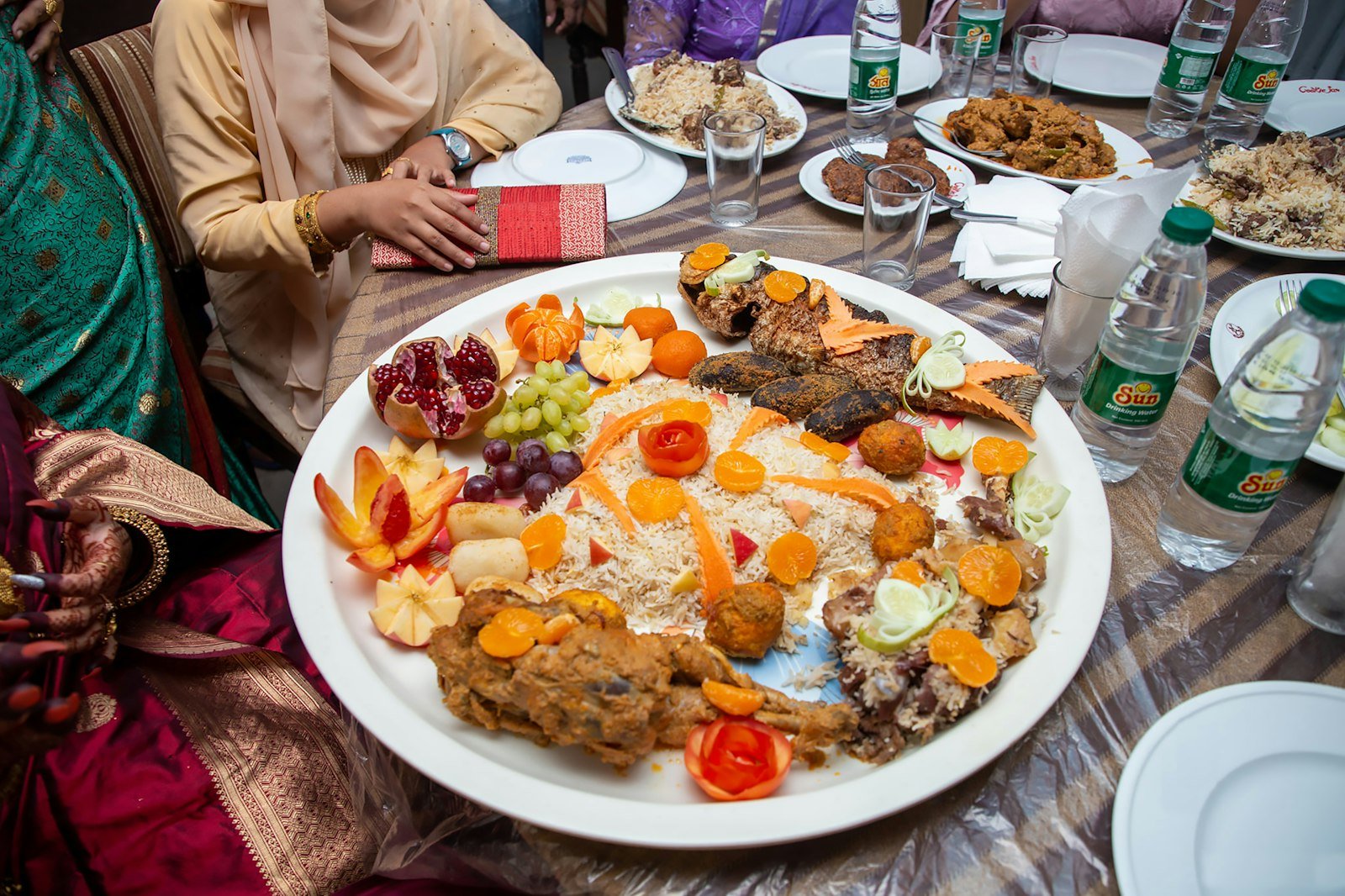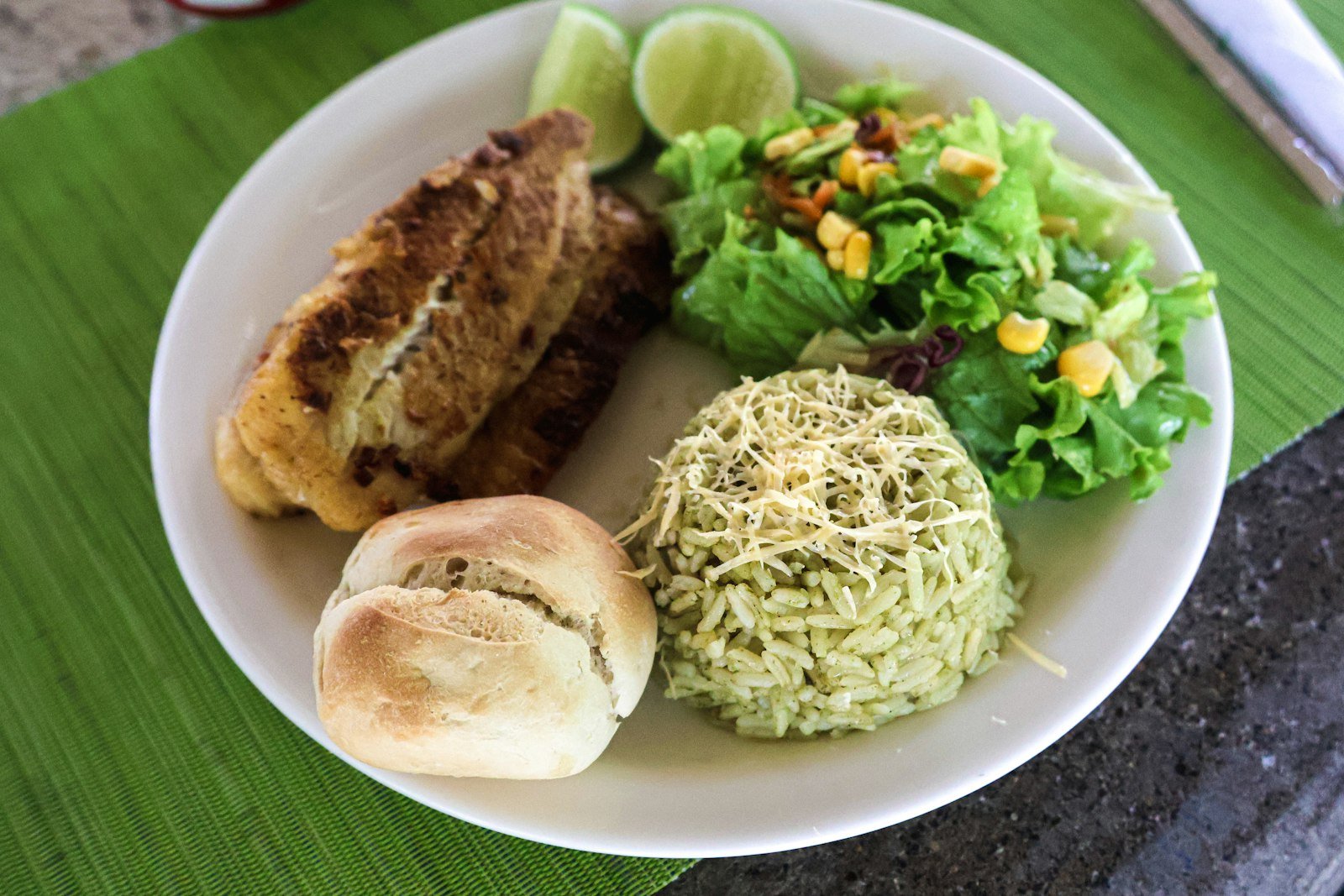
By the time the muezzin’s first call drifts over the rooftops of Lamu Old Town, the alleyways already smell of cardamom, frying dough, and brewed coffee. Lamu food is unlike anything else in Kenya. This UNESCO-listed Swahili spice island has spent more than seven centuries trading with Oman, Yemen, India, and Persia, and every one of those merchant ships left a recipe behind. From biryani simmered overnight in clay pots to coconut crab pulled from mangrove roots that morning, eating in Lamu is the closest you can get to time-travelling through the Indian Ocean.
Living between Dubai and Nairobi, I keep coming back to Lamu for one reason: it tastes like both worlds at once.
Mahamri at Sunrise: How a Lamu Morning Begins
The first stop on any honest Lamu food trail is a low wooden bench beside a charcoal jiko, somewhere off the main waterfront. The treat is mahamri — pillowy, cardamom-scented coconut doughnuts that puff up in hot oil and arrive on a banana-leaf square, four for fifty shillings. Lamu locals tear them open and dip the soft insides into kahawa chungu, the bitter spiced coffee poured from tall brass jebenas on every street corner.
What makes Lamu mahamri different from the mainland version is the dough. Bakers here ferment it overnight with fresh tui (coconut milk) pressed that evening, plus a generous pinch of iliki (cardamom) and a tiny scrape of nutmeg. The result is lighter than anything you’ll find in Mombasa or Nairobi. Pair them with mbaazi za nazi, a creamy coconut pigeon-pea stew, and you have the breakfast Lamu has eaten since the 1400s.
The Biryani That Built Lamu
If Lamu has a national dish, it is biryani — and the city has very strong opinions about it. Unlike the tomato-heavy pilau served upcountry, Lamu biryani is layered: spiced beef or goat at the bottom, a separate pot of saffron-tinted basmati on top, fried onions and raisins between, and a final scatter of cilantro right before serving. It is finished with kachumbari ya nyanya and a wedge of lime.
The version Lamu families serve at weddings is heavier on cardamom and cinnamon than its Mombasa cousin, and you’ll often find a thin yoghurt sauce on the side instead of the more familiar coconut chutney. The flavour comes from a spice mix called bizari ya pilau, ground fresh every Friday morning at the spice stalls behind Riyadha Mosque.
For a taste of how the same spice family travels inland, our guide to pilau masala traces the blend through every region of Kenya. And if you want to cook Lamu’s signature side at home, start with our wali wa nazi coconut rice recipe.
Seafood Pulled from the Indian Ocean That Morning
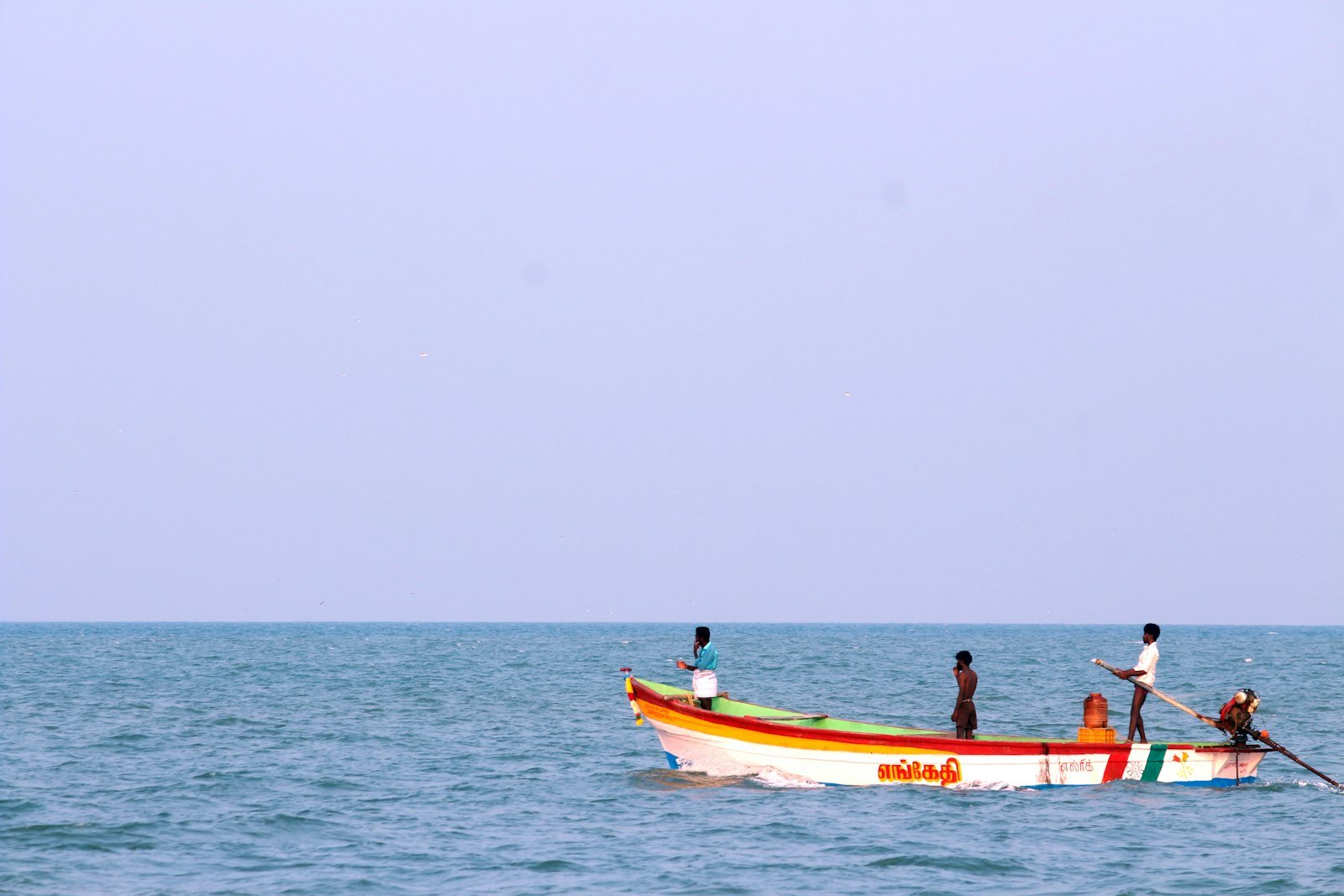
Lamu’s fishing boats — narrow lateen-sailed dhows, unchanged in design for 800 years — return to the seafront before 8am, and what they unload becomes lunch. Red snapper, kingfish, prawns the size of a thumb, octopus, and the famous Lamu coconut crab all end up at small open-front kitchens within walking distance of Mkomani jetty.
The dish to ask for is samaki wa kupaka: whole grilled fish, scored deeply, basted with a turmeric-coconut milk paste that caramelises over the charcoal. It arrives with mchuzi wa nazi (a thin coconut sauce) and a mound of wali wa nazi. For something lighter, order viazi karai — gram-flour-battered potato wedges — and dip them in tamarind chutney while you watch the dhows shift on the tide.
Crab lovers should hold out for kaa wa nazi, a slow-cooked coconut crab curry that takes two hours and is easily the most expensive plate on the island. Worth every shilling.
Sweet Endings: Halwa, Kashata, and Coconut
Lamu inherited its sweets from Oman, and you’ll know it the moment you bite into a square of halwa. The Lamu version is amber-coloured, sticky, perfumed with rosewater and cardamom, and studded with toasted cashew or almond. It is sold by weight from glass-fronted dukas along Harambee Avenue, often wrapped in waxed paper for guests to take home.
Other sweets to chase: kashata ya nazi (chewy coconut brittle), mkate wa sinia (a semolina-coconut tray cake eaten at iftar), and vibibi — coconut-rice pancakes cooked in clay pans over open coals. During Ramadan, the after-iftar dessert spread becomes its own event; our Kenyan Ramadan food guide covers the full coastal table.
Where to Eat in Lamu Town
For the most authentic Swahili meals, head to Whispers Coffee Shop on Harambee Avenue (mahamri and kahawa chungu, opens at 6am), Stopover Restaurant on the seafront (samaki wa kupaka and biryani Fridays), Olympic Restaurant for the best biryani plate under 600 shillings, and Petley’s Inn for sundowners with grilled prawns. Shela village, a 20-minute dhow ride south, has more upmarket spots like Peponi Hotel and Diamond Beach Village for fine-dining Swahili tasting menus.
Most of the small kitchens are halal and most close before maghrib prayers, so plan lunch around 12:30pm and dinner before 6:30pm. Carry small notes — change is hard to find in the alleys. For the bigger Kenyan coastal picture, our Mombasa Old Town food trail covers the mainland’s Swahili capital.
Frequently Asked Questions
What is the most famous food in Lamu?
Lamu biryani is the island’s most famous dish, layered with spiced beef or goat, saffron basmati rice, and fried onions. Mahamri (coconut cardamom doughnuts) and samaki wa kupaka (coconut-grilled fish) are close runners-up.
Is Lamu food spicy?
Lamu Swahili food is fragrant rather than fiery. It uses cardamom, cloves, cinnamon, and turmeric heavily, with chilli served on the side as pilipili sauce so you can adjust the heat yourself.
How much does a meal cost in Lamu?
Street snacks like mahamri or viazi karai cost 30 to 100 shillings. A full biryani plate at a local kitchen runs 400 to 700 shillings. Coconut crab at a higher-end restaurant can reach 2,500 shillings or more.
Is Lamu food halal?
Yes. Lamu is a predominantly Muslim island and almost every restaurant, kitchen, and street stall serves halal food. Pork is virtually absent. Alcohol is available only at a few hotels catering to visitors.
The Last Bite
To eat in Lamu is to taste the entire Indian Ocean monsoon route on one plate. Centuries of dhow trade, fasting traditions, wedding feasts, and patient charcoal-cooked sauces have built a cuisine that you simply cannot replicate anywhere else in Kenya. Come hungry, walk slowly, and let the spice market lead the way.