When I first moved between Dubai and Nairobi, the food felt surprisingly familiar. The cardamom in the chai, the spiced filling inside golden samosas, the flaky folds of chapati sizzling on a pan — I recognised it all. The Indian influence on Kenyan food runs so deep and has been so fully absorbed into daily life that most Kenyans today don’t see it as foreign at all. It simply is Kenyan. And that is exactly how cultural food exchange is supposed to work.
The Railway That Brought Spices to East Africa
In the late 1890s, the British Empire recruited over 32,000 labourers from the Indian subcontinent to construct the Uganda Railway, the iron track stretching from Mombasa inland to Lake Victoria. Most came from Gujarat and Punjab, carrying with them whole spices, lentils, chillies, flatbread traditions, and a cooking philosophy built around layered, aromatic flavour.
Many of these labourers never went back. They settled along the rail line — in Mombasa, Nairobi, Nakuru, and Kisumu — and opened spice shops, tea stalls, and restaurants. Their food blended with Swahili, Kikuyu, Luo, and other Kenyan culinary traditions, producing dishes that were neither purely Indian nor traditionally African. They became something entirely new: Kenyan.
8 Kenyan Dishes You Didn’t Know Were Indian in Origin
The Indian influence on Kenyan food is most visible in the dishes that now feel most quintessentially Kenyan. Here are eight you might be surprised about.
1. Pilau
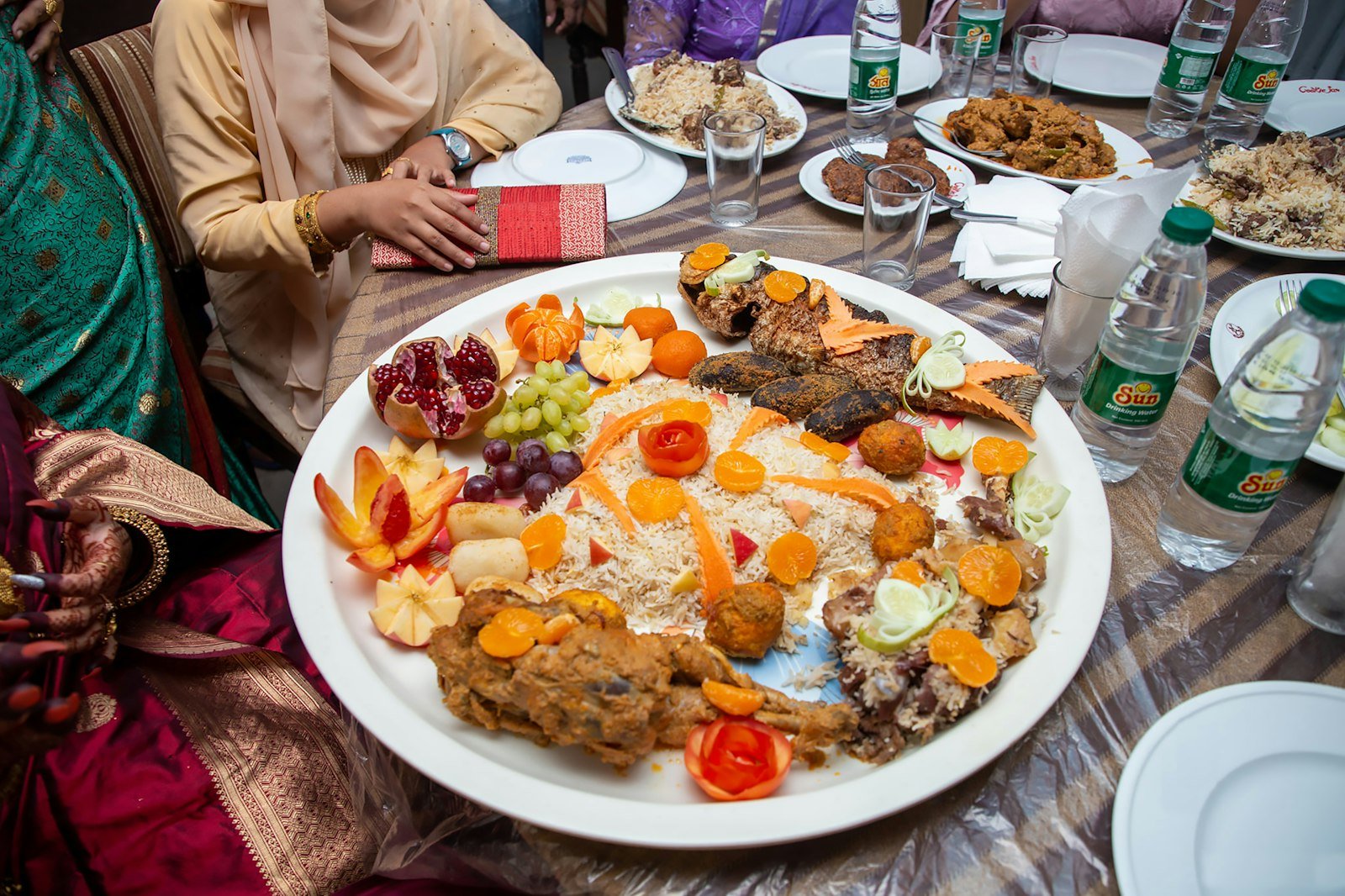
Kenya’s celebration rice dish — fragrant, dark with whole spices, deeply savoury — traces its lineage directly to Indian biryani and Persian pilaf, filtered through centuries of Indian Ocean trade. The five-spice blend of cardamom, cumin, cinnamon, cloves, and black pepper used in authentic Kenyan pilau is the same pantry logic that drives a Hyderabadi kitchen. No Kenyan wedding is complete without a pot of pilau on the fire.
2. Samosa
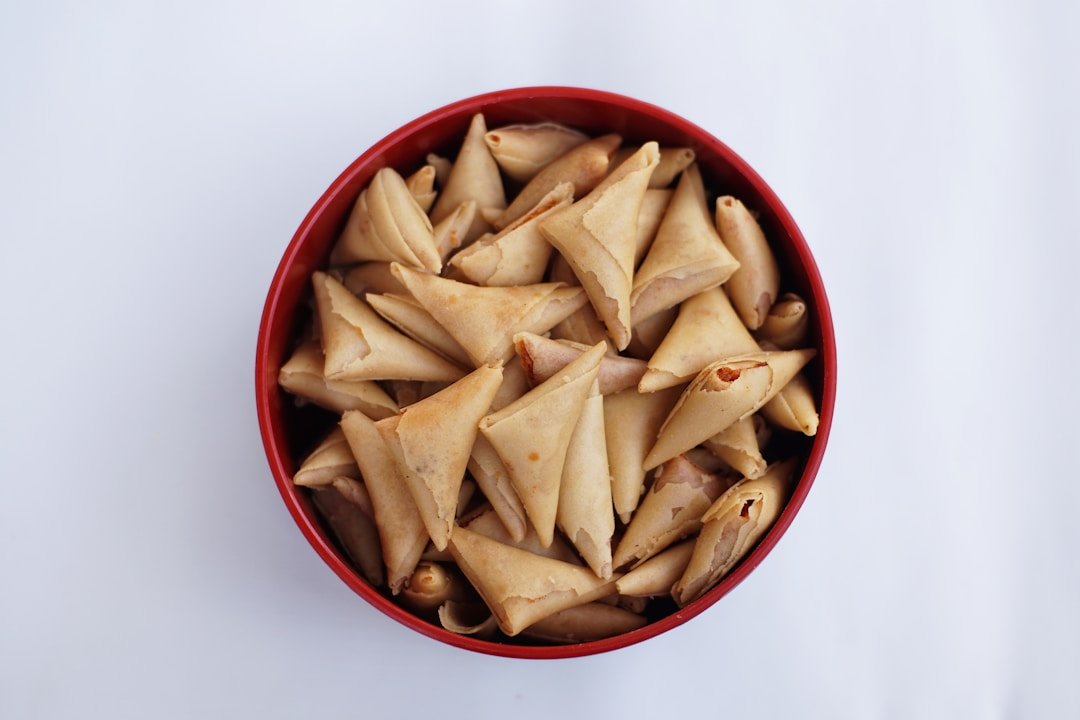
The triangular, deep-fried parcels sold at every Kenyan bus stage, petrol station, and school canteen began life as the Indian samosa. The Kenyan version is smaller, crispier, and usually filled with spiced minced beef — a local adaptation of the original. If you want to make your own, our Kenyan samosa recipe walks you through every fold.
3. Bhajia
Potato fritters coated in spiced chickpea batter and fried until golden — bhajia is sold at the Nairobi City Market and street stalls across the country. The gram flour batter and the use of cumin, turmeric, and green chilli come directly from Indian pakora tradition. Our Kenyan bhajia recipe shows how to make the perfect batch at home.
4. Chapati
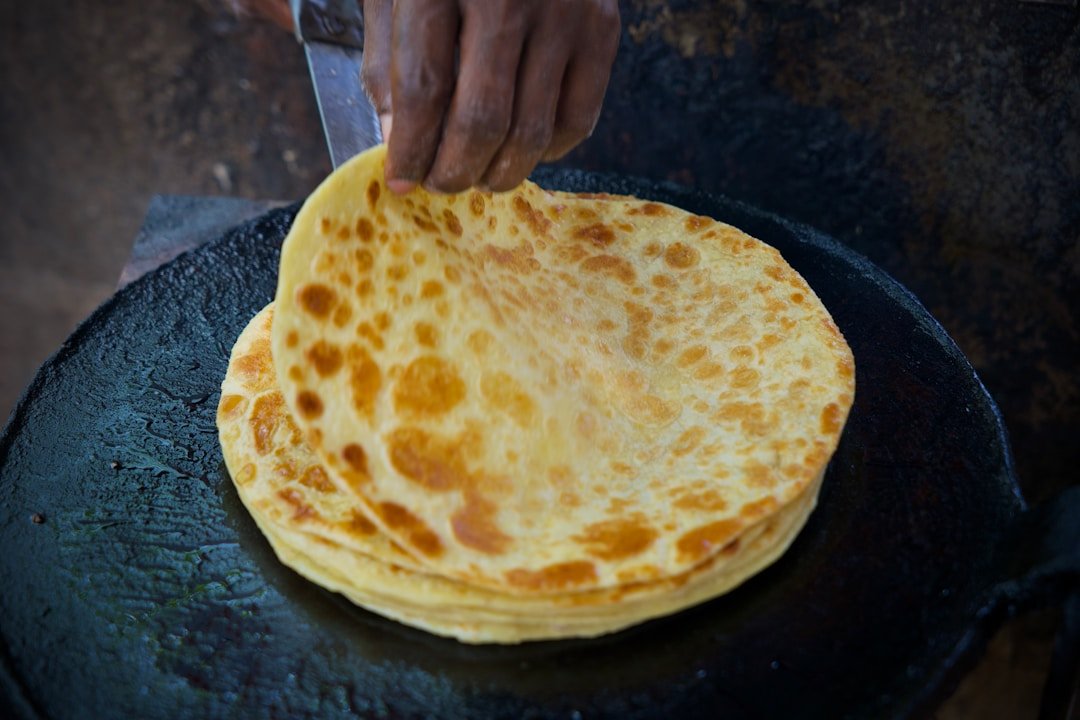
Kenya’s favourite flatbread is descended almost directly from the Indian chapati, introduced by South Asian railway workers. The Kenyan version adds more fat — usually vegetable shortening — which creates a richer, more layered texture. It is eaten with everything: beef stew, beans, lentils, or simply with sugar on a Sunday morning. Our Kenyan chapati recipe captures the real home-kitchen version.
5. Mandazi
The soft, slightly sweet fried dough of mandazi has roots in Arab-Indian coastal bread traditions absorbed through centuries of trade on the Swahili coast. The coconut milk version — maandazi ya nazi — is a perfect expression of that three-way fusion: Arab, Indian, and Kenyan coastal.
6. Chai
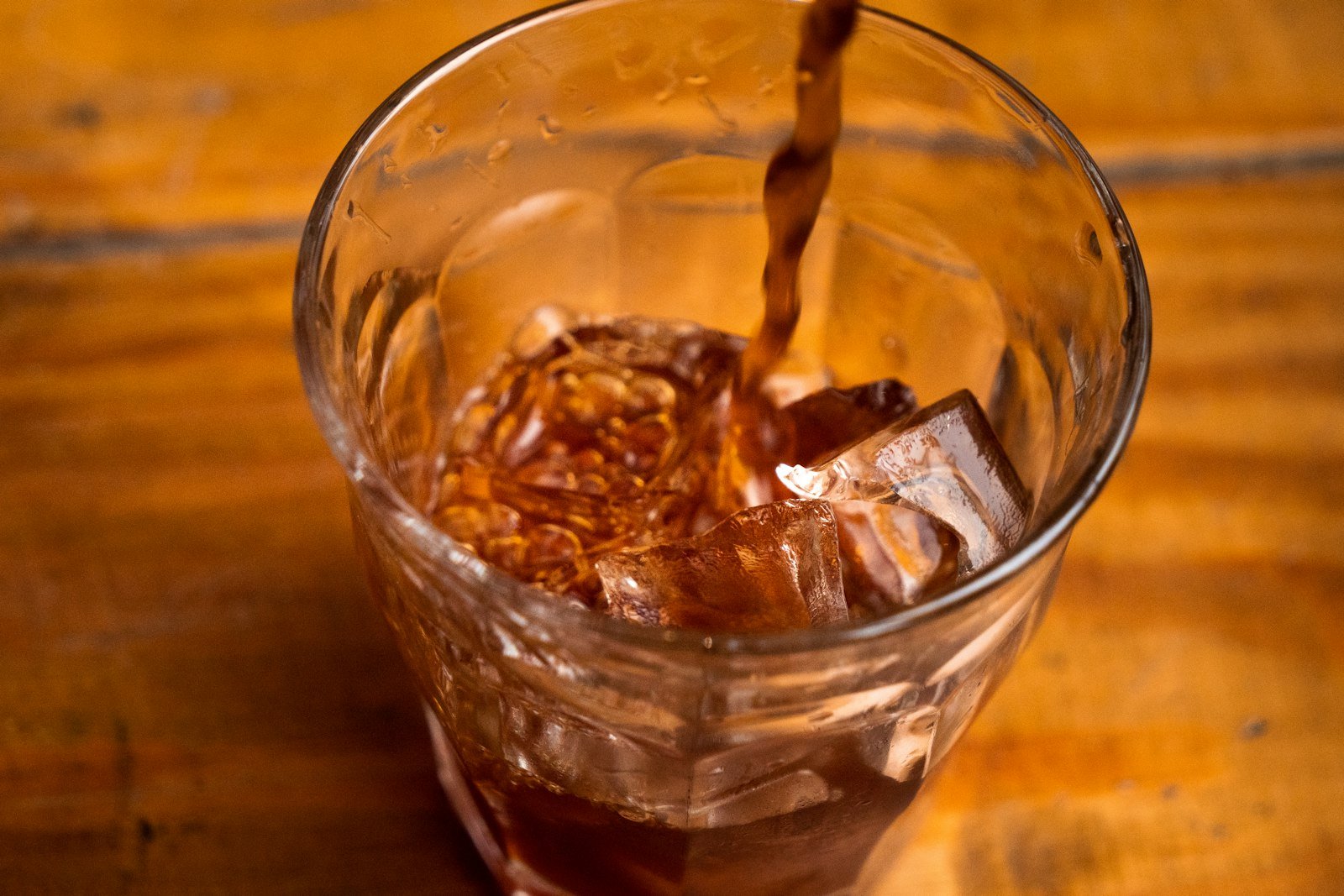
Kenyan tea is not a teabag dunked in hot water. It is black tea simmered with whole milk, ginger, and often cardamom — almost identical to Indian masala chai. The word is even the same: chai. Different accent, same warmth.
7. Biryani
Particularly along the Kenyan coast, rice biryani cooked with saffron, whole spices, and slow-cooked meat remains a fixture at family celebrations. This is Indian biryani adapted to the Swahili coast — richer in coconut influence, often cooked on a jiko over charcoal for hours.
8. Kachumbari
The fresh tomato and onion relish that appears alongside nearly every Kenyan meal shares its character with Indian cachumber salad — finely chopped, dressed with lime, sharpened with chilli. It crossed the Indian Ocean and became indispensable to the Kenyan table.
Where the Fusion Runs Deepest: The Kenyan Coast
The richest expressions of Indian-Kenyan food heritage are found along the coast. Mombasa’s Old Town holds centuries of layered food history — the Swahili kitchen absorbed Indian spices, Arab rice techniques, and local coastal ingredients to create a cuisine singular in East Africa. Our Mombasa Old Town food trail is the best place to begin exploring it in person.
In Nairobi, the Asian Kenyan community — Kenyans of Gujarati, Punjabi, Goan, and Tamil descent whose families have lived here for three or four generations — continue to evolve this food culture. Neighbourhoods like Parklands and Westlands still carry restaurants serving daal, paneer, and thali to Kenyan customers who grew up eating these dishes as their own. Magical Kenya rightly highlights the country’s culinary diversity as one of its most distinctive draws for visitors.
A Living Culture, Not a Museum Exhibit
What makes this story remarkable is that the Indian influence on Kenyan food is not preserved in amber — it is alive, evolving, and deeply personalised. A Kikuyu grandmother who has never been to India makes chapati the way her mother taught her. A Luo family in Kisumu fries samosas for a celebration. A Swahili cook in Lamu builds pilau from muscle memory.
The Indian origin is acknowledged, but it is not the point. The point is that the food is now theirs — and ours. That is how the best culinary exchange works: not as an import, but as a transformation.
Frequently Asked Questions
Which Kenyan dishes have Indian origins?
Pilau, samosa, bhajia, chapati, mandazi, biryani, and chai all trace their origins to Indian and South Asian culinary traditions, introduced through Uganda Railway labourers and merchant settlers from the 1890s onwards.
Why does Kenyan food use so many Indian spices?
South Asian labourers brought their spice traditions when building the Uganda Railway in the 1890s, and Indian merchants had established spice trading routes along the East African coast long before that. Cardamom, cumin, coriander, and turmeric became fully embedded in Kenyan cooking over generations.
Is Kenyan chapati the same as Indian chapati?
They share the same origin but differ in preparation. Kenyan chapati is richer and more layered, made with added fat such as vegetable shortening, giving it a flakier texture than the plainer Indian roti or phulka.
Where can I find Indian-Kenyan food in Nairobi?
Parklands and Westlands neighbourhoods have a high concentration of Indian-Kenyan restaurants. The Nairobi City Market is also excellent for bhajia, samosa, and chai influenced by this culinary heritage.