The moment you lift the lid on a pot of uji, the kitchen fills with that unmistakable warmth — earthy, gently sour, quietly reassuring. Spending years between Dubai and Nairobi, I know exactly what it feels like to miss this. No cafe abroad has ever quite captured it. The uji recipe is one of Kenya’s most important culinary treasures: simple, nourishing, and deeply personal to every household that has ever started a morning with a warm mug of it.
What Is Uji? Understanding Kenya’s Traditional Porridge
Uji (pronounced oo-jee) is a smooth, warm porridge made from fermented cereals. The most traditional varieties use sorghum (mtama), millet (wimbi), or maize flour. It sits somewhere between a drink and a food — typically served in a mug or shallow bowl, thin enough to sip and warming enough to carry you through a long morning.
Across Kenya, uji crosses every community boundary. Luo families along Lake Victoria make a robustly flavoured uji wa mtama enriched with fresh milk. Kikuyu households in the Central Highlands favour uji wa wimbi — darker, nuttier, and notably high in iron. In hospitals across the country, uji is served to new mothers and post-operative patients because it is one of the most digestible and restorative foods available.
What sets traditional uji apart from plain porridge is fermentation. Leaving the flour to soak overnight develops a gentle sourness that is characteristic of authentic Kenyan uji, while also making the grain’s nutrients more bioavailable — including iron, zinc, and B vitamins. According to the World Health Organization, fermented grain-based foods are especially valuable for child nutrition in East Africa.
If you love exploring Kenya’s traditional drink culture, you may also enjoy our round-up of traditional Kenyan drinks from various communities.
Uji Recipe: Ingredients You Will Need
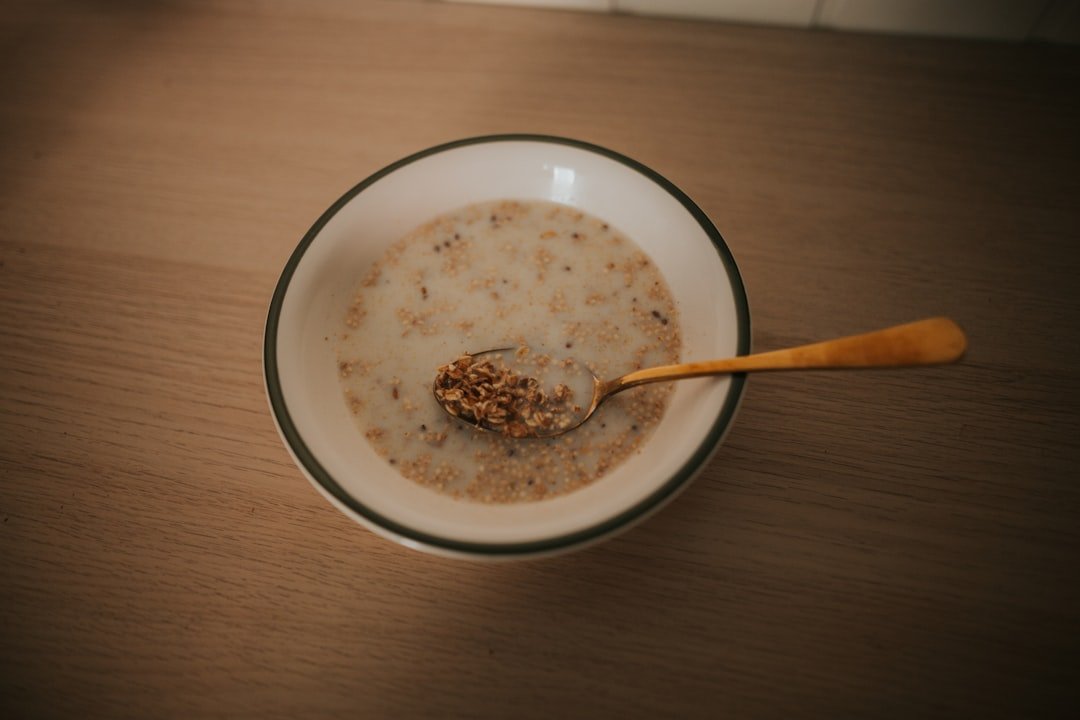
Serves: 2 | Prep time: 5 minutes (plus overnight for fermented version) | Cook time: 10–15 minutes | Difficulty: Easy
- 4 tablespoons uji flour (sorghum/mtama, millet/wimbi, or a pre-mixed uji blend)
- 500ml water (split: 100ml cold + 400ml boiling)
- 1–2 teaspoons sugar, or to taste
- Pinch of salt (optional)
- 1–2 tablespoons milk or mursik (optional, for richness)
For the fermented method, you also need 150ml warm water to soak the flour the night before.
Pre-mixed uji flour blends are widely available in Kenyan supermarkets and local dukas. Look for millet-sorghum blends from health food brands or Unga Group products for convenience.
How to Make Uji: Step-by-Step
Method 1: Quick Uji (No Fermentation) — 15 Minutes
- In a pot, mix the uji flour with 100ml cold water. Stir thoroughly to dissolve all lumps before adding heat.
- Add 400ml boiling water gradually, stirring constantly as you pour.
- Place the pot over medium heat and cook for 8–10 minutes, stirring throughout. Uji thickens quickly, so don’t walk away.
- Add sugar and a pinch of salt to taste. Stir in milk if using.
- Pour into mugs or bowls and serve immediately while hot.
Method 2: Traditional Fermented Uji wa Mtama — Overnight Method
This is the authentic Kenyan method. The overnight fermentation gives uji its signature gentle sourness and makes the porridge significantly more nutritious.
The night before:
- Mix 4 tablespoons of uji flour with 150ml warm water in a bowl or clay pot.
- Cover loosely with a clean cloth. Leave at room temperature for 8–12 hours.
- By morning, the batter should smell pleasantly sour — not sharp or unpleasant.
In the morning:
- Bring 350ml of fresh water to a rolling boil in a pot.
- Stir the fermented batter well, then pour it slowly into the boiling water while stirring continuously.
- Cook over medium heat for 6–8 minutes, stirring constantly, until smooth and cooked through.
- Sweeten to taste. Add a splash of hot water or milk to adjust to your preferred consistency.
- Serve immediately.
Tip: Always use a long-handled wooden spoon — uji bubbles vigorously and can splatter. If you have a traditional earthen pot (chungu), it retains heat beautifully and adds a subtle earthy depth to the flavour.
Uji Variations Across Kenya
Kenya’s regional diversity shows up beautifully in how different communities make their uji:
- Uji wa Wimbi (millet porridge): The Central Highlands staple, popular in Kikuyu and Meru households. Deep brown, slightly nutty, with excellent iron content. Many families add a spoon of ghee for richness.
- Uji wa Mtama (sorghum porridge): Preferred in Nyanza and Western Kenya. Earthy and bold in flavour. The Luo traditionally enrich it with fresh milk or fermented mursik for a tangy finish.
- Uji wa Mahindi (maize porridge): The most widely available version. Paler in colour and milder in flavour — the uji served in schools, hospitals, and most urban canteens across Kenya.
- Spiced Uji: Some families add a pinch of ginger (tangawizi) or cinnamon, especially for children with colds or upset stomachs. We have a full guide to Kenyan ginger tea (tangawizi) if you love warming, spiced drinks.
According to the Food and Agriculture Organization (FAO), sorghum and millet remain among Africa’s most nutritionally resilient traditional grains — drought-resistant, high in protein, and superior to refined maize in micronutrient content.
How to Serve Uji
Traditionally, uji is served in a clay mug (kikombe cha udongo) or an enamel cup. In school canteens and hospital kitchens it arrives in deep enamel bowls. The drink is always served hot — never lukewarm.
Classic pairings with your uji recipe:
- Mandazi (Kenyan fried dough) — the ultimate morning pairing. Dip and sip.
- Boiled viazi vitamu (sweet potatoes) on the side
- A soft-boiled egg for protein alongside your porridge
For a full traditional Kenyan breakfast spread, explore our guide to traditional Kenyan breakfast foods.
Frequently Asked Questions About Uji
What flour is best for making uji?
Sorghum (mtama) or millet (wimbi) flour give the most authentic, nutrient-rich uji. Pre-mixed uji flour blends are widely available at Kenyan supermarkets and local dukas under various brands. For convenience, Unga Group’s products or health food store blends work well.
Is uji healthy for babies and toddlers?
Fermented uji wa wimbi or mtama is one of the recommended weaning foods for Kenyan infants. The fermentation improves digestibility and increases the bioavailability of iron and zinc. Always consult your paediatrician for appropriate preparation for very young children.
Can I make uji with plain maize flour?
Use fine maize meal or dedicated uji flour — not coarse posho flour, which won’t achieve the smooth texture. Maize-based uji (uji wa mahindi) is lighter in colour and milder in flavour, but perfectly authentic and widely consumed across Kenya.
How long does fermented uji batter keep?
In a sealed container in the refrigerator, fermented uji batter keeps for up to 3 days. At room temperature in Kenya’s warm climate, use it within 24 hours of fermentation for the best flavour and food safety.
Uji is more than a morning recipe — it is a comfort poured into a mug, passed down through every grandmother’s kitchen and served in every hospital ward across Kenya. Whether you are making it for a new mother, warming yourself through a long rainy-season morning, or simply craving a taste of home from somewhere abroad, this uji recipe connects you to something genuinely Kenyan. For more traditional drinks from across our communities, don’t miss our exploration of Kenya’s heritage drinks.