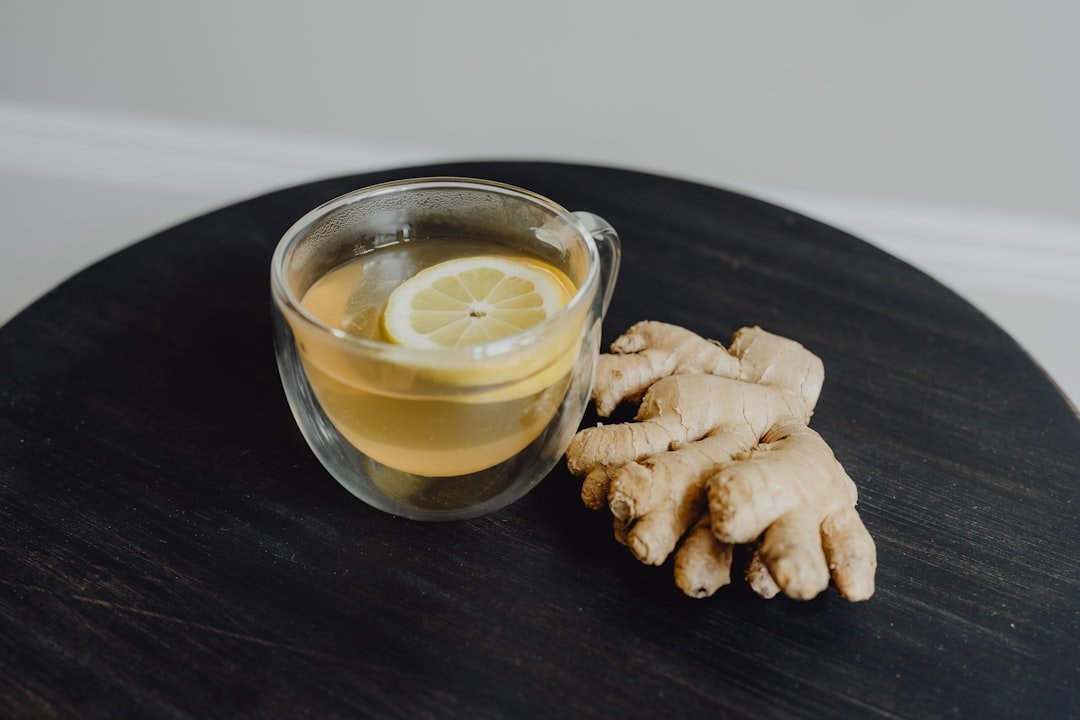
Every morning in Kenya, before the sun properly rises over the Rift Valley, the sharp, warming scent of freshly crushed tangawizi fills kitchens from Nairobi to Kisumu. Kenyan ginger tea is more than a drink — it is a ritual. Whether you are fighting a morning chill, nursing a cold, or simply starting your day with something grounding, this fiery root has been central to Kenyan daily life for generations. Having spent time between Ahmedabad and Nairobi, I noticed quickly how deeply ginger is woven into both Indian and Kenyan kitchens — though Kenya’s take on it is entirely its own.
What Is Tangawizi? Kenya’s Everyday Ginger
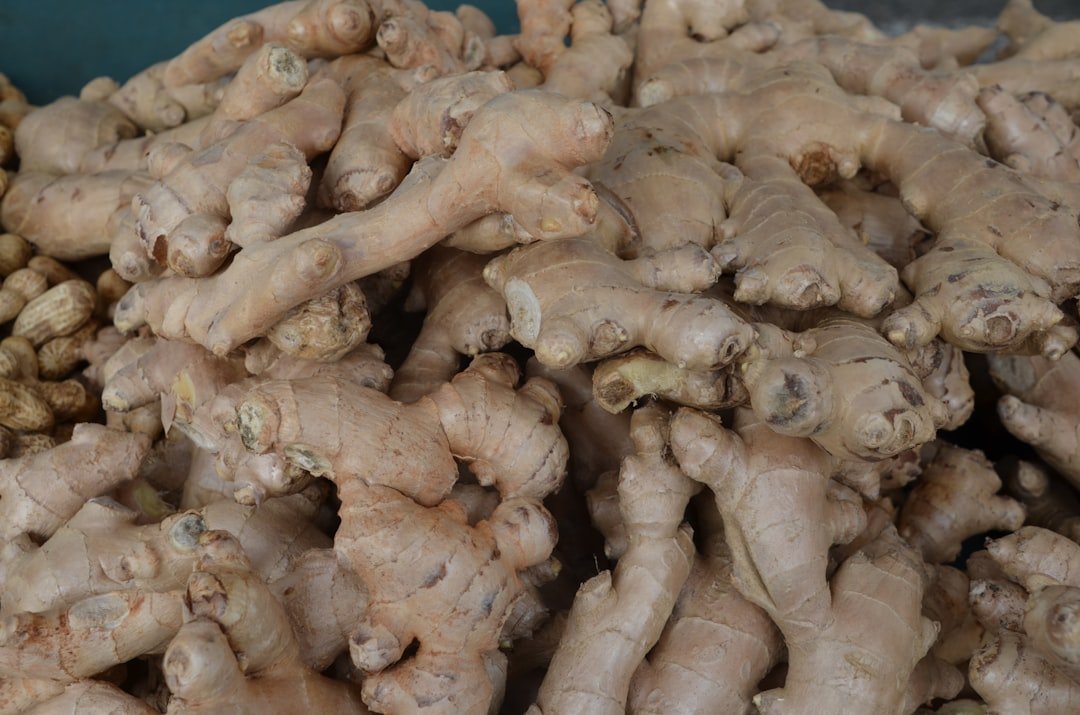
Tangawizi is the Swahili word for ginger (Zingiber officinale), the knobby brown root found in every market across Kenya. Walk through City Market in Nairobi or stop at any mama mboga (vegetable seller) stall in Eldoret or Mombasa, and you will find fresh tangawizi sold by the handful for just a few shillings. Ginger is used across Kenyan cuisine — in pilau spice blends, coastal biryanis, and of course, as the heart of a warming cup of tea.
Unlike bottled ginger drinks, Kenyan ginger tea is made fresh every time. The root is pounded, grated, or sliced directly into boiling water, releasing its natural oils and producing that unmistakable sharp warmth that spreads from your chest outward. If you enjoy our Kenyan chai masala, tangawizi tea is its bolder, spicier cousin — and just as easy to master at home.
How to Make Kenyan Ginger Tea (Tangawizi Recipe)
Prep time: 5 minutes | Cook time: 10 minutes | Servings: 2 | Difficulty: Easy
Ingredients
- 2 cups water
- 1 thumb-sized piece of fresh tangawizi (ginger), about 2 cm
- 2 teaspoons loose black tea (or 2 tea bags — Kericho Gold works beautifully)
- ½ cup milk (optional, for a creamier version)
- 1–2 teaspoons sugar or honey, to taste
- A few black peppercorns (optional, for extra kick)
Instructions
- Wash and peel the ginger. Use the flat side of a knife to crush it, or grate it directly — crushing releases more flavour than slicing alone.
- Bring 2 cups of water to a boil in a small pot. Add the crushed ginger, reduce heat, and simmer for 5 minutes to fully infuse the water.
- Add the black tea and continue simmering for 2–3 minutes.
- If using milk, pour it in now and bring to a gentle boil.
- Add sugar or honey to taste. Strain into cups and serve hot.
Tips: For stronger ginger flavour, add more root and simmer longer. Add half a cinnamon stick or two cardamom pods for a spiced tangawizi blend. In coastal Kenya, a pinch of black pepper and cloves is common — a Swahili spice influence you will love.
Health Benefits of Tangawizi
Kenyan ginger tea is not just comforting — it is one of the most functional drinks in the kitchen. Traditional Kenyan medicine has long used tangawizi for stomach complaints, cold and flu relief, and to ease nausea. Research supports what our grandmothers knew: ginger contains compounds called gingerols and shogaols with anti-inflammatory and antioxidant properties recognised by health authorities worldwide.
In Kenya, tangawizi tea is often the first thing offered to a guest who looks tired or unwell. It signals care and warmth in a way that plain tea rarely does. A squeeze of lemon and a spoonful of local honey — especially raw honey from Baringo or Meru — turns it into one of the most effective home remedies in the country.
Beyond cold relief, regular ginger tea is linked to improved digestion, reduced bloating, and relief from menstrual discomfort. It is a staple in many Kenyan households for precisely this reason, appearing on the stove morning and evening throughout the year. For more traditional Kenyan drinks with similar heritage, explore our guide to traditional Kenyan drinks from various communities.
Tangawizi Variations Across Kenya
Kenya’s diverse communities each put their own spin on ginger tea, and the regional differences are worth exploring:
- Coastal style (Mombasa, Lamu): Heavily spiced with cardamom, cloves, and black pepper, sometimes sweetened with coconut sugar. This variation draws directly from Swahili spice trade influence — the same flavours that define coastal Kenyan cooking.
- Upcountry style (Nairobi, Central Kenya): Simpler and stronger — ginger boiled with black tea and milk, served sweet in tall glasses or enamel mugs.
- Tangawizi na ndimu (ginger with lemon): A lighter, no-milk version popular in the morning. Fresh lemon is squeezed in at the end for a bright, citrusy lift. Excellent for colds and sore throats.
- Tangawizi na asali (ginger with honey): A traditional remedy across many communities. Raw local honey replaces sugar for a more aromatic, medicinal cup.
For a broader look at Kenya’s vibrant drinks culture, our roundup of best local drinks in Kenya is a great place to continue exploring.
Where to Buy Tangawizi in Kenya
Fresh ginger is available at virtually every Kenyan market. In Nairobi, the best quality tangawizi comes from Marikiti Market, City Market, and Toi Market. A handful of fresh roots costs between Ksh 10 and Ksh 30 depending on the season. Most mama mboga stalls carry it daily.
When buying, look for firm, smooth-skinned roots with a fresh, sharp smell. Wrinkled or soft ginger has dried out and will have significantly less flavour. Store it in the fridge wrapped in a dry cloth, or freeze it for up to 3 months — frozen ginger is actually easier to grate and loses very little potency.
Kenya is one of East Africa’s notable ginger-growing regions, with smallholder farmers in areas like Kericho, Kisii, and Meru cultivating it alongside tea and coffee. You can read more about Kenya’s world-class farm-to-cup beverage tradition to understand how deeply rooted drink culture is in this country.
Pair your tangawizi tea with a plate of fresh mandazi for a proper Kenyan morning.
Frequently Asked Questions About Kenyan Ginger Tea
What does tangawizi mean in Swahili?
Tangawizi is the Swahili word for ginger. It refers to the fresh root of the Zingiber officinale plant, used widely in Kenyan cooking, tea-making, and traditional medicine across the country.
Can I use ground ginger instead of fresh tangawizi?
Fresh ginger gives a much brighter and sharper flavour. Ground ginger can substitute in a pinch — use about ¼ teaspoon per cup — but the taste will be duller and less aromatic than the real thing.
How is Kenyan ginger tea different from chai masala?
Kenyan chai masala uses a spice blend including cardamom, cinnamon, and cloves. Pure tangawizi tea focuses on ginger as the single star ingredient, though coastal variations blur the boundary by adding similar spices.
Is tangawizi tea good for colds and flu?
Yes — ginger has well-documented anti-inflammatory and antimicrobial properties that can ease congestion, soothe sore throats, and reduce nausea. Add fresh lemon juice and local honey for the most effective home remedy version.
The next time you spot fresh tangawizi at your local market, grab a handful. A pot of Kenyan ginger tea takes less than 15 minutes to make, costs almost nothing, and delivers warmth that no bottled drink can replicate. This is one recipe we come back to every single week.