There is a quiet revolution happening on the slopes of Mount Kenya, in the rolling hills of Murang’a County, and across the smallholder farms stretching into the Rift Valley. Kenyan avocado farming — once a modest backyard crop — has exploded into one of Africa’s most exciting agricultural success stories. Kenya is now the continent’s leading avocado exporter, and the ripple effects are being felt in rural households, export warehouses, and European supermarket aisles alike.
This is not just a story about fruit. It is a story about economic transformation, smallholder empowerment, and the moment Kenya’s agricultural sector began punching seriously above its weight on the global stage.
Kenya’s Rise as Africa’s Top Avocado Exporter
Kenya has emerged as Africa’s most significant avocado exporter and ranks among the top five globally. The Kenya Plant Health Inspectorate Service (KEPHIS) has recorded steadily increasing export volumes over recent years, with the Netherlands, United Kingdom, UAE, and China receiving the largest share of Kenyan avocados.
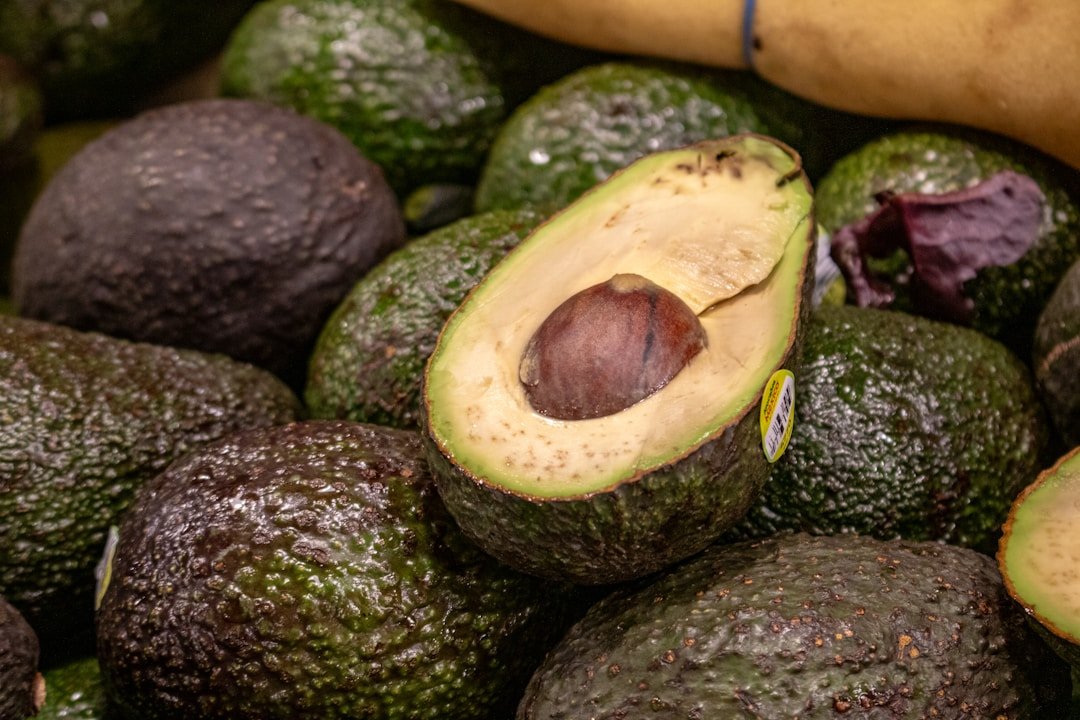
The Hass avocado has led this charge. Prized for its thick, pebbly skin, high oil content, and creamy buttery flesh, the Hass travels well over long distances — an essential quality for a crop destined for markets thousands of kilometres away. Its nutty, rich flavour has made it the dominant variety in European kitchens, and Kenyan-grown Hass has earned a strong reputation for quality.
This growth did not happen overnight. Farmers in central Kenya, particularly in Murang’a, Kirinyaga, and Nyeri counties, had grown avocados for decades — primarily the Fuerte variety for domestic consumption. The strategic shift toward export-grade Hass production, supported by county governments, agricultural cooperatives, and international development organisations, began gaining real momentum in the mid-2010s. By 2023–2024, avocado had joined coffee and tea among Kenya’s most valuable horticultural exports. For context, Kenya’s coffee sector is fascinating in its own right — read our Kenyan Coffee Guide: From Farm to Cup for a deeper look at another crop that defines Kenyan agriculture.
Where Kenya’s Avocados Are Grown
The bulk of Kenya’s export avocados come from the central highlands region surrounding Mount Kenya — especially Murang’a, Kirinyaga, Nyeri, and Embu counties. The combination of high altitude (1,200–1,800 metres above sea level), deep volcanic red soils, and reliable seasonal rainfall creates near-ideal conditions for avocado cultivation.
The Rift Valley, including areas around Nakuru and Nyandarua, has also emerged as a growing zone. Western Kenya, too, is beginning to contribute as more farmers recognise the export potential. Growing up in Eldoret, I’ve watched neighbouring farming communities in the Rift Valley gradually integrate avocado trees into their shambas alongside the more traditional maize and wheat — a shift that has quietly but meaningfully improved household incomes.
The most important structural fact about Kenya’s avocado industry is that it is predominantly smallholder-driven. The average Kenyan avocado farmer tends a plot of 0.5 to 2 acres and owns between 20 and 100 trees. This means the boom’s benefits flow directly to rural households, not solely to large commercial estates — a genuinely meaningful distinction in a country where most farming families operate on tight margins.
The Economics of Avocado Farming in Kenya
The financial case for avocado farming is compelling. A mature Hass avocado tree, once established (typically taking 3–5 years), can yield 200–400 fruits per season. At export prices, even a modest grove of 50 trees can deliver substantially higher income than an equivalent area of maize — Kenya’s traditional smallholder staple crop.
This economics has triggered rapid replanting and new planting across central Kenya. Farmers who once grew tea or dairy have diversified into avocado. Young people who might otherwise have left rural areas for Nairobi are finding reason to stay and invest in their family farms.
The supply chain has evolved to match this ambition. Exporters, packhouses, and cooperatives have invested in cold storage facilities, sorting infrastructure, and direct trading relationships with European retailers. Organisations like the Kenya Avocado Society have helped standardise quality grading and provide market access for smaller growers.
The challenge remains quality consistency. Export-grade Hass must meet strict size, skin condition, maturity, and pesticide residue standards. Fruit that falls short is sold domestically at a much lower price. Extension services and training programmes — some supported by the Food and Agriculture Organisation (FAO) — have become critical in helping smallholders close the quality gap and secure better prices.
Avocado in the Everyday Kenyan Kitchen
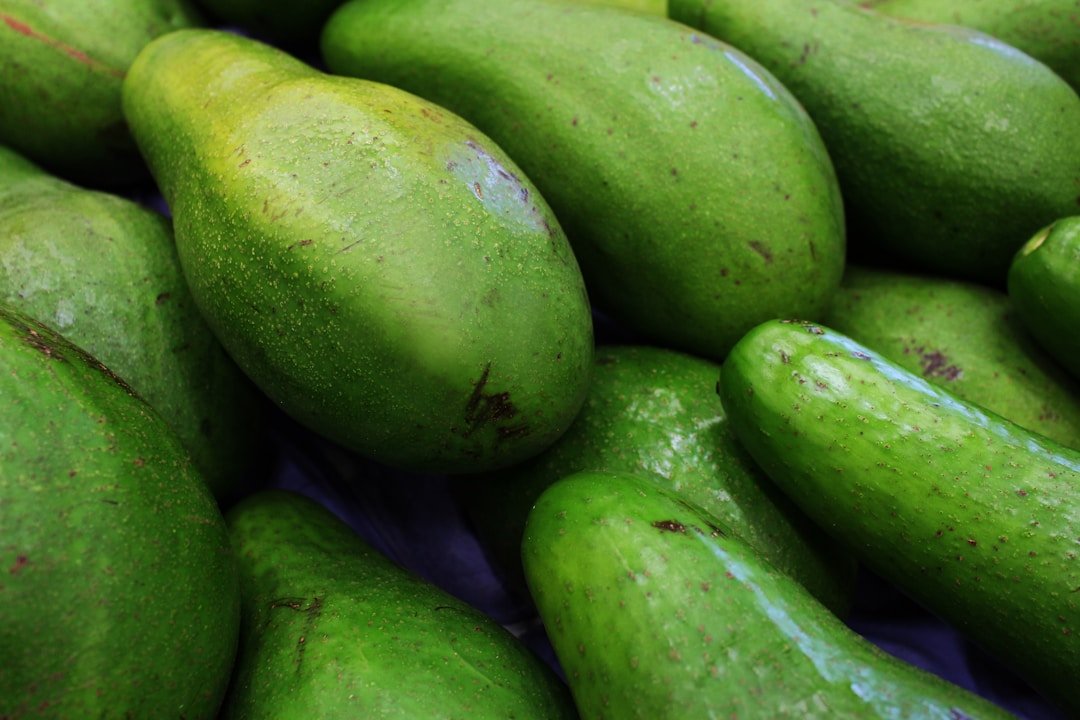
While export-grade Hass avocados head overseas, the Fuerte avocado remains the everyday eating variety for most Kenyan households — large, green-skinned, buttery, and usually available year-round at markets for 10–30 shillings each. Walk through any Nairobi market or roadside stall and you will find them stacked in generous pyramids alongside tomatoes, sukuma wiki, and onions.
Kenyans have always loved their avocados, long before ‘avo toast’ became a global phenomenon. Here are some classic ways the avocado features in Kenyan home cooking:
- Avocado and chapati: Sliced ripe avocado layered over a freshly made chapati with a pinch of salt — a simple, satisfying snack that is a staple in many Kenyan homes
- Juisi ya avocado (avocado smoothie): Blended with milk, honey, and a little fresh ginger for a thick, nourishing breakfast drink popular from Nairobi to Eldoret
- Avocado kachumbari: Diced avocado folded into the classic Kenyan tomato-and-onion relish — check out our full authentic kachumbari recipe to see how this works beautifully
- Avocado spread: Mashed with lemon juice, garlic, and cracked pepper, used as a spread on bread or as a dip — Kenya’s answer to guacamole, made long before the international trend arrived
- Coast-style avocado: On the Kenyan coast, avocado often appears alongside coconut-rich Swahili dishes. Our Mombasa Old Town food trail explores how coastal cuisine uses it in wonderfully inventive ways
The avocado season in Kenya peaks from April through June, when Fuerte avocados are at their cheapest and most abundant. This is the time to make the most of them in your kitchen.
Challenges and the Road Ahead
Kenya’s avocado industry stands at a pivotal moment. New market access — including China’s opening to Kenyan avocados — and growing investment in cold-chain infrastructure could push export volumes significantly higher over the coming years. The potential for value-added products such as avocado oil is also being explored by entrepreneurs in Nairobi and Nakuru.
But the industry faces real headwinds. Avocado farming is water-intensive, and in regions where rainfall is becoming less predictable due to climate change, irrigation infrastructure will be critical. There are also concerns about soil health in some high-density growing zones, and the need for better price transparency and fair payment practices for smallholder farmers.
Nation Africa and other Kenyan media have reported extensively on both the opportunities and the structural challenges facing the sector — it is a conversation that is very much alive in the country’s agricultural policy circles. The Western Kenya food scene, including growing avocado culture in areas around Kisumu, is worth watching too — our Kisumu food guide captures some of that lakeside region’s culinary identity.
The sight of a Murang’a farmer carefully packing gleaming Hass avocados into export-grade boxes, knowing they will reach a Rotterdam supermarket shelf within days, captures something genuinely remarkable about where Kenyan agriculture has arrived. The avocado boom is real — and with the right support, it can be sustained.
Frequently Asked Questions
Is Kenya the biggest avocado exporter in Africa?
Yes. Kenya is consistently Africa’s top avocado exporter and ranks among the world’s top five, shipping primarily to the Netherlands, UK, UAE, and increasingly to China. The Hass variety dominates export volumes due to its quality and durability in transport.
Which avocado variety is mainly grown in Kenya for export?
The Hass avocado is Kenya’s primary export variety, valued for its rich flavour, high oil content, and thick skin that handles long-haul shipping well. The Fuerte variety is more common in domestic markets, sold fresh at roadside stalls and urban markets across the country.
When is avocado season in Kenya?
Kenya’s main avocado harvest runs from March through August, with the peak in April–June. This is when avocados are most abundant and affordable at Kenyan markets — a great time to try Kenyan avocado recipes at home.
How is Kenyan avocado farming helping rural communities?
Smallholder farmers — typically growing on plots under 2 acres — account for most of Kenya’s avocado production. Export-grade avocado earns significantly more than traditional crops like maize, providing rural households with improved and more stable income streams.