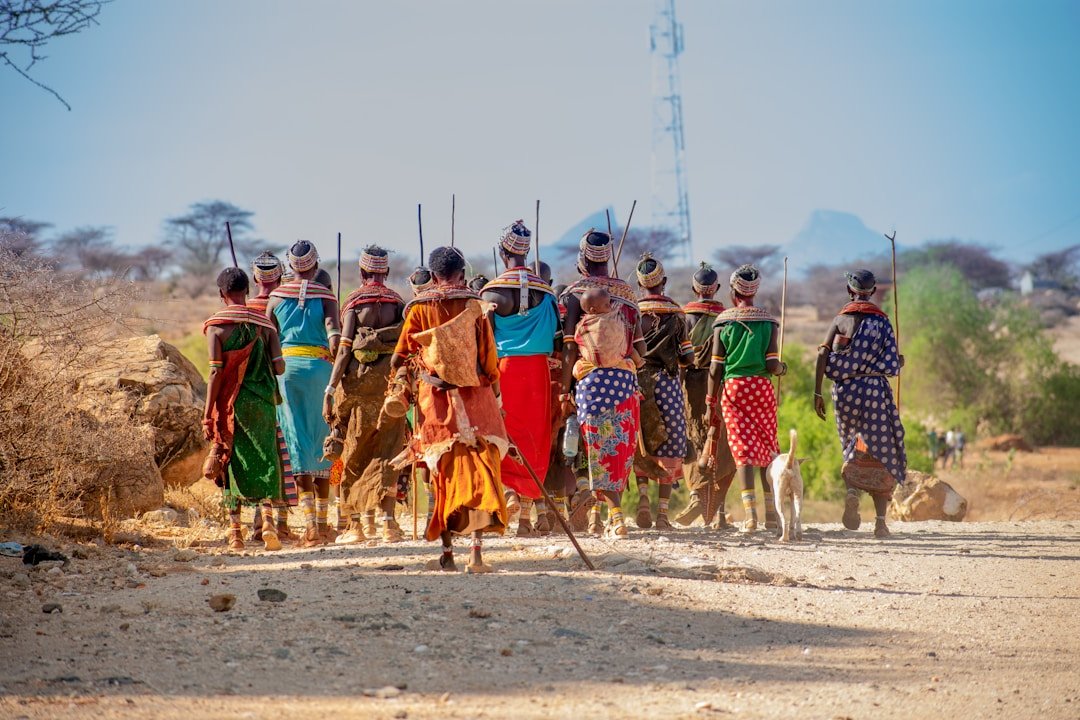
There is a drink in the highlands of Kenya that carries the spirit of an entire people. Before Olympic medals were won and world records were broken, before sports science had a name, the Kalenjin athletes of the Rift Valley were fuelling themselves with mursik — a thick, smoky, sour fermented milk stored in a charred gourd and shared across generations. Having grown up appreciating fermented dairy from my time between Ahmedabad and Nairobi, mursik was a revelation: deeply familiar in its sourness, yet entirely its own. Today, more Kenyans are rediscovering this centuries-old probiotic drink, and the story behind it is as rich as its flavour.
What Is Mursik? Understanding Kenya’s Traditional Fermented Milk
Mursik (also written as muursik) is fermented cow or goat milk traditionally made and consumed by the Kalenjin peoples of Kenya’s Rift Valley — including the Kipsigis, Nandi, Tugen, Marakwet, and Pokot communities. It is Kenya’s answer to yogurt, but far more complex in character.
What sets mursik apart is not just the fermentation but the vessel it ferments in: a calabash gourd called a sotet or kirisio, which has been cleaned and smoked with charcoal from specific indigenous trees. Most commonly, olive wood (Olea europaea africana) or lelwa is used. This smoking does two things — it sterilises the gourd and infuses the milk with a distinctive earthy, smoky flavour that no factory dairy process can replicate.
The result is a thick, tangy, subtly grey-tinged milk with a depth of flavour that surprises most first-timers. Probiotic, high in lactic acid bacteria, and deeply nourishing — mursik is functional food before that term was ever invented.
How Mursik Is Made — The Traditional Kalenjin Process
Making authentic mursik is a multi-day process that requires patience and the right equipment. Here is how it is done in the traditional Kalenjin way:
Step 1: Curing the Gourd (Sotet)
A dry calabash gourd is cleaned thoroughly. Hot charcoal from olive wood or lelwa is placed inside and the gourd is rotated to coat the interior walls with char. The ash residue is shaken out and the process may be repeated to build up a properly charred, aromatic coating. This step is not decorative — the charcoal acts as a natural antibacterial agent and gives mursik its signature smoky depth.
Step 2: Adding the Milk
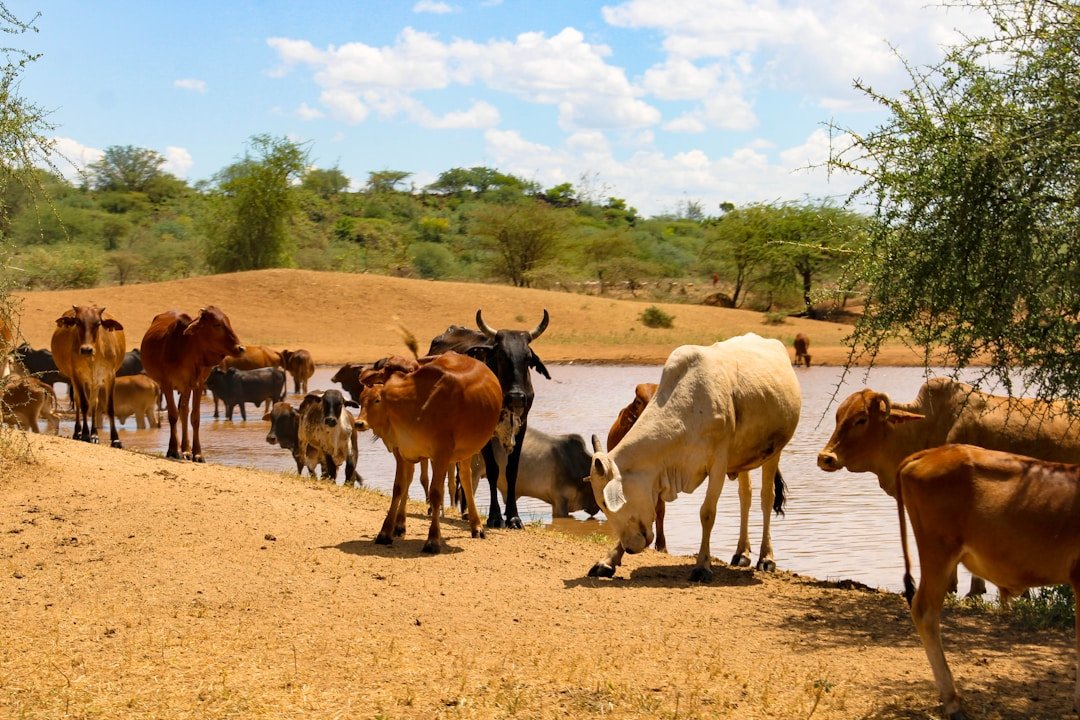
Fresh, raw cow’s milk — ideally still warm from the animal — is poured into the cured gourd. Some families add a small amount of previously fermented mursik as a starter culture to kickstart fermentation.
Step 3: Fermentation
The gourd is sealed with a stopper traditionally made from twisted cow tail hair, then left in a cool, shaded place. It is not refrigerated. The gourd is gently shaken or rolled at least once or twice a day to encourage even fermentation and prevent separation.
Step 4: Ready to Drink
After 2 to 5 days — depending on temperature and desired sourness — the mursik is ready. The colour will be off-white to pale grey from the charcoal residue, and the texture will be thicker than regular milk but still pourable. The flavour: sour, earthy, faintly smoky, with a clean finish.
Why Kenya’s Athletes Drink Mursik After Victory
If you have followed Kenya’s dominance in long-distance running, you may have seen images of athletes being welcomed home with calabash gourds raised in celebration. That is mursik — and its appearance is no coincidence.
The Kalenjin community, from which many of Kenya’s greatest runners come, has drunk mursik for generations. Modern nutritional science is beginning to understand why it works so well. Fermented dairy products are rich in probiotics, B vitamins, and easily digestible proteins. The lactic acid fermentation increases the bioavailability of nutrients and supports gut health — critical for athletes with extreme energy demands.
Beyond nutrition, mursik is cultural fuel. It connects Kalenjin athletes to their land, their community, and their identity. When world marathon record holders return home to Eldoret, when Olympic medallists are greeted in Nandi Hills — mursik is part of that welcome. That emotional connection carries its own kind of nourishment.
This makes mursik more than a traditional Kenyan drink — it is a living cultural practice tied deeply to the Rift Valley’s identity.
Where to Find Mursik in Kenya Today
Traditionally, mursik was made at home and rarely sold commercially. But today you can find it in more places than ever:
- Rural markets in Eldoret, Kericho, Nandi Hills, and Iten — sold by Kalenjin women in repurposed gourds or plastic containers, especially in the mornings
- Nairobi food festivals and cultural events — increasingly featured as a traditional ingredient alongside other indigenous Kenyan foods
- Specialty dairy sellers in Westlands, Ngong Road, and Karen who source direct from Rift Valley producers
If you are buying commercially, look for traditional producers who still use wood-smoked gourds. The plastic-container versions are fermented but lack the charcoal smoky complexity that defines authentic mursik kenya. Visiting Eldoret? Stop at the main market near Khetias — you’re likely to find fresh mursik, especially on market days.
How to Eat and Enjoy Mursik
Mursik is traditionally drunk straight — often as a meal in itself after a morning’s work or farming. In Kalenjin homes and communities, it is served:
- As a welcome drink for guests and returning family members
- Paired with ugali (maize meal) as a balanced, sustaining meal
- Alongside roasted meat at celebrations and ceremonies
- As a morning drink, much like chai is enjoyed across the rest of Kenya
Its sourness and richness pair beautifully with starchy, plain foods — think of the way Indians pair lassi with biryani. I discovered this myself while having pilau in Nakuru: the smoky tang of mursik balanced the warm spices perfectly. The acidity cuts through richness and aids digestion.
If the sourness is intense at first, mix a small amount of mursik into fresh milk. It builds on you quickly. For a full Rift Valley-inspired meal, try mursik alongside a bowl of githeri or matoke — the contrast is satisfying and deeply grounding.
Frequently Asked Questions About Mursik
Is mursik safe to drink?
Yes. Traditional mursik undergoes natural lactic acid fermentation that acidifies the milk, inhibiting harmful bacteria. The charcoal-cured gourd also provides antibacterial properties. Buy from trusted traditional sources and consume within a few days of fermentation completing.
Does mursik taste like yogurt?
It shares sourness with yogurt but has a distinctive smoky, earthy character from the charcoal gourd. The texture is thinner than set yogurt and the flavour complexity — especially the woodsmoke note — is quite unlike anything in conventional dairy.
Can I make mursik at home without a calabash gourd?
A proper calabash gourd smoked with olive wood charcoal gives authentic flavour. Without it, you can ferment milk with a yogurt starter to get a basic sour milk, but the smoky complexity will be absent. The gourd really does define the drink.
Where does mursik come from in Kenya?
Mursik originates from the Kalenjin communities of Kenya’s Rift Valley — particularly Uasin Gishu, Nandi, Kericho, and West Pokot counties. It is most commonly associated with the Nandi and Kipsigis sub-groups.
Mursik is more than a drink — it is a story of land, community, and deep tradition in every sip. Whether you encounter it at an Eldoret market or a Nairobi food festival, give it a chance. Kenya’s greatest athletes built their endurance on it. You don’t need to be a marathon runner to appreciate what centuries of fermentation wisdom taste like. And if you enjoy exploring Kenya’s traditional food culture, don’t miss our guide to muratina, another remarkable fermented drink from the Kikuyu community.