There is a moment, somewhere between the highlands of Nyeri and the stone-paved streets of Nairobi, when the smell of freshly roasted Kenyan coffee stops you in your tracks. Living between Dubai and Nairobi, I find myself chasing that aroma more than anything else when I land back in Kenya. It is sharp, fruity, almost wine-like — nothing like the flat, forgettable cups you find in most international airports. Kenya has earned its place among the world’s great coffee-producing nations, and once you understand why, ordinary coffee simply does not compare.
What Makes Kenyan Coffee Special
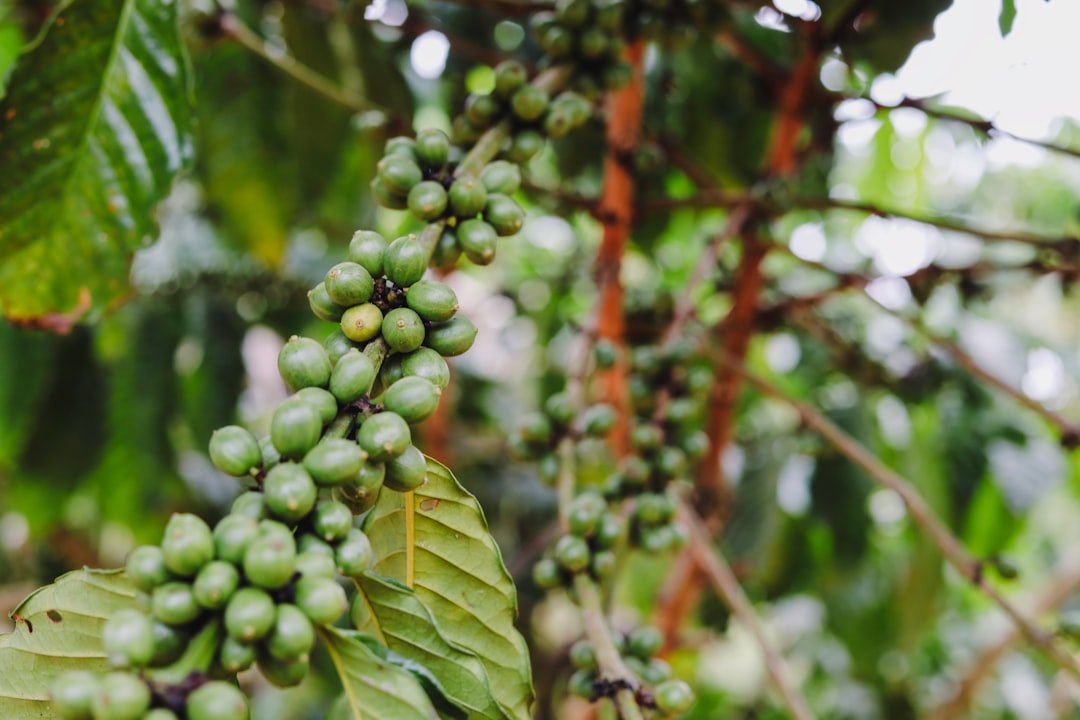
Kenya’s reputation for exceptional coffee is built on a combination of geography, genetics, and meticulous processing. The country’s coffee-growing belt sits along the slopes of Mount Kenya and the Aberdare Range, at elevations ranging from 1,400 to 2,100 metres above sea level. At this altitude, cool nights slow the development of the coffee cherry, allowing sugars and acids to build into the complex flavour profile that Kenyan coffee is known for.
The soils here are deep red and iron-rich — formed from volcanic activity over millennia. They drain well and retain just enough moisture to sustain the coffee plant through dry spells. Two heirloom varietals, SL28 and SL34, were developed by the Scott Agricultural Laboratories in the 1930s and remain the backbone of Kenyan specialty coffee production today. Both produce beans with a distinct berry-forward flavour profile — think blackcurrant, red plum, and sometimes a hint of tomato — backed by a bright, clean acidity that specialty roasters prize.
Kenyan coffee undergoes a double fermentation washed process, where the cherry is depulped, fermented overnight, rinsed, fermented again, and then washed before drying on raised beds. This labour-intensive method strips away any residual fruit sugars and produces the clarity and brightness synonymous with Kenya’s best lots. The Coffee Board of Kenya and the Nairobi Coffee Exchange oversee grading and auctioning, ensuring that quality benchmarks are maintained before any coffee reaches the export market.
The Best Coffee Regions in Kenya
Kenya’s coffee-growing geography is concentrated in a handful of counties, each producing beans with slightly different character. Understanding these regional differences helps you choose the right kahawa (coffee) for your palate.
- Nyeri: Widely regarded as Kenya’s finest coffee-producing county. Farms here sit on the southern slopes of Mount Kenya, with rich volcanic loam soil and two distinct rain seasons. Nyeri coffees are typically vibrant, with blackcurrant and bright citrus notes. They consistently command the highest prices at the Nairobi Coffee Exchange.
- Kirinyaga: Located on the eastern slopes of Mount Kenya, Kirinyaga produces coffees with a slightly fuller body than Nyeri, often showing notes of stone fruit and dark berry. The county is home to several celebrated cooperative societies whose lots are regulars on the specialty market.
- Murang’a: A transitional growing area that blends the brightness of Nyeri-style coffees with the earthier tones of lower-altitude farms. Murang’a coffees can be approachable entry points for those new to Kenyan specialty lots.
- Mount Kenya Region (Embu & Meru): The eastern and northern flanks of Mount Kenya yield coffees that are sometimes softer in acidity but complex in aroma. National Geographic has spotlighted the Mount Kenya corridor as one of Africa’s most exciting coffee origins.
If you pair a morning cup of Kenya AA with one of the classic Kenyan breakfast dishes like mandazi or a slice of fresh bread with margarine, the contrast of the fruity coffee against the mild starch is something genuinely special. It is the kind of pairing that coffee tourists travel to the highlands for.
Kenyan Coffee Grades Explained
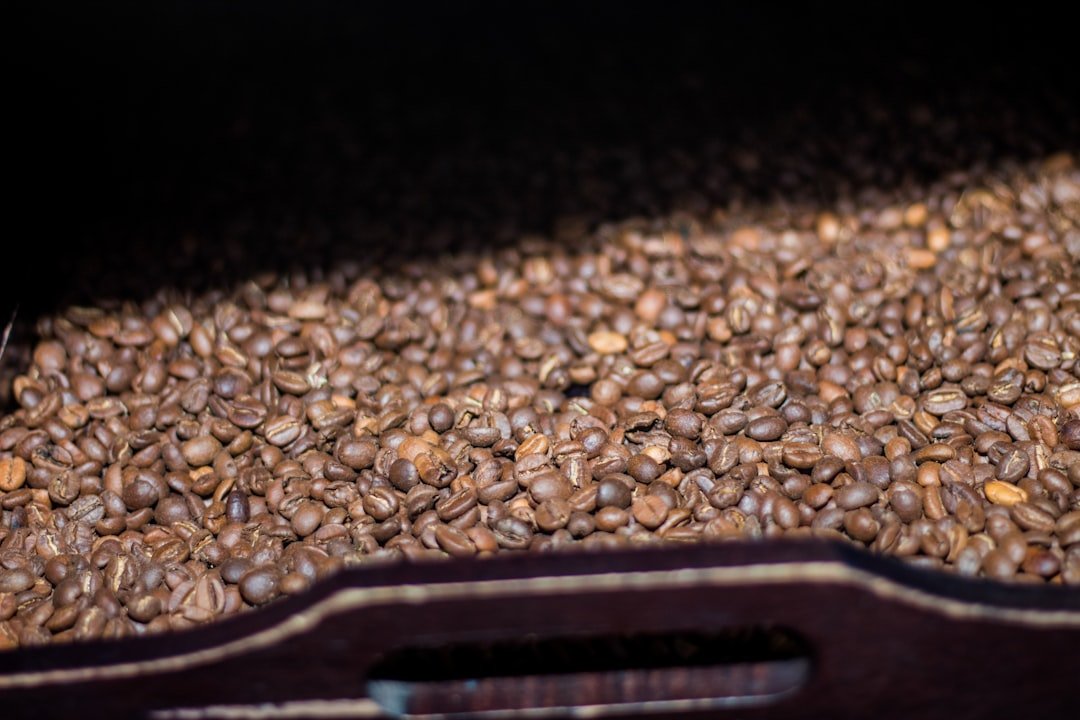
After harvesting on the shamba (farm), Kenyan coffee is sorted and graded by bean size and density. These grades are not just administrative labels — they correlate with flavour potential and cup quality. According to the Coffee Board of Kenya, the grading system works as follows:
- Kenya AA: The largest bean size (screen size 17–18) and the grade most associated with Kenya’s finest export lots. Larger beans tend to roast more evenly and carry more of the bold blackcurrant and bright acidity that defines Kenyan coffee taste. When people ask where to buy Kenya AA coffee, look for specialty roasters who source directly from the Nairobi Coffee Exchange.
- Kenya AB: A blend of A and B-grade beans (screen size 15–16). Slightly smaller than AA, but still high quality. AB lots often represent excellent value and are the most widely available Kenyan grade internationally.
- Kenya Peaberry (PB): A natural mutation where only one round bean forms inside the cherry instead of the usual two flat-sided halves. Peaberry beans are prized by many specialty roasters for their concentrated sweetness and rounded flavour.
- Kenya C, E, TT: Lower grades sorted from the main screen. C and TT grades are smaller or lighter beans; E (Elephant) refers to very large malformed beans. These grades are typically sold domestically or blended.
For context on how Kenya’s grading compares to other renowned East African origins, Taste Atlas provides a useful breakdown of regional characteristics and tasting notes.
How to Brew Kenyan Coffee at Home
Given the complexity of Kenya AA coffee, brewing method matters. High-acid, fruit-forward beans do their best work in brewing methods that highlight clarity and brightness. Here is how to get the most out of your Kenya AA at home.
Pour-Over Method (Recommended)
- Grind: Medium-fine grind, similar to table salt. For a 250ml cup, use 15g of coffee.
- Water temperature: 92–94°C. Boiling water (100°C) can over-extract Kenyan coffee’s delicate acids and turn them harsh. Let the kettle rest for 30–40 seconds after boiling.
- Bloom: Add twice the weight of water to coffee (30ml) and wait 30 seconds. You will see CO₂ releasing as the grounds swell — this is freshness you can see.
- Pour: Complete the remaining water in slow, spiralling pours over 2–3 minutes total brew time.
- Taste: Expect a cup with vivid red fruit notes, a clean, sparkling finish, and a tea-like body.
Aeropress Method
If you prefer a more concentrated, slightly fuller cup, the Aeropress works beautifully with Kenya AA. Use 18g of coffee to 220ml of water at 90°C, invert the Aeropress, steep for 90 seconds, then press steadily over 30 seconds. The result is a rich, berry-forward concentrate that can be drunk as-is or topped with a small amount of hot water.
Kenyans who grew up drinking tea at breakfast — and Kenya is deeply a chai masala culture at heart — are increasingly embracing specialty coffee at home. The same spice market awareness that goes into a good cup of pilau masala translates well to the careful attention brewing Kenyan coffee deserves. When I am in Dubai and missing Nairobi, brewing a proper Kenya AA pour-over is the closest I get to being back on the shamba.
Frequently Asked Questions
What does Kenyan coffee taste like?
Kenyan coffee is known for its bold, fruit-forward flavour profile. The most prized lots — especially Kenya AA from Nyeri or Kirinyaga — typically show notes of blackcurrant, red berry, and sometimes citrus or stone fruit, supported by a bright, wine-like acidity. The finish is clean and lingering. The SL28 and SL34 varietals, combined with the washed processing method used across Kenyan cooperatives, produce a cup that is vivid and transparent — very different from the earthier, heavier profiles of coffees from some other African origins.
Where can I buy Kenya AA coffee?
Kenya AA coffee is available through specialty coffee roasters worldwide. The best lots are sold at auction through the Nairobi Coffee Exchange, so look for roasters who source directly from the exchange or work with named cooperatives or estates in Nyeri, Kirinyaga, or Murang’a. Online, roasters such as Counter Culture, Has Bean, and Volcafe Specialty regularly offer Kenya AA lots. When buying locally in Nairobi, cooperative societies like Gaturiri, Kieni, and Othaya Farmers are respected names. Check roast dates — freshly roasted Kenya AA within four to six weeks of purchase will give you the best experience.
What are the best coffee regions in Kenya?
Nyeri is widely considered Kenya’s premier coffee-producing region, producing lots with exceptional brightness and blackcurrant character. Kirinyaga is a close second, known for full-bodied, stone-fruit-forward coffees. Murang’a offers approachable, slightly softer lots, while Embu and Meru on the eastern slopes of Mount Kenya produce aromatic coffees that are gaining international recognition. All of Kenya’s best coffee regions share the same core advantages: high altitude, rich volcanic soil, and the SL28/SL34 varietals that define Kenyan specialty coffee at its finest.
Whether you are exploring Nairobi’s street food scene or making your way to the coast at Lamu, a cup of Kenya’s finest kahawa is one of the country’s most authentic and transportable pleasures. From the volcanic shamba to your cup, Kenyan coffee carries the story of the highlands in every sip.