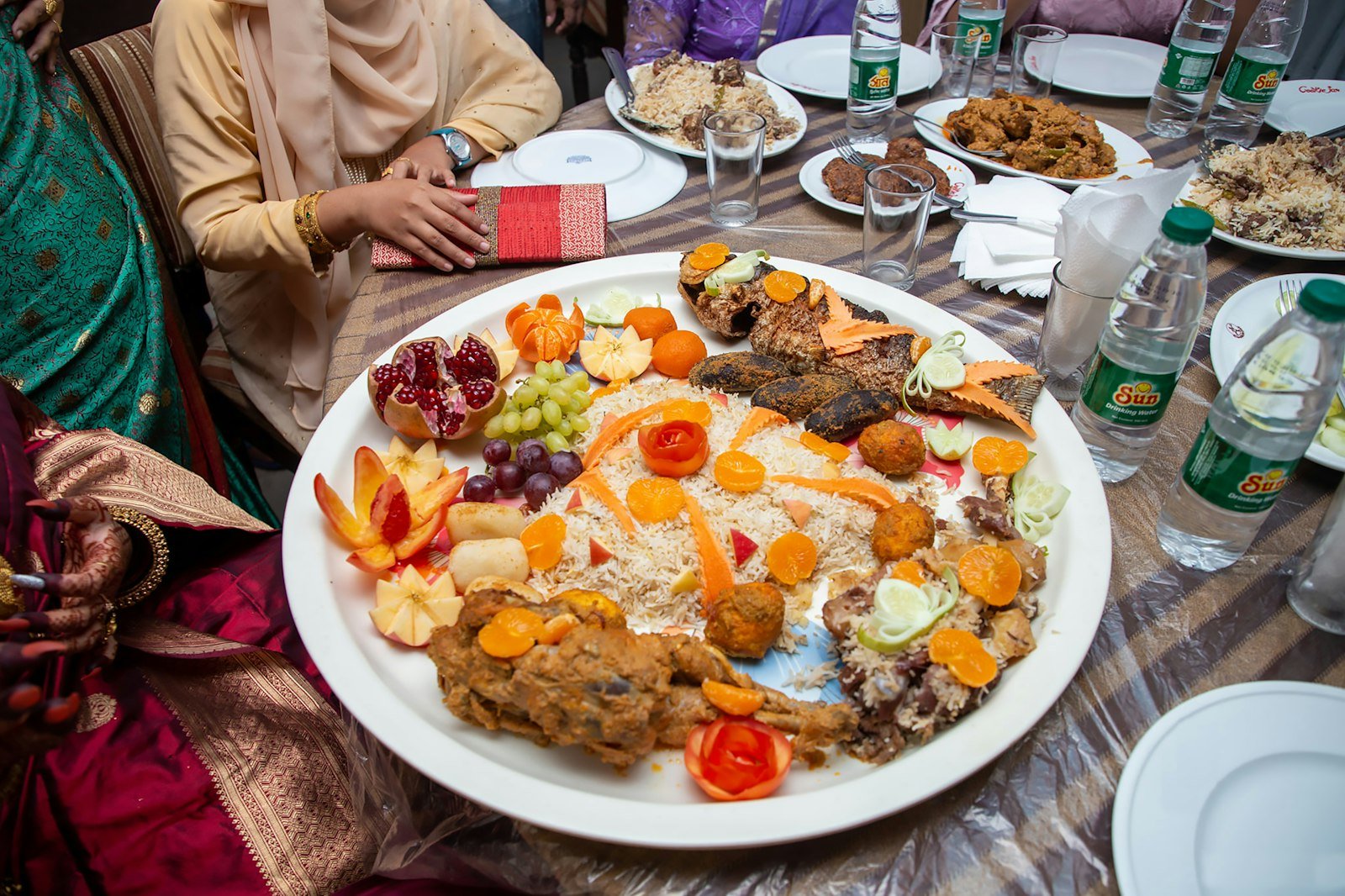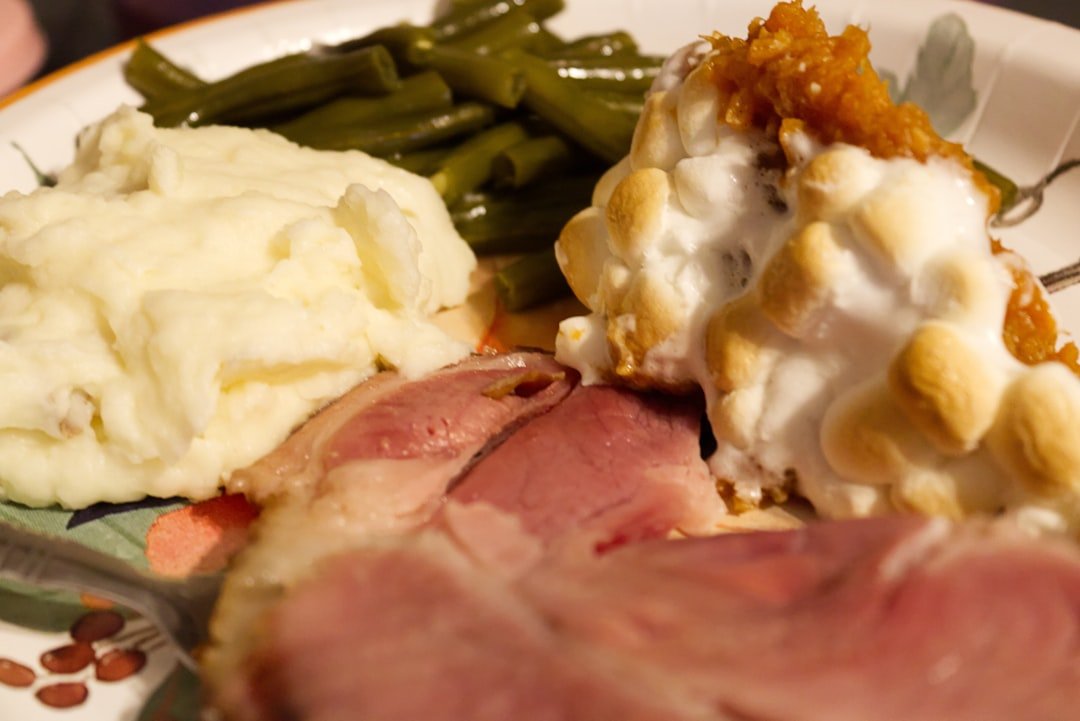
When you walk into a kitchen in Eldoret on a Saturday afternoon, there is a distinct aroma that stops you at the door — boiling potatoes mingling with the earthy, grassy scent of fresh pumpkin leaves. That is a mukimo recipe in the making. This beloved Kikuyu dish is one of the most comforting staples in Kenyan highland cooking — a vibrant green mash of potatoes, peas, and leafy greens that tastes like home. Whether served alongside nyama choma or a rich beef stew, a good mukimo recipe belongs in every Kenyan kitchen.
What Is Mukimo?
Mukimo (also spelled mūkimo in Gikuyu) is a traditional dish from the Central highlands and Rift Valley regions of Kenya. The name comes from the Gikuyu word meaning “mashed” or “compressed.” It is made by boiling potatoes together with peas, corn, and leafy greens — most traditionally fresh pumpkin leaves — then mashing everything into a thick, greenish purée.
Unlike its close cousin irio, which stays pale yellow, mukimo gets its signature green colour from the generous amount of leafy vegetables mashed in. It is denser, earthier, and deeply satisfying — the kind of dish that fills you up after a morning in the shamba (farm). You will find mukimo at family gatherings across Nyeri, Murāng’a, Kiambu, and throughout the Rift Valley. TasteAtlas recognises mukimo as one of Kenya’s most iconic traditional dishes.
Ingredients for Authentic Mukimo
This mukimo recipe uses simple, widely available ingredients. If you cannot find pumpkin leaves, fresh spinach or kale works perfectly as a substitute. Here is everything you need:
- 500g potatoes (about 4 medium), peeled and cubed
- 1 cup fresh or frozen green peas (njegere)
- 1 cup fresh or frozen maize kernels (mahindi)
- 2 large handfuls pumpkin leaves or spinach, washed and roughly chopped
- 1 medium onion, finely diced
- 2 tablespoons butter or cooking oil
- ½ cup warm milk (optional, for extra creaminess)
- 1–2 cloves garlic, minced (optional)
- Salt to taste
Prep time: 15 minutes | Cook time: 40 minutes | Serves: 4–6 | Difficulty: Easy
How to Make Mukimo: Step-by-Step Instructions
Follow these steps for a perfectly smooth and flavourful Kikuyu mukimo every time.
- Boil the base. Place the potatoes, peas, and maize in a large pot. Cover with salted water and bring to a boil over medium-high heat.
- Add the greens. Once the potatoes are nearly tender (about 20 minutes), add the pumpkin leaves or spinach directly into the pot. Stir well and cook for a further 10 minutes until the greens are fully soft and the water has reduced significantly.
- Sauté the onion. While the pot simmers, fry the diced onion (and garlic if using) in butter or oil over medium heat until golden and fragrant, about 5 minutes. The caramelised onion adds a subtle sweetness that elevates the whole dish.
- Mash everything together. Drain most of the cooking liquid, leaving a little at the bottom. Add the sautéed onion. Mash vigorously with a potato masher or wooden spoon until smooth. Some families prefer a slightly chunky texture — either way is authentic.
- Add milk for creaminess. Pour in the warm milk gradually, stirring after each addition until you reach your preferred consistency. Taste and adjust the salt generously.
- Serve hot. Mukimo is best straight from the pot, steaming and bright green.
Tips for the Best Kenyan Mukimo
A few simple tips take this mukimo recipe from good to unforgettable:
- Choose the right potatoes. Starchy varieties like Shangi or Kenya Karibu mash smoothly. Avoid waxy potatoes, which can turn gluey.
- Do not skip the greens. Pumpkin leaves give mukimo its colour and earthy flavour. Fresh is best, but frozen spinach also works in a pinch.
- Control the liquid carefully. Mukimo should be thick and firm, not soupy. Drain most of the cooking water before mashing and add milk slowly.
- Season generously. This dish needs a proper amount of salt. Taste repeatedly as you mash.
- Regional variations. Some coastal families substitute coconut milk for dairy milk. Others stir in fresh coriander or a squeeze of lemon at the end.
For more hearty Kenyan cooking, explore our githeri recipe — another Central Kenya favourite worth mastering.
What to Serve With Mukimo
Mukimo is one of the most versatile dishes in Kenyan cuisine and pairs beautifully with almost any protein or side dish. Traditionally it is served with nyama choma (grilled meat) at celebrations and Sunday feasts. Other excellent pairings include:
- Braised beef stew or chicken stew
- Sukuma wiki with a fried egg
- Pan-fried or roasted tilapia fish
- A simple tomato-based beef or vegetable mince
Mukimo also makes a satisfying vegetarian meal on its own. The Kenya Tourism Board often highlights dishes like mukimo as part of the authentic highland culinary experience for visitors exploring the Rift Valley and Central Kenya.
Frequently Asked Questions About Mukimo
What is the difference between mukimo and irio?
Mukimo uses pumpkin leaves or spinach giving it a deep green colour and earthier taste. Irio is made with peas, potatoes, and corn with fewer greens, resulting in a lighter colour. Both are traditional Kikuyu dishes and worth learning separately.
Can I make mukimo without pumpkin leaves?
Yes. Fresh spinach, kale, or sukuma wiki (collard greens) work well as substitutes. The flavour varies slightly but the dish remains nutritious and delicious.
Is mukimo a healthy dish?
Mukimo is naturally gluten-free and rich in complex carbohydrates, plant protein, potassium, and fibre. The leafy greens supply iron and vitamins A and C. FAO nutrition research consistently highlights leafy vegetables as essential in balanced African diets.
Can I make mukimo ahead of time?
Yes. Mukimo keeps well in the refrigerator for up to three days. Reheat gently on the stove with a splash of water or milk, stirring to restore its creamy texture.
Mukimo is more than a mukimo recipe on a page — it is a piece of Kenyan highland culture pressed into every serving. From Kiambu to Nakuru, from Nyeri to Eldoret, this dish has nourished generations. Try it this weekend and discover why, for so many of us, no celebration feels complete without a heaped serving of steaming green mukimo on the table.