If you have ever been invited to a Kenyan wedding, you already know: the food is the event. Long before the couple exchanges vows, the kitchen fires are lit, the spices are ground, and massive pots begin bubbling with rice, meat, and stew. A harusi (wedding) in Kenya is measured not just by the beauty of the ceremony but by the generosity of the feast. Whether in a Nairobi ballroom, a Mombasa beachfront venue, or a rural homestead under acacia trees, Kenyan wedding food tells the story of community, abundance, and love.
The Centrepiece of Every Harusi: Nyama Choma and Pilau
No Kenyan wedding feast is complete without nyama choma — slow-grilled meat, usually beef or goat, that perfumes the air for hours before the first guest arrives. In Kenya, nyama choma is more than a dish; it is an expression of hospitality. For a harusi, whole goats are often slaughtered and grilled over open fires, with the finest cuts served to the most honoured guests. The charred edges, juicy interior, and side of kachumbari make it unforgettable.
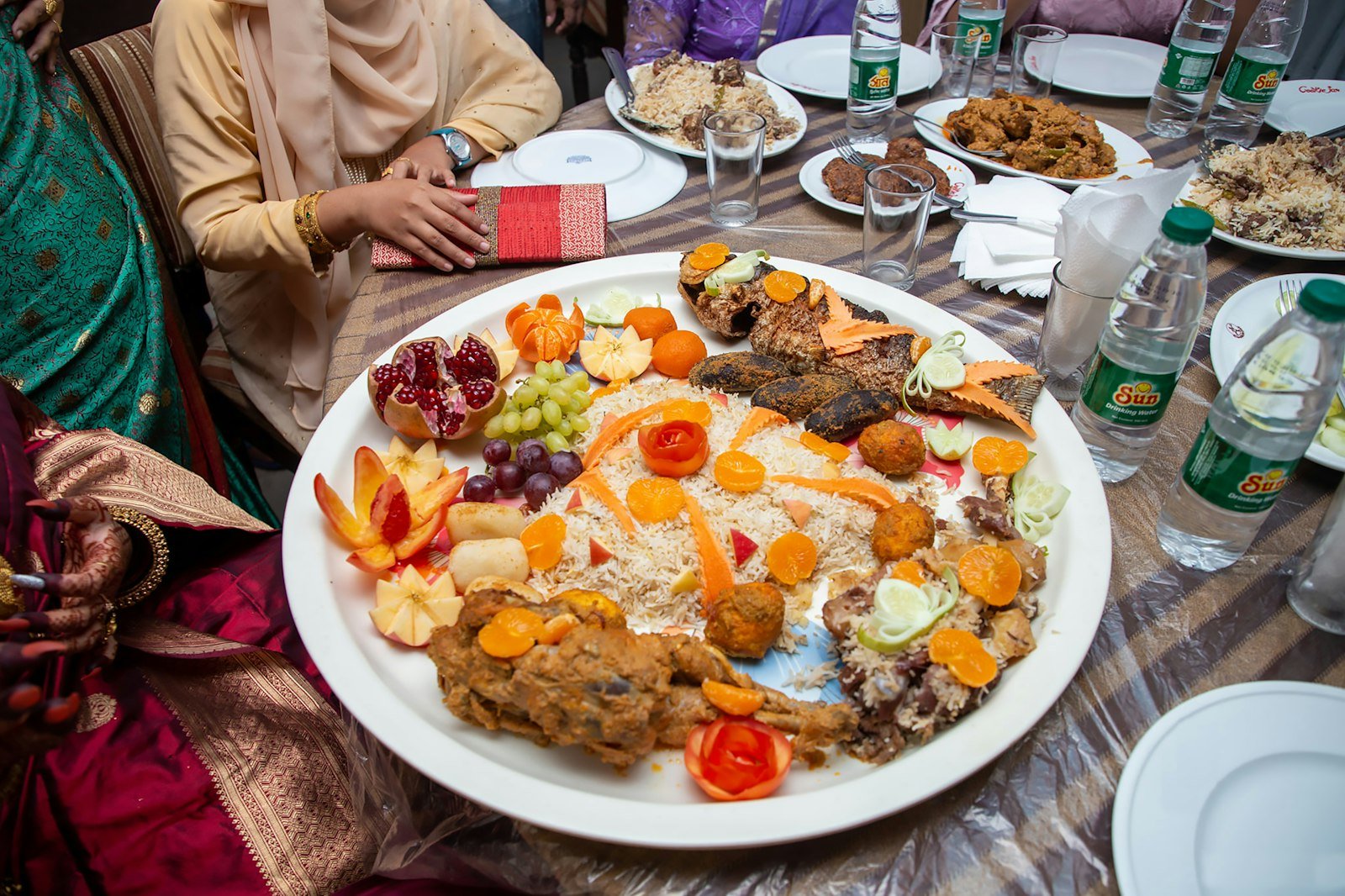
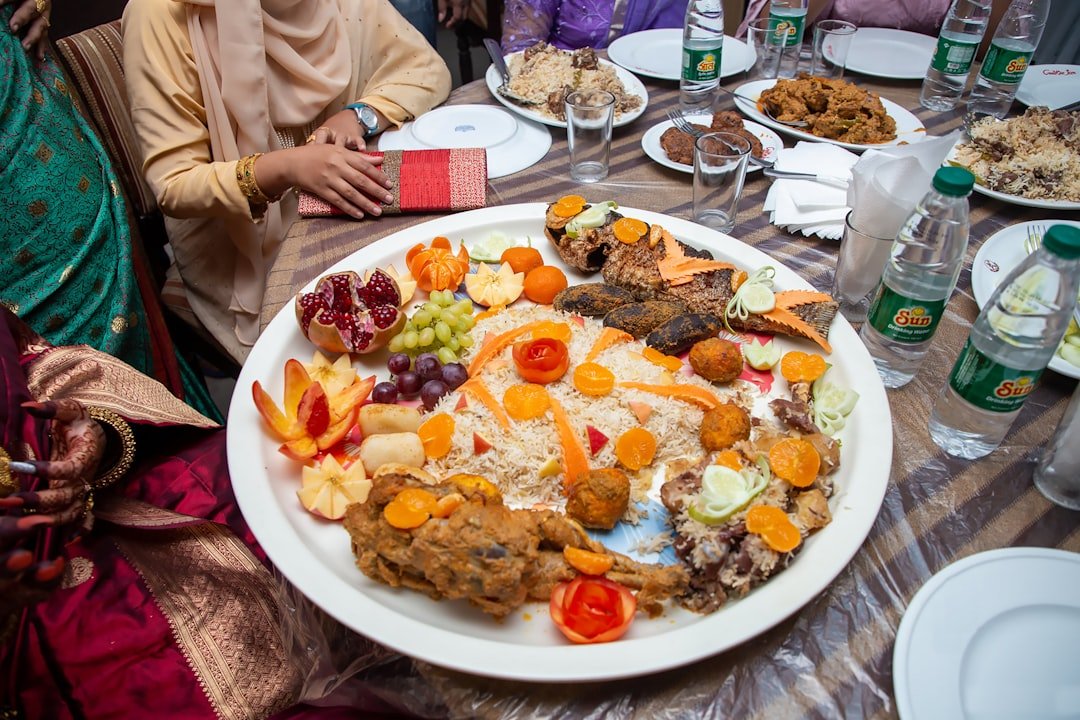
Alongside the grilled meat sits pilau — fragrant rice cooked with a complex blend of spices including cumin, cloves, cardamom, and cinnamon. Pilau is the prestige dish of Kenyan celebrations. The richer and more aromatic the pilau, the more a family demonstrates its commitment to the occasion. Our authentic Swahili pilau recipe shows exactly how this layered dish comes together at home.
Ugali, Kenya’s staple white maize porridge, is always present — a grounding element that anchors the feast and ensures no one leaves hungry. It pairs naturally with nyama choma and stews alike.
Coastal Weddings: Biriani, Swahili Breads, and Ocean Flavours
Along Kenya’s coast — in Mombasa, Malindi, and Lamu — wedding food takes on a distinctly Swahili character. Here, biriani is the undisputed star: a slow-cooked spiced rice and meat dish with Persian and Arab roots, richer and more complex than standard pilau. Families often begin preparing it the night before, layering marinated meat with half-cooked rice, sealing the pot, and allowing the flavours to meld over low heat for hours.
Coastal Kenyan weddings also feature mahamri (sweet coconut doughnuts), mkate wa ufuta (sesame bread), and kashata (coconut brittle) as festive sweets. Coconut milk runs through everything — curries, rice dishes, and desserts all carry the unmistakable coastal signature. Our East African biryani guide captures the essence of this coast-style cooking.
The Supporting Cast: Sides, Salads, and Stews
Beyond the centrepieces, Kenyan wedding tables overflow with supporting dishes that round out the feast:
- Kachumbari: Fresh tomato and onion relish, finely diced and dressed with lemon juice and chilli. Non-negotiable alongside grilled meat.
- Matoke: East African green banana stew, slow-cooked with beef or as a vegetarian option. Common at Western Kenyan and Kikuyu celebrations. Our matoke recipe captures this comforting harusi staple.
- Sukuma wiki: The everyday braised kale that elevates every plate it accompanies.
- Wali wa nazi (coconut rice): At coastal weddings, plain rice gives way to this creamy, slightly sweet preparation.
- Githeri and bean stews: Hearty, protein-rich dishes that feed a crowd generously.
Modern Nairobi weddings increasingly feature pasta, salads, and international canapés at cocktail hours, but traditional dishes always dominate the main spread. The elders at any harusi will tell you: if the pilau is not fragrant and the nyama choma is not tender, the wedding will be remembered for the wrong reasons.
Drinks at Kenyan Weddings
Kenyan wedding drinks range from the traditional to the celebratory. Sodas, fresh fruit juices, and bottled water are always offered. Tusker and other Kenyan beers appear at mixed celebrations, while traditional homebrews are sometimes served at community-based ceremonies in rural areas.
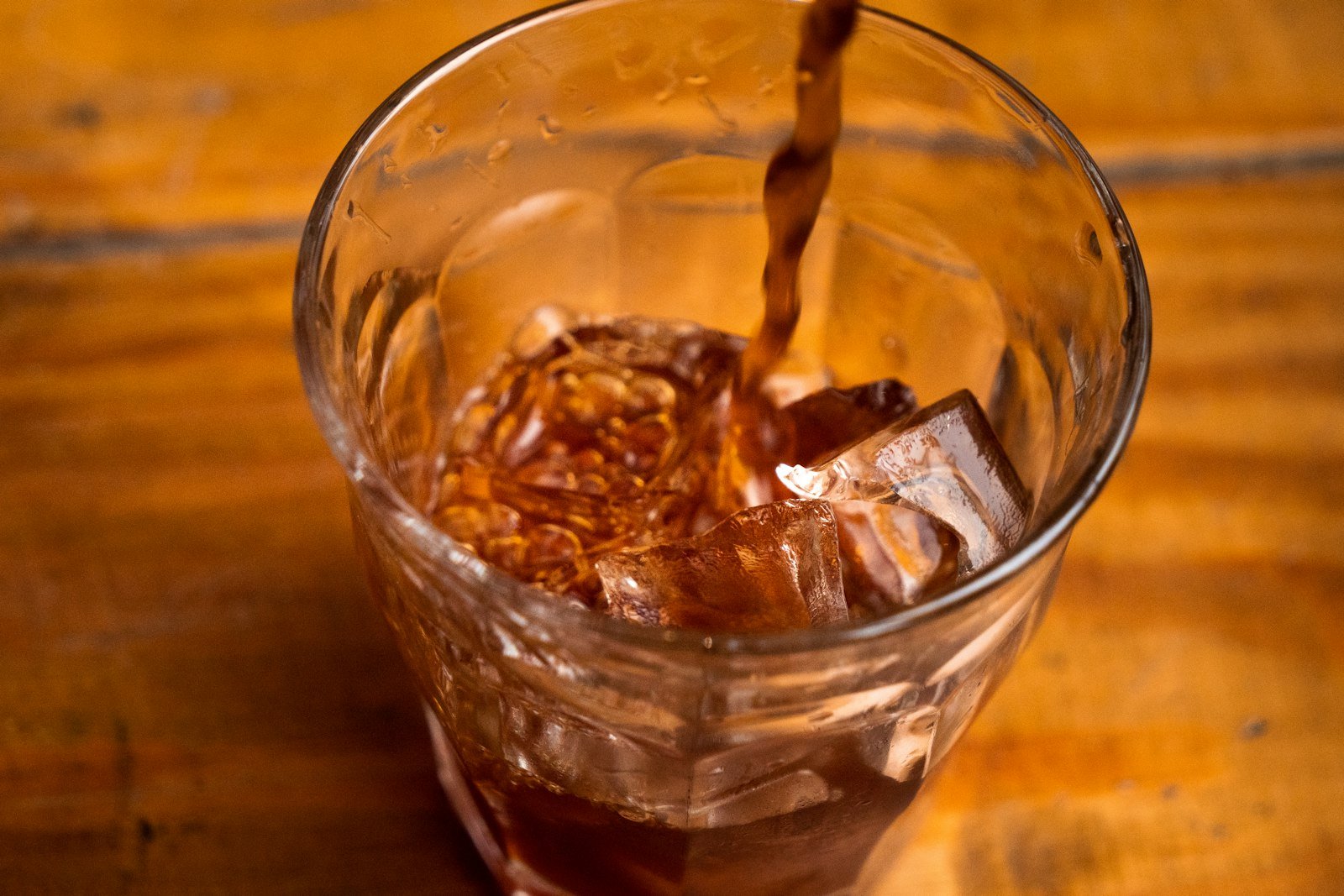
At the end of the meal — and this is non-negotiable — a large pot of Kenyan chai makes its rounds. Strong, milky, spiced with ginger and sometimes cardamom, chai is how Kenyans close any large gathering. Living between Dubai and Nairobi, I can tell you that no cup of chai anywhere in the world quite matches the one served at the end of a harusi feast. Learn how to make authentic Kenyan chai masala to recreate that warmth at home.
How Wedding Food Is Evolving in Modern Kenya
Kenya’s urban wedding culture is shifting. Nairobi’s growing middle class increasingly opts for venue catering, food stations, and fusion menus that blend Kenyan flavours with international cuisine. Live cooking stations for nyama choma and food trucks serving Swahili-inspired bites are becoming fashionable at high-end harusi events in Westlands and Karen.
Yet no matter how modern the setting, families still insist on the essentials. You can have a canapé hour and a tiered wedding cake, but if the pilau is missing, guests will notice — and they will talk about it. Kenyan wedding food is as much about cultural identity as it is about nourishment. According to Kenya Tourism Board, food experiences are among the top reasons visitors cite for loving Kenya — and nothing showcases that richness quite like a traditional harusi spread.
Across communities — Kikuyu, Luo, Luhya, Kalenjin, Swahili, Somali, Kamba, and more — the specific dishes vary, but the spirit is identical: cook with generosity, serve with pride, and make sure every single guest leaves satisfied.
Frequently Asked Questions About Kenyan Wedding Food
What is the most important dish at a Kenyan wedding?
Pilau and nyama choma are the most essential dishes at a Kenyan wedding feast. Pilau signals prestige and effort, while nyama choma represents communal celebration and hospitality. No harusi is considered complete without both.
What does harusi mean in Swahili?
Harusi means wedding in Swahili. It refers to the entire wedding celebration — the ceremony, the feast, the music, and the festivities that follow. It is one of the most important community events in Kenyan culture.
Do Kenyan weddings serve alcohol?
It depends on the community. Christian and non-Muslim weddings typically serve beer, wine, and spirits alongside sodas and juices. Muslim Kenyan weddings are alcohol-free, with fruit juices, mocktails, and soft drinks served instead.
How many people do Kenyan weddings typically feed?
Kenyan weddings tend to be large, community-wide events. Village ceremonies can feed 300 to 1,000 guests. Urban Nairobi weddings typically range from 150 to 500 attendees, though smaller intimate harusi events are becoming more common among younger couples.
A Kenyan harusi is a masterclass in abundance. From the smoky perfume of nyama choma drifting across the compound to the fragrant steam rising from enormous pots of pilau, every dish is a declaration of love and community generosity. If you are lucky enough to receive an invitation, eat heartily — it is the most authentic expression of Kenyan wedding food culture you will ever experience.