The Tiny Pod That Built Kenyan Flavour
Crack open an iliki pod and the air changes. That sweet, smoky-floral perfume is the reason your aunty’s chai tastes like home, the reason a steaming plate of pilau makes the room go quiet, and the reason mahamri walks the line between bread and dessert. In Kenya, cardamom is not an afterthought. It is the spice that quietly does the heavy lifting in our sweetest mornings and our biggest celebrations. Up here in Eldoret, where the mornings stay cool well into October, a kettle of cardamom-laced chai is practically a uniform.
What Iliki Actually Is (and Why Kenyans Love It So Much)
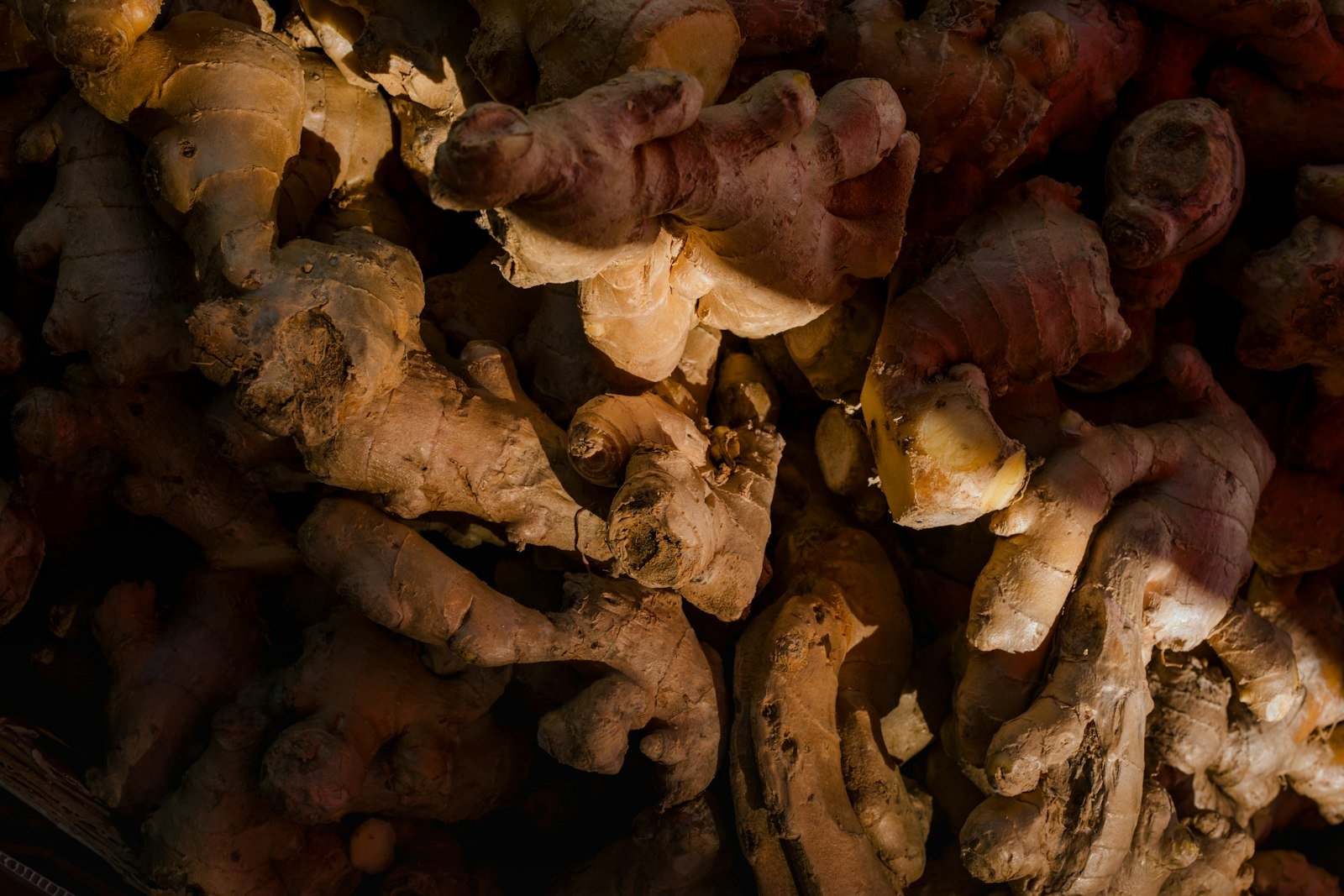
Iliki is the Swahili name for green cardamom, the small triangular pod that grows on a tropical plant in the ginger family. Inside each pod sit tiny black seeds that hold all the flavour. The plant is native to South India and Sri Lanka, and it travelled with Indian Ocean traders to the Swahili coast centuries ago. By the time Indian railway workers arrived in Mombasa in the 1890s, iliki was already a fixture in coastal cooking, ready to meet pilau, biryani and chai halfway. Today it is sold in every Kenyan supermarket, every duka, and every spice stall at City Market.
The flavour profile is hard to pin down: a little citrusy, a little piney, a little minty, with a sweet warmth that lingers on the back of the tongue. It plays beautifully with milk, sugar, butter, lamb, rice and coconut, which is why you find it in dishes that span the whole sweet-savoury spectrum.
Iliki in Kenyan Chai: The Original Wake-Up Call
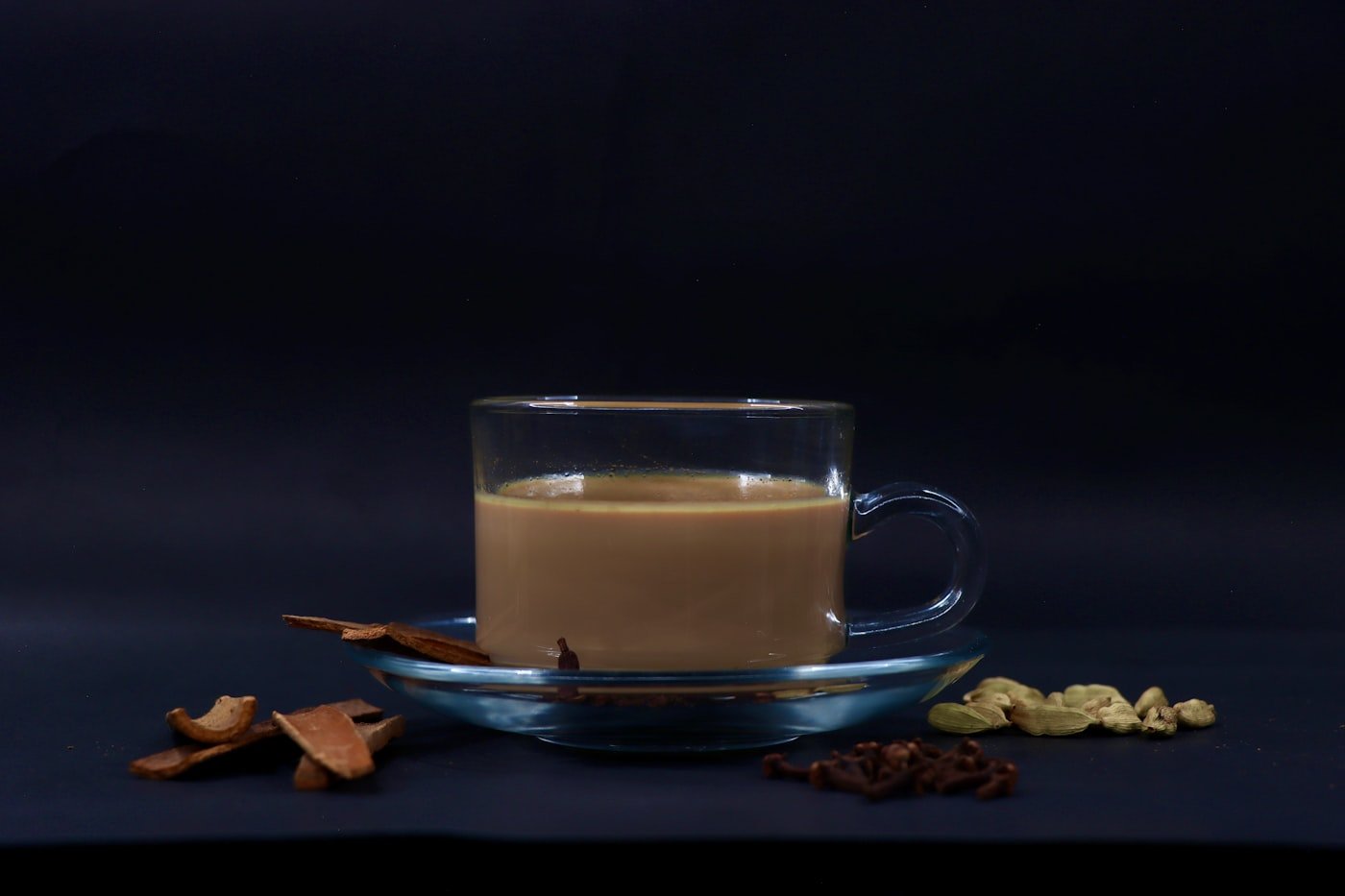
Most Kenyans take their first sip of cardamom before they can even read the word. Chai ya iliki, made by simmering loose black tea, whole milk, sugar and a few crushed iliki pods, is the country’s unofficial breakfast drink. The pod is usually smashed lightly with the back of a knife so the seeds release their oils into the milk as it boils. Some cooks add ginger and a stick of cinnamon for chai masala, but iliki is the non-negotiable.
If you want a deeper dive into the spice blend, see our authentic Kenyan chai masala recipe, where iliki sits at the centre of the blend.
Iliki in Pilau, Biryani and Coastal Rice
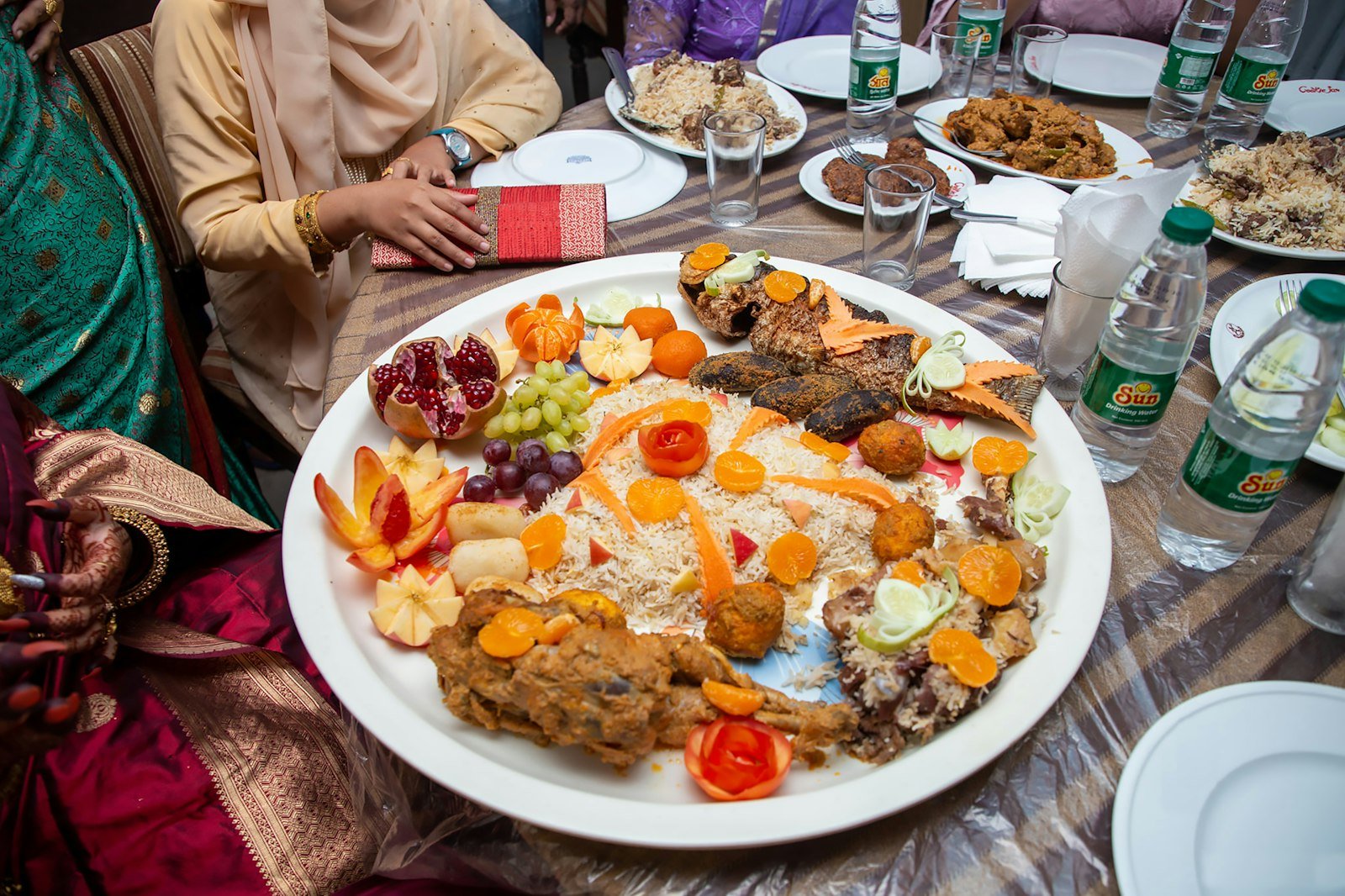
Travel to the coast and iliki gets a different job. In Mombasa and Lamu, whole pods are tossed into hot oil at the start of a pilau, where they bloom alongside cumin, cloves, black pepper and cinnamon. The pods are not meant to be eaten; they are flavour grenades, slowly releasing their oils into the rice as it absorbs the spiced stock. A serious Swahili pilau without iliki is unthinkable. The same logic carries over to biryani, where iliki gives the rice its distinctive almost-perfumed sweetness that pairs with rich meat.
For the full method, our guide to pilau masala walks through how iliki, cloves and cumin work together to build that unmistakable Kenyan rice flavour.
Iliki in Mahamri, Mandazi and Sweet Snacks
Coastal Kenyans found another use for iliki: dough. Crack a few pods, grind the seeds, and fold the powder into a yeasted coconut-milk dough and you get mahamri, the four-cornered triangular bun that Mombasa is famous for. The same trick gives a perfumed twist to Kenyan mandazi, where a small pinch of ground iliki transforms the dough from plain fried bread to something fragrant enough to eat without dipping.
You will also find iliki tucked into kashata (coconut sweets), halua, kahawa chungu (the bitter Swahili coffee served in tiny cups), and even modern Kenyan ice cream shops experimenting with cardamom-honey scoops.
How to Buy, Store and Use Iliki at Home
A few practical notes from a Kenyan kitchen:
- Buy whole pods, not pre-ground powder. Pre-ground iliki loses its punch within weeks. Whole pods stay potent for over a year.
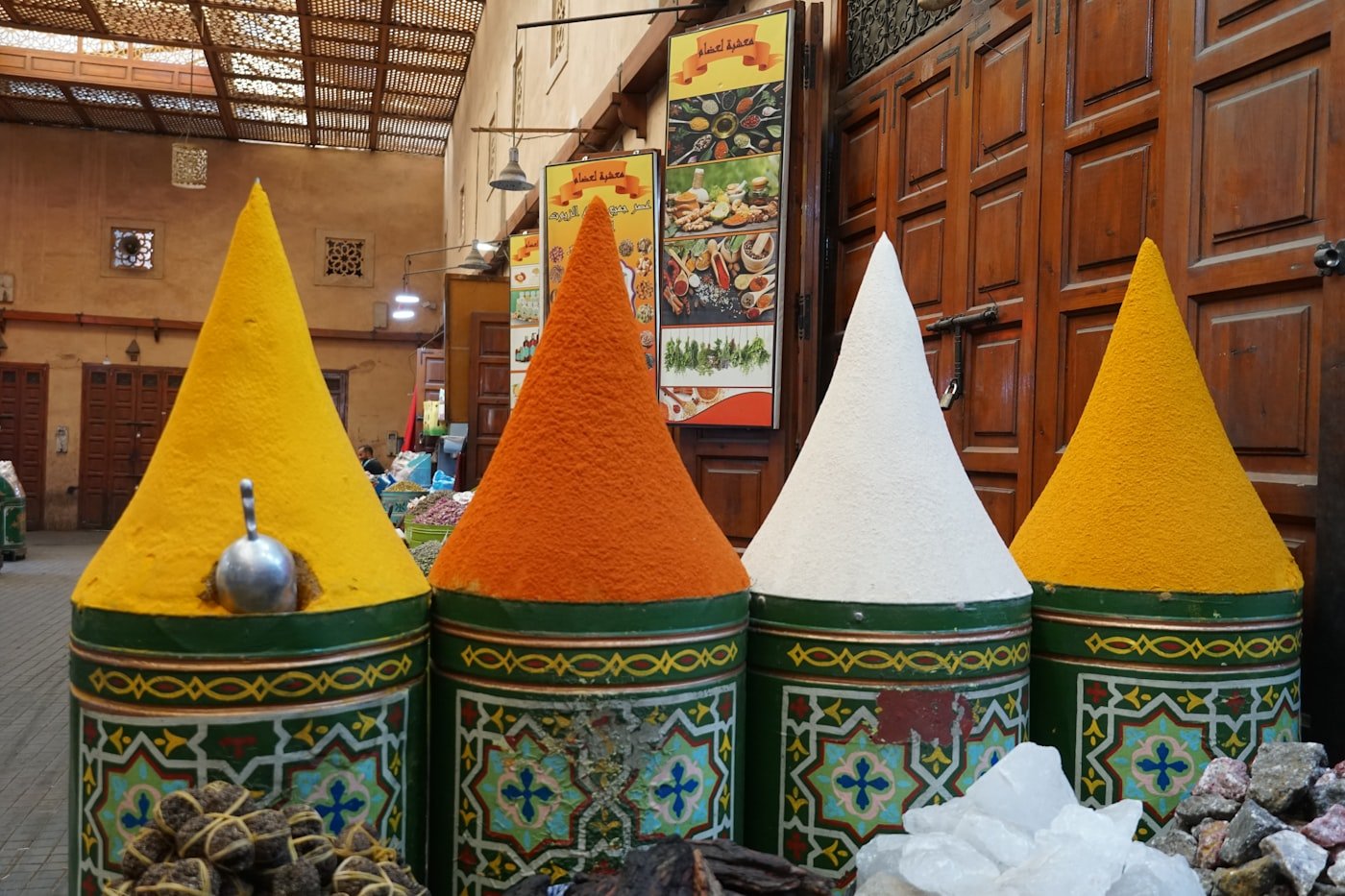
- Look for plump, green pods. Brown, shrivelled pods are old. At spice stalls in Nairobi’s City Market or Mombasa’s Mackinnon Market, ask for “iliki nzima” (whole iliki).
- Crush the pod, not the seed. Use the flat side of a knife to lightly crack the pod open before adding to chai or pilau. For mahamri, remove the seeds and grind only the seeds in a mortar.
- Store in an airtight jar away from heat. Sunlight and humidity kill the oils. A small glass jar in a kitchen cupboard is perfect.
- Use a light hand. Three or four pods are enough to flavour a pot of chai for four people. Iliki is generous; too much makes the food taste soapy.
The Bigger Picture: Iliki as Kenyan Cultural Glue
Most cooks do not think about iliki when they reach for it. They just know that without it, chai feels naked, pilau feels flat, and mahamri lose their soul. That is the highest compliment a spice can earn. According to FAO data on global spice trade, cardamom remains one of the most valuable spices in the world by weight, and Kenya imports a meaningful share of it through Mombasa to keep our kitchens stocked. It is one of those quiet ingredients that connects a Nairobi breakfast table, a Lamu wedding feast, and an Eldoret tea farm in a single fragrant thread.
Frequently Asked Questions About Iliki
Is iliki the same as cardamom?
Yes. Iliki is the Swahili word for green cardamom, the small green pod most commonly used in Kenyan and Indian cooking. Black cardamom, a smokier, larger pod, is rarely used in Kenyan home cooking.
Can I use ground cardamom instead of pods?
For chai or pilau, whole pods are better because they release flavour slowly without overwhelming the dish. For doughs like mahamri or mandazi, ground cardamom from freshly crushed seeds works best.
How many iliki pods should I use in chai?
For four cups of chai, three to four lightly crushed pods are enough. Add them at the start of boiling so the milk has time to absorb the oils. Adjust to taste; some Kenyan families use up to six.
Is iliki good for health?
Cardamom has long been used in East African home remedies for digestion, bad breath and mild colds. It contains antioxidants and essential oils, but it should not replace medical treatment. Treat it as a flavourful daily ritual, not medicine.
The Spice That Quietly Runs the Kenyan Kitchen
From a roadside chai stand in Eldoret to a wedding kitchen in Lamu, iliki is the silent worker behind some of Kenya’s most loved flavours. Buy a small handful of whole pods, keep them sealed, and you will start noticing them everywhere — in your morning chai, your weekend pilau, your Sunday mahamri. That is the magic of a great spice: once you know what it tastes like, you cannot unhear it.