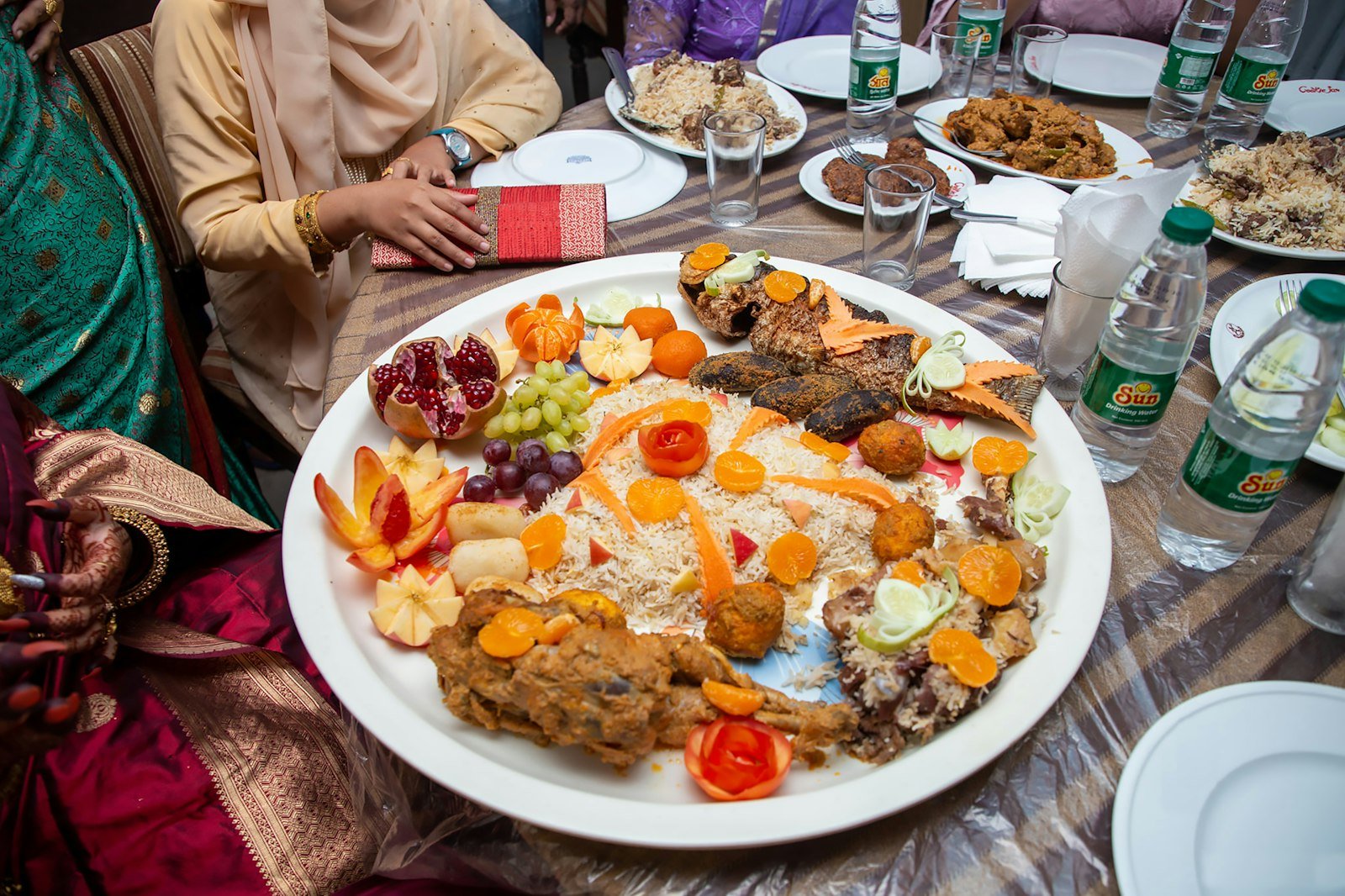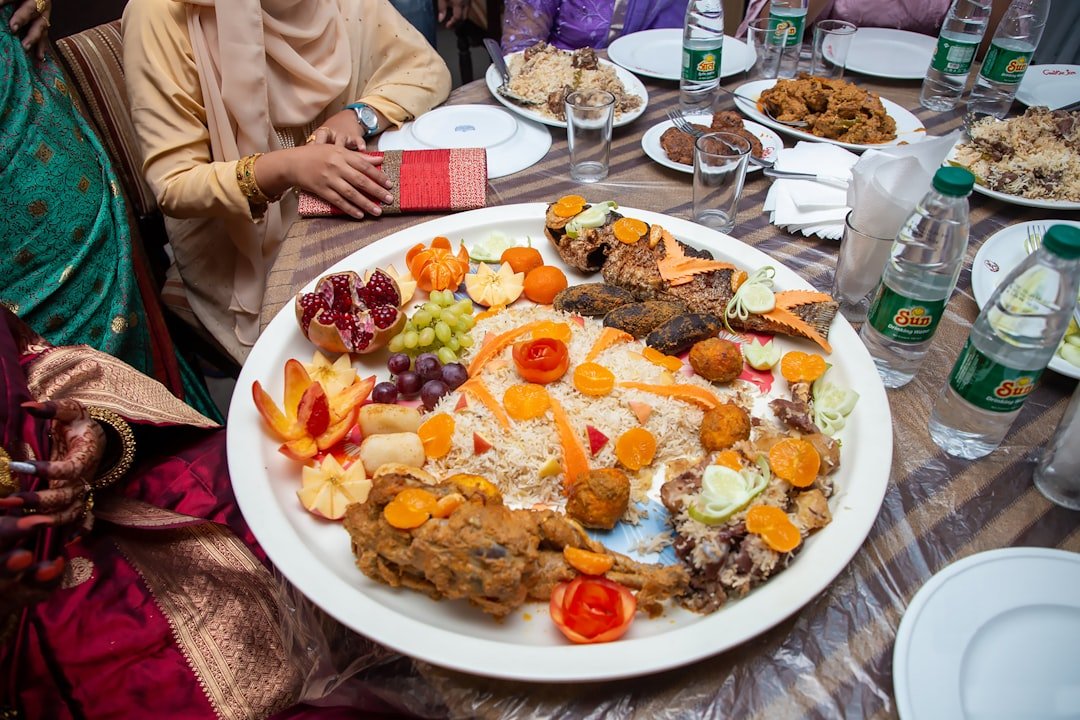
Ramadan kareem. As the crescent moon signals the start of the holy month, Kenya’s Muslim communities — from the bustling streets of Nairobi’s Eastleigh to the ancient stone towns of Mombasa and Lamu — come alive with the sights, sounds, and aromas of kenyan ramadan food. The sharp sizzle of samosas hitting hot oil, the sweet perfume of fresh dates laid out before iftar, and the warmth of a shared meal after a long day of fasting: this is Ramadan in Kenya, and it is something truly special.
Kenya is home to an estimated four to five million Muslims, concentrated largely along the Swahili Coast but present in every major city. Ramadan here is a month-long celebration of culture, faith, and exceptional cooking — and it is one of the best times to discover Kenya’s rich Islamic food heritage.
Breaking the Fast: Iftar Traditions in Kenya
Iftar — the meal that breaks the daily fast at sunset — is the heart of Ramadan food culture in Kenya. When the azaan (call to prayer) rings out from the mosque, families gather around tables laden with food. Whether in a humble home in Mombasa’s Old Town or a community masjid in Nairobi’s South B neighbourhood, the first act is always the same: break the fast with a tende (date) and water, following the Prophet’s tradition.
The communal spirit of kenyan iftar food is unmistakable. Mosques and community organisations set up long communal tables for those who cannot eat at home. Neighbours share food across fences. The month creates a generosity around food that touches everyone — Muslim and non-Muslim alike.
After the dates and a glass of fresh lime juice or coconut water, a light soup (shorba) — often chicken broth with lemon and coriander — settles the stomach before the main spread arrives.
Must-Try Kenyan Ramadan Foods
Samosas and Bhajia
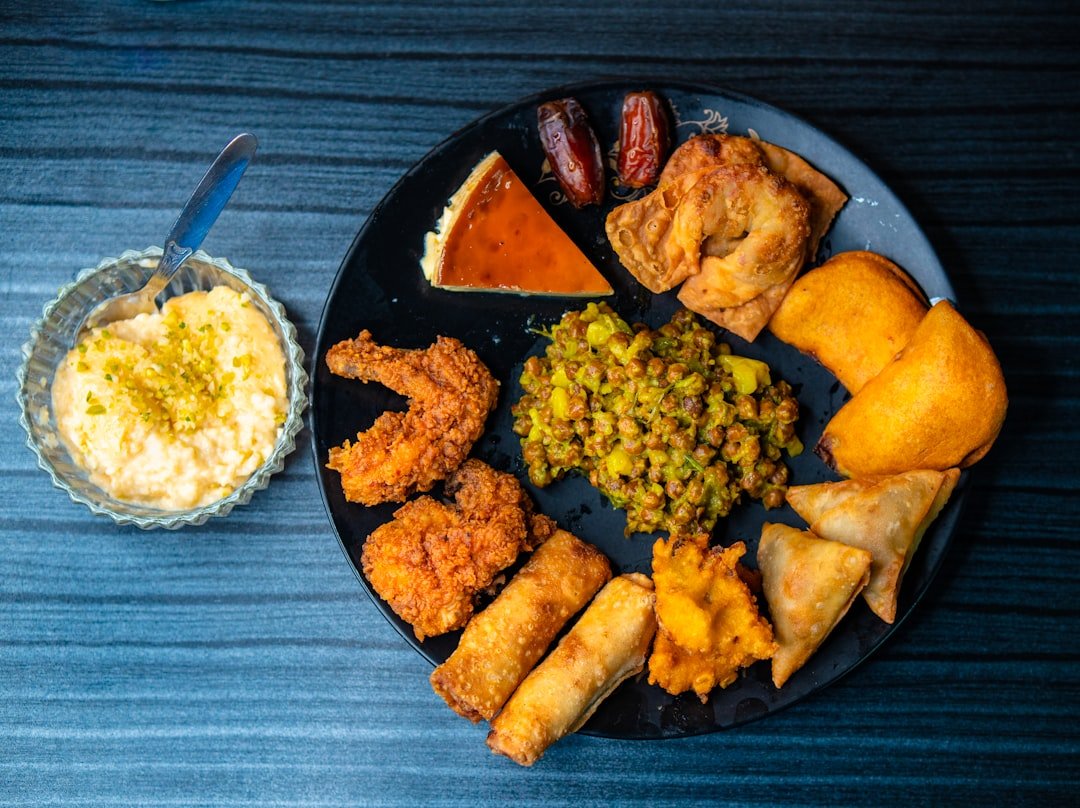
No Kenyan Ramadan table is complete without a mountain of freshly fried samosas. The Kenyan samosa is a triangular pocket of crisp pastry filled with spiced minced beef, onions, and chilli — deeper and more robustly spiced than its South Asian cousin. By four in the afternoon in Eastleigh or Mombasa’s Old Town, the streets fill with the smell of samosas being fried by the hundreds.
Bhajia (also written bajia) are sliced potato fritters coated in a spiced chickpea batter and fried until golden. They are lighter than samosas, perfect for breaking a long fast. Served with tamarind chutney or a fresh tomato and coriander sauce, they disappear from the plate within minutes.
Biriani: The Star of the Kenyan Iftar Table
If there is one dish that defines Kenyan Ramadan cooking, it is biriani. Unlike everyday rice, biriani is reserved for celebration — and Ramadan is biriani season. Mombasa biriani is layered rice cooked with whole spices (cinnamon, cardamom, cloves), marinated goat or chicken, slow-cooked until the meat is tender and the rice is fragrant.
Our Swahili pilau recipe shares the same spice heritage — both dishes trace their roots to the trade routes that connected the Kenyan coast to Arabia, Persia, and the Indian subcontinent centuries ago. In Nairobi’s Eastleigh neighbourhood, biriani restaurants that are closed most of the year open specifically for Ramadan, drawing long queues every evening.
Kaimati and Mahamri
For something sweet at iftar, look no further than kaimati — soft, airy fried dough balls soaked in a cardamom-scented sugar syrup. They are addictive and unmistakably coastal Kenyan. Mahamri (spiced coconut doughnuts) are another coastal favourite, delicious with a cup of kahawa chungu (bitter coffee spiced with cardamom and ginger).
The Coastal Ramadan Table: Mombasa and Lamu
The Swahili Coast — Mombasa, Malindi, Kilifi, and the island of Lamu — has the oldest and deepest Muslim food traditions in Kenya. Arab, Persian, and Indian traders have been visiting this coast for over a thousand years, and their influence is written into every dish. Our Lamu food guide captures much of this remarkable heritage.
During Ramadan, the coastal table expands. Wali wa nazi (coconut rice) takes centre stage — the creamy richness of coconut milk makes it the perfect base for slow-cooked fish curry or mchuzi wa kuku (coconut chicken stew). Our step-by-step wali wa nazi recipe will help you recreate this coastal classic at home.
Along Mombasa’s Old Town food trail, the evenings during Ramadan are particularly magical. Stalls set up outside mosques, vendors sell freshly squeezed juice and sharubati (sweet rose-scented drink), and the sound of Quranic recitation drifts from every open window.
Suhoor: Kenya’s Pre-Dawn Meal
Suhoor is the meal eaten before the Fajr (dawn) prayer marks the start of the fast. In Kenya, suhoor is designed to sustain energy through a long day — it leans towards filling, slow-digesting foods.
Uji wa wimbi (finger millet porridge) is a favourite suhoor staple in many Kenyan households — it is warm, nourishing, and sits well in the stomach throughout the day. Chapati with scrambled eggs and beans is another popular choice, as is a plate of rice and slow-cooked lentils (dengu). On the coast, leftover biriani from iftar is often reheated for suhoor — there is a wisdom to this, as the spiced rice is genuinely sustaining.
Kenyan suhoor almost always ends with a cup of strong, sweet chai ya maziwa — milky tea brewed with cinnamon and cardamom. It is the gentle transition from the quiet darkness before dawn to the first light of another day of fasting.
Frequently Asked Questions About Kenyan Ramadan Food
What is the most popular kenyan ramadan food?
Biriani and samosas are the two most iconic kenyan ramadan foods. Biriani is the centrepiece of the iftar table in most Muslim households, while samosas are the ubiquitous street snack sold outside mosques every evening during the holy month.
Where can I experience Ramadan food in Nairobi?
Eastleigh (nicknamed “Little Mogadishu”) and South B are Nairobi’s best neighbourhoods for Ramadan food culture. During iftar, the streets fill with stalls serving biriani, samosas, bhajia, and fresh juices. Many biriani restaurants that close outside Ramadan open specifically for the month.
What do Kenyan Muslims eat for suhoor?
Common Kenyan suhoor foods include uji wa wimbi (finger millet porridge), chapati with beans or eggs, rice and lentils, and strong milky chai. On the coast, leftover biriani from the previous night’s iftar is a popular reheated suhoor meal.
Is Ramadan food in coastal Kenya different from Nairobi?
Yes. Coastal Ramadan food — in Mombasa, Lamu, and Malindi — reflects the Swahili heritage and features more coconut-based dishes like wali wa nazi, fish curries, and kaimati. Nairobi’s Ramadan food scene is more diverse, mixing Somali, Arab, and South Asian influences.
Ramadan in Kenya is more than a religious observance — it is a season of extraordinary food, unmatched hospitality, and deep cultural pride. Whether you share iftar with a Swahili family on the coast or pick up a warm samosa from a street stall in Eastleigh, you are tasting a food tradition shaped by centuries of trade, faith, and community. Ramadan kareem.