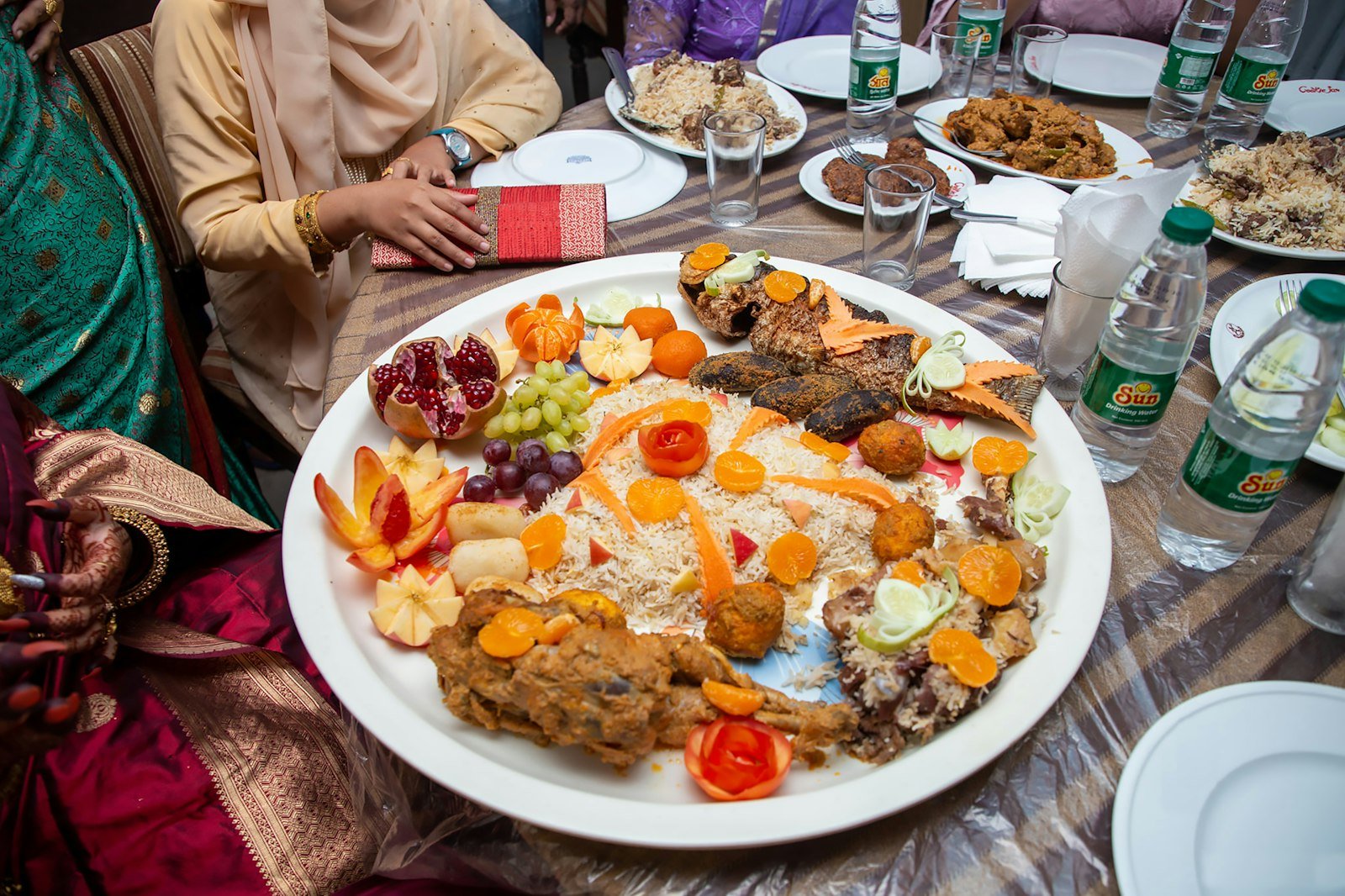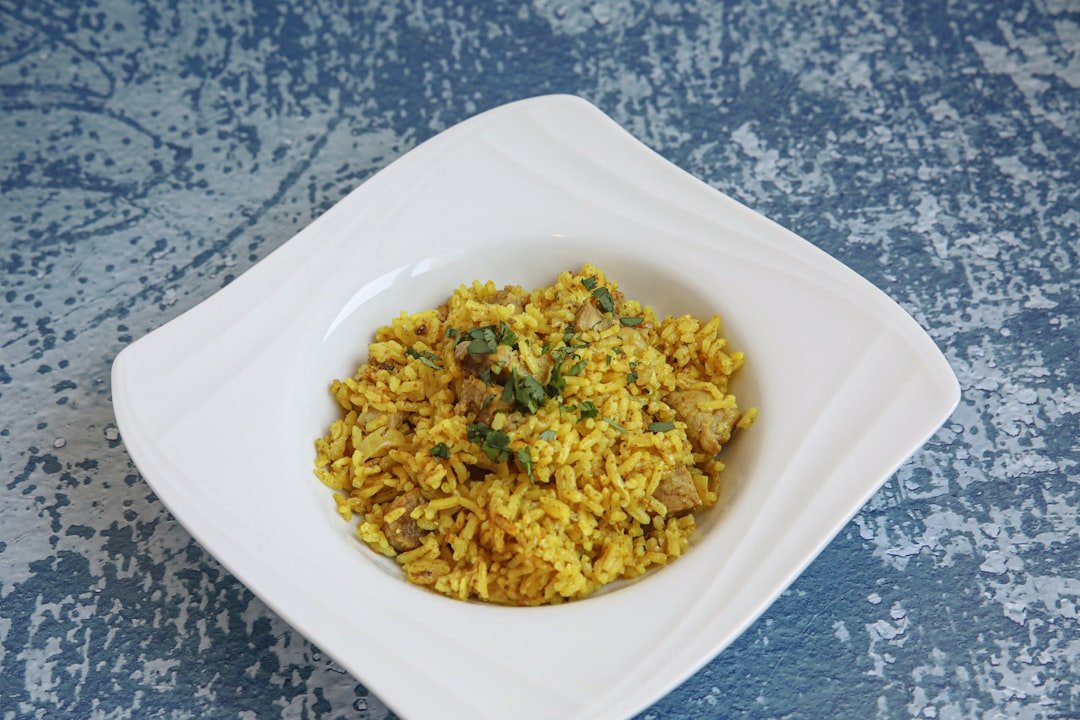
There are certain dishes that transport you the moment you smell them cooking. Wali wa nazi — Kenyan coconut rice — is one of them. The moment coconut milk hits a hot pot, that warm, sweet fragrance fills the kitchen, and suddenly you’re somewhere on the Swahili coast, with the Indian Ocean nearby and a proper feast ahead.
Growing up between Dubai and Nairobi, I’ve eaten wali wa nazi across Kenya’s coast and found versions of it from Mombasa to Malindi to Lamu. Every household has its method, but the soul of the dish is the same: long-grain rice, full-fat coconut milk, a pinch of salt, and patience. Here’s how to cook it the authentic Kenyan way.
What Is Wali wa Nazi?
Wali is the Swahili word for cooked rice, and nazi means coconut. Together, wali wa nazi is rice cooked entirely in coconut milk — simmered low and slow until every grain has absorbed the richness of the coconut. The result is rice that’s subtly sweet, creamy without being heavy, with a slight chew that holds up beautifully beside sauced dishes.
The dish is rooted in centuries-old trade routes connecting Kenya’s coast to Arabia, Persia, and the Indian subcontinent. Coconuts have grown along the Kenyan coast for hundreds of years, and coastal Swahili cooking treats them as fundamental — not just in rice but in stews, breads, and drinks. If you’ve explored the Mombasa Old Town food trail, you’ve likely tasted wali wa nazi without realising how simple it is to make at home.
Wali wa Nazi Ingredients
You only need a handful of ingredients. The quality of your coconut milk makes all the difference.
- 2 cups long-grain rice (basmati or jasmine)
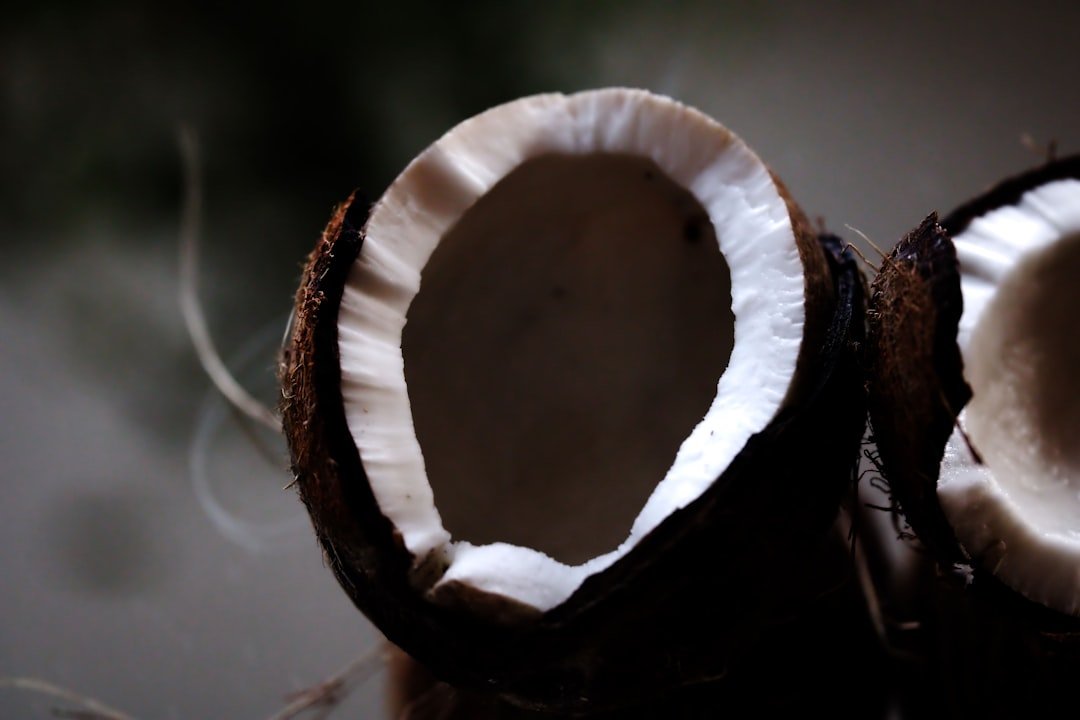
- 1 can (400ml) full-fat coconut milk
- 1½ cups water
- 1 teaspoon salt
- 1 teaspoon sugar (optional)
- 2 cardamom pods, lightly crushed (optional but traditional)
Serves: 4 | Prep time: 5 minutes | Cook time: 25 minutes | Difficulty: Easy
How to Cook Wali wa Nazi: Step-by-Step
- Rinse the rice. Place rice in a bowl, cover with cold water, swirl and drain. Repeat 2–3 times until the water runs mostly clear.
- Combine in the pot. Add rinsed rice, coconut milk, water, salt, and cardamom pods to a medium saucepan. Stir gently.
- Bring to a boil. Place over medium-high heat and bring to a gentle boil, stirring once or twice.
- Reduce and cover. Reduce heat to the lowest setting, cover tightly with a lid, and leave for at least 15 minutes. Do not lift the lid.
- Check and rest. After 15–18 minutes, check if liquid is absorbed. If not, cover and cook 3–5 more minutes. Remove from heat and rest, covered, for 5 minutes.
- Fluff and serve. Remove cardamom pods, fluff the rice gently with a fork, and serve immediately.
Tips for Perfect Wali wa Nazi
- Don’t skip rinsing — excess starch makes the rice gummy rather than fluffy.
- Use full-fat coconut milk — the fat gives wali wa nazi its signature richness.
- Low heat is everything — the rice must steam gently or the bottom burns before the top cooks through.
- Fresh coconut milk squeezed from grated mature coconuts (tui la nazi) gives the most authentic flavour. Tinned coconut milk is a reliable shortcut.
What to Serve with Wali wa Nazi
On the Kenyan coast, wali wa nazi is the base for a full coastal spread:
- Mchuzi wa samaki (coastal fish curry) — the classic pairing. The coconut rice absorbs the stew beautifully.
- Kuku wa kupaka (chicken in coconut sauce) — double the coconut, double the flavour.
- Beef or goat stew — a rich slow-cooked mchuzi pairs perfectly with the mild sweetness.
- Grilled prawns with pilipili — coastal Kenya’s seafood is exceptional alongside this rice.
- Kachumbari — a fresh tomato and onion relish that cuts through the richness. Try the kachumbari recipe here.
For a full coastal feast, start with a plate of Kenyan samosas and finish with a Dawa cocktail.
Regional Variations Across Kenya’s Coast
In Mombasa, wali wa nazi is often cooked with cardamom and sometimes a cinnamon stick for added warmth. In Lamu, cooks add a splash of fresh coconut cream over the cooked rice just before serving — called wali wa tui. In Malindi, many versions keep the spicing minimal, letting the coconut flavour shine on its own.
You’ll also find wali wa nazi served inland at Nairobi’s Swahili restaurants — particularly in Eastleigh and along Mombasa Road. If you enjoy coastal rice dishes, the Swahili pilau recipe is another essential to master.
Frequently Asked Questions
Can I use coconut cream instead of coconut milk for wali wa nazi?
Coconut cream is thicker and richer than coconut milk. Dilute it 1:1 with water to approximate full-fat coconut milk. Using it undiluted makes the rice very heavy and risks burning at the bottom of the pot.
What rice is best for wali wa nazi?
Long-grain rice works best — basmati gives a slightly aromatic result that complements the coconut. Short-grain rice becomes too sticky. Avoid parboiled or instant rice, as the cooking times differ.
Is wali wa nazi gluten-free?
Yes. Rice, coconut milk, salt, and optional spices are all naturally gluten-free and dairy-free.
How do I store leftover wali wa nazi?
Refrigerate in an airtight container for up to 3 days. Reheat with a splash of water over low heat, or microwave with a damp paper towel over the bowl to restore moisture.
A Dish Worth Making Regularly
Wali wa nazi is one of those recipes that becomes a household staple once you’ve made it a few times. It’s forgiving, quick, and the results feel far more impressive than the effort required. Coastal Kenyan cooking has centuries of wisdom behind it, and this simple coconut rice is proof that the best food comes from the simplest combinations. Next time you’re cooking a Kenyan stew or grilling fish, swap the plain rice for wali wa nazi — your guests will notice the difference immediately.