Growing up between Ahmedabad and Nairobi, I have always lived between two great tea cultures. India gave the world masala chai; Kenya gave the world something arguably just as vital — the black tea leaves that fill most of those cups. Kenya is one of the world’s largest tea exporters, yet many Kenyans rarely think of the misty hills of Kericho as a destination or of their daily chai as anything more than morning fuel. This Kenyan tea guide changes that. From the rolling green estates of Kericho to the spiced cup that starts every Kenyan morning, here is everything worth knowing about Kenya’s remarkable tea culture.
Why Kenya Produces Some of the World’s Finest Tea
Kenya’s tea success is no accident. The country’s main growing regions — Kericho, Nandi Hills, Kisii, and Limuru — sit at altitudes between 1,500 and 2,700 metres above sea level. High altitude means cooler temperatures, slower leaf growth, and a denser concentration of flavour compounds in each leaf. The red volcanic soil in the Rift Valley and Central Highlands is rich in minerals, and the reliable rainfall pattern (two rainy seasons per year) means Kenyan tea gardens produce fresh growth almost year-round.
The tea grown here is predominantly processed using the CTC method — Cut, Tear, Curl — which produces small, uniform pellets that brew quickly into a bold, bright liquor. This is the tea prized by blenders in the UK, Pakistan, and Egypt, who use it as the backbone of their commercial blends. Kenya’s black tea has a distinctive briskness and bright orange-red colour that sets it apart from Indian or Chinese teas.
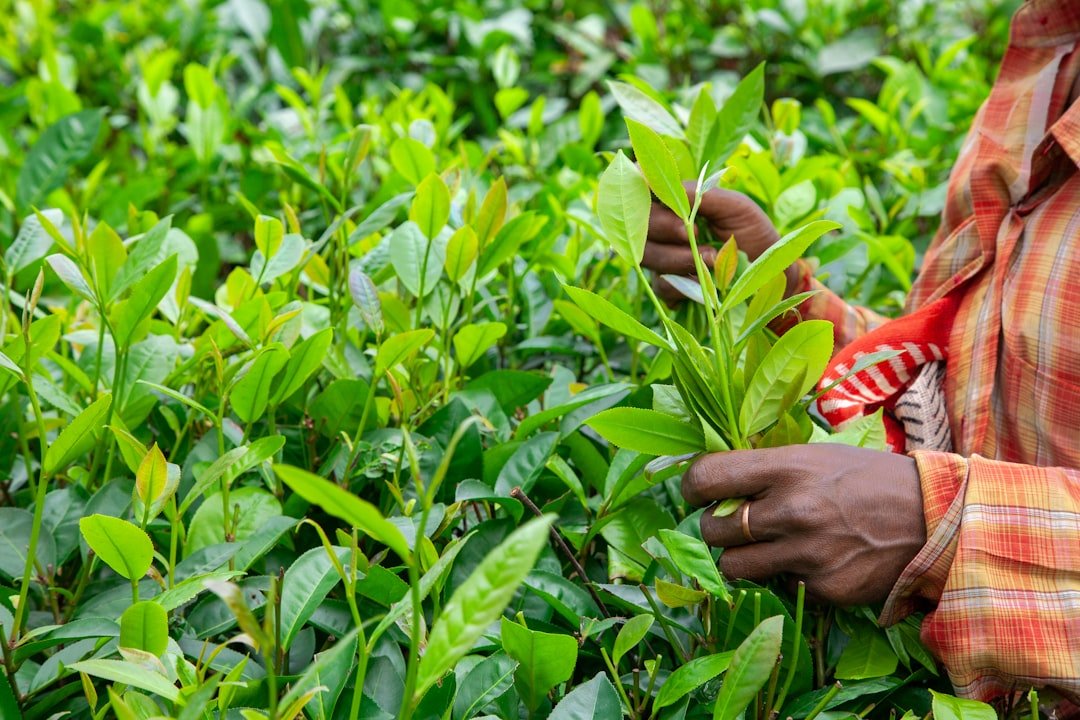
Kenya’s Tea Research Institute (TRI) estimates the country produces over 400,000 metric tonnes of tea annually, with exports valued at over KSh 150 billion per year. Tea is the country’s single largest agricultural export, employing more than 600,000 smallholder farmers alongside large estate operations. It is, quietly, one of Kenya’s most important industries.
Kericho Tea Gardens: Kenya’s Green Gold Heartland
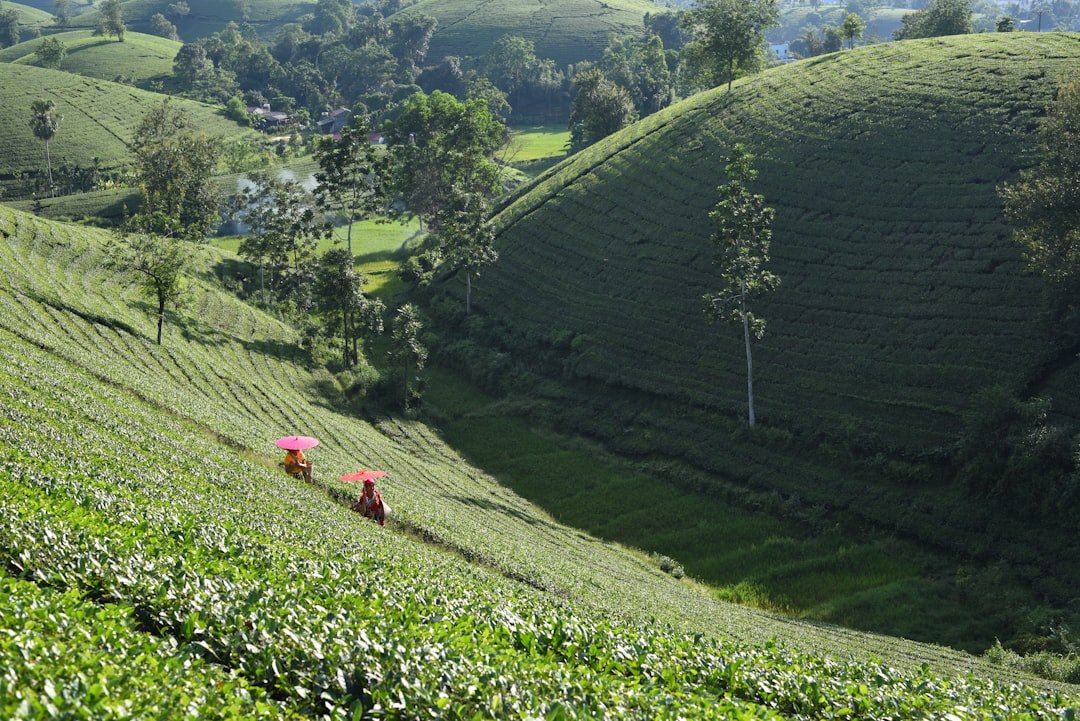
If you drive west from Nairobi towards Kisumu, you pass through Kericho — a town where the air smells faintly green and the hillsides look almost impossibly lush. The Kericho tea gardens are among the most scenic in the world, with endless rows of trimmed tea bushes stretching across rolling terrain under a soft, mist-edged sky.
Tea farming arrived in Kenya during the British colonial period, with the first commercial plantations established in the early 1900s in Limuru. By the 1920s, Kericho had emerged as the heart of large-scale production. Today the region is home to estates managed by global players like Unilever Tea Kenya (which operates under the Lipton and PG Tips brands) and James Finlay Kenya, alongside hundreds of thousands of smallholders supported by the Kenya Tea Development Agency (KTDA).
What makes Kericho special beyond the scenery is the elevation — around 2,100 metres — and the almost-daily afternoon rain that rolls in off Lake Victoria. This combination produces a consistent, high-quality leaf with that characteristic bright liquor Kenyan tea is known for. If you have the chance to visit, the Kenya Tourism Board’s Western Kenya circuit includes tea estate tours that let you walk the rows, meet pickers, and taste fresh-brewed tea in the factory. It is a remarkable experience that reframes your morning cup entirely. Pair the trip with a visit to Kisumu’s vibrant food scene — just an hour’s drive away.
How Kenyans Brew and Drink Tea: The Art of Chai ya Maziwa
Here is something that surprises visitors from tea-drinking cultures elsewhere: in Kenya, tea is almost never brewed plain. The national drink is chai ya maziwa — tea boiled directly with milk, water, and sugar into a rich, creamy, sweet brew. This is not an infusion you make separately and then add milk to. The leaves (or bags) go directly into the pot with water and full-cream milk from the start, everything boiled together until the colour deepens to a warm caramel-brown.
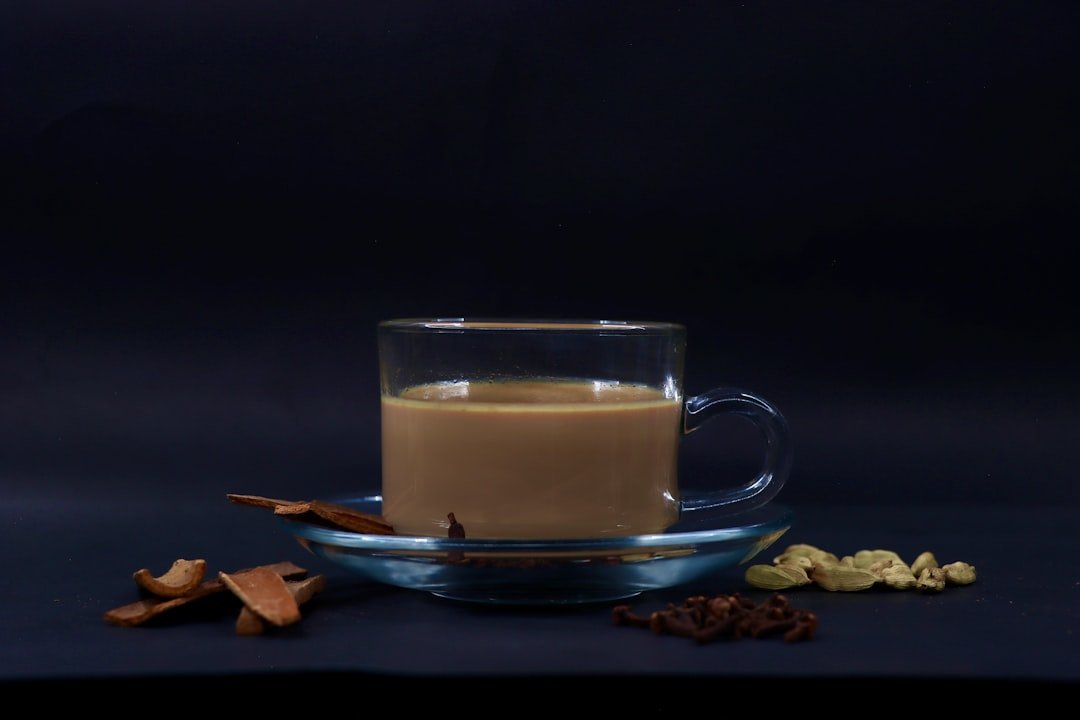
Coming from Ahmedabad where we do something similar with masala chai, I find the comparison fascinating. Both traditions emerged partly from the same colonial trade routes and partly from a practical preference for a drink that is both warming and filling — a meal in a cup on a cold highland morning. The difference is that Kenyan chai tends to be simpler in its spicing. Where Indian masala chai layers cardamom, cloves, ginger, black pepper, and cinnamon all at once, Kenyan chai is often made with just fresh ginger and perhaps a pinch of cardamom (iliki). The focus is on the tea itself — its brightness and briskness — rather than aromatics.
Spiced varieties are popular, particularly in homes and roadside stalls (vijiwe vya chai) across Nairobi. You’ll find strong ginger chai at markets, airports, and office canteens. The authentic Kenyan chai masala blend is a spice mix that every household adjusts to taste. For a look at Kenya’s broader hot drink culture, our Kenyan coffee guide shows how tea and coffee coexist in a country that produces both at world-class level.
Kenyan Tea Brands Worth Knowing
Walk into any Kenyan supermarket and you’ll find shelves lined with tea options. The dominant player is Ketepa Pride — Kenya Tea Packers, a government-backed cooperative that packages tea from KTDA smallholders and distributes widely across East Africa. It is affordable, reliable, and brews into that classic bold Kenyan cup.
For a step up, look for Kericho Gold, which sources single-origin teas from Kericho estates and offers both standard CTC grades and more refined loose-leaf options. Their packaging leans proudly into the Kericho identity — rolling hills, green imagery — and the quality consistently reflects it. Jambo Tea and Safari Tea are other household names, sold in the ubiquitous tea bags that end up in every office, hotel, and guesthouse across the country.
For the more curious palate, a visit to any branch of Nairobi’s specialty food stores or the artisan stalls at Westgate and Village Market will turn up premium loose-leaf Kenyan teas in various grades — from the fine dust of everyday chai to the larger whole-leaf orthodox teas more common in export markets. If you want to understand what Kenyan tea actually tastes like when brewed black and without milk, try an orthodox grade from Limuru or a First Flush from the highlands. It is floral, bright, and distinctly different from anything that comes in a supermarket box.
Frequently Asked Questions About Kenyan Tea
What is Kenyan tea known for?
Kenyan tea is known for its bold, bright liquor, high briskness, and vivid orange-red colour. It is primarily CTC-processed black tea, prized globally as a blending base for its consistency and strong flavour. Kenya is one of the world’s top three tea exporters by volume.
Is Kenyan tea the same as Indian chai?
They share a preparation style — both are often boiled with milk — but differ in spicing and leaf origin. Kenyan chai uses local black tea (usually CTC) brewed with milk, sugar, and light spices like ginger. Indian masala chai typically uses a heavier spice blend including cardamom, cloves, and black pepper.
Which is the best Kenyan tea brand to buy?
Kericho Gold is widely regarded as the premium everyday choice, offering consistent quality from Kericho estates. Ketepa Pride is the best value option. For specialty or loose-leaf tea, look for single-origin Kenyan teas from Limuru or Nandi Hills at specialty food shops.
Can I visit tea estates in Kenya?
Yes. The Kericho region is the most accessible for tea estate visits. Several estates offer guided tours where you can walk the rows, see the picking process, and visit the processing factory. Some lodges in Kericho are built within or adjacent to working tea estates and include tours as part of the stay.
Kenya’s tea story is one of the world’s great agricultural achievements — a crop introduced by colonisers that Kenyans have made entirely their own, from the smallholder farming cooperatives of KTDA to the spiced morning cup that no Kenyan day begins without. Whether you are planning a visit to the Kericho highlands or simply brewing a better morning chai at home, knowing where that cup comes from makes every sip a little richer. Pair your chai with some freshly made mandazi or a hearty githeri — the classic Kenyan breakfast pairing.