
Authentic Swahili Pilau Recipe: Step-by-Step Guide to Master Aromas
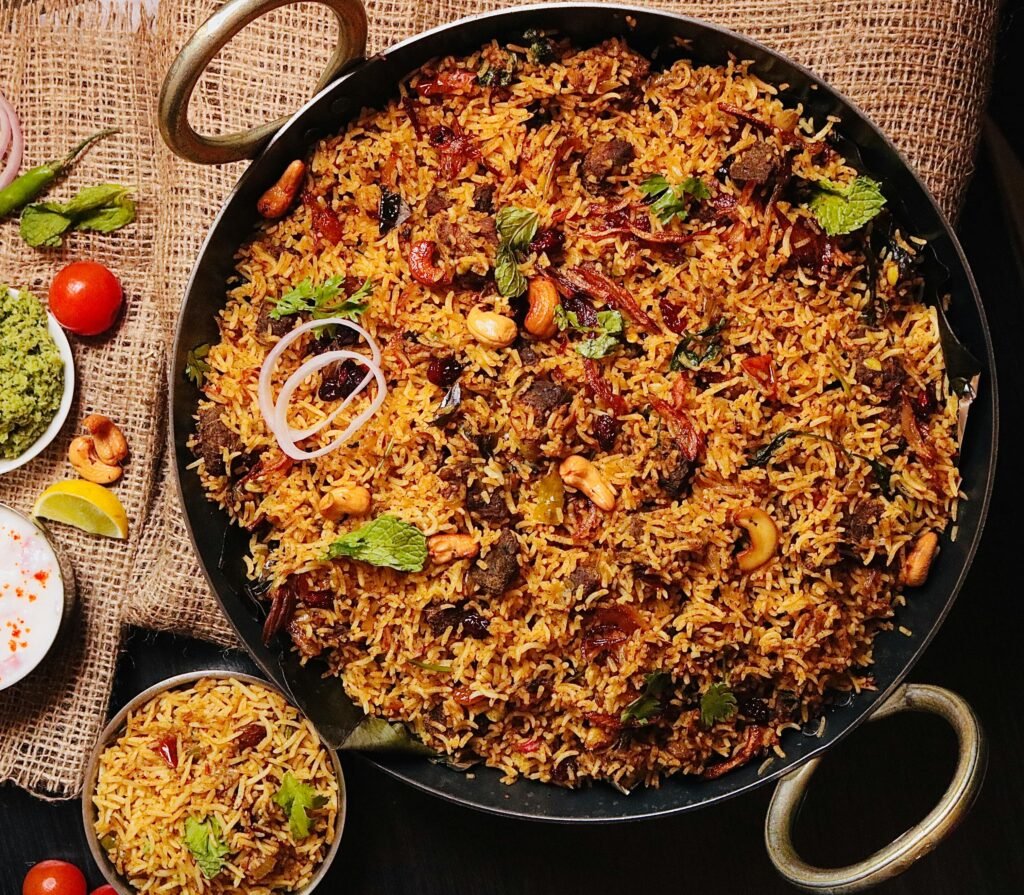
Few dishes capture the essence of Kenyan food quite like pilau does. Born along the Kenyan coast, pilau is rice and so much more – a celebratory dish made with aromatic spices, rich stocks, and centuries of Swahili cooking tradition. Popularly served at weddings, Eid festivals, or family gatherings. In this simple Swahili pilau recipe, we give you a step-by-step instruction through the process of preparing it and how to enjoy those wonderful aromas every time. So what makes Swahili pialu special? Unlike most rice dishes, pilau is prepared in spiced broth with distinct flavors from whole spices like cardamom pods, cinnamon sticks, cloves, cumin seeds, and black pepper corns. These spices are toasted before the rice and broth are added to give that deep, rich flavor. Typical ingredients used are either beef, goat meat or chicken but vegetarian substitutes are also much likeable. Ingredients Spices (the heart of pilau) 2 cinnamon sticks 6 cloves 6 cardamom pods 1 tablespoon cumin seeds 1 tbsp black peppercorns 1 bay leaf Main ingredients 2 cups long-grain basmati rice (rinsed and soaked for 30 minutes) 500g beef or goat 2 large onions (finely sliced) 3 tomatoes 2 garlics (crushed) 1 tablespoon of fresh ginger, grated 1-2 green chilies (optional for heat) 4 cups of beef or goat broth 3 tablespoons of cooking oil Salt, to taste Instructions Prepare the meat – Boil beef or goat until tender, reserving the broth for use while cooking rice. If using chicken, marinate in garlic and ginger instead of boiling. Toast the spices – Heat the oil or ghee in a heavy pan. Put in cumin, black pepper, cardamom, cloves, cinnamon, and bay leaf. Toast for 30-60 seconds for flavor. This releases their essential oils and prepares the basis of pilau’s unique aroma. Caramelize the onions – Add chopped onions in pan. Heat over medium heat until golden brown and caramelized. This is a crucial step – the onions give pilau its undertone and rich color. Construct the base – Add garlic, ginger, and chilies. Add tomatoes and simmer till the mixture thickens into a paste. This masala base gives a layer of flavour in each spoonful. Add the meat – Add your cooked beef or goat. Let it soak up the spices and tomato base for 5-10 minutes. Use chicken if preferred, and cook till lightly browned. Add rice and broth – Drain the rice which has been soaked and add to the pot. Stir gently to absorb the spice mixture. Add hot broth (two volumes of rice). Add salt to taste. Cook the rice – High heat, cook the rice until it comes to a boil. Lower the heat to low, cover with foil or a lid tightly and let it simmer for 20-25 minutes. Don’t stir – it gives fluffed out, separate grains. Rest and serve – lower the heat and let it rest for 10 minutes. Garnish with fresh coriander and serve hot with chutney or kachumbari (tomato-onion salad) Tips for perfect Swahili pilau Use basmati rice – Long grain and fragrance are best suited for pilau Caramelize. Don’t burn – Onions need to be golden, not blackened Let it rest – Let pilau rest before serving to allow proper absorption of flavours Customize – Experiment by adding potatoes, coconut milk or vegetable stock to add variety What makes pilau a favourite in Kenya? Cultural symbol: pilau is a staple in weddings, holidays, and festivals Shared experience: Always prepared in large pots for family and friends Versatility: Served with kachumbari, stews, or yoghurt-based accompaniments Conclusion Preparation of Swahili pilau the way it’s meant to be is a rewarding experience – each spice, each simmer, each whiff of the scent whisks you away to the Kenyan coast. Following this step-by-step guide, its easier to prepare it and achieve the fragrant flavors at home. Bring the unforgettable aroma of Swahili pilau recipe to your table.
Simple Chapati Recipe
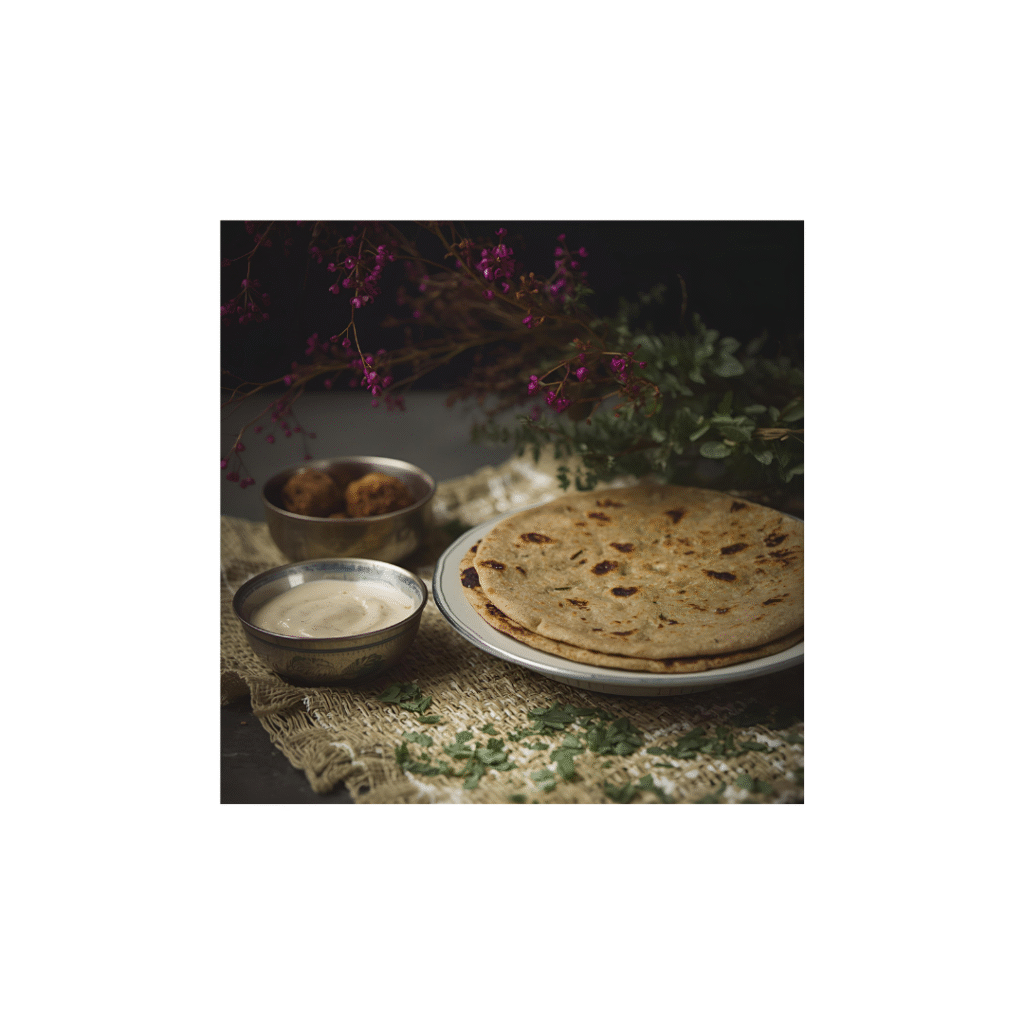
Why is chapati special? Kenyan chapati is a staple across all of East Africa. Commonly served as a side dish or accompanied by a steaming cup of chai. The right tips makes it easy to prepare at home especially when most people believe it’s too complicated. Compared to other flat breads like roti and paratha, chapati’s golden layers and slight chewiness makes it unique. It is popularly served in celebrations like weddings, festive seasons like Christmas or during family gatherings. By the end of this blog, you’ll be able to make chapati that is soft and rich in taste. Ingredients For 8 chapatis you’ll need: 3 cups of all-purpose wheat flour (sifted) 1 cup warm water (adjust when needed) 2 tablespoon vegetable oil (for dough) 1 tablespoon of salt Extra flour (to dust) Extra oil (to cook) Instructions Make the dough – in a large bowl mix the flour, salt, and oil. Add warm little by little while kneading the dough. Make sure the dough is soft and not sticky (takes about 10 minutes). After kneading, cover the bowl with a cloth and let it rest for at least 30 minutes as this helps gluten develop and make chapati soft. Divide and roll out – after resting, roll out the dough and divide it into equal balls (about the size of a golf ball). Lightly flour your surface. Roll each ball into thin round disc. Pan fry the chapatis – heat a non-stick pan on medium heat. Place the rolled dough on the hot pan. Brush a little oil and cook till golden brown on both sides. Keep repeating with the remaining dough. Pro tips for soft, fluffy chapati · Use warm water in kneading the dough – it will make chapati softer · Rest the dough for minimum 30 minutes · Don’t over roll. Chapati should be thin but not paper thin; too thin and they dry out · Medium heat is crucial. High heat burns chapati before they cook inside · Brush with oil after flipping. This keeps the chapati moist and releases flavor. Chapati is a versatile meal – have it with chicken, beef or vegetable stew, beans, or ndengu (green grams), or a cup of Kenyan Chai. This makes chapatti fulfilling, flavorful and an affordable meal for any time. Conclusion Making chapati doesn’t need to be complicated. With the right ingredients, and a few tips makes it simple to understand in order to prepare a soft and fluffy chapati. You can make it the traditional way or try out different techniques like coconut or stuffed chapati in the comfort of your home. From this simple tips, you’ll understand why it’s a favorite across East Africa. Roll up your sleeves and make your own chapati from scratch.
Biryani Recipe: Layers of Spice & Flavor
The Magic of Biryani Biryani is the heart of Kenyan coastal cuisine. Inherent in a mixture of Arabic, South Asian and East African influences, it is as much about the technique as it is about taste. Learn about spices, and layering that keeps the tradition alive – this is a celebration of culture, aromas and taste. In this blog we’ll walk through an authentic biryani recipe, uncovering the secrets behind its unforgettable taste and tips to help your dish. What makes Biryani special Biryani is identified in its layers: • Tasteful meat (chicken, beef, lamb, goat) • Aromatic rice is cooked in seasoned stock • Aromatic spices like cardamom, cinnamon and cloves • Garnishes of caramelized onions, fresh coriander and fried potatoes These elements combine to make a dish that is visually stunning, richly aromatic and deeply satisfying. Ingredients For the meat marinade 1kg chicken, beef, or goat (cut into medium chunks) 2 large onions (sliced thin) 4 cloves garlic (crushed) 2-inch piece ginger (grated) 2 tsp garam masala 1 tsp of cumin powder 1 tsp coriander powder 1 tsp turmeric 1 tsp chili powder (optional, for heat) Juice of 1 lemon 3 tbsp cooking oil Salt to taste For the rice 3 cups basmati rice 5 cups of water (or stocked from boiled meat if suing beef/goat) 2 cardamom pods 1 cinnamon stick 3 cloves 1 bay leaf A pinch of saffron (1 teaspoon of turmeric for color) Salt to taste Garnishes Fried onions (golden brown, crispy) Fresh coriander leaves Fried potatoes (optional but traditional in Swahili Biryani) Step-by-step instructions Marinate the meat- Add garlic, lemon juice, ginger and spices in a bowl. Coat the meat well and refrigerate for at least 2 hours for deep flavor. Cook the meat- Heat oil in a large sufuria (cooking pot). Add sliced onions and fry until golden brown. Add marinated meat and cook until tender, stirring occasionally. If using beef or goat, boil with a little water until the meat is soft. Prepare rice – Wash basmati rice until water becomes clear to remove excess starch. Boil water (or stock) adding full spices and salt. Cook rice until its 70% done- firm but not mushy. Drain excess water. Layer the biryani- In a heavy bottomed pot, start layering: A thin layer of rice A layer of cooked meat Repeat until all ingredients are used. Sprinkle saffron-infused milk or turmeric water over the top layer rice for color Dum cooking (steaming) – Cover the pot tightly (sealed with foil). Cook on low heat for 20-25 minutes, allowing taste to infuse and rice to finish cooking. Garnish and serve- Top with fried onions, fresh coriander and optional fried potatoes. Serve hot with kachumbari, and a side of spicy chutney. Tips for Perfect Biryani Rice texture: Always parboil rice; Overcooked rice before layering will ruin the dish Meat choice: Chicken cooks faster, while goats and beef develop deeper flavor Spice Balance: Toast Spices to release oil lightly and intensify the aroma Dum method: Low heat is key- too high and the bottom will burn, too low and the rice won’t steam properly Unlike quick one-pot rice dishes, this method preserves the layered character that makes biryani luxurious and festive. It is a dish to impress guests, mark special occasions or simply enjoy a delicious food at home. Mastering biryani brings the heart of Kenya’s Swahili coast directly to your table.
Dengu Recipe: How to Cook Kenya’s Favourite Green Lentil Stew

Learn how to cook authentic Kenyan dengu — a hearty green lentil stew with tomatoes, garlic and warm spices. Ready in under an hour. Serve with ugali or chapati.
Kenyan Chapati Recipe: Soft, Layered & Perfectly Flaky
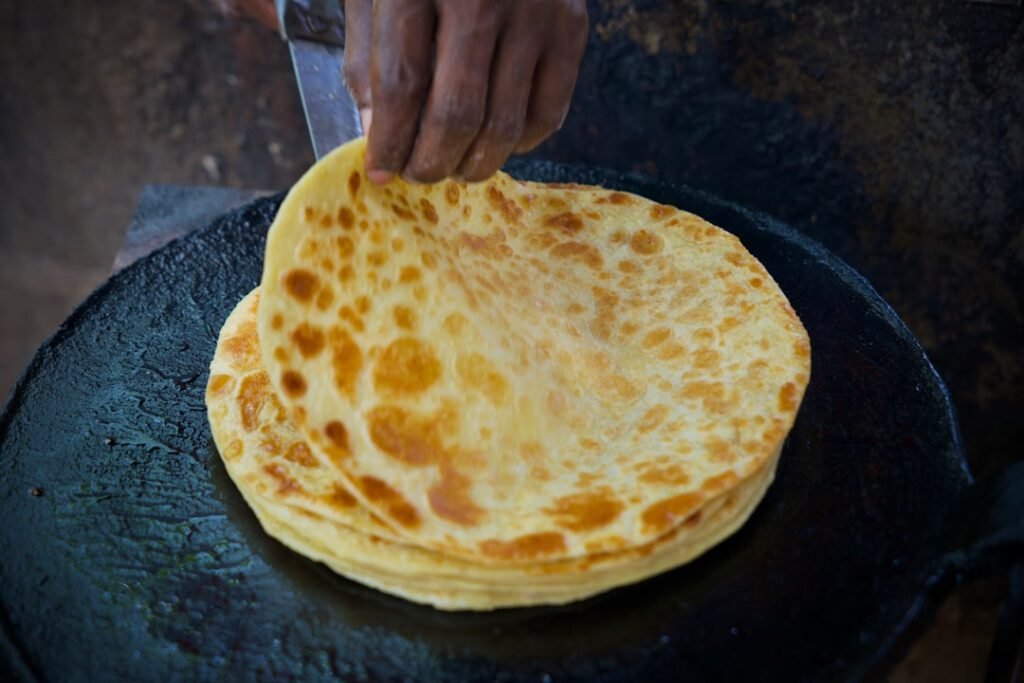
Master the authentic Kenyan chapati recipe with our step-by-step guide. Achieve soft, layered flatbread using simple ingredients every time.
Wali wa Nazi Recipe: Authentic Kenyan Coconut Rice
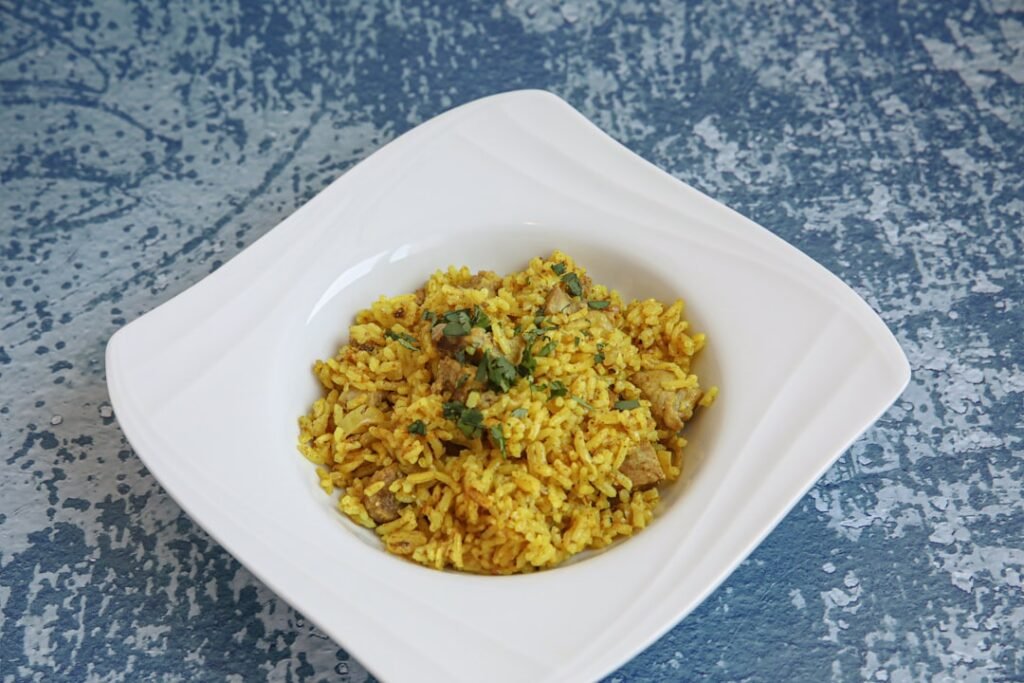
Learn how to cook wali wa nazi, Kenya’s beloved Swahili coconut rice. Fragrant, creamy, and ready in 30 minutes — the coastal classic made easy.
Authentic Kenyan Samosa Recipe: Crispy, Spiced Perfection

Learn the authentic Kenyan samosa recipe – crispy golden pastry stuffed with spiced minced beef filling, a beloved Kenyan street food and teatime snack.
Authentic Kenyan Samosa Recipe: Crispy, Spiced Perfection
Learn the authentic Kenyan samosa recipe – crispy golden pastry stuffed with spiced minced beef filling, a beloved Kenyan street food and teatime snack.
Matoke Recipe: How to Cook East African Green Banana Stew
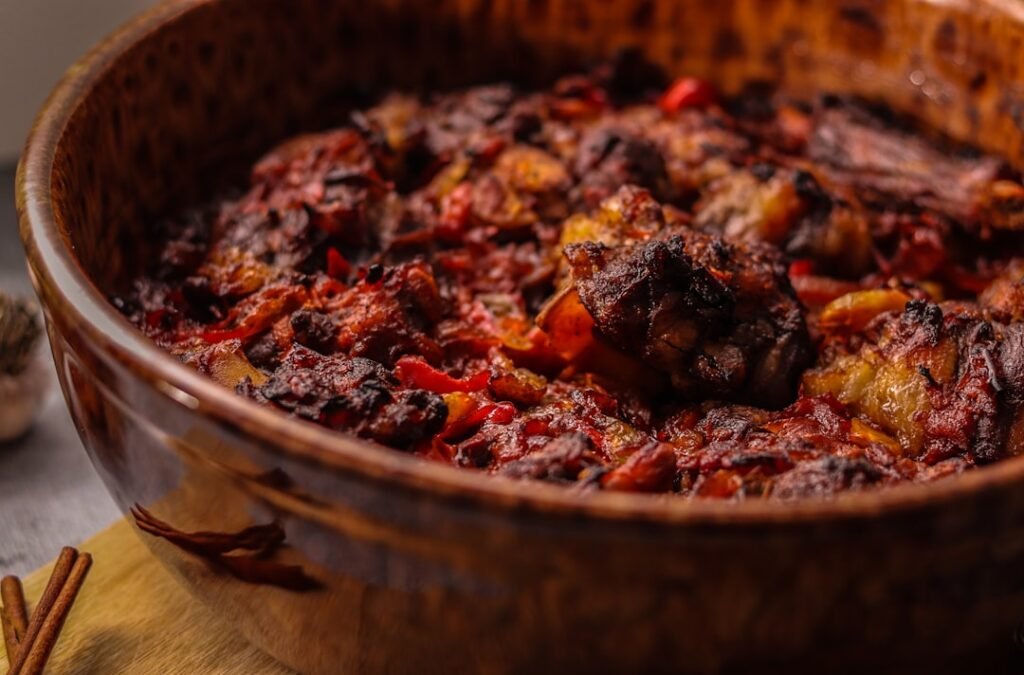
Learn how to make authentic matoke — East Africa’s green banana stew. This easy Kenyan recipe is ready in under an hour: tender, spiced, and comforting.
Authentic Mukimo Recipe: Kenya’s Comforting Mashed Potato Classic
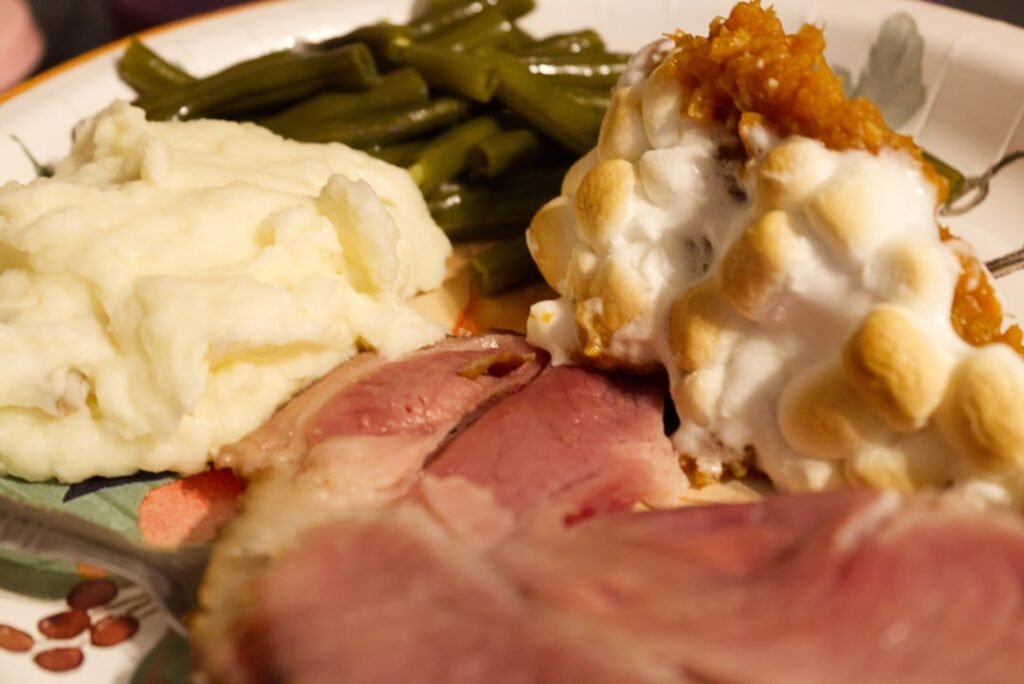
Cook authentic mukimo — Kenya’s iconic green mashed potato dish from the Central highlands. A simple Kikuyu recipe with step-by-step instructions.