What is ugali?
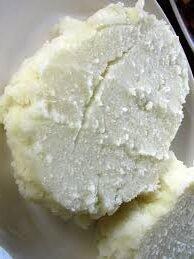
Ugali is a staple meal that is mostly made using maize flour and water. It is a basic meal that is found in almost all Kenyan homes. Ugali continues to be the core of everyday meals symbolizing the relationship of the Kenyan people and their land.
Across East and South Africa, different countries have their own versions – sadza (Zimbabwe), nshima (Zambia), and posho (Uganda). But while it may seem easy to make, achieving the perfect texture – firm yet smooth – requires a guide. It all lies in balance – too much flour makes it dry and crumbly, too little makes it sticky.
In this blog, we take you through on how to cook the perfect ugali.
Ingredients
To make ugali for 3 people
4 cups of water
2-4 cups of maize flour (unga ya ugali) – preferably medium or fine texture
Instructions for the perfect ugali
- Bring water to boil – Boil 4 cups of water in a heavy pot. For the ugali to cook evenly, make sure that the water is boiling before you add the flour.
- Add maize flour – Lower the heat and slowly pour the maize flour, stirring steadily with a mwiko (wooden spoon). This prevents lump from forming.
- Continue stirring – When the mixture is becoming thicker keep stirring in a circular motion. The goal is to have an even texture that has a firm side but not too stiff. If there are still some lumps, break them off by pressing the sides of the pot.
- Cover and let it steam – When the ugali is detaching from the sides of the pot, use the mwiko to shape it into a mound. Lower the heat and cover the sufuria with a lid and let it steam for 3-5 minutes to give time for the center to cook.
- Enjoy it while it’s still hot – Put the sufuria at a slight angle and gently slide the ugali from the sufuria and place it on a clean plate. Serve it together with the side dishes that you prefer.
What to serve with ugali
Some dishes that you can enjoy with ugali are:
- Sukuma wiki (collard greens) – the most common dish of the daily meal.
- Nyama choma (grilled meat) – a weekend treat.
- Tilapia (fried fish) – a favourite that is common around Lake Victoria.
- Kunde (cowpeas) or Managu (African nightshade) – nutrient-rich plant-based meal alternative.
The pairings bring out the different textures and flavours of ugali and thus it has become the most loved staple meal in Kenya.

Perfect Ugali Tips
- Use the right ratio: the best water to flour ratio is approximately 2:1 but may change according to the flour brand.
- Don’t overstir: when ugali becomes thick, stir firmly but do not overdo it – it can become dry and crumbly.
- Use a heavy pot: light pans will stick and not heat evenly.
- Don’t forget to let it rest: give ugali time to steam so that it stays moist and firm.
- Experiment: put a knob of butter or milk for flavour change especially for kids.
Nutritional benefits of ugali
- Ugali has a very high content of carbohydrates which are the primary energy source in the body.
- Adding vegetables or protein to your ugali will make the meal balanced and nutritious.
- Wholemeal maize is an extremely good source of fibre which is highly beneficial for the digestive system and energy.
- For an equally tasty and gluten-free option, you can try sorghum, millet, or cassava flour ugali.
Conclusion
Mastering the art of the perfect ugali cooking involves practicing, being precise, and having patience. There is something exciting about presenting a perfectly smooth and firm mound of ugali. The next time you are in the kitchen grab that mwiko, get involved in the stirring rhythm, and enjoy Kenya’s most beloved staple meal – one pot at a time.