
How Climate Change is Shaping Kenyan agriculture

How climate change is shaping Kenyan agriculture The agricultural sector of Kenya contributes a larger percentage to its growth – more than 70% of the rural population is employed in this sector which makes a major contribution to the GDP. However, over the last few years, climate change has impacted the Kenyan agricultural sector through unreliable rainfall, long droughts, floods, and increasing temperatures. Due to climate change, the Kenyan farmers have changed their methods and have chosen different crops to grow. In this article we explore the impact, methods farmers are adopting, and the future of food security in Kenya. The harsh reality According to the Kenya Meteorological Department, Kenya’s has experienced severe weather fluctuations. Rainfall patterns have become increasingly unpredictable – alternating between dry spells and heavy downpours that cause floods leading to crop damage in farms and infrastructure. The Arid and Semi-Arid Lands (ASALs) that cover about 80% of Kenya’s land have been the most negatively impacted. Prolonged droughts in places like Marsabit and Turkana have led to lack of food, death of livestock, and immigration in search for water and food. However, the Rift Valley and Western Kenya which have been the major producers of food in the country are characterized by heavy rains that lead to flooding and landslides. This has led to: Decrease in production of maize, wheat, and beans. Higher rate of pest and disease occurrence. Increase in food prices and decrease in incomes. Local adaptation and innovation Though the farmers faced many challenges, they have still found ways to be innovative with methods such as – climate-smart agriculture. Some of the measures under climate-smart agriculture for crops and animals survival include: Drought resistant crops – these are crops that can grow without water and still be able to produce valuable yields. For instance the ‘DroughtTEGO’ maize variety that is commonly grown in Kitui and Machakos has demonstrated its ability to endure dry conditions. Several institutions like the Kenya Agricultural and Livestock Research Organization have innovated drought-resistant maize, sorghum, and millet varieties. Water harvesting and irrigation methods – for example, in Baringo solar-powered irrigation, rainwater harvesting tanks, and drip systems have become highly popular and are used by most of the farmers. Farmers use the water that has been stored from the rains to irrigate their fields during the dry months. Soil conservation and agroforestry – planting trees among the crops helps to control soil erosion and improve soil fertility. Vi Agroforestry Kenya and The Green Belt Movement are examples of such initiatives that not only promote reforestation but also help in carbon absorption. Digital climate solutions – iShamba and Farmers Pride are some of the mobile apps through which farmers can get weather forecasts, crop advice, and market information. These platforms have turned out to be very instrumental in providing information on rainfall patterns and thus, reducing crops loss. How climate change affects Kenya differently The rise in sea levels at the coast has led to infiltration of salt water in the farmlands. In areas of Kilifi and Lamu, farmers have resorted to using salt-tolerant crop varieties and have initiated the integration of aquaculture systems. The rising temperatures put the long-standing signature central highlands and rift valley regions cash crops like tea and coffee under stress. In this way, farmers have no other option but to select new varieties of plants like macadamia and avocado farming. Pastoralists in Isiolo, Mandera, and Turkana are gradually abandoning pure livestock farming for mixed farming – cultivating drought-resistant crops and keeping goats and camels which are most likely to endure in the dry areas. Government and community responses The Government of Kenya and various Non-Governmental Organizations have cooperated to develop climate-smart agriculture through different initiatives such as: Kenya Climate Smart Agriculture Strategy (2017-2026) – the strategy was put together to promote practices that are friendly to the environment such as conservation agriculture, water management, and improved seed systems. Climate-Resilient Agriculture Programs (World Bank) – the goal of this program is to support adaptation projects at the local government level as well as the training of farmers. Collaborations between counties – counties such as Nakuru and Kajiado have developed adapted weather change local policies mainly targeted at assisting smallholders to adjust to the changed weather patterns. Community-led initiatives – The Shamba Shape-up TV program, among other initiatives, has been a major factor in teaching farmers on climate adaptation methods. Climate change impact on the economy and society is beyond farming. It has led to: Rising costs, urban migration, and increased dependency on imported food. New economic opportunities have resulted from sustainable food such as Agritech startups, youth-led farming ventures, and agri-preneurs who are using innovation to drive change in agriculture. Businesses that focus on organic produce and digital agriculture are the ones that are mostly leading Kenya to a clean and better agricultural future. The future of Kenyan agriculture To ensure food security in Kenya, the country should be innovative and ensure the following: Investing in irrigation that runs on renewable energy sources. Training farmers on climate adaptation techniques. Scaling up insurance programs to protect smallholders. Training the youth in agritech and eco-friendly farming. It is important for Kenya to leverage science, technology, and the local knowledge to ensure a sustainable and climate-smart agriculture for generations to come. Conclusion Growing resilience for a lasting future is a call to create new ways. The climate crisis is only a challenge to show that the creative solutions can still turn the climate change impact into an innovative strategic plan. Training farmers and young people on smart agriculture will protect the country’s agricultural industry and ensure efficient food supply across the country. Follow the Kenyan Food Journal for me stories that connect sustainability and innovation in agriculture.
Tech meets Taste: How Food delivery apps are Changing Kenyan dining
Introduction Eating out or in has never been more seamless. This has been made possible with the digital transformation in Kenya’s dining scene. As online users increase daily and smartphone purchases remain high, the tech-driven dining is shaping how Kenyans discover, order and enjoy their meals. This blog explores the expansion of delivery services and apps, their benefit to restaurants and diners alike, and the future of Kenyan dining. The expansion of food delivery apps in Kenya Long before food delivery apps and services provided convenience, ordering takeout meant waiting without knowing how long it will take to arrive. The digital transformation in the food industry has made food delivery apps like Glovo, Bolt Food and Uber Eats, deliver meals to customers with so much convenience enabling even tracking of deliveries. This was made possible through: Increase in mobile users – more than 60% of Kenyan adults own a smartphone making app-based ordering possible. Mobile money environment – supported by cashless transfer through M-pesa and Airtel Money. Urban life – urban lifestyle of hectic calendars and congestion in traffic renders convenience life’s need. Common food ordering apps in Kenya Glovo – offers anything ranging from food to household items with strong presence in Nairobi, Kisumu and Mombasa. Has great delivering services and quick service. Uber Eats – restaurant food delivery specialized. Has credible tracking, many restaurants listings, and promotional discounts. Jumia Food (Jumia Food Mart) – one of the food delivery trailblazers in Kenya. Bolt food – bolt is known for rider availability but also food delivery services on Bolt food. Has offers and discounts on deliveries from time to time. How apps are changing dining experiences Convenience and selection – with just a few clicks, Kenyans can see menus, customer reviews, and delivery times beforehand – decision-making becomes easier. They can see hundreds of restaurants, cuisines, and prices. Real-time tracking – customers are in a position to track their delivery through the apps giving transparency and reliability. Promotions and discounts – apps offer promos and discounts for various products making it affordable. Accessibility outside major cities – while food delivery networks were focused on major cities (Nairobi, Kisumu, and Mombasa), they have now expanded to Eldoret, Nakuru enhancing access to tech-enabled meals. Cashless payment – an important feature about the apps now and after the pandemic have integrated cashless payments through M-pesa, credit/debit card ensuring secure transactions. Impact on restaurants and food entrepreneurs Increased reach – applications offer business a platform to reach consumers that they might struggle to reach. Data-driven decisions – data gathered on most frequently ordered food, delivery duration, and consumers’ demographics helping restaurants to streamline operations and menu. Reduced overheads – delivery only kitchens becoming popular reducing the cost of rent and atmosphere and focusing on deliveries. Marketing and visibility – brand exposure is increased as brands are showcased on apps as free advertising reducing costly marketing campaigns. Challenges facing food delivery apps in Kenya Logistics and infrastructure: bad mapping and traffic jams can delay deliveries. Delivery costs: for customers outside Nairobi high delivery fees deter them from purchasing. Restaurants margins: more than often 20-30% of commission charges can eat into profits. Sustainability: waste from takeout packaging is becoming an increasingly environmental problem. Future trends: Where tech meets taste next Increased local delivery places: food delivery in Kenya having more localized kitchens and delivery points to reduce delivery time and costs. AI-driven recommendations: delivery apps integrating AI tools based on consumer past purchases, dietary preferences or food browsing options. Subscription plans: implementing subscription plans for meals and deliveries. Sustainable delivery options: food delivery could be through the use of electric bikes, and biodegradable packaging to promote green delivery. Conclusion: The future of Kenyan dining is digital From Bolt Food to Glovo, food delivery apps and services are changing Kenyan dining by providing convenience, connection, and choice of meals. Food apps have it easier for customers to access their orders faster making them a reliable option for food delivery across the country. Restaurants can make informed decisions for growth and wider reach through data-driven insights generated from the number of orders, meal choices, and reviews. As Kenya’s digital economy continues to embrace technological changes across various industries, food delivery apps will continue growing making every order more convenient, sustainable and personalized.
Tech meets Agriculture: The Rise of AgriTech Startups in Kenya
Introduction With over 70% employment rate of rural population, the country’s agricultural sector has always been a major contributor to Gross Domestic Product (GDP). However, farming across the nation has been greatly affected with climate change, high input costs, and post-harvest losses. That’s where Agritech startups in Kenya comes in. it has not only transformed the agriculture sector with digital solutions but also connected farmers to markets, financing, and data-driven insights. The Ministry of Agriculture also launched an e-Vouchering system for inputs, a digital platform that helps farmers access farm inputs from the government. The ministry has also collaborated with private tech firms to develop early-warning systems for pests and diseases. Initiatives like the Kenya Vision 2030 emphasizes the need for modernization and innovation especially in agriculture. The Kenyan government through relevant ministries and regulatory bodies encourage investment in AgriTech infrastructure and training programs. Public-private partnerships are on the rise as companies continue recognizing the power of technology to transform agriculture. This blog explores the rise of the AgriTech startups, key players driving the change, and how it’s reshaping Kenya’s food systems The Emergence of AgriTech Startups in Kenya Often dubbed the ‘silicon savannah’, Kenya has become one of Africa’s leading tech hubs. The increase of mobile penetration and innovative fintech ecosystems like M-pesa has led to an agricultural tech revolution. The digital transformation in agriculture has provided data to improve farming from crop management to supply chains. Leveraging mobile platforms, Artificial Intelligence (AI), IoT digitizes agriculture to help farmers make informed decisions, reduce waste, and access global markets. Key AgriTech startups driving change include: · Twiga foods – this is a digital platform offering services on logistics, warehousing and credit services providing better prices that help farmers earn more while retailers access fresh produce. It’s a platform that links farmers directly to vendors, reducing middlemen interactions and post-harvest losses. · Apollo agriculture – through mobile technology, satellite data, and machine learning, this platform provides farmers with customized farm inputs, credit, and insurance. It has been able to reach thousands of farmers across Kenya helping them improve farm yields and incomes. · iProcure – this is a supply chain platform that streamlines distribution of farm produce offering real-time data on farm finances and growth. It helps agro-dealers and farmers access affordable, high-quality farm inputs lowering costs and providing transparency. · Digifarm (Safaricom) – this is a mobile platform that makes it easier for farmers to scale their businesses. It connects farmers with input suppliers, agronomists, and financial services. It also offers training and market linkages that help farmers grow in the agricultural sector. · Sunculture – sustainable agriculture is the norm now for most farmers. This platform helps farmers combine clean energy with agriculture through solar-powered irrigation systems. Farmers are able to access water for crops and livestock, even in remote areas. · Farm drive – it provides financial assistance to farmers. It’s new financing opportunities through mobile phones and alternative data helps to create credit scores for farmers. Benefits of AgriTech startups for farmers The digital age has brought innovative solutions to improve agriculture through: Access to real time data – farmers can get data insights on soil health, pest outbreaks, and weather patterns enabling them to make informed decisions to avoid post-harvest losses, minimise waste and grow sustainably. Market linkage – platforms like Digifarm and iProcure connect farmers directly with vendors and suppliers ensuring fair pricing of farm produce and reduces middlemen interactions. Affordable financing – through Twiga Foods and Apollo agriculture farmers can access credit and insurance services for farm inputs and supply chains. Improved yields and sustainability – clean energy for farm crops, livestock and other farming practices all contribute to higher productivity and less carbon footprint. Challenges facing AgriTech startups in Kenya Despite the impressive growth, there are challenges experienced: 1. Connection issues – stable internet and mobile network connections is a challenge in rural and remote areas. 2. Limited farmer training – digital literacy remains a challenge for many farmers 3. Capital and scaling – startups need more investment to expand beyond pilot regions. Overcoming these barriers requires collaboration between startups, government, and international partners. The future of Agritech in Kenya Technology and innovations in agriculture looks promising, driven by: AI and machine learning – for data-driven insights and predictive analytics on crop disease detection and precision farming. Block chain – to ensure transparency and traceability in supply chains for farmers and consumers. Climate-smart agriculture – integrating clean energy and sustainable farming practices help to prepare and adapt to climate change. Youth and women empowerment – promoting gender inclusion in innovative agriculture and attracting young entrepreneurs to leverage tech. As digital transformation becomes more entrenched, Kenya’s is poised to lead Africa’s agritech revolution. Tips for farmers looking to embrace AgriTech If you’re a farmer in Kenya interested in tapping into the agritech ecosystem, here are few things to look out for: Start small – begin with platforms or companies that offer market access and credit. Attending training programs – many startups provide training programs or workshops on digital literacy. Compare services – evaluate multiple platforms on the services they offer for cost and coverage to find what suits your needs. Go sustainable – use tech solutions that drive sustainable agriculture like solar-powered water pumping systems to save on long term costs. Conclusion AgriTech startups in Kenya is rooted in innovation. Technology in agriculture proves that farming is no longer just about the fork-jembe and plough – its data, connectivity, and innovation. Digitization into farming helps farmers increase productivity, improve income, and ensure food security. The rise of these startups signals a future where agriculture is smarter, more sustainable, and more inclusive.
Kenya goes Green: The Rise of Organic Food Markets
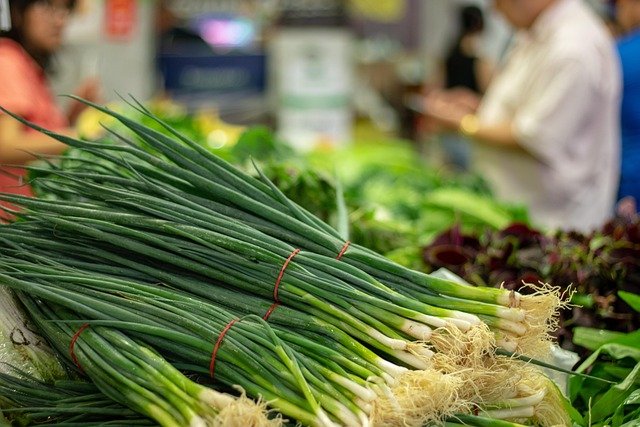
Introduction The conversation around healthy diet has evolved in Kenya. No longer just a niche interest, organic food markets in Kenya are on the surge – driven by rising health wellness, regulatory frameworks, and changing consumer preferences. From bustling Nairobi farmers markets, food delivery apps and services to supermarkets, the green wave of organic food is on the rise. In this blog we explore the driving factors behind the rise of organic food markets, challenges faced and future plans for growth. Key data and growth trends Recent data and survey reports done in the organic agricultural market in Kenya is shows a tremendous growth. A 2024 data report on Kenya Organic Data Survey by the Kenya Organic Agriculture Network (KOAN), showed that the number of certified organic producers increased from 54,386 to 62,626 in 2023. The report also shows how the number of organic farms grew from about 1168,412 hectares in 2021 to 171,298 in 2023. The variety of organic products expanded in three broad categories; organic vegetables, fruits, fibres and tubers. Vegetables lead with 222 products out of 347 listed organic varieties. These figures suggest a growing market where both supply and demand are scaling up. Reasons for expansion of organic food markets So what’s fueling the rise? Health consciousness: the risks of chemical use in agriculture on consumer health is driving the change to more organic, healthier meals. Demand for healthy foods is on the rise in Kenya especially among urban dwellers. Regulatory and certification frameworks: organisations like KOAN, Kilimohai Organic certification and the East Africa Organic Products Standards (EAOPS) are playing important roles in defining what ‘organic’ means, building consumer trust, and providing certification. Supply growth: more acreage and number of producers are rising as investments in training, inputs, and market linkages have expanded. Urban and retail convenience: organic food baskets delivered to homes and sections in supermarkets for ‘green groceries’ are making access to organic food easier. Key players and location of market The following are key players influencing areas whereorganic produce flourish in Kenya: Kenya Organic Agriculture Network (KOAN): it’s a national regulatory body acting as a link between farmers and markets ensuring proper certification, standards, and technical training of farmers. Kilimohai Organic: they help consumers verify trusted organic products that have been certified under East Africa Organic Products Standards (EAOPS). Retail outlets and green groceries: Sylvia’s basket, Kalimoni Greens (Karen), The Corner Shop-Diamond Plaza, Chandarana Foodplus stock organic produce and can deliver to homes. Hotels and restaurants: Bridges Organic Restaurant in Nairobi CBD is one of the full establishments offering 80% organic food on their menu. Challenges facing the organic food markets Despite the growth, several problems remain: Certification costs and barriers: small-scale farmers find it hard to meet the certification requirements especially third-party verification. Supply chain issues: as much as consumer demand is high, supply still remains low due to limited certified farmers in an area, poor infrastructure or inconsistent production. Awareness and education: misconceptions of what ‘organic’ is undermine trust leading to losses for organic food farmers and suppliers. Price premium: input cost, labor, and certification render organic food expensive remaining a deterrent for some purchasers. Impacts: Environment, health, and community The organic food market boom is about the benefits not just sales: Health benefits – limited use of pesticides and farm chemicals on crops leads to better health in the long run. Sustainable agriculture – investing on organic fertilizers and reduce reliance on chemical use for crop growth and soil improvement for microbial activities. Economic empowerment – organizing training through agricultural events, ensuring fair market competition and establishing certification programs helps to improve farmers earnings. The future of Organic Food Markets There are several opportunities and policy implementationsurrounding Kenya’s organic food systems: Policy and institutional support – scaling up organic food markets and promoting climate-driven agriculture requires collaboration with relevant stakeholders from government ministries, NGOs, and regulatory bodies. Farm to table and delivery plans – basket delivery services are becoming more popular in the urban areas as more people seek convenience and quality food. Expansion of domestic markets vs. exports – although crop exports remain Kenya’s strong point in the agricultural sector, the domestic market is expanding offering more certain demand domestically. Value-added products – organic products offer higher profit margins making better use of surplus produce. Conclusion Kenya’s organic food markets are no longer in the shadows – they are becoming mainstream. With the growing certification of farmers, stronger demands for organic foods, and trusted brands like Kilimohai Organics, fuel the change in the country in its commitment for healthy, sustainable, and eco-friendly agriculture. Challenges remain – but the growth is there. If you’re a consumer seeking healthy food or exploring new dietary options, visit certified retailers or shops from regulatory bodies. If you’re a farmer seek opportunities to find a market for your organic produce and explore certification options with value-added margins. Kenya is going green – and the organic food revolution is just beginning.
How Kenya’s Café Culture is Rewriting the Coffee Experience

Introduction Locally and globally, Kenya is renowned for Arabica coffee beans of high quality, but its no longer an exporting country of coffee. The vibrant city and urban life is experiencing a rise in cafés. From the farm to cup experiences to the artisanal cafés, Kenya is redefining coffee culture. This blog explores the growth, key factors behind the rise, and unique coffee experiences. The growth of modern cafés in Kenya The early 2000s saw coffee grown only for local consumption and export. It was mainly imported to Europe and North America. Currently, urban residents, visitors, and remote workers have generated a new generation of café culture in Kenya, and cafés have become innovative spaces, offices, and social hubs. The key drivers are: Increased local demand for Kenyan coffee Increased population with a desire for high-quality drinking experience Globalization of ideas of café culture with Kenyan innovation Increased number of coffee houses and craft roasters has made it possible for Kenyan café culture to grow. Similar to wine tasting, these areas not only provide coffee tours but also show how the beans are roasted, and the brewing methods. Some of the trendy coffee houses include: Artcaffé – a trendsetter in modern café life with multiple outlets throughout Nairobi Java House – a top coffee chain in Kenya with high-quality and consistent environment Spring Valley Coffee – with specialty roasts and farmer relationships Connect Coffee Roasters – with a focus on direct trade and far-to-cup stories These coffee houses empower native growers and introduce consumers to Kenya’s coffee culture, participating in a quality and appreciation green loop. Brewing innovation: From pour-overs to special spaces for connection The café scene in Kenya is embracing global inspirations andtrends incorporating them to local tastes. You walk into a café and you aremost likely to see: Single-origin coffee beans pour-over coffee cafes Cold brew for the extreme drinker Latte art competitions and seasonal brews celebrating events This new culture of brew increases the stakes, making coffee more of a ceremony rather than a ritual. Beyond coffee, Kenya’s cafes are also changing the mood. Many of them: Have natural light, plants, and decor that is locally-inspired Community seating and co-working spaces Art galleries and live performances to showcase local talent This transformation of coffee houses to lifestyle centers is what keeps Kenya’s café culture vibrant. They are not solely about grabbing a quick coffee fix for a caffeine boost. Farm-to-Cup experiences: Consumers to farmers’ connection and sustainable practices From coffee growing zones of Central Kenya in areas like Nyeri, Kirinyaga, and Murang’a these regions produce the best coffee beans in the world. Tourists are able to visit these coffee growing areas and experience the farm-to-cup journey of beans to brew. Some of these areas include: Fairview Coffee Estate (Kiambu County) that offers coffee tours around the estate and tastings Karunguru Coffee Estate has coffee farming and cupping training sessions These initiatives boosts transparency, induces appreciation for coffee farmers’ work, and increases coffee tourism. Sustainability is also being adopted by new cafés. This is through: Using eco-friendly straws and cups for coffee Offering discounts to customers through special offers or loyalty programs Partnering with local farmers for fair prices of the coffee beans Customers are increasingly giving priority to eco-friendly and ethical brands, and the cafés targeting these have advantage in competition. The future of Kenya’s café culture With the rise of online ecosystems, delivery platforms, and coffee subscription services, the Kenya’s café scene is expected to grow even further. Coffee enthusiasts should expect: More specialty coffee roasters targeting niche markets Hybrid café spots mixing art, retail, and workshops Increased coffee tourism with farm visits and tasting trails As Kenya’s coffee experience is gaining traction in the global markets, local cafés are well positioned to lead East Africa specialty coffee movement. Conclusion Kenya’s café culture is no longer just about coffee – it’s about sustainability, community and experiences. Through the combination of innovative brewing methods and true hospitality, cafés are reimagining what it really is to drink coffee. Understanding the story behind coffee production, coffee culture and future plans to make it grow is important to comprehend the trend of the nation’s coffee industry. As a coffee lover or a tourist, try out the flavors of Kenya’s café culture.
The Rise of Artisanal Bakeries in Nairobi

Introduction Over the last decade, artisanal bakeries have revolutionized the food industry in Nairobi. The city is experiencing a new wave of mass-produced and pastry-dominated treats to a renaissance of handmade and high-quality baked goods. These bakeries strive for creativity and innovation from global recipes and traditional methods, organic ingredients to ensure they are also on par with international quality. Why artisanal bakeries stand out? Artisanal bakeries have become unique due to: Craftsmanship: baked goods are handmade in small batches to ensure perfect texture and taste. Premium ingredients: they use high-quality ingredients from flour, eggs, butter and natural flavors. Distinctive flavors: bold experimentation using local and international flavors. Freshness: most baked goods are baked fresh every day to maintain peak quality. In a city where young professionals and healthy consumers are looking for superior alternatives, these characteristics have turned artisan bakeries into the new Nairobi stars of food culture. Highlight: The Cookie Bar Kenya One artisanal bakery that has pushed for gourmet cookies to redefining homemade treats is The Cookie Bar. It’s the go-to brand for those who crave fresh and gourmet cookies. It has a skilled team of bakers to ensure perfect texture and flavor with each batch. Why The Cookie Bar Kenya stands out Unique flavors: their menu reflects both tradition and modern innovation of cookies from the famous chocolate chip cookie, red velvet to gluten-free and vegan options. Premium quality: each batch of cookies made is handcrafted with high-quality ingredients to give a savoring indulgence. Community building: they have built a loyal customer following by establishing a brand that not only bakes gourmet cookies but also bakes a story that resonates with Nairobi’s modern cookie lovers. The Cookie Bar perfectly embodies the artisanal baking spirit; passion, creativity, authenticity. It’s a brand that combines local flavors with global inspirations. Notable Artisanal Bakeries in Nairobi Artisan Bakers Nairobi- Known for sourdough and rustic breads Le Grenier a Pain – A bakery inspired by French with specialty in baguettes and croissants, ideal for anyone who yearns for real European baked foods. Cake city – Venturing into hand-baked cakes and pastry. Boho bakery and eatery – An environment-friendly café with an attached bakery section that specializes in healthy bread and vegan dessert items. The Cookie Bar Kenya – Transcending cookies into a gourmet delicacy. Conclusion: the future of artisanal bakeries The demand for premium and gourmet baked goods is increasing and the trend does not seem to stop. With increasing numbers of Kenyans health-conscious of what they consume, high-end, Instagram-friendly food, are going to be doing well in the long term. Operators such as The Cookie Bar Kenya are setting the tone, demonstrating that baking is not just about the end product – it’s about the experience. Nairobi is positioning itself as the hub of East Africa’s high-end, creative, sustainable baking culture.