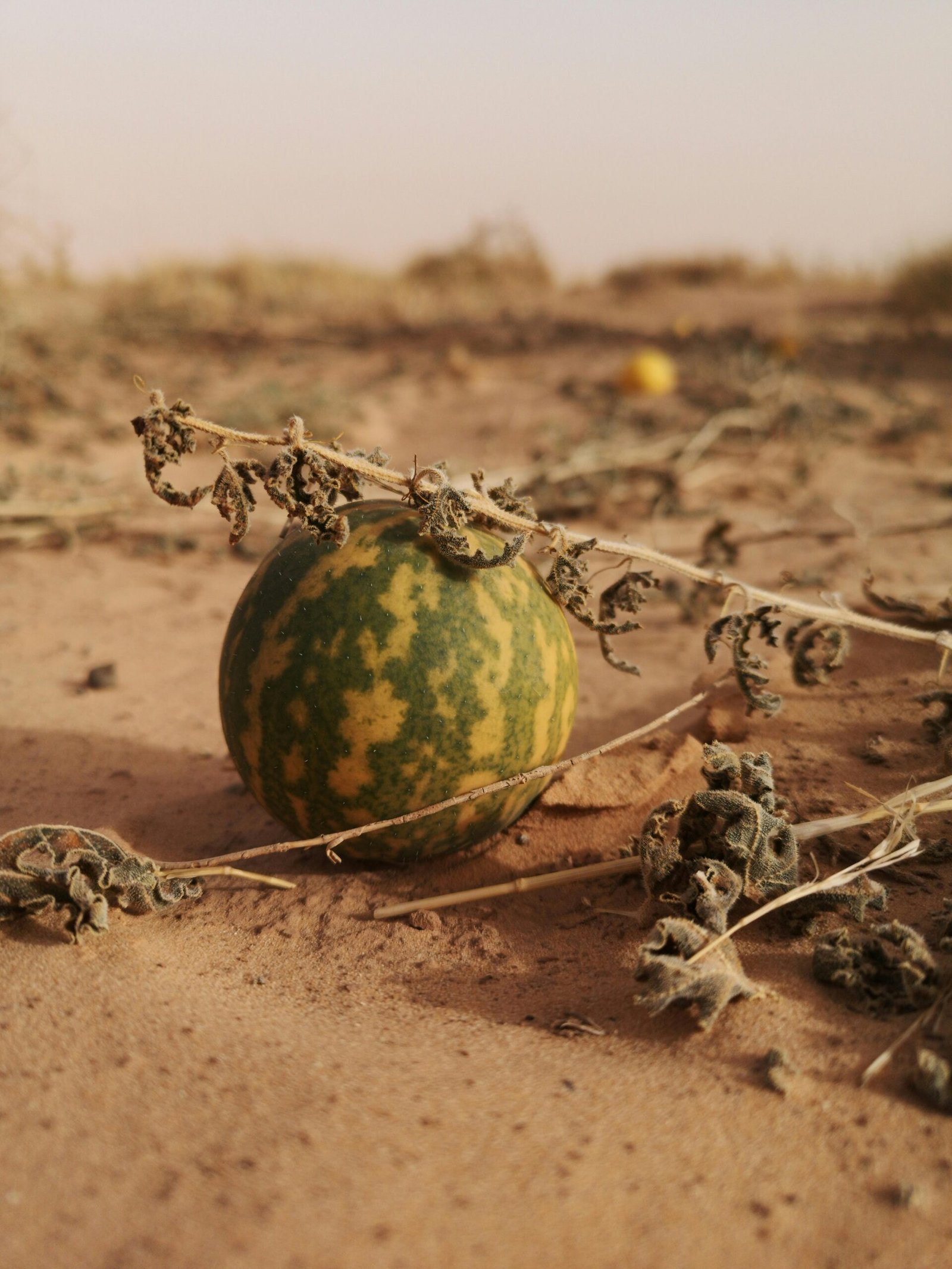
How climate change is shaping Kenyan agriculture
The agricultural sector of Kenya contributes a larger percentage to its growth – more than 70% of the rural population is employed in this sector which makes a major contribution to the GDP. However, over the last few years, climate change has impacted the Kenyan agricultural sector through unreliable rainfall, long droughts, floods, and increasing temperatures.
Due to climate change, the Kenyan farmers have changed their methods and have chosen different crops to grow. In this article we explore the impact, methods farmers are adopting, and the future of food security in Kenya.
The harsh reality
According to the Kenya Meteorological Department, Kenya’s has experienced severe weather fluctuations. Rainfall patterns have become increasingly unpredictable – alternating between dry spells and heavy downpours that cause floods leading to crop damage in farms and infrastructure.
The Arid and Semi-Arid Lands (ASALs) that cover about 80% of Kenya’s land have been the most negatively impacted. Prolonged droughts in places like Marsabit and Turkana have led to lack of food, death of livestock, and immigration in search for water and food.
However, the Rift Valley and Western Kenya which have been the major producers of food in the country are characterized by heavy rains that lead to flooding and landslides. This has led to:
- Decrease in production of maize, wheat, and beans.
- Higher rate of pest and disease occurrence.
- Increase in food prices and decrease in incomes.
- Local adaptation and innovation
Though the farmers faced many challenges, they have still found ways to be innovative with methods such as – climate-smart agriculture. Some of the measures under climate-smart agriculture for crops and animals survival include:
- Drought resistant crops – these are crops that can grow without water and still be able to produce valuable yields. For instance the ‘DroughtTEGO’ maize variety that is commonly grown in Kitui and Machakos has demonstrated its ability to endure dry conditions. Several institutions like the Kenya Agricultural and Livestock Research Organization have innovated drought-resistant maize, sorghum, and millet varieties.
- Water harvesting and irrigation methods – for example, in Baringo solar-powered irrigation, rainwater harvesting tanks, and drip systems have become highly popular and are used by most of the farmers. Farmers use the water that has been stored from the rains to irrigate their fields during the dry months.
- Soil conservation and agroforestry – planting trees among the crops helps to control soil erosion and improve soil fertility. Vi Agroforestry Kenya and The Green Belt Movement are examples of such initiatives that not only promote reforestation but also help in carbon absorption.
- Digital climate solutions – iShamba and Farmers Pride are some of the mobile apps through which farmers can get weather forecasts, crop advice, and market information. These platforms have turned out to be very instrumental in providing information on rainfall patterns and thus, reducing crops loss.
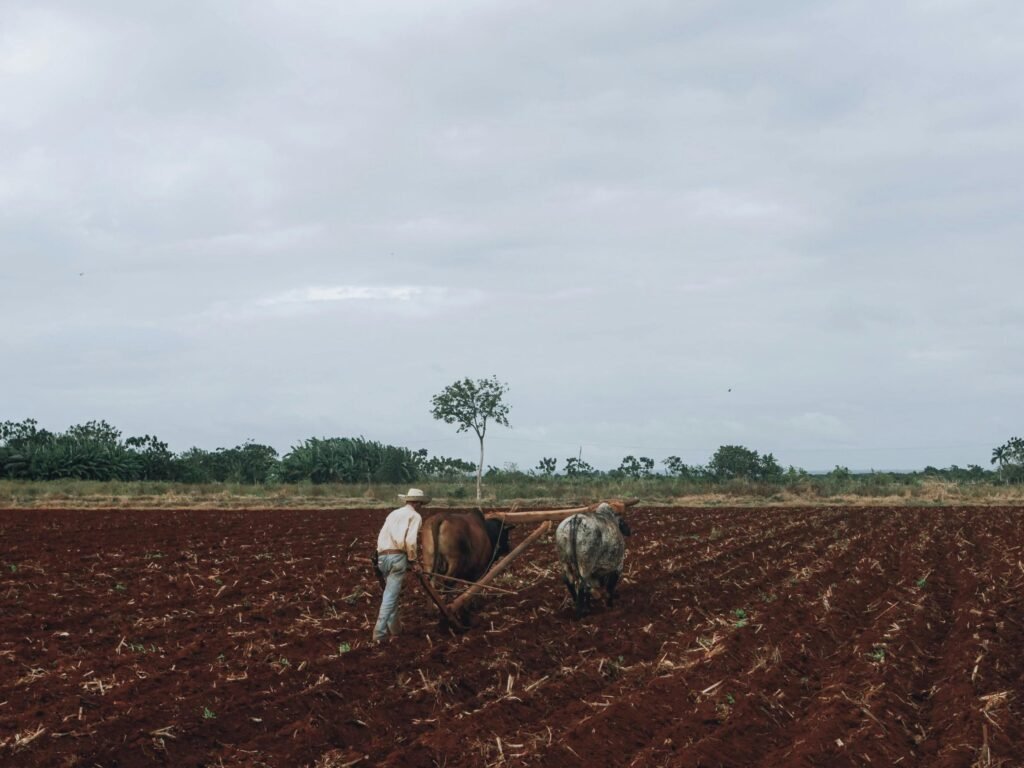
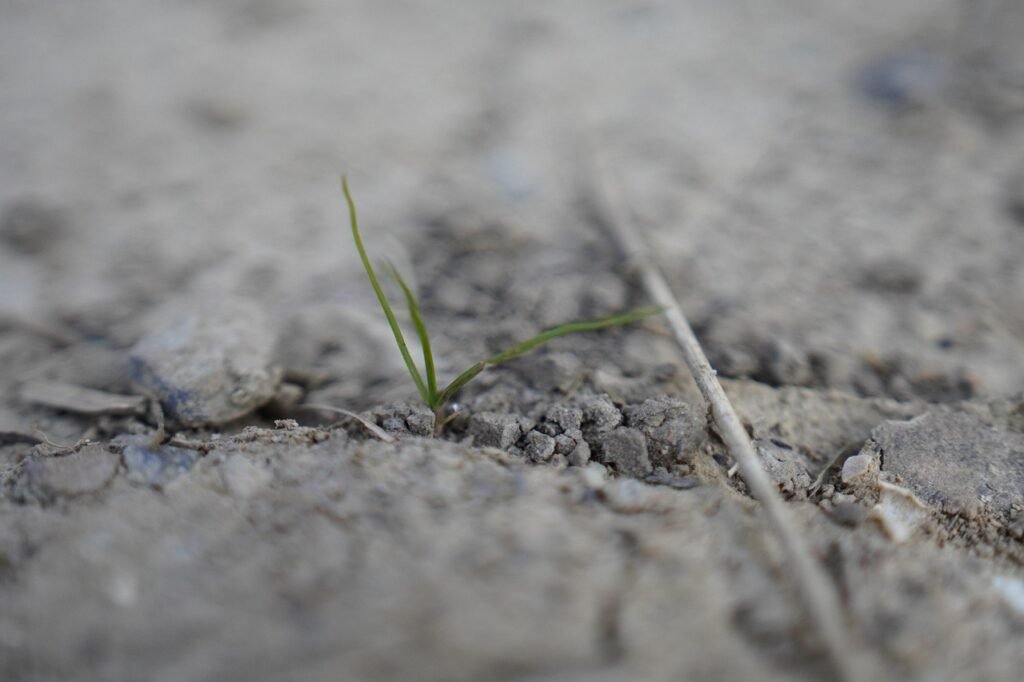
How climate change affects Kenya differently
The rise in sea levels at the coast has led to infiltration of salt water in the farmlands. In areas of Kilifi and Lamu, farmers have resorted to using salt-tolerant crop varieties and have initiated the integration of aquaculture systems.
The rising temperatures put the long-standing signature central highlands and rift valley regions cash crops like tea and coffee under stress. In this way, farmers have no other option but to select new varieties of plants like macadamia and avocado farming.
Pastoralists in Isiolo, Mandera, and Turkana are gradually abandoning pure livestock farming for mixed farming – cultivating drought-resistant crops and keeping goats and camels which are most likely to endure in the dry areas.
Government and community responses
The Government of Kenya and various Non-Governmental Organizations have cooperated to develop climate-smart agriculture through different initiatives such as:
- Kenya Climate Smart Agriculture Strategy (2017-2026) – the strategy was put together to promote practices that are friendly to the environment such as conservation agriculture, water management, and improved seed systems.
- Climate-Resilient Agriculture Programs (World Bank) – the goal of this program is to support adaptation projects at the local government level as well as the training of farmers.
- Collaborations between counties – counties such as Nakuru and Kajiado have developed adapted weather change local policies mainly targeted at assisting smallholders to adjust to the changed weather patterns.
- Community-led initiatives – The Shamba Shape-up TV program, among other initiatives, has been a major factor in teaching farmers on climate adaptation methods.
Climate change impact on the economy and society is beyond farming. It has led to:
Rising costs, urban migration, and increased dependency on imported food. New economic opportunities have resulted from sustainable food such as Agritech startups, youth-led farming ventures, and agri-preneurs who are using innovation to drive change in agriculture. Businesses that focus on organic produce and digital agriculture are the ones that are mostly leading Kenya to a clean and better agricultural future.
The future of Kenyan agriculture
To ensure food security in Kenya, the country should be innovative and ensure the following:
- Investing in irrigation that runs on renewable energy sources.
- Training farmers on climate adaptation techniques.
- Scaling up insurance programs to protect smallholders.
- Training the youth in agritech and eco-friendly farming.
It is important for Kenya to leverage science, technology, and the local knowledge to ensure a sustainable and climate-smart agriculture for generations to come.
Conclusion
Growing resilience for a lasting future is a call to create new ways. The climate crisis is only a challenge to show that the creative solutions can still turn the climate change impact into an innovative strategic plan. Training farmers and young people on smart agriculture will protect the country’s agricultural industry and ensure efficient food supply across the country.
Follow the Kenyan Food Journal for me stories that connect sustainability and innovation in agriculture.